
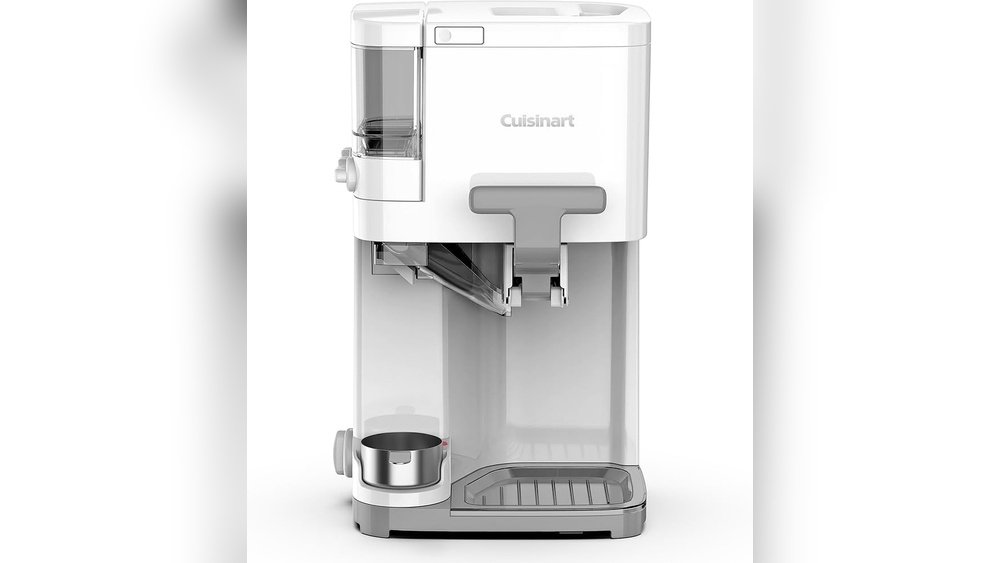
Using a frozen yogurt maker at home can turn an ordinary day into a delightful experience. With these machines, you can make creamy, cold, and healthy desserts whenever you want. But for many people, these gadgets seem a little mysterious—how do they really work?
What steps do you need to follow to get smooth, delicious results every time? Let’s clear up all the confusion and walk through everything you need to know to use a frozen yogurt maker like a pro.
You’ll discover the types of machines, the preparation secrets, the step-by-step process, and even how to clean and maintain your machine for years of sweet treats. Along the way, you’ll find tips beginners often miss, common mistakes to avoid, and ideas for perfecting your homemade frozen yogurt.
Whether you’ve just bought your first machine or want to improve your results, this guide has you covered.
Understanding Frozen Yogurt Makers
Not all frozen yogurt makers are built the same. Choosing the right one—and knowing how it works—is the first step to a great dessert.
Types Of Frozen Yogurt Makers
There are three main types of frozen yogurt machines you’ll find at home:
- Manual freezer bowl machines: These need you to freeze the bowl before use. They are affordable and simple, but require planning ahead.
- Compressor machines: These have built-in refrigeration. You don’t need to pre-freeze anything—they chill and churn at the same time. They cost more but save time and effort.
- Salt and ice machines: These are similar to old-fashioned ice cream makers. You add ice and salt to freeze the mixture. They’re less common today but still effective.
Here’s a quick comparison to help you see the differences:
| Type | Pre-Freeze Required | Batch Size | Price Range | Ease of Use |
|---|---|---|---|---|
| Manual Freezer Bowl | Yes (8-24 hours) | 1-2 quarts | $30-$70 | Easy |
| Compressor | No | 1-2.5 quarts | $180-$500 | Very Easy |
| Salt & Ice | No | 1-4 quarts | $40-$100 | Moderate |
Key Features To Look For
When choosing a machine or learning your model, notice these features:
- Capacity: How much yogurt can you make at once?
- Timer: Some machines stop automatically; others don’t.
- Mix-in chute: Lets you add chocolate chips, fruit, or nuts while churning.
- Speed: How quickly does it finish a batch?
- Ease of cleaning: Removable parts and dishwasher-safe components make life easier.
Understanding the type of machine and its features is essential before you start making frozen yogurt. It helps you plan, avoid mistakes, and get the best results.
Preparing To Use Your Frozen Yogurt Maker
Before you pour in any ingredients, a little preparation goes a long way. This step is often overlooked by beginners, but it makes a big difference in texture and taste.
Reading The User Manual
Every frozen yogurt maker has its own details. Always check the user manual—even if you’ve used another brand before. Small differences in assembly or operation can lead to big surprises if you skip this step.
Freezing The Bowl (if Needed)
If your machine uses a freezer bowl, freeze it for the recommended time. Most need at least 12 hours at the coldest setting. A bowl that isn’t fully frozen won’t churn the mixture well, leading to soupy or icy yogurt.
Tip: Store the bowl in your freezer when not in use. That way, you’re always ready for a frozen treat.
Preparing Your Ingredients
The base of frozen yogurt is usually simple: yogurt, sugar, and sometimes milk or cream. But for the best texture, chill your mixture in the fridge for at least 2-4 hours before churning. Cold ingredients speed up freezing and improve consistency.
Sanitizing The Machine
Before your first batch, wash all removable parts with warm, soapy water. This removes dust or residue from manufacturing and shipping.

Credit: www.streetphotographersfoundation.com
Making Frozen Yogurt: Step-by-step Guide
Now for the main event—making your own frozen yogurt at home. The process is straightforward, but each step matters.
1. Choose Your Recipe
You can start with a basic recipe:
- 2 cups plain Greek yogurt
- ½ cup sugar (or preferred sweetener)
- 1 teaspoon vanilla extract
- Optional: ½ cup milk or cream for creaminess
Blend these until smooth. For fruit flavors, add 1 cup of pureed strawberries, mango, or banana.
2. Chill The Mixture
Refrigerate your yogurt base for at least 2 hours. Some people skip this, but it’s a mistake: a cold base freezes faster and prevents ice crystals.
3. Assemble The Machine
Put the frozen bowl in place (if using). Make sure the paddle and lid are correctly set. Compressor and salt-and-ice machines may need you to press a “pre-cool” button or add ice and salt layers.
4. Start The Machine
Turn the machine on before pouring in the mixture. This prevents the base from freezing to the sides before it can churn.
5. Pour In The Base
Slowly pour the chilled yogurt mixture into the running machine. This helps with even freezing.
6. Churn And Monitor
Most machines take 15-25 minutes to churn a batch. You’ll see the yogurt thicken and expand as air is whipped in. For the best texture, stop churning when the yogurt is soft-serve consistency.
7. Add Mix-ins
If you want to add chocolate chips, fruit chunks, or nuts, do so in the last 5 minutes of churning. Use the mix-in chute if your machine has one. Adding mix-ins too early can make them sink or get mushy.
8. Serve Or Store
You can eat your frozen yogurt right away for a soft, creamy treat. For a firmer texture, transfer it to an airtight container and freeze for 1-2 hours. Always use a shallow container for faster, even freezing.
9. Clean The Machine
Wash the bowl, paddle, and lid right after use. Dried-on yogurt is much harder to remove.
Tips For Perfect Frozen Yogurt Every Time
Even with the right machine and recipe, little things can make or break your results. Here are expert tips to help you succeed.
Use Full-fat Yogurt For Creaminess
Low-fat or fat-free yogurt can make your dessert icy. For best texture, use full-fat Greek yogurt or add a little cream.
Sweeten Carefully
Sugar doesn’t just add flavor—it lowers the freezing point. This means less ice and a softer texture. If you use honey, agave, or sugar substitutes, experiment with amounts. Too little sweetener makes the yogurt hard and icy.
Add Alcohol For Softness
A tablespoon of vodka or liqueur can keep frozen yogurt scoopable in the freezer. The alcohol prevents it from freezing rock solid, but you won’t taste it.
Don’t Over-churn
If you churn too long, the yogurt can get dense or separate. Stop when it looks like soft-serve.
Avoid Too Many Mix-ins
Too many add-ins can weigh down the mixture and make it icy or soggy. Stick to about ½ to ¾ cup per batch.
Watch The Freezer
Homemade frozen yogurt hardens quickly in a home freezer. For best results, eat it the same day or let it soften at room temperature for 10-15 minutes before serving.

Credit: www.amazon.com
Common Mistakes And How To Avoid Them
Even experienced users can run into trouble. Here are the most frequent problems—and how to fix them.
Mixture Won’t Freeze
- Bowl not cold enough: Make sure you freeze the bowl for the full recommended time.
- Room temperature base: Always chill the yogurt mixture.
- Too much alcohol or sugar: These can keep the mixture from freezing. Use recommended amounts.
Icy Or Grainy Texture
- Low-fat yogurt: Use full-fat or add a little cream.
- Not enough sugar: Sweetener is key for smoothness.
- Under-mixing: Churn until thick and creamy.
Machine Won’t Start Or Stops Early
- Incorrect assembly: Double-check the manual.
- Overfilled bowl: Stick to the max fill line.
- Overheating: Let the machine rest between batches if making more than one.
Stuck Or Difficult To Clean Parts
- Clean immediately: Don’t let yogurt dry on the bowl or paddle.
- Soak in warm water: For stuck-on bits, soak parts for 10-15 minutes before washing.
Creative Frozen Yogurt Ideas
One joy of homemade frozen yogurt is customizing flavors and textures. Don’t be afraid to experiment.
Fruit Swirls
Add pureed berries, mango, or passionfruit in the last few minutes of churning. Swirl lightly for a marbled effect.
Chocolate Or Nut Butter Ribbons
Melt chocolate or warm peanut butter and drizzle it in as the yogurt churns. It forms crunchy or creamy ribbons inside the dessert.
Cookie Or Brownie Chunks
Cut cookies or brownies into small pieces and add them in the final minutes. They add texture and bursts of flavor.
Dairy-free Options
Use coconut yogurt and almond or oat milk for vegan frozen yogurt. The texture is a bit different, but still creamy and delicious.
Probiotic Boost
Use live-culture yogurt to keep the probiotics alive. Avoid adding the yogurt to hot mixtures, as heat kills the beneficial bacteria.
Cleaning And Maintaining Your Frozen Yogurt Maker
A clean machine keeps flavors fresh and prevents breakdowns. Here’s how to care for your frozen yogurt maker:
After Each Use
- Disassemble all removable parts.
- Wash bowls, paddles, and lids with warm, soapy water. Rinse well.
- Dry completely before storing, especially if you freeze the bowl.
Deep Cleaning
Once a month (or after a spill), do a deeper clean:
- Wipe down the machine’s exterior with a damp cloth.
- For compressor models, vacuum the air vents to remove dust.
- Check for food buildup around seals and paddles.
Storing The Machine
If you have a freezer bowl, store it in a plastic bag in the freezer to prevent odors. Keep the machine in a dry, cool place.
Troubleshooting
If your machine makes noise or stops working, consult the manual. Many brands have customer service or online troubleshooting guides. For reliable advice, check the Consumer Reports site for tips and reviews.
Comparing Popular Frozen Yogurt Makers
Choosing the right machine can be tough. Here’s a look at three top models to help you decide:
| Brand & Model | Type | Capacity | Churn Time | Special Features |
|---|---|---|---|---|
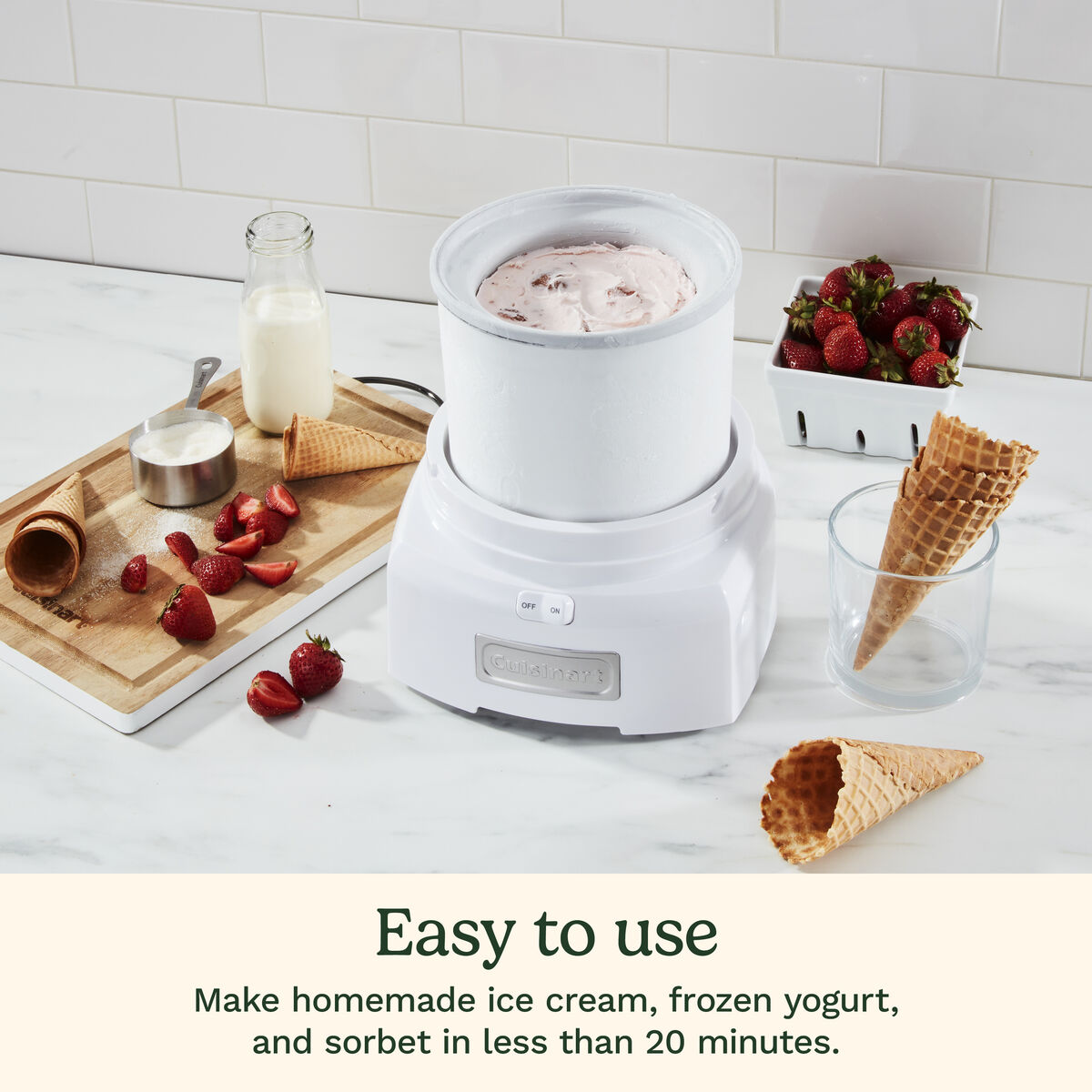
| Cuisinart ICE-21 | Manual Freezer Bowl | 1.5 quarts | 20 min | Easy-lock lid, affordable |
| Whynter ICM-201SB | Compressor | 2.1 quarts | 25-30 min | Pre-cool, keep-cool, LCD control |
| Nostalgia ICMP400BLUE | Salt & Ice | 4 quarts | 30-40 min | Large capacity, old-fashioned style |
Nutrition And Health: Is Frozen Yogurt Really Healthier?
Many people choose frozen yogurt thinking it’s a healthier dessert. Here’s what you need to know:
Lower Fat, But Watch Sugar
Frozen yogurt usually has less fat than ice cream, especially if you use low-fat or non-dairy yogurt. However, many recipes (and store-bought versions) use a lot of sugar for sweetness and texture.
Probiotics
If you use live-culture yogurt and avoid heating it, your frozen yogurt can offer probiotic benefits for digestion and gut health.
Control Ingredients
Homemade frozen yogurt lets you control the sugar, fat, and add-ins. You can use honey, maple syrup, or sugar substitutes, and add fruit for extra vitamins.
Portion Control
It’s easy to eat more than you intend, especially with tasty toppings. Serve smaller amounts and enjoy slowly.
Here’s a rough comparison of calories in a half-cup serving:
| Dessert | Calories | Fat | Sugar | Protein |
|---|---|---|---|---|
| Homemade frozen yogurt | 100-140 | 2-6g | 12-18g | 4-6g |
| Store-bought frozen yogurt | 150-220 | 0-5g | 18-25g | 3-5g |
| Regular ice cream | 200-250 | 10-16g | 18-22g | 3-4g |
Advanced Techniques For Frozen Yogurt Enthusiasts
Once you’re comfortable with the basics, you might want to try more advanced methods. These can help you achieve perfect texture and unique flavors.
Using Stabilizers
Professional frozen yogurt often uses stabilizers like gelatin or guar gum. These prevent ice crystals and keep the yogurt creamy, even after days in the freezer. You can add ½ teaspoon of gelatin (bloomed in a little water) to your base for smoother results.
Balancing Sweetness And Acidity
Yogurt is tangy. If you add too much sugar, you lose that bright flavor. Taste your base before churning and adjust with a squeeze of lemon or lime if needed.
Swapping Sweeteners
Try honey, maple syrup, or agave for different flavor notes. Just remember: liquid sweeteners can change the texture, so use slightly less milk or cream.
Layered Or Swirled Batches
Churn two different flavors (like chocolate and raspberry) separately, then layer them in your container. Drag a knife through a few times for a beautiful swirl.
Keeping Yogurt Soft In The Freezer
Homemade frozen yogurt gets hard after a few hours. Here’s what helps:
- Add a tablespoon of corn syrup or invert sugar to your base.
- Let the container sit at room temperature for 10-15 minutes before scooping.
- Store in a shallow container, covered tightly to prevent ice crystals.
Serving Suggestions
Dress up your homemade frozen yogurt with:
- Fresh berries, kiwi, or banana slices
- Chopped nuts or granola
- Shaved chocolate or coconut flakes
- A drizzle of honey or fruit syrup
Credit: www.cuisinart.com
Frequently Asked Questions
What’s The Difference Between Frozen Yogurt And Ice Cream?
Frozen yogurt is made with yogurt instead of cream or milk, giving it a tangy flavor and less fat. Ice cream uses cream and is usually richer and smoother. Frozen yogurt also contains live cultures if made with active yogurt, which is good for digestion.
Can I Make Frozen Yogurt Without A Machine?
Yes, but the texture may not be as smooth. You can freeze the yogurt mixture in a shallow dish, stirring every 30 minutes until firm. However, this method produces more ice crystals and less creamy results.
Why Does My Homemade Frozen Yogurt Turn Hard In The Freezer?
Homemade frozen yogurt lacks commercial stabilizers. It gets hard because of low fat and water content. To keep it softer, add a little cream, alcohol, or corn syrup, and let it sit at room temperature before serving.
How Long Does Homemade Frozen Yogurt Last?
For best flavor and texture, eat homemade frozen yogurt within 1-2 weeks. It’s safe to eat for up to a month, but it may get icy or lose flavor. Always store it in an airtight container.
Is Frozen Yogurt Healthy?
It can be, especially if you control sugar and fat. Homemade versions with live-culture yogurt provide probiotics, calcium, and protein. Watch added sugar and portion sizes for the healthiest treat.
Making your own frozen yogurt is both fun and rewarding. With a good machine, smart preparation, and a few insider tips, you can enjoy creamy, custom desserts any time. Don’t be afraid to experiment with flavors or techniques. Each batch is a chance to create something delicious—and maybe even a bit healthier than store-bought treats.