
An electric grill can transform the way you cook, whether you live in a small apartment, want to grill indoors during winter, or are simply looking for a cleaner and more convenient way to enjoy grilled food. But to get the best results, you need to know more than just how to turn it on.
Mastering an electric grill means understanding how it works, preparing your food correctly, and following smart grilling techniques. This guide will give you all the steps, tips, and insights you need to use an electric grill like a pro—even if you’re a complete beginner.
What Is An Electric Grill?
An electric grill is a cooking device that uses electricity as its heat source instead of charcoal or gas. It comes in two main types: indoor and outdoor models. Indoor grills are usually compact and smokeless, making them perfect for kitchens and apartments. Outdoor electric grills are larger and may have stands or wheels, designed for patios or balconies where open flames aren’t allowed.
The biggest advantage of electric grills is their simplicity. You just plug them in, set the temperature, and start cooking. There’s no need for lighter fluid, propane tanks, or messy ashes. This makes them ideal for people who want hassle-free grilling with minimal clean-up.
How Does An Electric Grill Work?
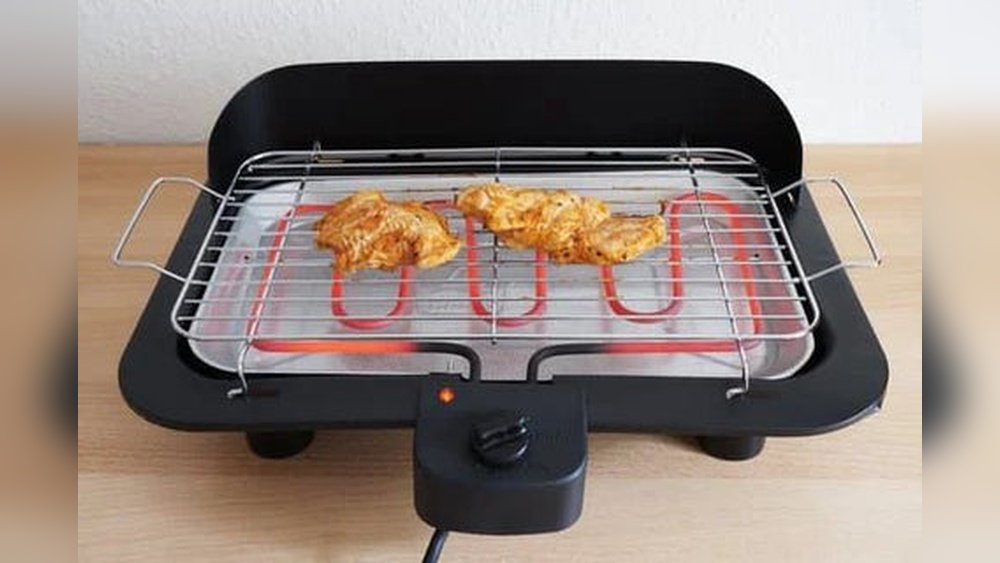
Electric grills use a heating element—usually made of metal coils—under the grilling surface. When you turn on the grill and set the temperature, electricity heats the coils, which then transfer heat to the grill plate or grates. Some models have a thermostat to keep the temperature stable.
Here’s why this matters: consistent heat means your food cooks evenly, and you have more control over the cooking process. You won’t deal with flare-ups or smoke like you would with charcoal or gas grills. However, the flavor is a bit different—electric grills produce less smoky taste, but many people find the results just as delicious.
Choosing The Right Electric Grill
Before you start grilling, you need to pick the right electric grill for your needs. Here’s what to consider:
| Feature | Indoor Grill | Outdoor Grill |
|---|---|---|
| Size | Compact, fits on counter | Larger, needs patio space |
| Power | 900–1500 watts | 1500–1800 watts |
| Smoke Level | Low/smokeless | Some smoke outdoors |
| Usage | Year-round, inside | Outside only |
| Cleaning | Removable plates | Larger grates |
Key Factors To Compare
- Size and Cooking Area:
- For singles or couples, a small grill (up to 80 square inches) is enough.
- For families, look for a grill with at least 200 square inches.
- Power and Temperature Control:
- Higher wattage means faster heating.
- Adjustable temperature settings give you better control for different foods.
- Removable Plates:
- Make cleaning much easier, especially if you cook foods with marinades or sauces.
- Drip Tray:
- Collects fat and juices, making grilling healthier and reducing mess.
- Safety Features:
- Cool-touch handles and automatic shut-off are important, especially if you have children.
Common Buyer Mistakes
- Ignoring the grill’s wattage and then finding it takes too long to preheat.
- Choosing a grill that’s too small for their family size.
- Forgetting to check if the grill is allowed in their building (some apartments ban outdoor grills, but allow indoor models).
- Not considering storage space—large grills can be hard to store in small kitchens.
Setting Up Your Electric Grill
Before you cook anything, you need to set up your grill safely. Here’s how:
- Pick a Safe Location:
- For indoor grills, use a flat, heat-resistant countertop. Keep it away from water sources.
- For outdoor grills, place it on a stable surface away from flammable objects. Make sure you have access to a power outlet.
- Check the Grill’s Parts:
- Make sure the heating element, grill plate, drip tray, and cord are all clean and in good condition.
- Assemble the Grill:
- Follow the manufacturer’s instructions. Most grills require simple assembly.
- Preheat the Grill:
- Plug in the grill and set it to the desired temperature. Wait 5–10 minutes until it’s hot. Some models have a light to show when they’re ready.
- Apply Cooking Spray or Oil:
- Use a paper towel to lightly oil the grill plate. This helps prevent sticking.
Insight: Many beginners forget to preheat the grill or use too much oil. Excess oil can cause smoke and make cleaning harder.
Preparing Food For Electric Grilling
The right preparation makes a big difference in flavor, texture, and even healthiness. Here’s what you should do:
Marinating And Seasoning
- Marinades add moisture and flavor. Let meats soak for at least 30 minutes (up to overnight).
- Pat food dry with a paper towel before grilling. Too much moisture can prevent browning and cause steaming instead of grilling.
Cutting And Sizing
- Cut food into uniform pieces. This ensures even cooking.
- For vegetables, slice them about ½ inch thick so they grill nicely without falling apart.
Room Temperature
- Let meat or fish sit at room temperature for 10–15 minutes before grilling. Cold food can cook unevenly on electric grills.
Insight: Never overcrowd the grill. If you put too much food at once, it can drop the temperature and lead to uneven cooking.
Cooking On An Electric Grill: Step-by-step
Now comes the fun part: cooking! Here’s a detailed guide for the best results.
- Preheat the Grill
- Always preheat. This ensures a good sear and helps food cook evenly.
- Place Food on the Grill
- Lay food in a single layer, with space between pieces.
- Close the lid (if your grill has one) to trap heat.
- Adjust Temperature as Needed
- Use medium-high heat for most meats.
- Lower temperatures are better for delicate foods like fish or vegetables.
- Cook With Care
- Flip food only once if possible. Too much flipping can dry out food.
- Use tongs or a spatula, not a fork (which can let juices escape).
- Use a Thermometer
- The safest way to check doneness is a meat thermometer. See the table below for common target temperatures.
| Food | Internal Temperature | Notes |
|---|---|---|
| Chicken | 165°F (74°C) | Juices run clear |
| Steak (Medium) | 145°F (63°C) | Let rest before slicing |
| Fish | 145°F (63°C) | Flakes easily |
| Pork | 145°F (63°C) | Let rest 3 minutes |
| Vegetables | Varies | Soft and browned |
- Rest the Food
- Let meat rest for a few minutes after grilling. This helps juices settle, making the food more tender.
- Serve and Enjoy
- Serve food hot for the best flavor and texture.
Tip: Avoid using sugary sauces at the start—they can burn. Add them in the last few minutes of cooking.
Cleaning And Maintaining Your Electric Grill
Keeping your grill clean is important for taste, safety, and the life of your appliance. Here’s how to do it right:
- Unplug and Cool Down
- Always unplug the grill and let it cool before cleaning.
- Remove Grill Plates and Drip Tray
- Most plates are dishwasher safe, but check your manual first.
- Soak and Scrub
- Soak plates in warm, soapy water. Use a non-abrasive brush or sponge.
- For stubborn residue, sprinkle baking soda on the grill and let it sit before scrubbing.
- Wipe the Exterior
- Use a damp cloth to clean the outside. Never immerse the main unit in water.
- Clean the Heating Element
- Wipe gently with a dry or slightly damp cloth if needed. Never use too much water.
- Dry Completely
- Make sure all parts are dry before reassembling.
- Reassemble and Store
- Put the grill back together and store it in a dry place.
Common Mistake: Leaving grease in the drip tray can cause smoke and bad odors next time you use the grill.
Electric Grill Recipes To Try
To get you started, here are three simple recipes you can try on your electric grill.
1. Grilled Chicken Breast
- Ingredients:
- 2 boneless chicken breasts
- 2 tablespoons olive oil
- 1 teaspoon garlic powder
- Salt and pepper
- Instructions:
- Pound chicken breasts to even thickness.
- Brush with olive oil and season with garlic powder, salt, and pepper.
- Preheat grill to medium-high.
- Grill 6–7 minutes per side, until internal temperature is 165°F.
- Let rest, then slice and serve.
2. Grilled Vegetables
- Ingredients:
- 1 zucchini
- 1 red bell pepper
- 1 small eggplant
- 2 tablespoons olive oil
- Italian herbs, salt, and pepper
- Instructions:
- Slice vegetables into ½-inch pieces.
- Toss with oil, herbs, salt, and pepper.
- Grill at medium heat, 4–5 minutes per side.
- Serve warm as a side or salad topping.
3. Electric Grill Burgers
- Ingredients:
- 1 pound ground beef (80/20)
- Salt and pepper
- Burger buns, lettuce, tomato, cheese
- Instructions:
- Form four burger patties.
- Season both sides with salt and pepper.
- Grill at high heat, 4–5 minutes per side for medium.
- Add cheese in last minute if desired.
- Serve on buns with toppings.
Extra Tip: Pre-grill onions or mushrooms for burger toppings. The grill brings out their sweetness.
Credit: aeno.com
Electric Grilling Vs. Gas And Charcoal Grills
People often wonder how electric grills stack up against traditional grills. Here’s a quick comparison:
| Feature | Electric Grill | Gas Grill | Charcoal Grill |
|---|---|---|---|
| Ease of Use | Very easy, plug in | Moderate, needs propane | Harder, needs lighting |
| Flavor | Milder, less smoky | Good, some smoke | Strong smoky taste |
| Cleanup | Simple | Medium | Messy, ash removal |
| Indoor Use | Yes (indoor models) | No | No |
| Speed | Quick heat-up | Quick | Slow to start |
| Cost to Operate | Low | Medium (propane) | Low-medium (charcoal) |
Non-obvious Insight: Electric grills are the only type often allowed on apartment balconies due to fire codes. Always check your local rules before buying.
Safety Tips For Using An Electric Grill
Grilling with electricity is generally safe, but there are some important rules to follow:
- Use the Right Outlet:
- Plug directly into a wall outlet. Avoid using extension cords, which can overheat and cause fires.
- Never Use Outdoors in Rain:
- Water and electricity are a dangerous mix.
- Keep Children Away:
- Surfaces can get very hot. Teach kids to stay clear while you’re cooking.
- Do Not Leave Unattended:
- Always keep an eye on the grill while it’s on.
- Check the Cord:
- Inspect the power cord for damage before each use.
- Unplug After Use:
- Always unplug the grill as soon as you’re finished.
- Don’t Cover Vents:
- Proper airflow is needed for safe operation.
Important: If you smell burning plastic or see smoke that isn’t from food, unplug the grill immediately.
Advanced Electric Grilling Techniques
Once you’re comfortable with the basics, try these advanced tips:
- Sear and Finish: Sear meats at high heat for a few minutes, then lower the heat to finish cooking gently.
- Use Foil Packets: Wrap delicate items (like fish or vegetables) in foil to keep them moist and flavorful.
- Try a Smoking Box: Some outdoor electric grills allow for a small smoking box to add smoky flavor.
- Layer Flavors: Marinate, season, and then finish with a sauce for complex taste.
- Preheat Accessories: Warm up cast iron pans or griddles on your electric grill for special recipes, like grilled pizza.
Pro Insight: Some grill plates are reversible—one side for grilling, the other for making pancakes or sandwiches. Take advantage of both!
Troubleshooting Common Electric Grill Problems
Even the best electric grills can run into issues. Here’s how to fix the most common ones:
Grill Won’t Heat Up
- Check that it’s plugged in.
- Try a different outlet.
- Make sure the control dial is set properly.
- If still cold, the heating element may need replacing.
Food Sticks To The Grill
- Make sure you preheated the grill fully.
- Lightly oil the grill plate and the food.
- Use non-stick cooking spray if allowed by your grill’s manual.
Uneven Cooking
- Don’t overcrowd the grill.
- Cut food into similar sizes.
- Rotate food halfway through for even results.
Excess Smoke
- Too much oil or sauce can drip and burn—use less.
- Clean the drip tray and grill plates regularly.
Grill Smells Bad
- Old grease or food bits can create odors. Deep clean the grill and drip tray.
Beginner Miss: Many new users forget to clean the drip tray. Built-up grease not only smells, but can be a fire risk.
Credit: aeno.com
How To Store Your Electric Grill
Proper storage keeps your grill working well and extends its life.
- Clean Thoroughly:
- Clean all parts and let them dry completely.
- Disassemble If Needed:
- Remove grill plates and drip tray for compact storage.
- Protect Cords:
- Wrap the power cord neatly and keep it away from sharp objects.
- Use a Cover:
- If storing outside, use a waterproof cover.
- Store in a Dry Place:
- Moisture can damage electrical parts.
Tip: Never store your grill while it’s still wet—this can cause rust or mold.
Saving Energy With Your Electric Grill
Electric grills are already energy-efficient compared to ovens or outdoor grills. Here’s how to save even more:
- Grill multiple foods at once to make the most of each session.
- Use the lid to trap heat and cook faster.
- Turn off the grill as soon as you finish cooking.
According to the U. S. Department of Energy, electric grills use 1,200–1,800 watts per hour, costing about 15–20 cents per hour (based on average U. S. electricity prices). That’s much less than running an oven.
When Not To Use An Electric Grill
Electric grills are great, but sometimes another method is better:
- If you want strong smoky flavor, charcoal or wood grills are best.
- For large parties, gas or charcoal grills offer more cooking space.
- If you’re far from a power source (camping, parks), electric won’t work.
For most home cooks, though, an electric grill is the most practical choice.
Cleaning Myths And Mistakes
Many people believe soaking the whole grill in water is the fastest way to clean it. This is not true and can ruin your grill. Only removable plates and trays should be soaked. The main unit should never get wet.
Another common mistake is using metal brushes, which can scratch the non-stick surface. Use only plastic or nylon brushes.
If you want more cleaning tips, check out the advice from the Consumer Reports Electric Grill Guide.

Credit: www.youtube.com
Frequently Asked Questions
How Long Does It Take To Preheat An Electric Grill?
Most electric grills take 5 to 10 minutes to preheat. Some larger outdoor models may need up to 15 minutes. Always wait until the ready light turns on or the surface feels hot before adding food.
Can I Use An Electric Grill Indoors?
Yes, as long as the model is designed for indoor use. Indoor electric grills are smokeless and safe for kitchens or apartments. Outdoor models should not be used inside, as they may produce more smoke or get hotter.
How Do I Get Grill Marks On An Electric Grill?
For the best grill marks, preheat the grill fully and don’t move the food once it’s placed on the grates. Use a clean, oiled grill plate, and press gently with a spatula for a few seconds if needed.
What Foods Should Not Be Cooked On An Electric Grill?
Avoid very fatty cuts of meat that may drip excess grease, which can cause smoke or flare-ups. Also, don’t grill food that is too delicate or likely to fall apart, such as loose fish fillets, without using foil or a grilling basket.
Is Grilled Food On An Electric Grill Healthy?
Yes, grilling lets fat drip away from food, reducing calories. Electric grills are especially good because they use less oil and have drip trays. Just watch your marinades and sauces, which can add extra sugar or calories.
Using an electric grill is one of the easiest ways to enjoy tasty, healthy grilled food at home. Whether you’re a beginner or looking to upgrade your cooking skills, following the steps and tips in this guide will help you get the most from your grill.
With a little practice, you’ll discover new recipes, improve your technique, and enjoy delicious meals all year round. Happy grilling!