
Draining a Bunn coffee maker may seem simple, but doing it right can help your machine last longer, make better coffee, and prevent messy leaks. Whether you’re cleaning, moving, or storing your Bunn coffee maker, learning how to drain it safely is an essential skill.
Many people think draining just means pouring out the water from the carafe. In reality, Bunn coffee makers have an internal hot water tank that stores water, and this must be emptied the right way.
With over 50 years of history, Bunn is known for its reliable, commercial-style coffee makers. These machines are built to last, but they do need care. If you’re getting ready to ship your machine, planning a deep clean, or just want to avoid water sitting inside when you’re away, draining it fully is key.
Most user manuals don’t explain this clearly, and many users end up making mistakes that can damage the machine or leave water trapped inside.
This guide will walk you through every step to drain a Bunn coffee maker correctly. You’ll also learn about different Bunn models, what tools you need, and how to avoid common mistakes. You’ll find practical tips and real examples, so you don’t miss any important details. Let’s get started.
Understanding Your Bunn Coffee Maker
Before you start draining, it’s important to understand how your Bunn coffee maker works. These machines are different from many other brands because they have an internal hot water tank. This tank keeps water hot all the time, so you can brew coffee quickly. Some Bunn models have a simple design, while others have extra features like warmers or programmable settings.
Main Parts That Matter
- Water reservoir: Where you pour cold water.
- Internal hot water tank: Where water is heated and stored.
- Sprayhead: Spreads hot water over coffee grounds.
- Carafe or decanter: Collects brewed coffee.
- Warmers: (On some models) Keep coffee hot.
When you brew, cold water pushes hot water out of the tank. But to fully empty the inside, you need to do more than just pour out water from the carafe.
Different Bunn Models
Bunn makes several types of coffee makers. The draining process is similar, but there can be small differences. Here are three common types:
| Model Type | Internal Tank? | Drain Plug? |
|---|---|---|
| Classic Velocity Brew (GR, BX, NHB) | Yes | No |
| Bunn Speed Brew | Yes | No |
| Bunn Commercial (VPR, CWTF, etc.) | Yes | Usually Yes |
For most home models, you’ll drain the tank through the top and sprayhead. Some commercial models have a bottom drain plug. Always check your model’s manual if you’re not sure.
Why Draining Your Bunn Coffee Maker Matters
Draining your coffee maker isn’t just about cleaning. Here’s why it’s important:
- Prevents mold and bacteria. Stagnant water inside the tank can lead to buildup.
- Protects from freezing. If you store or transport the machine in cold weather, leftover water can freeze and crack the tank.
- Extends the life of your machine. Draining helps you avoid mineral deposits and other damage.
- Prepares for deep cleaning or descaling. Starting with an empty tank helps cleaning solutions work better.
- Avoids leaks and water damage. Transporting a full machine can cause spills.
Many people overlook these benefits, but regular draining is part of good coffee maker care.
What You’ll Need Before You Start
Gathering the right tools will make the process smooth and safe. Here’s what you’ll need:
- Clean carafe or large container (to catch water)
- Soft cloth or towel (for spills)
- Screwdriver (if your model has a bottom drain plug)
- Heat-resistant gloves (optional but helpful)
- Owner’s manual (for model-specific tips)
Make sure the coffee maker is unplugged and has cooled down before you start. Hot water inside the tank can cause burns.
Step-by-step: How To Drain A Bunn Coffee Maker
Draining your Bunn coffee maker is a simple process, but following each step is important to avoid mistakes. Here’s a detailed guide you can trust.
Step 1: Unplug And Cool Down
Safety comes first. Always unplug the coffee maker before draining. If the machine was recently used, let it cool for at least 2 hours. The internal tank holds water at nearly 200°F (93°C), which can cause burns.
Step 2: Remove The Brew Funnel And Carafe
Take out the brew funnel (where you put the filter and grounds) and the carafe. Set them aside. You’ll need the carafe to catch the draining water.
Step 3: Open The Top Lid
Lift the top lid. This is where you usually pour water into the reservoir. You’ll use this opening to help drain the tank.
Step 4: Remove The Sprayhead
The sprayhead is a small, round part with holes, located above the brew funnel area. It spreads hot water over your coffee grounds when brewing. To remove it:
- Hold the sprayhead and turn it counterclockwise (left).
- It should unscrew easily by hand.
- Set the sprayhead aside.
Many people miss this step, but it’s crucial. Removing the sprayhead allows air to enter, which helps water flow out of the tank.
Step 5: Tilt And Drain The Machine
This is where the real draining happens:
- Place a large container or the carafe under the sprayhead opening.
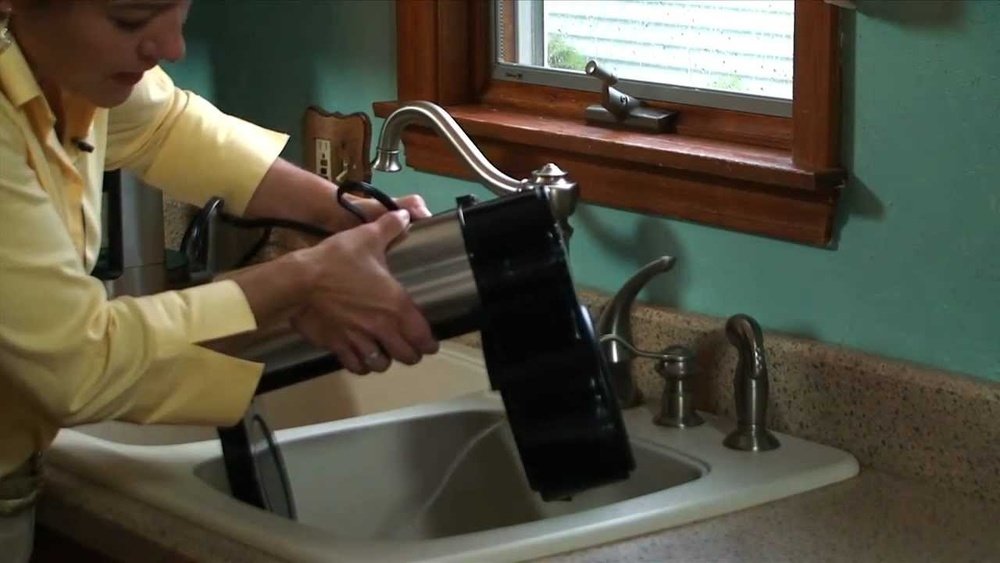
- Carefully pick up the coffee maker and tilt it forward over the sink or container.
- Water will start to flow out from the sprayhead opening. Let it drain until the flow stops.
For most home models, this will remove almost all water from the internal tank. If your model has a bottom drain plug, see the next section.
Pro Tip: Get Every Last Drop
Even after draining, a small amount of water might remain. To get it out:
- Hold the machine upside-down for a minute.
- Gently shake the unit from side to side.
- This helps any trapped water escape.
Be careful not to shake too hard or drop the unit. Bunn machines are sturdy, but rough handling can cause leaks.
Step 6: Wipe And Reassemble
After draining:
- Use a soft cloth to wipe up any spills.
- Screw the sprayhead back on.
- Replace the brew funnel and carafe.
Now your machine is ready for cleaning, moving, or storage.
Draining Bunn Commercial Models (with Drain Plug)
Some commercial Bunn machines have a bottom drain plug. Here’s how to use it:
- Unplug and cool the machine.
- Place a container under the drain plug (usually at the back or bottom).
- Use a screwdriver to remove the plug.
- Let water drain out.
- Replace the plug tightly before using the machine again.
Always check your model’s manual before opening the drain plug. Some plugs are small and easy to lose.
What To Do After Draining
Once your Bunn coffee maker is drained, you may want to:
- Clean the internal tank: Pour a mix of vinegar and water into the reservoir, let it sit, then drain again.
- Descale the machine: Use a descaling solution to remove minerals.
- Store the machine: Keep it in a dry place with the lid open to avoid mold.
- Transport or ship: Pack the unit upright and label as “drained.”
Draining is just one part of full maintenance. Many users forget to clean or descale, which affects the taste and performance of your coffee maker.

Credit: www.walmart.com
Common Mistakes When Draining A Bunn Coffee Maker
It’s easy to make small errors that can cause problems later. Here are some to watch out for:
- Forgetting to remove the sprayhead: This blocks airflow and keeps water trapped inside.
- Not letting the machine cool: Hot water can cause burns or crack the tank if drained too soon.
- Skipping the tilt: Leaving the machine upright doesn’t remove all water.
- Losing the drain plug: On commercial models, always keep track of small parts.
- Forgetting to reassemble: Make sure all parts are back in place before brewing again.
Understanding these mistakes can save you time and money. Even experienced users sometimes forget these steps.
How Often Should You Drain Your Bunn Coffee Maker?
The right frequency depends on how you use your machine:
| Usage Type | Drain Frequency |
|---|---|
| Daily Home Use | Every 3-6 months, or before deep cleaning |
| Occasional Use | After each period of use, or before storage |
| Commercial Use | Monthly, or before moving the machine |
If you’re going on vacation, or won’t use the machine for a while, it’s wise to drain it. For daily use, draining a few times a year is enough.

Credit: www.wikihow.com
Practical Tips For A Smooth Draining Process
Even if you follow the steps, these extra tips can make the job easier and safer:
- Use a towel underneath: Bunn machines can drip from the base during tilting.
- Work over a sink: This prevents mess and makes cleanup easier.
- Check for leaks: After draining and reassembling, run a test brew with just water to check for leaks.
- Label your machine: If you drain for storage or shipping, tape a note on the machine to remind yourself it’s empty.
Many users forget to check for leaks before using the machine again, leading to unexpected puddles.
Cleaning The Internal Tank After Draining
Draining is not the same as cleaning. Over time, minerals and coffee oils can build up inside the tank. Here’s how to clean it after draining:
- Mix equal parts white vinegar and water.
- Pour the solution into the reservoir.
- Let it sit for 15-30 minutes.
- Tilt and drain as before.
- Rinse by running 2-3 full tanks of clean water through the machine.
Never use harsh chemicals or abrasive brushes inside the tank. Vinegar works well for most mineral deposits.
When To Drain Versus When To Descale
Draining removes standing water. Descaling removes mineral buildup (like calcium and lime). Both are important, but serve different purposes.
- Drain when storing, moving, or after long periods of non-use.
- Descale every 3-6 months, or if you notice slower brewing or strange tastes.
If you live in an area with hard water, descale more often. For more on water quality and coffee makers, see the official Bunn resources.
Comparing Draining Bunn To Other Brands
Bunn’s internal hot water tank means draining is a bit different compared to other coffee makers.
| Brand | Draining Method | Internal Hot Water Tank? |
|---|---|---|
| Bunn | Tilt and drain via sprayhead or plug | Yes |
| Keurig | Empty reservoir only | No |
| Mr. Coffee | Empty carafe and reservoir | No |
| Cuisinart | Empty reservoir; some with rinse cycles | No |
This unique feature is why Bunn makes coffee so fast—but also why draining it fully is important.
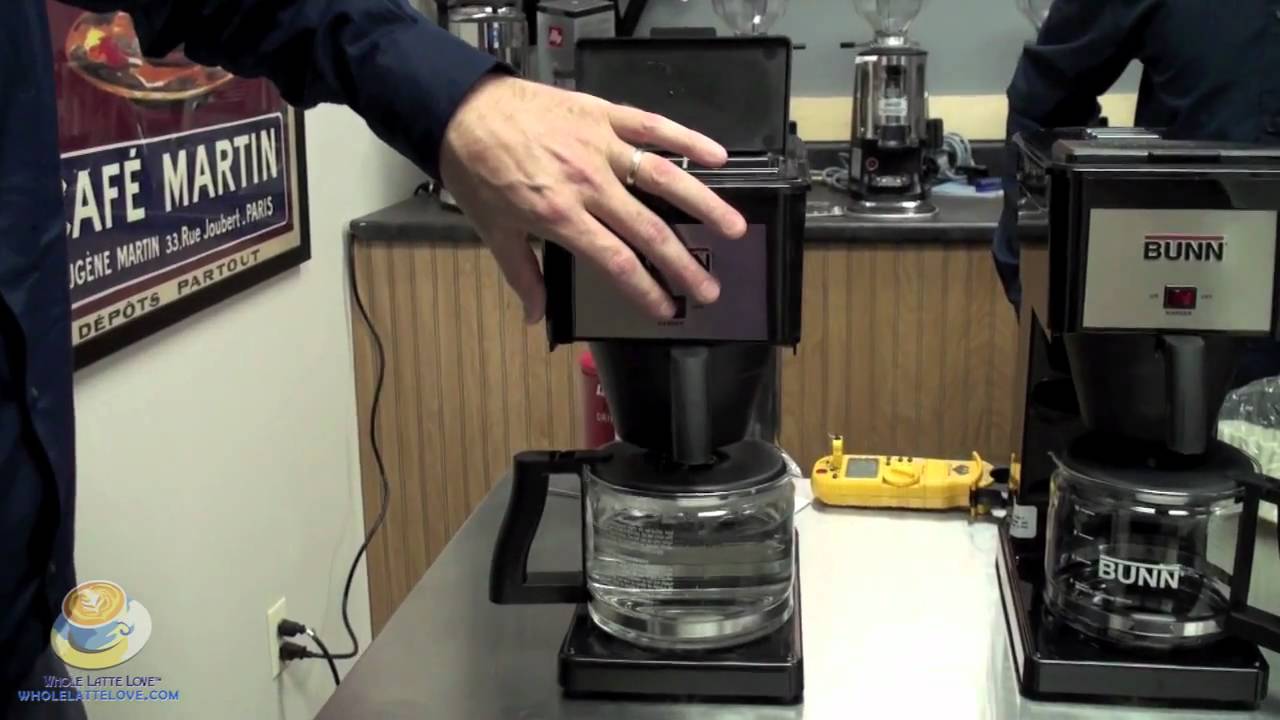
Credit: www.youtube.com
Troubleshooting: If Water Won’t Drain
Sometimes, you might notice that no water comes out, or only a little trickles from the tank. Here’s what to do:
- Check that the sprayhead is removed. Air can’t get in otherwise.
- Tilt the machine further. More angle helps gravity do its work.
- Try a gentle shake. This can release trapped water.
- Check for blockages. Mineral scale or coffee grounds can block the opening.
- See your owner’s manual. Some commercial models require a special tool.
If you still can’t drain it, contact Bunn’s customer service for help. Don’t use sharp objects to poke inside the tank—this can damage the lining.
Storing Your Bunn Coffee Maker After Draining
Proper storage keeps your machine safe and ready for next use.
- Leave the lid open: This lets air circulate and prevents mold.
- Keep in a dry, cool place: Avoid garages or basements where moisture can collect.
- Wrap cords safely: Secure power cords with a twist tie.
- Label as drained: A simple sticky note can prevent confusion later.
Never store a Bunn coffee maker with water inside, especially in places where temperatures drop below freezing.
Why Some Water May Remain (and Why It’s Ok)
Even after careful draining, a few drops may stay inside. Bunn designs their tanks with safety in mind, and a tiny bit of water does not harm the machine. Just avoid storing it for months with any standing water.
If you want to be extra thorough, repeat the tilt and shake step, or leave the machine upside-down overnight on a towel.
Real-world Example: Draining Before Moving
Let’s say you’re moving to a new home. Here’s how draining your Bunn coffee maker can save you hassle:
- Prevents leaks in moving boxes
- Protects the tank from freezing
- Avoids mold if you can’t unpack quickly
One customer reported water damage in a moving truck because they forgot to drain their machine. A five-minute drain could have avoided the problem.
The Science Behind The Internal Tank
Bunn’s always-hot tank is made from stainless steel. It holds about 50 ounces (1. 5 liters) of water at 200°F (93°C). This design means you can brew a full pot in about 3 minutes.
However, because the tank is sealed, water won’t easily evaporate or drain unless you tilt the machine and let air in. Many users don’t realize how much water stays inside after normal brewing.
Extra Tips For Commercial Bunn Machines
If you’re working with a commercial Bunn (like the VPR or CWTF):
- Use the drain plug: These models often include a special drain at the back or bottom.
- Wear gloves: Commercial units are heavier and can have sharper edges.
- Check local health codes: Some states require full draining and cleaning daily in restaurants.
- Keep spare parts: Commercial models have more parts to keep track of.
If you’re unsure about your model, the serial number (on a sticker or plate) can help you find the right manual or instructions.
Frequently Asked Questions
How Do I Know If My Bunn Coffee Maker Is Fully Drained?
After tilting and draining, you should see no more water coming out from the sprayhead opening or drain plug. Holding the machine upside-down for a minute and seeing no more drips is a good sign. If you hear sloshing inside, repeat the draining steps.
Is It Safe To Leave Water In My Bunn Coffee Maker?
It’s safe to leave water for a few days, but not for long periods. Stagnant water can cause bacteria and mineral buildup. Drain the machine if you won’t use it for a week or more, or before storing/moving.
Can I Use Vinegar To Clean The Tank After Draining?
Yes, white vinegar is safe and effective for removing mineral deposits inside the tank. Mix equal parts vinegar and water, pour in, let sit, then rinse thoroughly by running clean water through 2-3 times. Never use bleach or harsh chemicals.
What Should I Do If My Machine Leaks After Draining And Refilling?
Leaking may happen if parts aren’t put back correctly. Check the sprayhead, brew funnel, and (on commercial models) the drain plug. Make sure everything is tight. If leaks continue, inspect for cracked seals or call Bunn customer service.
How Long Does It Take To Drain A Bunn Coffee Maker?
The whole process takes about 5-10 minutes, plus cooling time if the machine was just used. Most water drains out in 1-2 minutes after tilting, but waiting longer ensures you get every last drop.
Draining your Bunn coffee maker is a simple but important task for anyone who wants great coffee and a long-lasting machine. With the right steps and a few practical tips, you can keep your Bunn in top shape for years to come.