
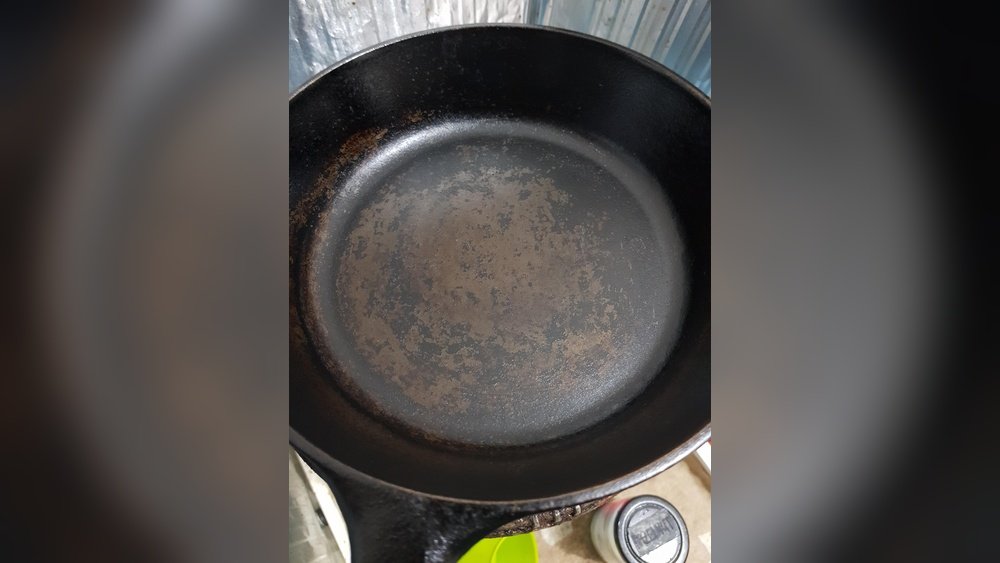
When you cook with cast iron, you expect smooth, non-stick performance and delicious results. But sometimes, your pan develops uneven seasoning—those annoying patches where food sticks, or the surface looks blotchy and dull. Many home cooks struggle with this, and it can make you question if you’re caring for your skillet the right way. The good news? Uneven seasoning is almost always fixable, and you don’t need to be a professional chef to restore your pan.
In this guide, you’ll discover practical steps to fix uneven seasoning on cast iron. You’ll learn why it happens, how to spot it, and get easy-to-follow methods to bring your pan back to life. Along the way, you’ll find real examples, helpful tables, and answers to common questions—so you can cook with confidence and enjoy the best from your cast iron.
What Is Seasoning On Cast Iron?
Seasoning is more than just oil on your skillet. It’s a layer of polymerized oil—oil that’s been heated until it forms a hard, shiny, non-stick coating. This layer protects your pan from rust and makes cooking and cleaning much easier.
When seasoning is even, your pan will look dark and smooth. Food slides around easily, and you see a subtle shine. If seasoning is uneven, you’ll notice dull spots, sticky patches, or even rust in some areas.
Why Does Seasoning Become Uneven?
Seasoning can become uneven for many reasons:
- Using too much oil during seasoning
- Not heating the pan enough
- Cooking acidic foods (like tomatoes) before the seasoning is strong
- Scrubbing with harsh cleaning tools
- Water left sitting on the pan
Knowing these causes helps you avoid future problems and fix your pan the right way.
How To Identify Uneven Seasoning
Before you fix anything, you need to know what you’re dealing with. Uneven seasoning usually looks like:
- Dull, gray areas: These spots might feel rough and food sticks easily.
- Sticky or gummy patches: Too much oil or not enough heat causes this.
- Flaking: The coating lifts off in small pieces.
- Rust spots: Orange or brown spots mean the protection is gone.
Gently run your hand over the pan. An evenly seasoned pan feels smooth and almost glassy. If you feel bumps, ridges, or sticky areas, you have uneven seasoning.
Tools And Materials You’ll Need
Restoring cast iron doesn’t require fancy tools. Here’s what you’ll need for most fixes:
- Mild dish soap (optional, for first cleaning only)
- Non-scratch scrub pad or stiff brush
- Paper towels or lint-free cloths
- Vegetable oil, flaxseed oil, or grapeseed oil (for seasoning)
- Oven (if possible)
- Aluminum foil (to catch drips)
- Fine steel wool (for heavy rust or flaking)
- Plastic scraper (for stuck-on food)
Don’t use olive oil—it smokes at low temperatures and can get sticky.
Step-by-step Guide: Fixing Uneven Seasoning
Fixing your pan depends on the level of unevenness. Sometimes, you need a simple touch-up. Other times, you may need to strip and reseason the whole pan. Let’s break down the methods.
1. Touching Up Small Uneven Spots
If most of your pan is fine, but there are a few dull or sticky areas, a quick fix will often work.
- Wash the Pan: Use hot water and a small amount of mild dish soap. Scrub sticky spots with a non-scratch pad.
- Dry Thoroughly: Place the pan on a burner for a few minutes to drive off all water.
- Apply Oil: Pour a teaspoon of oil onto a paper towel. Rub it into the bare or dull spots. Wipe off ALL excess—your pan should look almost dry.
- Bake: Place the pan upside down in a 450°F (232°C) oven for one hour. Put foil on a lower rack to catch drips.
- Cool in Oven: Turn off heat and let the pan cool inside. This helps the seasoning set.
Repeat this process 2-3 times if needed.
Non-obvious insight: Wiping off *all* excess oil is critical. Too much oil leads to sticky spots and uneven results. Less is more.
2. Fixing Sticky Or Gummy Seasoning
Sticky seasoning happens when oil hasn’t been fully baked on or was applied too thickly.
- Scrub the Sticky Area: Use a non-scratch scrub pad and hot water. If it’s stubborn, use a little dish soap (this is the one time it’s okay).
- Dry Completely: Heat on the stove to remove moisture.
- Lightly Oil and Bake: As above, apply a thin layer of oil and bake at 450°F (232°C) for one hour.
If the sticky areas remain, you may need to strip the seasoning and start over.
3. Removing Rust Spots
Rust means your seasoning layer has broken down. Small spots are easy to fix.
- Scrub Rust: Use fine steel wool and water. Remove all rust until shiny metal shows.
- Rinse and Dry: Rinse with water and heat to dry completely.
- Re-season Bare Spots: Oil and bake as described before.
Tip: Never let your pan air dry. Water is cast iron’s enemy.
4. Fixing Flaking Or Peeling Seasoning
If your seasoning is flaking, it means layers didn’t bond well. This usually happens if oil was applied too thickly, or the pan wasn’t cleaned properly before seasoning.
- Remove Loose Seasoning: Scrub with steel wool until you reach a stable, smooth surface.
- Wash and Dry: Clean with hot water, dry on the stove.
- Re-season: Apply a thin layer of oil and bake as above.
If large areas are affected, you may want to strip and reseason the whole pan.
5. Full Strip And Reseason (severe Cases)
Sometimes, the best way to fix uneven seasoning is to start over. This sounds dramatic, but it isn’t hard.
How To Strip Old Seasoning
You have a few options for removing all seasoning:
- Oven self-clean cycle: Place pan upside down in your oven. Run the self-clean cycle. The high heat burns off old seasoning. (Check your oven’s manual first.)
- Lye bath: Submerge the pan in a lye solution (1 cup lye to 1 gallon water) for 24-48 hours. Wear gloves and eye protection.
- Easy-Off oven cleaner: Spray the pan, seal in a plastic bag for 24 hours, then scrub clean. Rinse carefully.
For most home cooks, the self-clean cycle or oven cleaner is easiest.
Reseasoning Steps
- Scrub Bare Metal: Use steel wool to remove any rust or residue.
- Rinse and Dry: Heat to remove water.
- Apply Oil: Use a paper towel to rub a very thin layer of oil over the whole pan, inside and out.
- Bake Upside Down: Place in a 450°F (232°C) oven for one hour.
- Cool in Oven: Let pan cool before removing.
- Repeat 3-4 Times: Multiple thin layers build a stronger, more even seasoning.
Non-obvious insight: Never use animal fats (like bacon grease) for the first seasoning layers—they can leave a sticky residue. Once your seasoning is strong, then cook with these for extra flavor.
Comparing Oils For Seasoning
Not all oils are equal. Here’s a comparison of common oils used for cast iron seasoning:
| Oil Type | Smoke Point (°F) | Seasoning Quality | Common Issues |
|---|---|---|---|
| Flaxseed Oil | 225 | Very hard, durable layer | Can flake if overapplied |
| Grapeseed Oil | 420 | Strong, smooth finish | Expensive |
| Vegetable Oil | 400-450 | Good, reliable | May leave sticky spots if too thick |
| Canola Oil | 400 | Even, easy to find | Can be sticky if not wiped well |
| Crisco (Shortening) | 360 | Decent for touch-ups | Not as durable |
For most home cooks, grapeseed oil or vegetable oil is best. Flaxseed oil works well but is tricky—thin layers are crucial.
Seasoning Maintenance After Repair
Once you’ve restored your pan, keep the seasoning even and strong with good habits.
- Clean after each use: Wipe with a paper towel, rinse with hot water, scrub off stuck bits with salt if needed.
- Dry immediately: Heat on the stove to remove moisture.
- Apply a light oil layer: Rub a drop of oil on the pan when warm, then wipe off all excess.
- Store in a dry place: Avoid stacking with other pans unless you use a paper towel between them.
Avoid soaking your pan or using the dishwasher. These steps help prevent future uneven seasoning.

Credit: www.reddit.com
Common Mistakes That Cause Uneven Seasoning
Many people make the same errors when seasoning cast iron. Here’s what to avoid:
- Using too much oil: Leads to sticky, uneven layers.
- Not heating long enough: Oil must reach smoke point to bond to the metal.
- Using the wrong oil: Low smoke point oils (like olive oil) stay sticky.
- Not cleaning well before seasoning: Old food or rust under the oil causes flaking.
- Skipping maintenance: Leaving water or not applying oil after use damages seasoning.
- Cooking acidic foods too soon: Tomato-based or vinegar dishes strip weak seasoning.
If you avoid these mistakes, your seasoning will stay smooth and even.
When To Seek Help Or Replace Your Pan
Most cast iron problems are fixable at home. However, if your pan has deep cracks, warping, or large chunks of metal missing, it may be unsafe to use. If you find these issues, consider replacing the pan.
For rare, valuable pans, you can also find professional restoration services. Some antique cookware shops or collectors offer this.
Troubleshooting Uneven Seasoning: Real-world Examples
Let’s look at a few common scenarios and how to fix them.
Scenario 1: Sticky Pan After Seasoning
You just seasoned your pan, but it feels sticky and food sticks.
- What happened: Too much oil or not enough heat.
- Fix: Scrub sticky areas with hot water and a non-scratch pad. Dry, then reseason with a very thin oil layer, baking at 450°F for one hour.
Scenario 2: Patches Of Rust After Washing
You see orange spots after washing your pan.
- What happened: Pan wasn’t dried completely.
- Fix: Scrub rust with steel wool, rinse, and dry on the stove. Apply a thin oil layer and bake.
Scenario 3: Dull Spots After Acidic Food
You made chili or tomato sauce, and now there are dull, gray spots.
- What happened: Acid stripped the seasoning.
- Fix: Clean, dry, and apply a thin oil layer to affected areas. Bake as before.
Scenario 4: Flaking Seasoning
Pieces of black seasoning come off when you wipe or cook.
- What happened: Too many thick layers, or not cleaned well before seasoning.
- Fix: Scrub loose seasoning off with steel wool, clean, dry, and reseason.
Scenario 5: Splotchy Appearance After Reseasoning
Your pan looks streaky or patchy after restoring it.
- What happened: Oil wasn’t spread evenly.
- Fix: Apply a thin layer of oil, making sure to cover all areas evenly, and bake again.
How To Build Up A Strong, Even Seasoning Layer
Seasoning is a process—it gets better with time and use. Here’s how to build an even layer:
- Cook fatty foods: Fry bacon, sausage, or potatoes for the first few meals after reseasoning. These release natural fats that help build seasoning.
- Avoid acidic or watery foods: Stick to dry heat and fats until the seasoning is well-developed.
- Wipe and oil after each use: Keeps the seasoning layer strong.
- Be patient: Good seasoning takes several uses to become perfect.
The more you use your cast iron, the better the seasoning will get.
Comparing Quick Fixes Vs Full Reseason
Sometimes you wonder: should you just touch up a spot, or strip the whole pan? Here’s a simple comparison:
| Situation | Touch-Up | Full Reseason |
|---|---|---|
| Small dull or rusty spots | ✔️ | |
| Sticky patches | ✔️ | |
| Widespread flaking | ✔️ | |
| Pan looks gray overall | ✔️ | |
| Old, inherited pan with unknown history | ✔️ | |
| Just a spot after cooking | ✔️ |
When in doubt, start with a touch-up. If that doesn’t work, move to a full reseason.
How Long Does It Take To Fix Uneven Seasoning?
The time needed depends on the method:
- Touch-ups: 1-2 hours (includes cooling)
- Full reseason: 4-6 hours (includes multiple baking cycles and cooling)
- Complete strip with lye or oven cleaner: Up to 48 hours (most of that is soaking time)
Remember, seasoning gets better with use. Even after repair, your pan will improve over weeks of regular cooking.

Credit: www.youtube.com
Essential Tips For Long-term Success
- Always dry your pan with heat, not just a towel.
- Use only a few drops of oil for maintenance.
- Don’t panic if you see a spot—cast iron is very forgiving.
- Cook often: The more you use your pan, the better it will perform.
Cast Iron Myths That Lead To Uneven Seasoning
Some myths can actually make your seasoning worse. Don’t fall for these:
- “Never use soap.” Mild soap is fine for deep cleaning or after stripping, just rinse well and reseason.
- “More oil is better.” Too much oil is the #1 cause of sticky, uneven seasoning.
- “You must season every time you use the pan.” Wiping with a tiny bit of oil after cleaning is enough for maintenance.
If you want to read more about the science of cast iron seasoning, check out this helpful resource: Wikipedia: Seasoning (Cookware).

Credit: cooking.stackexchange.com
Frequently Asked Questions
What Is The Best Oil For Seasoning Cast Iron?
The best oils are those with a high smoke point, such as grapeseed oil or vegetable oil. Flaxseed oil creates a hard layer, but it’s less forgiving if overapplied. Avoid olive oil for seasoning—it’s better for cooking.
How Many Times Should I Season My Cast Iron Pan?
After a full strip, you should apply and bake 3-4 thin layers of oil. For regular maintenance, a light wipe with oil after each use is enough. More layers can be added if the pan looks dull or feels sticky.
Can I Cook Acidic Foods In A Newly Seasoned Cast Iron Pan?
It’s best to avoid acidic foods like tomatoes or vinegar sauces until you’ve built up a strong seasoning layer (after several uses). Acid can strip weak seasoning, making your pan uneven.
Why Does My Pan Get Sticky After Seasoning?
Sticky residue happens if you use too much oil or don’t heat the pan enough. Always apply a very thin layer (just enough to make the surface shiny), and bake at 450°F (232°C) for at least one hour.
Is It Safe To Use A Cast Iron Pan With Uneven Seasoning?
Yes, it’s safe—but food may stick, and rust can develop in bare spots. Fixing uneven seasoning improves cooking performance and protects your pan.
Caring for cast iron is a journey, not a one-time task. By following these steps, you’ll enjoy a pan that performs beautifully for generations. Remember: patience and practice are the keys to perfect, even seasoning. Happy cooking!