
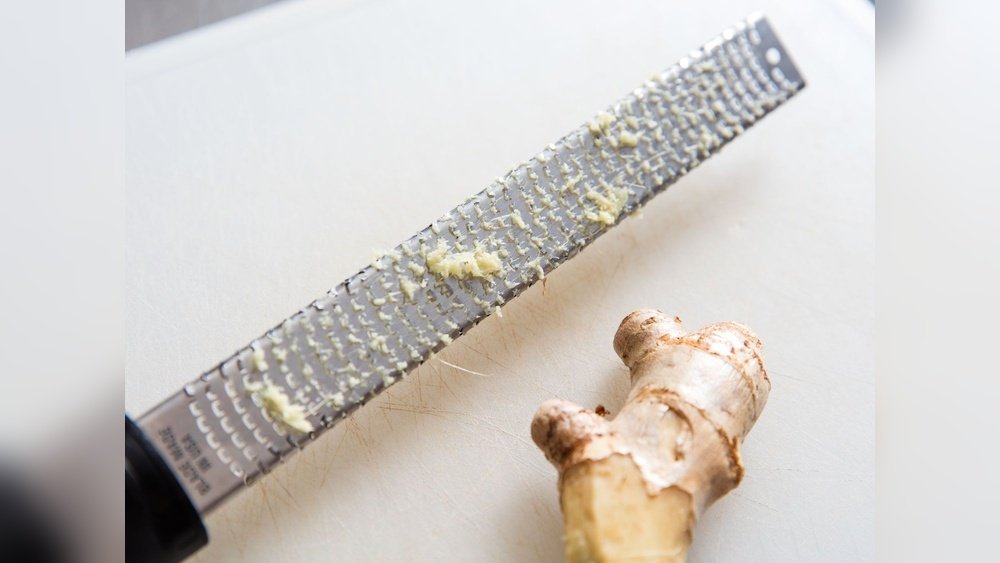
Cleaning a zester may seem like a simple kitchen task, but anyone who’s used this handy tool knows that it can quickly become one of the most stubborn utensils to clean. Tiny bits of zest or cheese get stuck in the sharp holes, leaving you frustrated and your tool less effective. Whether you’re an amateur cook or a culinary enthusiast, knowing how to clean a zester properly keeps your kitchen hygienic and your meals tasting great. In this guide, you’ll learn not only the best techniques for cleaning a zester, but also why it matters, which tools can help, and how to keep your zester in top condition for years.
Why Cleaning Your Zester Matters
A zester is used to finely grate citrus peels, cheese, chocolate, garlic, and spices. Because of its small, sharp holes, it collects food residue easily. When not cleaned properly, a dirty zester can cause several problems:
- Bacteria buildup: Food particles left behind become a breeding ground for bacteria, which can transfer to your next dish.
- Cross-contamination: Mixing flavors unintentionally, like citrus in your cheese, can ruin recipes.
- Tool performance: Dull or clogged blades make zesting harder and less precise.
- Tool lifespan: Rust and corrosion from improper cleaning shorten your zester’s life.
Keeping your zester clean is not just about looks—it’s about safe, tasty food and a tool that lasts.
Types Of Zesters And Their Cleaning Challenges
Zesters come in different shapes and materials, and each presents unique cleaning challenges. Understanding your tool is the first step to cleaning it well.
Microplane Zester
A microplane zester has a long, flat metal surface with tiny razor-like edges. It’s very sharp, making it perfect for fine zest but also easy to trap food inside.
Box Grater With Zesting Side
Many box graters include a side for zesting. These are often thicker and have larger holes, but they still trap food, especially sticky or wet ingredients.
Channel Knife
A channel knife creates strips of zest rather than fine shavings. While easier to clean, the sharp groove can still hold oils and residue.
Ceramic Zester
Some zesters are made from ceramic. They don’t rust but can develop stubborn stains if not cleaned quickly.
Stainless Steel Vs. Plastic
- Stainless steel is durable and resists rust, but must be dried completely.
- Plastic zesters are lightweight but can stain and hold odors more easily.
Cleaning Comparison Table
Here’s a quick look at how common zester types compare for cleaning difficulty:
| Zester Type | Cleaning Difficulty | Common Issues |
|---|---|---|
| Microplane | High | Stuck zest, finger risk |
| Box Grater (zest side) | Medium | Stuck cheese, large holes |
| Channel Knife | Low | Oil residue |
| Ceramic Zester | Medium | Stains, fragile |
| Plastic Zester | Medium | Odors, staining |
Essential Tools And Supplies For Cleaning A Zester
Cleaning a zester well means using the right tools. Here’s what you should have ready:
- Dish soap: Cuts through oils and softens stuck food.
- Small brush: A toothbrush or dedicated kitchen brush helps reach into tiny holes.
- Toothpick or skewer: For poking out stubborn bits of zest.
- Sponge or dishcloth: For wiping flat surfaces.
- Dish gloves: Protect hands from sharp edges.
- White vinegar: Dissolves mineral deposits and food stains.
- Baking soda: Acts as a gentle abrasive for tough stains.
- Hot water: Loosens dried food quickly.
Pro tip: Keep a small brush near your dish rack just for cleaning graters and zesters. It makes regular cleaning much easier.
Step-by-step Guide: How To Clean A Zester
A zester needs special attention after every use. Here’s a detailed cleaning process:
1. Act Quickly
Don’t let zest or cheese dry on your zester. Rinse or soak it as soon as you’re done. Dried bits are much harder to remove.
2. Rinse Under Hot Water
Hold the zester under hot running water. Use the water pressure to push out loose particles from both sides.
3. Use A Brush
Take a small brush and scrub both sides of the zester. Move the brush in the same direction as the grating holes to avoid injury and get deep into the teeth.
4. Soap And Scrub
Add a drop of dish soap to the brush or sponge. Scrub gently but thoroughly, focusing on the holes and edges.
5. Tackle Stubborn Bits
If zest or cheese is still stuck:
- Use a toothpick or skewer to poke out the bits.
- For a microplane, try brushing from the back side to push food out.
- Soak the zester in hot, soapy water for 10–15 minutes.
6. Rinse And Inspect
Rinse the zester again. Hold it up to the light to check for any missed pieces. Repeat brushing if needed.
7. Dry Completely
Dry the zester right away with a towel. For stainless steel, this prevents rust. For ceramic or plastic, it stops water spots and odors.
8. Sanitize Occasionally
Every few weeks, soak your zester in a mix of 1 part white vinegar and 3 parts water for 10 minutes. This removes bacteria and mineral buildup.
:max_bytes(150000):strip_icc()/__opt__aboutcom__coeus__resources__content_migration__serious_eats__seriouseats.com__images__2016__06__20160613-cleaning-microplane-grater-vicky-wasik-3-8feaa792dc9843b29ebb9838d11e1425.jpg)
Credit: www.seriouseats.com
Deep Cleaning Techniques For Stubborn Residue
Sometimes, regular washing isn’t enough. When your zester has stubborn stains or dried food, try these advanced cleaning methods.
Baking Soda Paste
Mix 1 tablespoon of baking soda with a little water to make a thick paste. Spread this on the zester and let it sit for 10 minutes. Scrub with a brush and rinse well. Baking soda lifts stains without scratching.
Vinegar Soak
For mineral deposits or sticky residue, soak the zester in warm white vinegar for 20 minutes. Scrub and rinse. Vinegar dissolves minerals and breaks down sticky oils.
Dishwasher Use: Yes Or No?
Most stainless steel zesters are dishwasher safe, but hand washing is often better. The dishwasher can miss small bits stuck in the teeth and may dull sharp edges over time. If you use a dishwasher:
- Place the zester upright in the utensil basket.
- Rinse thoroughly before and after the cycle.
Ceramic and plastic zesters may warp or crack in the dishwasher, so check the manufacturer’s advice first.
Cleaning After Zesting Sticky Foods
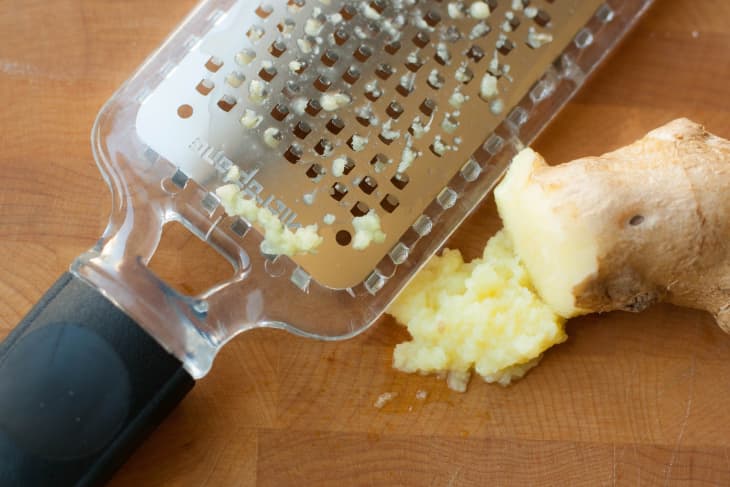
Sticky foods like ginger, chocolate, or aged cheese need extra care:
- Rinse immediately after use.
- Use hot water and a brush to push out sticky particles.
- Add a little oil (such as vegetable oil) to the zester, then wash with soap. Oil helps break down sticky residue.
How To Clean A Zester Safely
Zesters are sharp! Always protect your fingers while cleaning. Here’s how:
- Wear dish gloves for a better grip and to protect your skin.
- Always brush away from your hand, not toward it.
- For microplanes, hold the handle and stand the zester upright in the sink. Scrub downward.
- Never use your fingers to pick out food from sharp holes.
If you have children helping in the kitchen, supervise them closely when cleaning a zester.
Preventing Buildup: How To Keep Your Zester Cleaner, Longer
The best way to clean a zester is to prevent stubborn messes in the first place. Try these tips:
- Rinse immediately after each use, even before washing dishes.
- Lightly oil the zester before zesting sticky foods—this helps food slide off.
- Dry the zester right after washing.
- Store in a dry place, not with wet utensils.
- For citrus zest, rub a lemon wedge over the zester after use to help remove oils.
Common Mistakes When Cleaning A Zester
Even experienced cooks sometimes struggle with zester care. Avoid these common errors:
- Waiting too long to clean, letting food dry and harden.
- Using a sponge only—sponges can’t clean the holes well.
- Skipping drying, which leads to rust or water spots.
- Cleaning with bare hands, risking cuts.
- Assuming the dishwasher does all the work.
By avoiding these mistakes, you’ll keep your zester performing like new.
How Often Should You Clean Your Zester?
You should clean your zester after every use. Even if it looks clean, tiny food particles and oils can remain. For best results:
- Wash thoroughly after each use.
- Sanitize monthly with vinegar, especially if zesting strong-smelling foods like garlic.
Caring For Your Zester: Storage And Maintenance
A well-cared-for zester will last for years. Follow these simple care rules:
- Store separately from other utensils to protect the sharp edges.
- Keep it in a dry spot to prevent rust and mold.
- If your zester came with a protective cover, use it.
- Sharpen the blades if your model allows—most home zesters do not, but some professional versions do.
Pro tip: If your zester gets bent or dull, it’s time to replace it. A dull zester is not only hard to use, but also less safe.

Credit: www.reddit.com
Cleaning A Zester In Professional Kitchens
Professional chefs use zesters every day, and they have strict cleaning routines:
- Zesters are rinsed immediately after use.
- Staff use dedicated brushes for each type of grater.
- Tools are checked for cleanliness under bright light.
- Any tool with stubborn residue is set aside for deep cleaning.
This attention to detail keeps food safe and flavors pure.
How To Remove Odors From Your Zester
Sometimes your zester holds onto strong smells, especially after garlic or citrus. Here’s how to remove odors:
- Rub the zester with a cut lemon or baking soda paste.
- Rinse and dry thoroughly.
- For tough odors, soak in a mixture of vinegar and water.
Eco-friendly Cleaning For Zesters
If you want to avoid harsh chemicals, eco-friendly cleaning works well:
- Use baking soda and white vinegar instead of commercial cleaners.
- Choose biodegradable dish soap.
- Use a reusable brush and dishcloth.
These methods are gentle on your zester and the environment.
Zester Cleaning: Real-life Examples
Let’s see how these tips work in real kitchens:
- Case 1: Dried Lemon Zest Stuck in Microplane
Jane zested lemons in the morning but forgot to wash her microplane. By evening, the zest was dry and hard. She soaked the zester in hot, soapy water for 20 minutes, then used a toothbrush and toothpick to remove every bit.
- Case 2: Cheese Residue on Box Grater Zester
Mike grated aged cheese for pizza. The cheese stuck to his box grater’s small holes. He immediately rinsed under hot water, scrubbed with a brush, and used baking soda paste to remove greasy build-up.
- Case 3: Garlic Smell Won’t Go Away
After zesting garlic, a strong odor remained. Lina rubbed the zester with lemon and baking soda, soaked it in vinegar, and left it to air dry. The smell disappeared.
These examples show that with the right steps, even stubborn messes can be handled.
Credit: www.thekitchn.com
Comparing Zester Cleaning Tools
Not sure which cleaning tools work best? Here’s a side-by-side look at popular options:
| Cleaning Tool | Effectiveness | Best For | Notes |
|---|---|---|---|
| Toothbrush | High | All zester types | Cheap, easy to replace |
| Small kitchen brush | High | Microplane, box grater | Long handle for safety |
| Toothpick/skewer | Medium | Stuck bits | Use gently to avoid bending |
| Sponge | Low | Flat surfaces | Doesn’t reach deep holes |
| Dishwasher | Medium | Stainless steel | Check for missed food |
Non-obvious Tips For Easier Zester Cleaning
Sometimes, small changes make a big difference. Here are two advanced tips many overlook:
1. Use The Back Side For Cleaning
For most microplane zesters, brushing from the back (not the front) can push out stubborn zest more easily. The holes are shaped to grate one way and release the other.
2. Soak In Soapy Water Before Cooking
If you know you’ll need to zest several things (for example, citrus for baking), soak the zester in warm, soapy water right before use. This forms a thin film that helps prevent food from sticking in the first place.
When To Replace Your Zester
Even with great cleaning, zesters don’t last forever. Replace your zester if:
- The blades feel dull or bent.
- It’s rusty or chipped.
- Food gets stuck more often, even after cleaning.
A worn-out zester is frustrating and unsafe. Most home cooks find they need a new zester every 2–4 years, depending on use.
Cleaning Zester For Special Diets And Allergies
If you or your family have food allergies, cleaning your zester becomes even more important. Even a small amount of leftover food can cause a reaction. For allergy-safe cleaning:
- Wash with hot, soapy water right after each use.
- Use a separate brush for allergy-prone foods.
- Consider having a dedicated zester for allergy-friendly cooking.
Professional Recommendations And Standards
Food safety organizations recommend the following for all kitchen tools, including zesters:
- Wash in hot water above 110°F (43°C).
- Use soap and a dedicated brush.
- Dry completely before storing.
- Sanitize with vinegar or a food-safe sanitizer at least once a month.
For more on kitchen safety, see resources from the U.S. Food and Drug Administration.
Frequently Asked Questions
How Do I Clean A Zester Without Cutting Myself?
Always use a brush or a sponge, never your fingers. Wear dish gloves for extra protection. Hold the zester by the handle and brush away from your hand. If using a toothpick, keep your fingers behind the tool.
Can I Put My Zester In The Dishwasher?
Most stainless steel zesters are dishwasher safe, but hand washing is safer and more thorough. Check your zester’s instructions. Avoid the dishwasher for plastic or ceramic zesters, as they may warp or crack.
How Do I Remove Stains From My Zester?
Use a baking soda paste or soak the zester in vinegar. Scrub gently with a brush. For tough stains, repeat the process or try a lemon wedge for natural bleaching.
What Should I Do If Food Is Stuck In The Holes?
Soak the zester in hot, soapy water for 10–20 minutes. Use a toothbrush or toothpick to remove stubborn bits. Brush from the back side if possible.
How Often Should I Sanitize My Zester?
Sanitize your zester once a month or more often if you use it for strong-smelling foods like garlic. Soak in a mix of 1 part vinegar to 3 parts water for 10 minutes, then rinse and dry.
Keeping your zester clean is not just about hygiene—it’s about making every dish taste as fresh as possible and keeping your kitchen tools in top condition. With these tips, your zester will always be ready for action.