
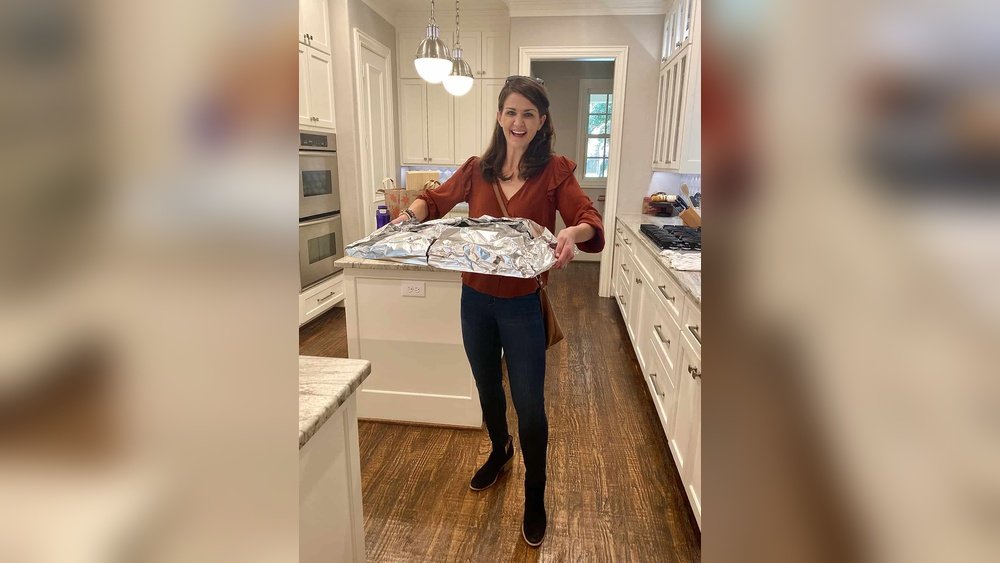
Transporting a charcuterie board can feel like moving a delicate work of art. One wrong move and your carefully arranged meats, cheeses, and fruits may slide, mix, or even spill. Whether you’re taking it to a picnic, a wedding, or a friend’s dinner party, the process needs planning and attention to detail.
Many people focus only on how the board looks, but the real test comes when you need to move it safely from your kitchen to your destination. This guide will help you transport your charcuterie board with confidence and style—no matter the distance or weather.
Understanding Charcuterie Board Basics
Before you think about transportation, it’s important to know what makes a charcuterie board special. The typical board contains a mix of cured meats, cheeses, crackers, fruits, nuts, spreads, and sometimes sweets or pickles. Each ingredient has its own texture, moisture level, and temperature needs. For example, soft cheeses may melt quickly, while crackers can become soggy if exposed to moisture.
The board itself can be wood, slate, plastic, or even ceramic. Some boards have edges, and others are flat. The choice of board affects how you pack and secure the food. A board with raised edges helps keep items from sliding off, while a flat surface allows for a more artistic arrangement but is riskier during transport.
Planning Your Charcuterie Board For Travel
A successful transport starts with smart planning. Think about where you’re going, how long the trip will take, and what the environment will be like when you arrive. Will the board sit outside in the sun? Will it be in a cool, air-conditioned room?
Also consider if the event is formal or casual, as this may affect how you want the board to look upon arrival.
It’s tempting to build your board at home and hope it survives the trip. But sometimes, assembling on-site is the smarter move, especially for longer journeys or outdoor events. You might also consider using ingredients that travel better, such as firmer cheeses and dry-cured meats.
Plan your layout so that heavier items anchor the edges and delicate foods sit in the middle, safe from bumping and sliding.
Choosing The Right Board And Container
The board itself is your foundation, so pick one that fits both your food and your travel needs. Wood is classic and sturdy but can absorb moisture. Slate looks elegant and stays cool, but it’s heavy. Plastic is light and easy to clean, but it may not look as nice for a formal event.
If you’re using your own board, make sure it fits inside your carrying container with room for padding.
Comparing Board Materials
Here’s a quick look at common board materials and how they fare during transport:
| Material | Pros | Cons | Best Use |
|---|---|---|---|
| Wood | Sturdy, classic look | Heavy, absorbs moisture | Short trips, indoor events |
| Slate | Cool, elegant | Fragile, heavy | Formal events, cool climates |
| Plastic | Lightweight, easy to clean | Less formal look | Picnics, casual gatherings |
| Ceramic | Attractive, food-safe | Breakable, heavy | Indoor events, short trips |
Choose a container that gives your board a snug but not tight fit. A cake carrier, roasting pan, or even a pizza box can work. For larger boards, use a shallow plastic storage bin with a locking lid.
Packing Ingredients For Safe Transport
Not all ingredients are equal when it comes to travel. Some foods are easy to move, while others are delicate or temperature-sensitive. Here’s how to pack each major component:
- Cheeses: Pre-slice hard cheeses to save time and space. Wrap each type separately in parchment or wax paper, then plastic wrap. For soft cheeses, keep them in their original packaging until arrival. If you must place them on the board, add a barrier (parchment or a silicone mat) underneath.
- Meats: Roll or fold cured meats and store in airtight containers. If you need to arrange them in advance, separate layers with wax paper to prevent sticking.
- Crackers and Bread: Always keep dry items separate until the last minute. Moisture from meats, cheeses, or fruits can make them soggy.
- Fruits and Vegetables: Wash and dry thoroughly. Slice firm fruits (like apples and grapes) in advance and pat dry. Soft fruits (like berries) should be packed separately and added just before serving.
- Nuts, Olives, and Pickles: Place these in small containers with tight lids. For travel, avoid foods in heavy brine or syrup, as leaks are a common problem.
- Spreads and Dips: Use small, leak-proof jars or containers. Transport these separately to prevent spills.
- Garnishes: Herbs, edible flowers, or small chocolates should be added at the destination for the freshest look.
Assembling The Board For Travel
There are two main ways to handle assembly: build it all at home and secure it well, or pack ingredients separately and assemble on-site. The best method depends on the distance, your time, and the board style.
Building Before Travel
If you need the board ready to present, arrange heavier and firmer items (like cheeses and meats) first. Place drier foods on the edges to form a barrier. Add moist or delicate items (like fruits and spreads) in the center.
Use small bowls for wet foods to keep moisture contained. Cover the entire board tightly with plastic wrap, securing it around the edges.
Assembling On-site
For longer trips, or if you want the board to look perfect, pack each food group in a separate container. Bring your empty board, serving tools, and a small knife. Set up at your destination, arranging everything freshly. This method gives you more control and minimizes the risk of shifting.
Comparison: Building Before Vs. Assembling On-site
| Method | Pros | Cons | Best For |
|---|---|---|---|
| Build Before | Fast setup, ready to serve | Risk of shifting, soggy crackers | Short trips, simple boards |
| Assemble On-Site | Perfect presentation, less risk | More time at destination, extra packing | Long trips, formal events |
Securing The Board For Movement
Once your board is assembled or your ingredients are packed, it’s time to secure everything. This is where many people make mistakes. Here’s how to protect your creation:
- Plastic Wrap: Cover the entire surface tightly, making sure there are no gaps. For extra security, use two layers in opposite directions.
- Elastic Bands or Stretch Netting: Place bands around the board (over the wrap) to hold everything down. Stretch netting, often used for floral arrangements, can also work.
- Parchment Paper: For high stacks, place a sheet of parchment over the top before wrapping to reduce squishing.
- Bubble Wrap or Towels: Line the container or cooler with bubble wrap, kitchen towels, or even a clean blanket for shock absorption.
- Dividers: If your container is large, use rolled towels or cardboard to keep the board from sliding.
- Lid: If using a box or bin, make sure the lid fits tightly but does not press down on the food.

Credit: tabethastable.com
Temperature Control: Keeping Food Fresh
A big challenge when transporting a charcuterie board is keeping everything at a safe temperature. Meats and cheeses can spoil if left warm for too long. Here’s how to manage temperature:
- Ice Packs: Place these under or around your board in the container. Never let them touch the food directly; use a towel as a barrier.
- Coolers: Use a hard-sided or soft-sided cooler for longer trips. Layer ice packs at the bottom, then your board, then more ice packs on top if needed.
- Thermal Bags: For short trips, an insulated grocery bag works well.
- Timing: Try to keep the board out of the fridge for no more than two hours. For outdoor events in summer, cut this time in half.
Food Safety Data
According to the USDA, perishable foods should not be left at room temperature for more than two hours, or one hour if the temperature is above 90°F (32°C). For more information, check the official USDA food safety guidelines.
Traveling By Car, Train, Or Air
How you travel makes a big difference in how you pack and protect your board.
By Car
This is the most flexible option. Place the container flat in the trunk or on the floor, not on a seat. Use non-slip mats or towels underneath to prevent sliding. Avoid stacking heavy items on top of your board.
By Train
Carry your board in a cooler bag or sturdy box. Place it on your lap or the floor, not in overhead storage. If there are sudden stops or bumps, keep one hand on the container.
By Air
Most airlines allow food in carry-on bags, but check the rules for spreads or dips (liquid limits apply). Use a hard-sided cooler for protection. Pack everything as if it might get turned upside down. Assemble the board at your destination if possible.
Dealing With Different Weather Conditions
Weather can ruin your board if you’re not careful. Hot weather melts cheese and wilts fruit, while cold weather can make bread and crackers stale or hard. Here’s how to adapt:
- Hot Weather: Use more ice packs, keep the board in the shade, and choose firmer cheeses and meats. Avoid items that melt or wilt easily.
- Cold Weather: Wrap bread and crackers separately in foil to keep moisture out. If outside, let the board warm up for 10–15 minutes before serving.
- Rain: Use waterproof containers and extra layers of plastic wrap.
Serving At Your Destination
When you arrive, inspect your board before presenting it. Adjust any items that have shifted. Add crackers, bread, fruit, and garnishes at the last minute for the freshest look. If you traveled in hot weather, let the board rest in a cool place before serving.
Always provide serving tools—small tongs, toothpicks, or cheese knives—to keep things tidy and hygienic.
Real-world Examples
Let’s look at two different events to show how these tips work in practice.
Picnic in the Park: Sarah wanted to surprise her friends with a charcuterie board at the park. She built the board at home, packed it in a cake carrier, and added ice packs underneath. She kept crackers in a separate bag. At the park, she re-arranged a few fruits and added fresh herbs. Everything looked and tasted great.
Wedding Reception: Mark was asked to bring a large charcuterie board to a wedding an hour away. He packed meats and cheeses in separate containers, pre-sliced everything, and kept the board empty. On arrival, he quickly assembled the board and added crackers and fruit. The result was a fresh, beautiful spread with no soggy spots or spills.
Two Insights Most Beginners Miss
- Staggered Layering Matters: Place heavier and less perishable items (like blocks of cheese or salami) closer to the edges, and lighter, delicate foods (like berries or thin crackers) in the center. This keeps the board more stable during bumps and turns.
- Moisture Barriers Are Critical: Use small pieces of parchment or lettuce leaves under wet foods (olives, pickles, fresh fruit) to protect crackers and bread from getting soggy. Many beginners forget this, leading to disappointing texture changes.
Common Mistakes And How To Avoid Them
- Overloading the Board: Less is more. Cramming too many items increases the risk of spills.
- Mixing Wet and Dry Foods: Always keep moist foods away from crackers and bread.
- Ignoring Temperature: Even a short trip in a hot car can ruin cheese and meats.
- Forgetting Serving Tools: Always pack toothpicks, cheese knives, or spreaders.
- No Plan for Leftovers: Bring small bags or containers for guests to take home extra food.
Packing For Large Crowds
For big events, consider making several smaller boards instead of one large one. Smaller boards are easier to handle, fit in standard containers, and can be placed at different tables. This also reduces the risk of one big spill ruining everything.
Eco-friendly Tips
- Use reusable containers and wraps instead of single-use plastic.
- Bring a small bag for collecting food scraps or waste.
- Choose boards made from sustainable materials, like bamboo.
Troubleshooting: What To Do When Things Go Wrong
Even with the best planning, accidents can happen. Here’s how to fix common problems quickly:
- Food Shifted: Gently nudge items back into place with a clean utensil.
- Soggy Crackers: Remove and replace with fresh ones from your backup bag.
- Cheese Melted: Slice off the melted part or reshape with a knife.
- Leaks: Wipe the board with a dry napkin and add garnishes to cover any marks.
Credit: www.reddit.com
Advanced Tips For Pros
- Use Edible Flowers: These make a board pop visually and are easy to add last-minute.
- Pre-Portion Dips: Instead of one big bowl, pack several small cups for easy serving.
- Label Ingredients: Use toothpicks with small paper flags to identify cheeses or meats, helpful for guests with allergies or dietary restrictions.
- Seasonal Boards: In winter, use dried fruits and nuts. In summer, choose firmer cheeses and cured meats.
- Stackable Boards: For very large events, use stackable trays separated by parchment to save space.
Final Checklist Before Leaving
- Board and container fit together
- All ingredients prepped and packed
- Ice packs or cooler ready
- Serving tools included
- Crackers and bread packed separately
- Garnishes packed last
- Emergency fix kit (extra napkins, small knife, spare crackers)

Credit: tabethastable.com
Frequently Asked Questions
How Long Can A Charcuterie Board Be Left Unrefrigerated During Transport?
Most meats and cheeses should not be left at room temperature for more than two hours. In hot weather (over 90°F/32°C), this drops to one hour. Always use ice packs or a cooler if your trip is longer.
Can I Use Any Type Of Board For Charcuterie Transport?
It’s best to use a sturdy, non-porous board that fits inside your carrying container. Wood, plastic, and slate are all good choices. Avoid glass or ceramic for long trips, as they break easily.
Should I Pre-slice Everything Before Travel?
Pre-slicing hard cheeses and meats saves time and space, but keep soft cheeses whole until you arrive. Crackers and bread should always be packed separately to prevent sogginess.
What’s The Best Way To Keep My Board Cool?
Use ice packs or a cooler bag. Place a towel between the ice and the food to prevent direct contact. For longer trips, use a hard-sided cooler with layers of ice packs above and below the board.
How Do I Keep The Presentation Looking Fresh?
Add delicate foods, garnishes, and crackers at the last minute. Bring extra herbs or edible flowers to cover any gaps or shifted items. If something moves during travel, gently adjust with a clean utensil before serving.
Transporting a charcuterie board is about smart planning, careful packing, and a little creativity. With these tips, your board will arrive looking beautiful and tasting delicious—no matter where the journey takes you.