
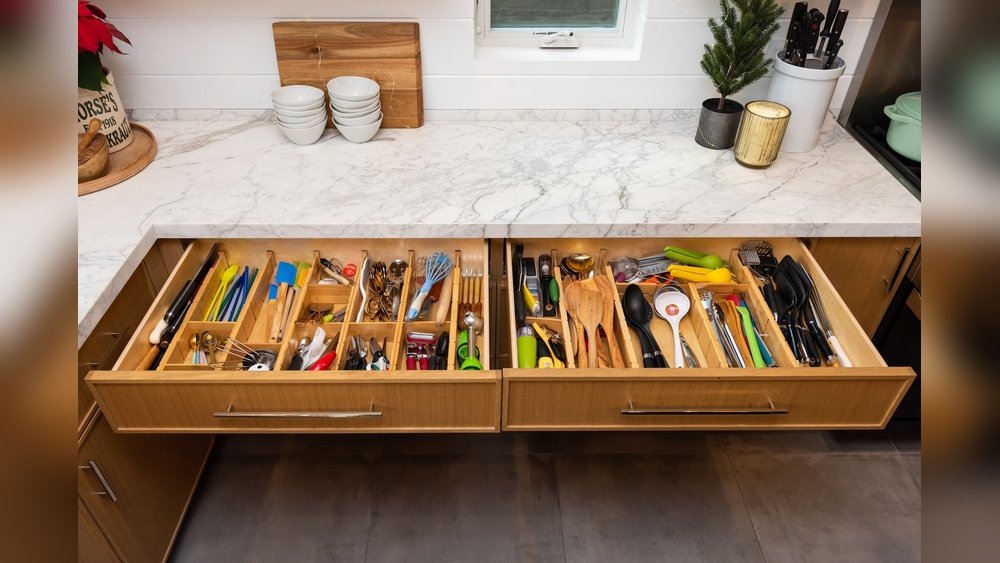
Organizing kitchen drawers can feel overwhelming, especially if you’re not sure where to start. Maybe you open a drawer and find a messy tangle of utensils, plastic containers missing their lids, or spices stacked three rows deep. You’re not alone—most kitchens get messy over time, even for people who love to cook.
But a well-organized drawer saves time, reduces stress, and makes your kitchen more enjoyable to use every day.
Imagine reaching into a drawer and finding exactly what you need, instantly. No more searching for that measuring spoon or digging for a peeler. Organizing your kitchen drawers is not just about tidiness—it’s about making your kitchen work for you.
Whether you have a small kitchen with just a few drawers or a spacious setup with many, the right system brings order to chaos. This guide will walk you through everything you need to know, from planning and decluttering to clever storage solutions and ongoing maintenance.
Along the way, you’ll discover tips that even experienced home cooks sometimes miss, and you’ll learn how to keep your drawers organized for good.
Why Organizing Kitchen Drawers Matters
Many people think kitchen organization is just about appearance, but there’s much more to it. Efficiency is a huge benefit. When your drawers are organized, you move faster and cook with less stress. A study by the National Kitchen and Bath Association found that well-organized kitchens can save up to 30 minutes a day in meal prep and clean-up. Over a year, that’s over 180 hours!
Safety is another important reason. Overfilled or messy drawers make it easy to cut yourself on sharp tools or break fragile items. You’re also less likely to waste food or buy duplicates when you can see what you have.
Finally, organization protects your investment. High-quality knives, utensils, and gadgets last longer when stored properly. Instead of replacing lost or broken items, you keep everything in good condition.
Assessing Your Kitchen Drawers
Before you start moving things around, take a close look at your kitchen. Every kitchen is different, so understanding your space is key.
- Count your drawers. How many do you have? Are they deep or shallow? Wide or narrow?
- Identify problem spots. Which drawers get messy fastest? Where do you always lose items?
- Note your daily routine. Which items do you reach for every day? Which do you rarely use?
Take a few pictures of your drawers before you begin. This helps you see progress and keeps you focused on real improvements, not just moving things around.
Common Drawer Types
Kitchens often have several types of drawers. Here’s a quick overview:
- Utensil drawers: Usually shallow, near the stove for easy access.
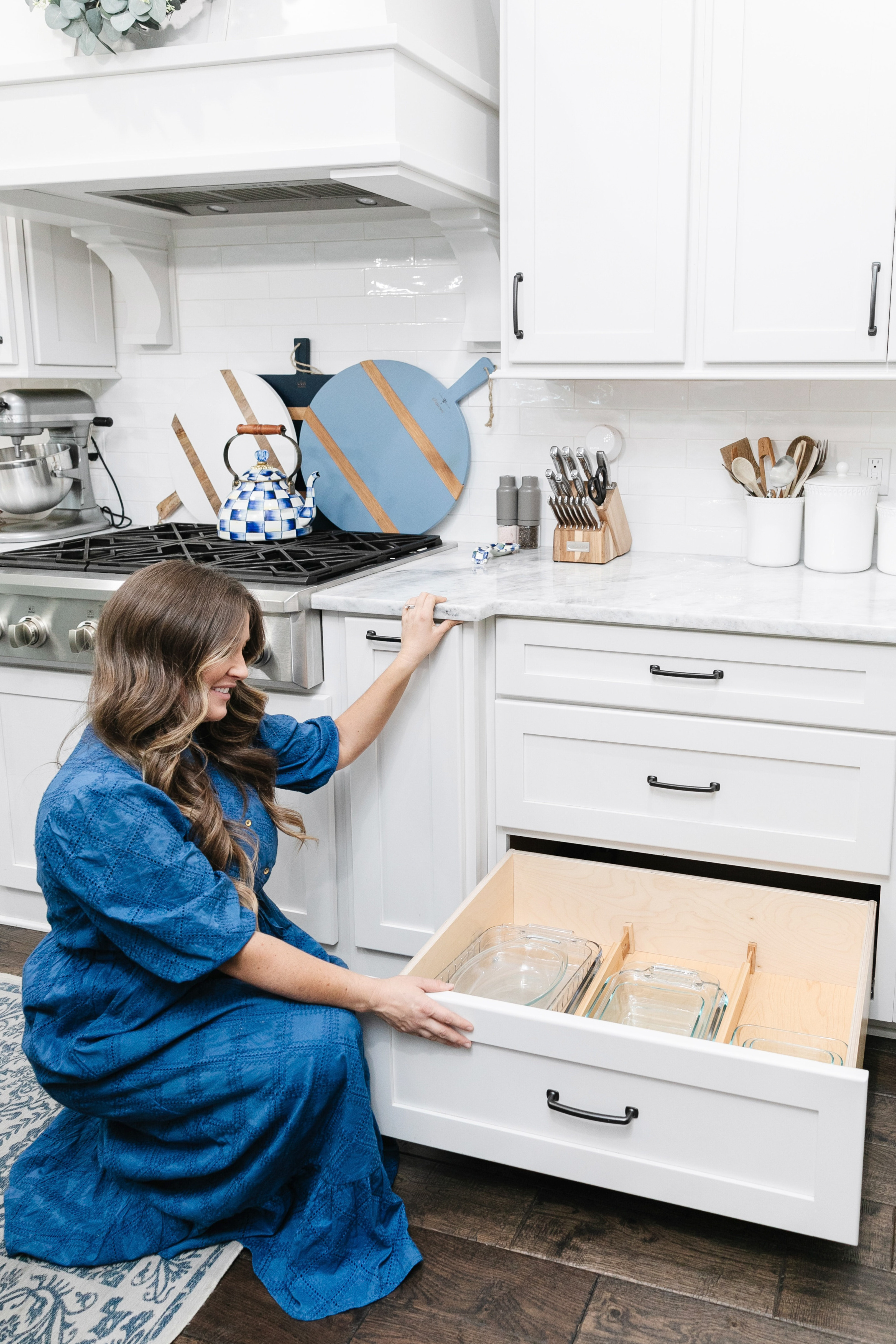
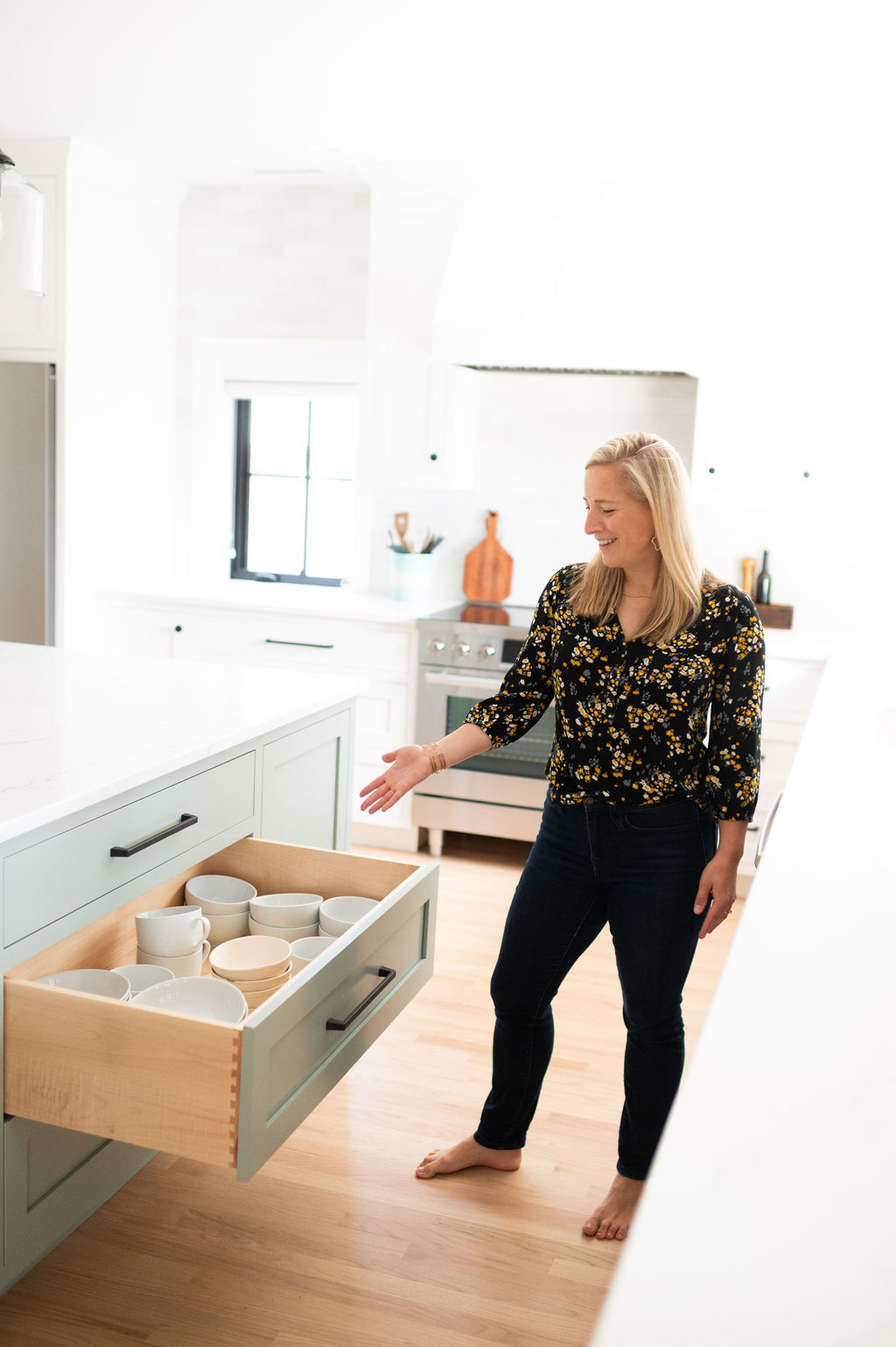
- Deep drawers: Good for pots, pans, and storage containers.
- Junk drawers: Catch-all spots that need extra attention.
- Spice drawers: Narrow and long, designed for seasoning bottles.
Understanding what each drawer is best for helps you plan a system that works with your space, not against it.
Credit: walkinginmemphisinhighheels.com
Decluttering: The First Crucial Step
You can’t organize what you don’t need. Decluttering is about removing what you don’t use, so only useful items go back into your drawers.
- Empty all drawers completely. Lay everything on the counter or a table.
- Group similar items together. Spoons with spoons, lids with lids, gadgets with gadgets.
- Decide what to keep. Ask yourself:
- Have I used this in the past year?
- Do I have duplicates?
- Is it broken or unsafe?
If you’re unsure, set aside “maybe” items in a box. If you don’t use them in the next month, let them go. Donate working items you don’t need—someone else can use them!
Surprising Sources Of Clutter
Many people keep single-use gadgets (like avocado slicers or egg peelers) they never use, or old plastic containers without matching lids. Be honest: if it’s just taking up space, it’s not helping you.
Planning Your Drawer Organization
Now that you’ve reduced clutter, it’s time to plan. Good organization starts with a clear plan, not just buying organizers and hoping they fit.
Group Items By Use
Think about how you cook. Place items near where you use them. For example:
- Cooking utensils (spatulas, spoons, tongs) close to the stove.
- Cutlery near the eating area or prep space.
- Food storage (foil, bags, wraps) near the fridge or prep counter.
- Baking tools (measuring cups, whisks) near your baking area.
This “zone” approach saves time and prevents traffic jams in busy kitchens.
Map Out Drawer Assignments
Write down or sketch which items will go in which drawers. This might seem like extra work, but it makes organizing much easier. You’ll also spot problems, such as too many items for one drawer, before you start.
Selecting Organizers And Inserts
Drawer organizers are key to keeping everything in its place. There are many types, from simple dividers to custom trays. The right choice depends on your needs and budget.
Popular Organizer Types
Here’s a comparison of common drawer organizers:
| Type | Best For | Pros | Cons |
|---|---|---|---|
| Adjustable dividers | Utensils, cutlery, tools | Flexible, fit most drawers | Can shift if not snug |
| Custom trays | Cutlery, flatware | Neat, tailored fit | Expensive, less flexible |
| Bamboo inserts | Utensils, knives | Eco-friendly, sturdy | May not fit all drawers |
| Plastic bins | Small gadgets, packets | Cheap, washable | Can slide around |
| Stackable organizers | Deep drawers | Maximize vertical space | Harder to access bottom |
Sizing And Fit
Always measure your drawers before buying organizers. Many people buy inserts that don’t fit, wasting money and space. It’s better to combine several small organizers than to force one big tray that leaves wasted gaps.
Diy Solutions
If you’re on a budget, you can use shoe boxes, small cartons, or even cut cereal boxes for drawer dividers. Label them with tape for quick identification. These solutions aren’t fancy, but they work well and cost almost nothing.
Organizing Different Kitchen Drawers
Every drawer has its own purpose. Here’s how to organize the most common types for maximum efficiency and order.
1. Utensil Drawers
These drawers hold cooking tools like spatulas, wooden spoons, and ladles. The biggest problem here is clutter—too many tools in one spot.
- Use a utensil tray with separate slots for each type of tool.
- Place the most-used items in front.
- Store only what you use regularly; rarely used tools can go in a less accessible drawer or in a container elsewhere.
If you have too many long tools, consider a countertop crock for overflow items.
2. Cutlery Drawers
Forks, knives, and spoons get messy quickly. A divided insert keeps them separate and easy to grab.
- Choose a tray with enough sections for each type: Forks, spoons, knives, and extras.
- Place child-safe items or special utensils in a separate compartment.
- If you have limited space, stack similar items but don’t mix types.
3. Cooking Gadgets And Tools
Items like peelers, can openers, thermometers, and small whisks can pile up fast.
- Use small bins or adjustable dividers to keep gadgets from sliding.
- Arrange by frequency of use—everyday items in front, specialty tools in back.
- Remove gadgets you haven’t used in six months.
4. Knife Drawers
Storing knives in drawers can be safe if done right. Never just toss sharp knives in with other tools.
- Use a knife tray or knife block insert that holds each knife securely, blade side down.
- If you have only a few knives, a small bamboo block works well.
- Store extra-sharp or specialty knives in blade guards for added safety.
5. Spice Drawers
A spice drawer is great for seeing all your seasonings at once, but bottles can easily tip over.
- Use a tiered spice insert or angled rack to keep labels visible.
- Store spices alphabetically or by cuisine (Italian, Mexican, Asian, etc. ).
- Check expiration dates twice a year—old spices lose flavor and take up space.
6. Food Storage Containers
Plastic and glass containers are essential, but they often end up jumbled with missing lids.
- Dedicate one deep drawer to containers and another to lids if possible.
- Use lid organizers or small bins to keep lids sorted by size.
- Nest containers inside each other, with lids stored vertically for easy grabbing.
A common mistake is keeping extra containers “just in case. ” Limit your collection to what you use weekly.
7. Baking Tools
Baking pans, measuring cups, whisks, and rolling pins need their own home.
- Store flat items like sheets and pans vertically using dividers in a deep drawer.
- Use shallow bins for small items like cookie cutters or cupcake liners.
- Keep measuring tools together near flour, sugar, and baking supplies.
8. Junk Drawer
Almost every kitchen has a junk drawer. The key is to give it boundaries.
- Use small bins or adjustable dividers for batteries, tape, scissors, and pens.
- Limit what goes in this drawer to true “must-haves.”
- Clean it out every three months to prevent overflow.
Most people don’t realize that a junk drawer should serve your kitchen, not become a household trash bin.
9. Wraps And Bags Drawer
Foil, plastic wrap, and storage bags are used daily but often get tangled.
- Store boxes on their sides for easy dispensing.
- Use a deep drawer with vertical dividers if you have space.
- If you use reusable silicone bags, keep them flat in a separate bin.
10. Pot And Pan Drawers
Deep drawers are perfect for pots and pans but get heavy fast.
- Store pots nested by size, lids upright in a rack or bin.
- Keep only as many as you use regularly—one or two of each type is usually enough.
- Place heavy items in the bottom drawer for safety.
11. Specialty Drawers
Some kitchens have drawers for serving utensils, barbecue tools, or barware.
- Assign each specialty category its own section or bin.
- Label sections for easy identification.
- Store seasonal items (like grilling tools) in harder-to-reach spots.
Maximizing Small Kitchen Drawers
Small kitchens need creative solutions. You don’t have to settle for clutter just because you have fewer drawers.
- Use stackable organizers to take advantage of height in deep drawers.
- Hang items on the inside of cabinet doors (like measuring spoons or peelers).
- Store rarely used items elsewhere—don’t fill prime kitchen space with holiday gadgets.
Some people forget to use wall space or vertical organizers, missing out on easy storage gains.
Keeping Drawers Organized Long-term
The hardest part of organization is maintaining it. Here’s how to keep your drawers tidy for months (and years) to come.
Set A Routine
- Spend 5 minutes each week putting items back in their spots.
- Check for broken or unused items monthly.
- Do a deep clean every six months—empty, wipe, and reorganize.
Make It Easy For Everyone
Label sections or bins so family members know where things go. If you live with others, show them the new system and explain why it saves time.
Don’t Overfill
Leave a little empty space in each drawer. Crowded drawers get messy quickly. It’s better to have a few open spots than to squeeze in everything.
Adjust As Needed
Your needs may change. Don’t be afraid to move things around if you notice a drawer isn’t working as planned.
:max_bytes(150000):strip_icc()/241147086_395188231961064_3633299760962399755_n-b0aae06fba6347b0baac9c8c0c41a880.jpg)
Credit: www.thespruce.com
Common Mistakes To Avoid
Even with the best intentions, it’s easy to make mistakes. Here are the most frequent ones—and how to avoid them.
- Buying organizers before measuring. Many organizers don’t fit standard drawers. Always measure first.
- Keeping too many gadgets. If you don’t use it monthly, store it elsewhere or let it go.
- Ignoring workflow. Place items near where you use them, not just where there’s space.
- Overfilling drawers. Leave room for easy access.
- Neglecting maintenance. Regular check-ins keep your system working.
Real-life Example: Transforming A Messy Drawer
Let’s look at a real-world example. Jane had a deep drawer packed with plastic containers, mismatched lids, and a few stray utensils. She spent five minutes every night searching for the right lid.
Here’s how she fixed it:
- Emptied the drawer completely.
- Grouped containers by size and style.
- Threw away warped or lidless containers.
- Bought a simple lid organizer and a bin for small containers.
- Placed containers nested, lids upright, and set a rule: No new containers unless one goes out.
The result? Jane now finds what she needs in seconds—and cooks with less stress.
Comparing Drawer Organization Systems
Different organization systems have unique advantages. Here’s a quick side-by-side look:
| System | Best For | Cost | Ease of Setup |
|---|---|---|---|
| Custom built-ins | Permanent homes | $$$ | Professional install |
| Adjustable trays | Renters, flexible needs | $$ | DIY, easy |
| DIY dividers | Budget, unique drawers | $ | DIY, some effort |
| Mix and match bins | Changing needs | $$ | Easy swap out |
Advanced Tips For Effortless Organization
You’ve mastered the basics, but a few advanced tips can take your kitchen drawers to the next level:
- Use drawer liners to protect surfaces and keep organizers from sliding.
- Add a small light inside deep drawers for easier visibility.
- Label both the top edge and the inside of bins for quick identification.
- Rotate seasonal tools. Store cookie cutters, turkey basters, or grilling tools out of the kitchen during the off-season.
- Try clear bins for small items—seeing everything reduces search time.
- Keep a “donate” bin in your pantry. Drop unused tools in and donate when full.
Credit: www.katheats.com
Benefits You’ll Notice Right Away
Once your kitchen drawers are organized, you’ll feel the difference instantly. Cooking becomes smoother, with less frustration. You’ll clean up faster, waste less food, and even save money by avoiding duplicate purchases.
Surprisingly, many people find they cook more often and eat healthier after organizing their kitchen. When tools and ingredients are easy to access, you’re more likely to try new recipes and enjoy the process.
Recommended Resources
If you want more ideas, the National Kitchen & Bath Association offers research and tips on kitchen design and organization. For inspiration, search for kitchen organization videos on YouTube—seeing real-life makeovers can spark creative ideas for your own space.
Frequently Asked Questions
How Often Should I Reorganize My Kitchen Drawers?
It’s best to check your drawers every 3–6 months. A quick tidy-up keeps things from getting out of hand. If you cook daily, a monthly check for clutter or unused items is smart.
What’s The Best Way To Store Sharp Knives In A Drawer?
Use a knife tray or in-drawer knife block. These hold blades safely and prevent dulling. Never toss knives loose in a drawer—they’re dangerous and can damage both knives and hands.
Can I Organize My Drawers Without Buying New Organizers?
Yes! Use small boxes, containers, or even cut-up cardboard to create sections. Label each area for clarity. The key is separating items so they don’t mix together.
How Do I Keep Containers And Lids Together?
Nest containers inside each other and store lids vertically in a bin or rack. Only keep as many as you use weekly. Check for missing lids or warped containers and remove them regularly.
What Should I Do With “junk Drawer” Items?
Limit the junk drawer to essentials you need often: scissors, tape, batteries, pens. Use small bins or dividers to keep things tidy, and clean it out every few months to prevent overflow.
Organizing your kitchen drawers takes effort, but the payoff is huge. You’ll save time, reduce stress, and enjoy cooking more. Start small, keep it simple, and adjust as you go. Your kitchen should work for you—and with these steps, it finally will.