
If you enjoy cooking, you’ve probably wondered if you can put a certain lid in the oven. Maybe you want to finish a dish under the broiler or keep a casserole hot. But not all lids are created equal. Some can handle the heat. Others can crack, warp, or even melt. Using the wrong lid can ruin your meal—or even your cookware. So, how do you really know if a lid is oven safe? Let’s dig deep into this important kitchen question.
Why Oven-safe Lids Matter
Many recipes need both stove and oven cooking. For example, you might sear meat on the stove, then bake it with the lid on. If your lid isn’t oven safe, it can break or release harmful chemicals. This isn’t just about convenience.
It’s about safety.
Oven-safe lids let you:
- Lock in moisture and flavor
- Avoid splatters
- Keep food at a steady temperature
- Use cookware in more ways
But confusion is common. A lid might look sturdy but still not be safe for high heat. Labels can be unclear. And every material acts differently in the oven.
What “oven Safe” Actually Means
When a lid is called oven safe, it means it can handle a certain temperature without breaking, melting, or releasing unsafe fumes. This temperature is usually listed on the product or the manual. But “oven safe” does not always mean “safe under the broiler” or for very high heat.
There are three main things to check:
- Material – What is the lid made from?
- Temperature Limit – Up to what heat is it safe?
- Parts – Are there handles, knobs, or seals made from different materials?
Missing even one detail can lead to a kitchen disaster.
Common Lid Materials And Their Oven Safety
Let’s break down the most popular lid materials and what you need to know about each.
Glass Lids
Tempered glass is a common choice. It lets you see your food without lifting the lid.
- Most can handle temperatures up to 350–400°F (175–205°C)
- Sudden temperature changes (like moving from fridge to oven) can cause cracks
- Look for “tempered” or “oven safe” written on the glass or packaging
But, not all glass lids are created equal. Some are just for stovetop simmering.
Stainless Steel Lids
Stainless steel is tough and usually oven safe.
- Typically safe up to 500°F (260°C) or higher
- No risk of shattering
- Handles may get very hot—use oven mitts
But, check if any plastic or silicone parts are attached.
Cast Iron Lids
Cast iron lids (enameled or bare) are made for high heat.
- Safe for almost any oven temperature
- Can go from stove to oven to broiler
- Heavy and retain heat well
Enameled cast iron can chip if dropped, but won’t melt.
Aluminum Lids
Aluminum is light and conducts heat well.
- Bare aluminum is usually oven safe up to 400–450°F (205–230°C)
- Watch for plastic knobs or rubber seals
Some cheap aluminum lids can warp under high heat.
Ceramic Lids
Ceramic lids can be very heat resistant.
- Most are safe up to 400°F (205°C), some higher
- Sudden cold or heat can crack ceramic
- Glazed lids are less likely to absorb stains and odors
Not all ceramics are oven safe—check for a label.
Silicone Lids
Silicone is flexible and nonstick.
- Usually safe up to 400–450°F (205–230°C)
- Not for broiling (direct flame can burn silicone)
- Great for covering dishes but may not seal tightly
Avoid cheap, thin silicone that can tear.
Plastic Lids
Plastic lids are almost never oven safe.
- Most will melt or release harmful chemicals
- “Microwave safe” does NOT mean oven safe
- Some high-temp plastics exist, but are rare
If in doubt, never put plastic in the oven.
Wood Lids
Wood lids are not oven safe.
- Can burn, char, or crack
- Used mostly for serving or presentation
Keep wood out of the oven entirely.
How To Check If Your Lid Is Oven Safe
There are several ways to find out if a lid is oven safe. Here’s how to check with confidence:
1. Look For Labels Or Markings
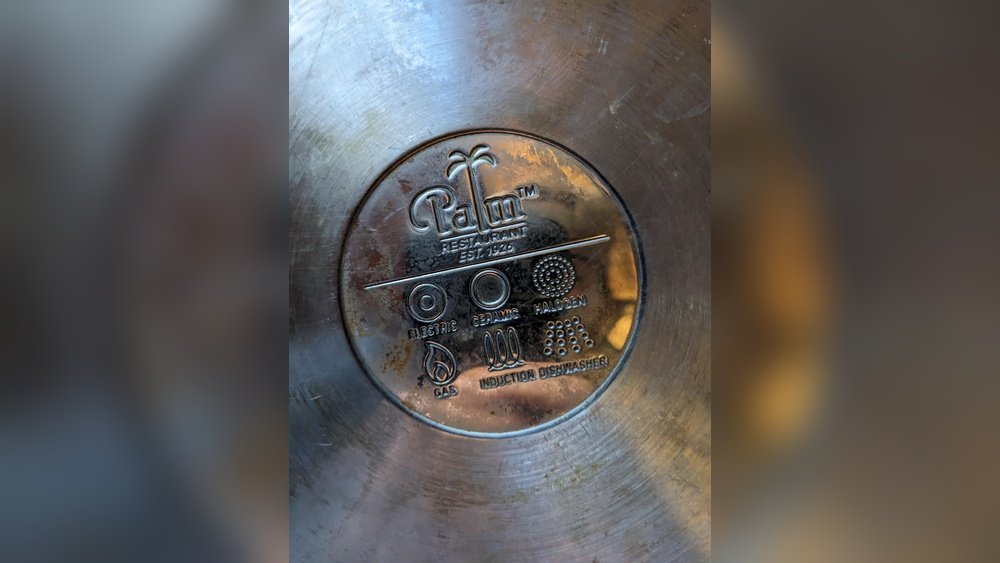
Most oven-safe lids have a marking:
- “Oven safe”
- Maximum temperature (e.g., “Oven safe up to 400°F”)
- Sometimes a logo or symbol of an oven
These are usually found on the bottom or side of the lid. Some brands print it on the knob.
2. Read The Manufacturer’s Manual
Don’t skip the booklet that comes with your cookware. It usually lists:
- Safe temperature range
- Which parts are oven safe
- Warnings about broilers or high heat
If you can’t find the manual, check the brand’s website.
3. Inspect The Materials
If there’s no label, examine the lid:
- Metal (stainless steel, cast iron, aluminum) is usually safe
- Glass should be thick and marked “tempered”
- Silicone must be thick, not thin or flimsy
- Plastic and wood are never safe
Check for any extra parts—knobs, handles, gaskets.
4. Check The Knob And Handle
A lid might be metal or glass, but the knob could be plastic, wood, or silicone. This is a common weak point.
- Metal knobs are usually safe
- Plastic or wood knobs will melt or burn
- Silicone knobs may survive up to 400°F (205°C), but always confirm
Some brands sell replacement metal knobs for higher heat.
5. Search Online
If you know the brand and model, search for “[Brand] [Product] oven safe” online.
- Look for info from the official brand site
- Ignore advice from random forums unless it’s from an expert
Example: Many Le Creuset lids are safe up to 500°F, but only with metal knobs.
6. Test With Care
If you can’t find any info, it’s safest not to risk it. But if you must test:
- Place the empty lid in a cold oven
- Heat to a low temperature (200°F/95°C) for 20 minutes
- Let it cool. Check for warping, cracks, or odors
This is not a guarantee. But it can show obvious problems.

Credit: www.reddit.com
Comparing Lid Materials For Oven Safety
Here’s a simple comparison to help you see the differences between common lid types:
| Lid Material | Typical Oven Safe Temp | Risk Factors | Best For |
|---|---|---|---|
| Tempered Glass | 350–400°F | Thermal shock, sudden changes | Casseroles, stews |
| Stainless Steel | 500°F+ | Hot handles, check knob | Roasting, braising |
| Cast Iron | Any oven temp | Heavy, can chip | Braising, bread baking |
| Aluminum | 400–450°F | Can warp, check parts | Everyday cooking |
| Ceramic | 400°F+ | Cracks with shock | Casseroles, slow-cooking |
| Silicone | 400–450°F | Not for broiler, weak seal | Reheating, steaming |
| Plastic/Wood | Not oven safe | Melting, burning | Microwave, serving only |
Oven-safe Symbols And What They Mean
You may see small icons on your cookware or lids. Here’s what they usually mean:
- Oven icon: Safe for oven use
- Temperature number: Max safe temp (e.g., “400°F”)
- Line through oven icon: Not oven safe
Some brands use words, some use pictures. If you see a symbol you don’t recognize, check the manual or search online.
When The Lid Is Not Oven Safe
Even if your pot or pan can go in the oven, the lid might not. Here are signs your lid should stay out of the oven:
- There is a plastic or wooden knob/handle
- You don’t see any “oven safe” mark or info
- It feels thin, cheap, or flimsy
- It’s made of plastic, bamboo, or has rubber gaskets
- The glass is not labeled as “tempered”
If you’re unsure, it’s safest to cook without the lid or cover with aluminum foil instead.
What Happens If You Use A Non-oven Safe Lid?
Here’s what can go wrong:
- Melting: Plastic can melt and ruin your food and oven
- Shattering: Untempered glass can explode, causing injury
- Warping: Thin metal can bend and won’t seal well
- Burning: Wood can catch fire or smell bad
- Toxic fumes: Some plastics release chemicals when heated
It’s not worth the risk for you, your family, or your cookware.

Credit: www.dalstrong.co.uk
Real-world Examples
Let’s look at some popular cookware brands and their lids:
- Pyrex Glass Lids: Most are safe to 425°F (220°C), but can break if moved from cold to hot quickly.
- Le Creuset Enameled Cast Iron: Lids with metal knobs are safe up to 500°F (260°C). Older knobs may only be safe to 375°F (190°C).
- Lodge Cast Iron: Both lid and pan are safe for any oven temp.
- All-Clad Stainless Steel: Lids are oven safe up to 600°F (315°C), but handles get very hot.
- Crock-Pot Slow Cooker Lids: Most are for the slow cooker only—not oven safe.
- T-fal Nonstick Cookware: Most glass lids are safe up to 350°F (175°C). Plastic handles are not oven safe.
How To Replace A Non-oven Safe Lid
If you discover your lid isn’t oven safe, don’t worry. Here are some options:
- Buy a replacement lid: Many brands sell metal or glass lids separately.
- Use aluminum foil: Crimp it tightly over the pan. It won’t seal as well as a lid, but it works in a pinch.
- Get a universal lid: These have adjustable sizes and are usually made of stainless steel or tempered glass.
- Order a replacement knob: Some brands offer metal knobs to replace plastic ones, making your lid oven safe.

Credit: www.reddit.com
Tips For Safe Oven Use With Lids
- Always preheat the oven before adding your cookware
- Don’t use high broil unless the lid is rated for it
- Place hot lids on a heat-safe surface, not cold countertops
- Use oven mitts—metal and glass get extremely hot
- Let glass and ceramic lids cool slowly to avoid cracking
Oven Safe Lid Myths And Mistakes
Many people believe these common myths:
- “All glass lids are oven safe.” Not true—only tempered glass is safe.
- “If the pot is oven safe, so is the lid.” Not always—check the lid separately.
- “Plastic that is microwave safe can go in the oven.” Never true—oven heat is much higher.
- “If it survived once, it will be fine again.” Damage can build up over time.
What To Do If You’re Still Unsure
If you can’t find any information, and you’re not sure about your lid:
- Don’t risk your food or safety. Use foil or leave the lid off.
- Take a photo and email the manufacturer’s customer service.
- Bring the lid to a kitchen store and ask an expert.
Being cautious is always better than cleaning up melted plastic or broken glass.
Oven Safe Lid Buying Guide
If you want to buy a new oven-safe lid, here’s what to look for:
- Material: Stainless steel, cast iron, or tempered glass
- Size: Match your most-used pans
- Knob/Handle: Metal is best for high heat
- Seal: For soups and stews, a tight fit is important
- Brand: Trusted brands are more likely to be honest about safety
- Warranty: Some offer free replacement if the lid fails
Here’s a quick comparison of lid features to consider:
| Feature | Why It Matters | What to Look For |
|---|---|---|
| Material | Heat resistance, durability | Stainless steel, tempered glass, cast iron |
| Knob Type | High heat tolerance | Metal or oven-rated silicone |
| Size | Fit and seal | Fits your pans closely |
| Warranty | Peace of mind | Lifetime or multi-year coverage |
Non-obvious Insights Most Beginners Miss
- Knob Material Is Often the Weakest Point: Even if a lid is metal or glass, a plastic or wooden knob can make the whole lid unsafe. Some brands sell metal replacement knobs that upgrade a lid for oven use.
- Thermal Shock Ruins Lids: Moving a glass or ceramic lid from the fridge straight into a hot oven (or vice versa) can cause cracks or explosions. Always let lids come to room temperature first.
- Oven Safe Does Not Mean Broiler Safe: The broiler uses direct, intense heat. Even “oven safe” lids can warp, melt, or explode under a broiler.
How Professional Chefs Handle Lids In The Oven
Pro chefs are careful about using lids in hot ovens. Here’s what they do:
- Prefer stainless steel or all-metal lids for braising and roasting
- Cover dishes with foil if not sure about oven safety
- Remove lids for final browning under the broiler
- Always use oven mitts and let glass lids cool before washing
Some chefs keep a few “universal” metal lids handy for any pot or pan.
Safety Precautions When Using Oven-safe Lids
Always keep safety in mind:
- Place hot lids on a trivet or towel, not directly on cold surfaces
- Use both hands and oven mitts—lids can be heavy and slippery
- Don’t stack hot glass lids—they can stick together
- Let steam escape carefully when lifting a lid after oven use
Caring For Your Oven Safe Lids
Good care helps your lids last longer:
- Wash glass and ceramic lids by hand if possible
- Don’t use harsh cleaners on enameled or nonstick lids
- Let lids cool before washing to avoid cracks
- Check metal lids for warping after each use
A little extra care now avoids accidents and replacements later.
When To Upgrade Your Lids
If your current lids are not oven safe, or are damaged, upgrading is a smart move. Benefits include:
- More cooking options (stove to oven to table)
- Safer, more reliable results
- Less worry about melting, warping, or shattering
Look for a multi-lid set if you have many pan sizes.
Where To Find Reliable Information
Always trust information from:
- The official cookware brand website
- Manuals or packaging
- Reputable kitchen stores
For deep dives into materials and safety, check resources like the Wikipedia: Cookware and Bakeware page.
Frequently Asked Questions
What Is The Safest Material For An Oven-safe Lid?
Stainless steel and cast iron are the safest for high heat and any oven temperature. Tempered glass is also safe for most home ovens, but should not be used under a broiler or with sudden temperature changes.
Can I Use A Glass Lid In The Oven?
You can use a tempered glass lid in the oven, usually up to 350–400°F. Make sure it’s labeled “oven safe.” Never use regular (non-tempered) glass, and avoid quick temperature changes to prevent cracking.
Are All Cookware Lids Oven Safe?
No, not all lids are oven safe. Plastic, wood, and some low-quality metals or glass can melt, warp, or shatter. Always check for an “oven safe” mark or confirm with the manufacturer.
What Should I Do If My Lid Has A Plastic Handle?
If your lid has a plastic handle, it is usually not safe for the oven. You can often buy a metal replacement knob for your brand of lid, or use foil as a temporary cover.
Is “microwave Safe” The Same As “oven Safe”?
No. “Microwave safe” means a lid won’t melt or release chemicals in a microwave, but it might melt or burn in an oven. The oven gets much hotter than a microwave.
Knowing how to tell if a lid is oven safe gives you more confidence in the kitchen. It protects your food, your cookware, and your safety. A little research or caution can save you from costly mistakes and let you enjoy a wider range of recipes.
When in doubt, check the label, look up your product, or use foil until you are sure. Happy (and safe) cooking!