
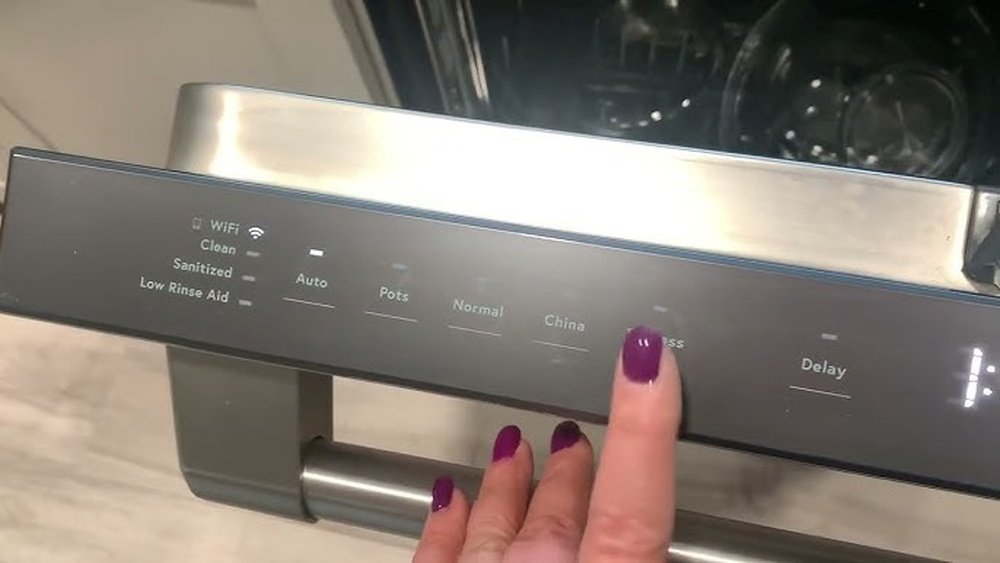
Starting a commercial dishwasher in a cafe may sound simple, but it’s a task that requires attention and understanding. Many new cafe staff or owners think it’s just about pressing a button. But using a cafe dishwasher correctly is more than that. It means knowing the right steps, choosing the correct settings, and caring for the machine to keep dishes spotless and the kitchen running smoothly.
If you’re starting your first shift as a dishwasher, managing a busy kitchen, or opening your own cafe, learning how to operate the dishwasher is key. Mistakes can lead to dirty plates, health code problems, or even expensive repairs. This guide will walk you through every step, from preparing the dishwasher to cleaning up at the end.
You’ll find real-world tips, common problems, and advice that goes beyond the basics. Let’s make sure your dishes always shine, your team stays safe, and your cafe passes every inspection.
Understanding Your Cafe Dishwasher
Before you touch any buttons, it’s important to know what kind of dishwasher you have and how it works. There are several types of commercial dishwashers, each with its own process and features.
Common Types Of Cafe Dishwashers
- Undercounter Dishwashers: These look like large home dishwashers. They fit under counters and are good for small cafes with limited space.
- Door-Type (Hood) Dishwashers: These stand on the floor and have a handle you lift to open the “door.” They are fast and used in most cafes.
- Conveyor Dishwashers: These are long machines with a moving belt. You load racks on one side, and clean dishes come out the other. These are for very busy cafes.
- Glasswashers: Specially made for glasses, these machines are gentle but effective.
Each type has its own controls, water use, and cleaning methods. Always check your user manual for your exact model.
Basic Dishwasher Parts
No matter the type, most cafe dishwashers have:
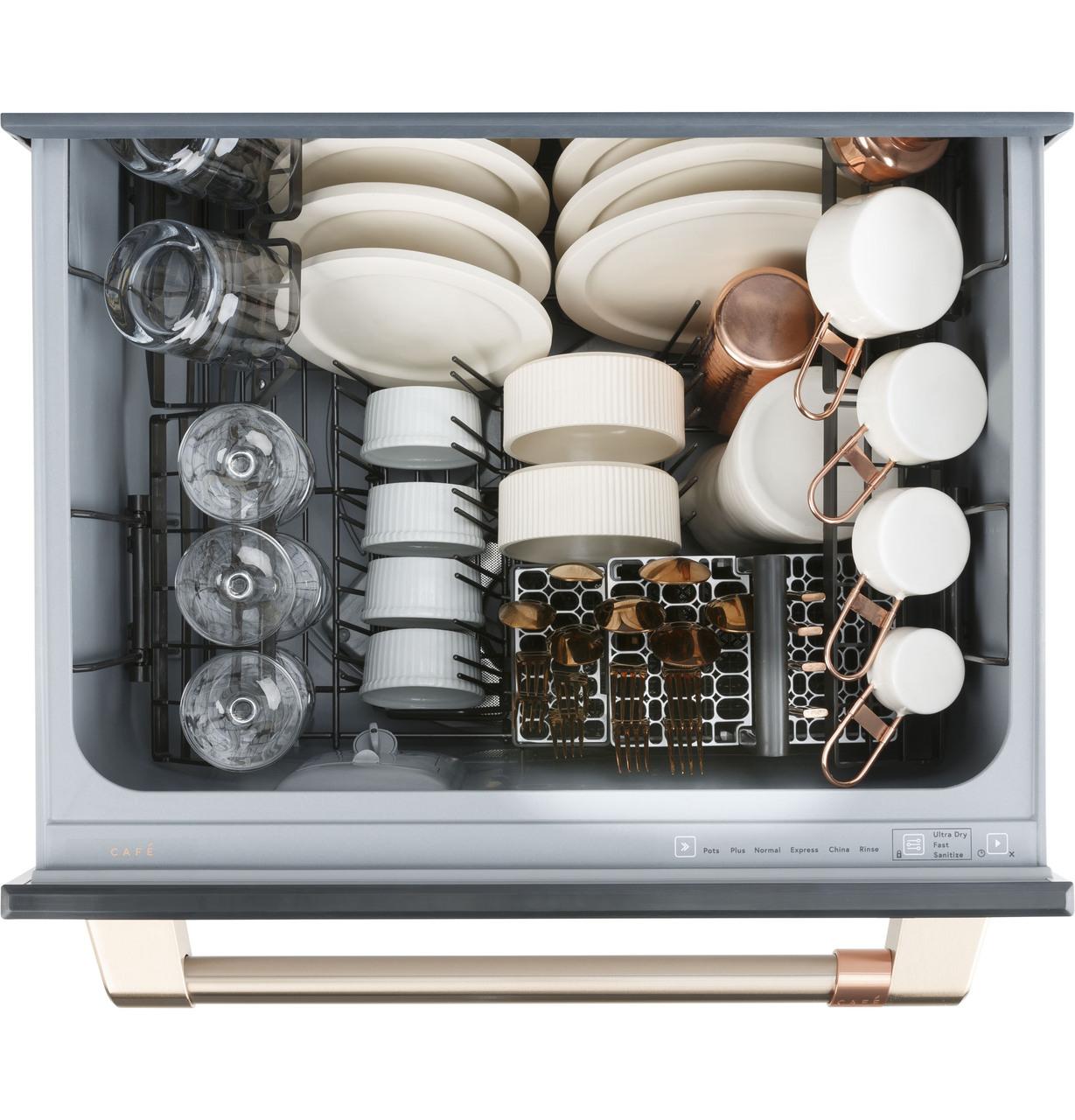
- A wash chamber where the dishes go
- Spray arms that shoot water and detergent
- Racks or baskets to hold items
- A control panel with buttons and display
- A detergent dispenser
- A rinse aid dispenser
- Filters to catch food bits
Knowing these parts helps you spot problems early and keep the machine running well.
Why Proper Use Matters
A commercial dishwasher is a big investment, costing between $2,000 and $15,000 for most cafes. Using it wrong can:
- Increase water and power bills
- Leave dishes dirty or greasy
- Cause health code violations
- Shorten machine life (repairs or replacement)
- Waste staff time
Learning the right way saves money and stress.
Getting Ready: Before You Start The Dishwasher
Preparation is the secret to smooth dishwashing. Skipping these steps leads to poor cleaning and possible breakdowns.
1. Check The Machine
- Look for obvious damage, leaks, or warning lights.
- Make sure the machine is plugged in and water is connected.
- Open the door and check for leftover dishes or debris.
2. Fill The Dishwasher (if Required)
Some machines fill with water automatically. Others need you to press a “fill” button or turn a valve. Fill to the marked line if manual.
3. Inspect Detergent And Rinse Aid
- Commercial dishwashers use special detergent (not home brands).
- Check the detergent container. If empty, refill with the correct product.
- Check the rinse aid too. It helps dishes dry and prevents spots.
4. Check The Filters
- Pull out the filters at the bottom and rinse them.
- Replace them correctly.
- Clogged filters lower cleaning power and can cause breakdowns.
5. Organize Dishes
- Scrape off food and trash into the garbage.
- Pre-rinse if dishes are very dirty or have sticky food.
- Don’t overload racks; items must be spaced for water to reach all surfaces.
6. Put On Safety Gear
- Wear dishwashing gloves to protect your hands from hot water and chemicals.
- Use a non-slip mat to avoid accidents.
Step-by-step: How To Start A Cafe Dishwasher
Now you’re ready to begin. While exact steps depend on the model, these instructions cover most commercial cafe dishwashers.
Step 1: Turn On The Dishwasher
- Find the main power switch and turn it on.
- Wait for the control panel to light up.
- Some machines may run a short self-test.
Step 2: Select The Wash Cycle
- Most dishwashers have several wash cycles (light, normal, heavy).
- For most cafe dishes, use the “normal” or “standard” setting.
- For greasy pots or pans, choose “heavy duty.”
- Glasses may need a special “glass” cycle if available.
Step 3: Load The Racks
- Place dishes in the racks, keeping space between them.
- Face dirty surfaces toward the center or spray arms.
- Place cups and bowls upside down so water drains off.
- Never stack items; water can’t reach all surfaces.
Step 4: Add Detergent And Rinse Aid
- If your machine doesn’t auto-dispense, add the right amount of commercial dishwasher detergent.
- Fill the rinse aid if needed. Follow the machine’s instructions.
Step 5: Start The Cycle
- Close the dishwasher door or hood firmly.
- Press the “start” or “wash” button.
- The machine will fill with water, heat it (usually to 150–160°F for wash, 180°F for rinse), and begin spraying.
Step 6: Wait And Monitor
- Most commercial cycles last 1–4 minutes.
- Watch for leaks or errors on the display.
- If there’s a problem (like a door not closed), the machine may beep or flash a warning.
Step 7: Unload Safely
- When the cycle ends, open the door or hood carefully—steam is hot!
- Let dishes sit for a minute to air dry. This prevents streaks and burns.
- Remove racks and put dishes away.
Step 8: Repeat As Needed
- For large loads, keep racks moving in and out.
- Always check detergent and rinse aid between loads.
Cleaning And Maintenance After Use
Taking a few minutes to clean the dishwasher at the end of the day keeps it working well and avoids bad smells or breakdowns.
1. Turn Off And Unplug
- Switch off the power.
- Unplug if required for deep cleaning.
2. Drain Water
- Some machines have a “drain” button.
- Open the drain valve or plug to empty the water.
3. Clean Filters And Spray Arms
- Remove filters, rinse under running water, and replace.
- Take out spray arms if possible. Rinse and poke out any food bits with a toothpick or brush.
4. Wipe Inside And Outside
- Use a damp cloth and mild detergent.
- Wipe the inside walls, door seals, and outside surfaces.
- Clean the control panel gently.
5. Leave Door Open
- Leave the dishwasher door open overnight.
- This lets air dry the inside and prevents mold.
6. Check For Problems
- Look for leaks, rust, or broken parts.
- Report any issues for repair before the next shift.
Common Mistakes And How To Avoid Them
Many new staff make the same errors. Here’s how to avoid them:
- Overloading the Dishwasher: Cramming racks saves time but leaves dishes dirty.
- Skipping Pre-Rinse: Dried food can block spray arms and filters.
- Wrong Detergent: Home soap foams too much and can ruin the machine.
- Not Checking Water Temperature: Cool water doesn’t sanitize dishes.
- Ignoring Filters: Blocked filters lower cleaning power and can stop the dishwasher.
- Not Wearing Gloves: Chemical burns and hot water can hurt your skin.
- Forgetting the Rinse Aid: Leads to streaky, wet dishes.
Real-world Example: A Busy Morning Rush
Picture a small cafe at 9 am. There are 40 dirty mugs, 30 plates, and 15 pots from breakfast. Staff member Anna is new and must keep up with the crowd. Here’s what she does:
- Anna checks the dishwasher, finds it low on detergent, and refills it.
- She scrapes food off every plate and sorts items by size.
- Anna loads the first rack with cups, chooses the “glass” cycle, and starts the wash.
- While it runs, she wipes the counter and stacks more dishes.
- After 2 minutes, she unloads clean mugs, loads plates, and selects the “normal” cycle.
- Anna repeats until all items are clean, checking the machine for leaks and cleaning filters every hour.
By following these steps, Anna avoids mistakes, keeps up with the rush, and finishes with clean, dry dishes—ready for the lunch wave.
Comparing Dishwasher Models: What Makes A Good Cafe Dishwasher?
Choosing the right machine is as important as using it well. Key factors include size, speed, water use, and ease of cleaning.
Here’s a quick comparison:
| Type | Best For | Cycle Time | Water Use (per cycle) | Footprint |
|---|---|---|---|---|
| Undercounter | Small Cafes | 2-4 min | 1-2 gal | Small |
| Door-Type | Medium Cafes | 1-2 min | 1-2 gal | Medium |
| Conveyor | Large Cafes | 30 sec–1 min | 0.5-1 gal | Large |
| Glasswasher | Bars, Glassware | 1-2 min | 0.5-1 gal | Small |
For most cafes, a door-type dishwasher is the best mix of speed and size.
How To Choose The Right Detergent And Rinse Aid
Many beginners don’t realize how important the right chemicals are. Using the wrong detergent can damage both the machine and the dishes.
Things To Consider
- Type of Water: Hard water needs a special formula to avoid spots.
- Type of Dishes: Glass, china, and metal all have different needs.
- Machine Type: Some dishwashers have built-in dispensers that only work with certain brands.
Comparing Commercial Detergents
| Brand | Best For | Water Type | Form | Notes |
|---|---|---|---|---|
| Ecolab Solid Power | Heavy Grease | Any | Solid | Highly concentrated |
| Diversey Suma | Glassware | Soft | Liquid | Low-foam, gentle |
| Cascade Professional | General Use | Any | Powder | Easy to measure |
Pro Tip: Always run a test load with new detergent and check for residue or smell. Never mix brands.
Safe Handling Of Chemicals
Dishwasher chemicals are strong and can burn your skin or eyes. Always:
- Store in original containers with labels.
- Wear gloves and eye protection when refilling.
- Wipe up spills right away.
- Keep chemicals away from food and kids.
If you get detergent in your eyes, rinse with water for 15 minutes and get medical help.
Routine Maintenance: Keeping The Dishwasher In Top Shape
A well-maintained machine can last over 10 years. Skipping maintenance can lead to expensive repairs or downtime.
Daily Tasks
- Clean filters and wipe inside/outside as described earlier.
- Check detergent and rinse aid levels.
Weekly Tasks
- Remove and clean spray arms deeply.
- Check door seals for cracks.
- Inspect racks for damage.
Monthly Tasks
- Descale the machine if you have hard water (use a commercial descaler).
- Check for leaks under and behind the machine.
- Test the temperature (must reach at least 180°F for sanitizing).
Yearly Tasks
- Schedule a professional service.
- Replace worn parts like seals, hoses, or racks.
Credit: www.gochnauers.com
Troubleshooting: Fixing Common Problems
Even the best machines have issues sometimes. Here’s how to handle frequent problems:
Dishwasher Won’t Start
- Check power and water supply.
- Make sure the door is closed and latched.
- Look for error codes and consult the manual.
Dishes Not Clean
- Check that spray arms spin freely.
- Clean filters and remove blockages.
- Make sure you used enough detergent.
- Don’t overload the racks.
Cloudy Glasses
- Increase rinse aid.
- Check water temperature.
- Use detergent for hard water if needed.
Machine Leaks
- Check door seals and gaskets.
- Look for hose or pipe leaks.
- Don’t overfill detergent.
Bad Smell
- Clean machine daily.
- Leave door open overnight.
- Run a cleaning cycle with descaler.
Hygiene And Health Code Compliance
Cafes must meet strict rules for dishwashing. Local health departments check:
- Water temperature (usually must reach 180°F for rinse)
- Use of approved chemicals
- No food left on dishes
- No cross-contamination (clean and dirty items separated)
Keep records of cleaning and maintenance. Post instructions near the machine for all staff.
Energy And Water Saving Tips
Dishwashers use a lot of resources. Saving energy saves money and helps the environment.
- Run full loads, not half loads.
- Use energy-saving cycles if available.
- Check for leaks often.
- Upgrade to Energy Star machines if possible.
- Train staff to avoid wasting water.
Did you know? According to the US EPA, commercial dishwashers can use as much as 20,000 gallons of water per year. Regular maintenance and smart use can cut this in half.
Training Staff: Building Good Habits
Many cafes have high staff turnover. Training every new employee to use the dishwasher is key.
- Make a simple instruction sheet for your machine.
- Show new staff each step in person.
- Explain why each step matters (not just “because the boss said so”).
- Review common mistakes and how to fix them.
- Have a checklist for end-of-day cleaning.
A well-trained team keeps dishes clean and the kitchen running.
Advanced Tips: Going Beyond The Basics
- Test Water Hardness: Hard water causes spots. Test strips are cheap and help you choose the right detergent.
- Label Detergent Lines: For auto-feed machines, label each tube so staff refill the right one.
- Color-Coded Racks: Use different color racks for glasses, plates, and pots. This speeds up sorting and reduces breakage.
- Keep a Spare Filter: If a filter breaks or gets lost, you can swap it instantly.
- Track Usage: Keep a log of detergent use and cycles run. If you’re using more detergent suddenly, check for leaks or other problems.
A Closer Look: Dishwasher Cycle Times And Cafe Efficiency
Fast cycles help cafes serve more customers with fewer plates. Here’s how different machines compare:
| Machine | Average Cycle Time | Dishes per Hour |
|---|---|---|
| Undercounter | 3 min | 20 racks (~250 dishes) |
| Door-Type | 1.5 min | 40 racks (~500 dishes) |
| Conveyor | 1 min | 100 racks (~1,500 dishes) |
Knowing your machine’s speed helps you plan staffing and dish rotation during busy times.

Credit: www.cafeappliances.com
When To Call A Technician
Some problems need professional help:
- Persistent leaks
- Machine won’t heat
- Repeated error codes
- Strange noises or burning smell
Don’t try to fix electrical or plumbing problems yourself. Call a certified technician to avoid voiding your warranty or causing damage.
The Importance Of Documentation
Keep a file (paper or digital) with:
- User manual and quick guide
- Service records
- List of detergents and suppliers
- Staff training checklist
This makes it easier to solve problems, train new staff, and show health inspectors your procedures.
Credit: www.townappliance.com
Frequently Asked Questions
What Temperature Should My Cafe Dishwasher Reach To Sanitize Dishes?
Most health departments require the final rinse to reach 180°F (82°C) to sanitize dishes. Some machines use a chemical sanitizer and work at lower temperatures, but always check your local rules.
Can I Use Home Dishwasher Detergent In A Commercial Dishwasher?
No. Home detergents produce too many suds, which can overflow and damage commercial machines. Always use detergent made for your specific dishwasher type.
How Often Should I Clean The Dishwasher Filters?
Clean filters at least once a day, and more often if you’re running many loads. Dirty filters cause poor cleaning and can break the machine.
Why Are My Dishes Coming Out Still Dirty?
Check for overloading, blocked spray arms, not enough detergent, or a clogged filter. Make sure you’re using the right cycle for the dirt level.
Where Can I Find More Information On Commercial Dishwasher Safety?
You can learn more by visiting the OSHA Dishwashing Safety page.
Running a cafe dishwasher well is a skill that improves with practice. By following these steps, you can keep your kitchen efficient, your dishes spotless, and your team safe—every single day.