
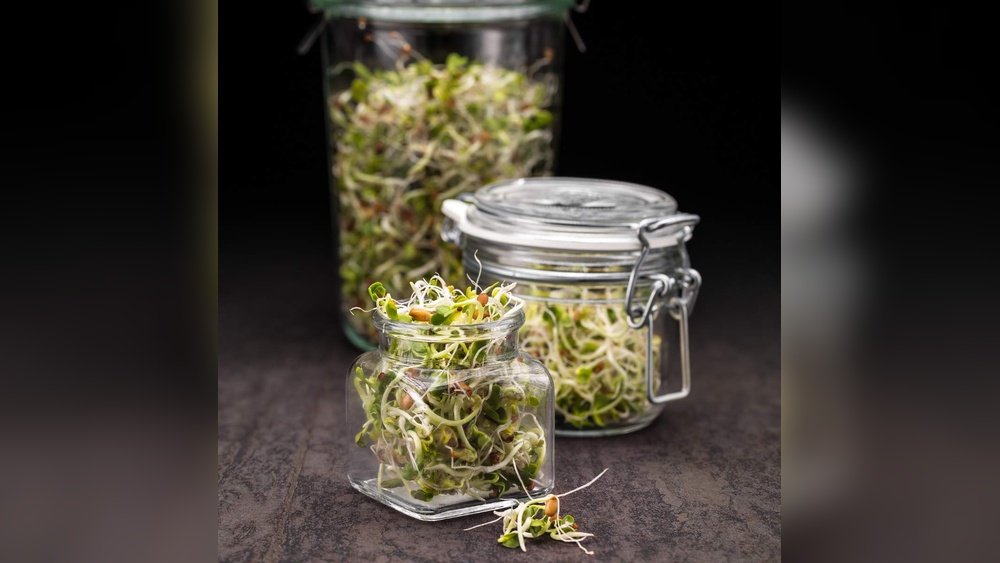
Sprouts are a powerhouse of nutrition. Many people add them to salads, sandwiches, and smoothies. But sprouts are also very delicate. If you store them the wrong way, they spoil quickly and become unsafe to eat. This is why knowing how to store sprouts is important for anyone who enjoys this healthy food.
Let’s explore the best methods to keep sprouts fresh, safe, and tasty for as long as possible. You will learn how to handle different types of sprouts, what containers work best, and how to avoid common mistakes. With these tips, you can enjoy sprouts without worrying about waste or food safety.
Why Proper Storage Of Sprouts Matters
Sprouts are young plants that grow from seeds like mung beans, lentils, alfalfa, and broccoli. They are full of vitamins, minerals, and enzymes. However, they are also at risk of growing harmful bacteria, like Salmonella or E. coli, if not handled with care.
Keeping sprouts fresh is not just about taste. It’s about health. Improper storage can lead to:
- Food poisoning
- Loss of nutrients
- Bad smell and taste
- Wasted money and food
Because sprouts are moist and have thin skins, bacteria can grow quickly if you do not store them correctly. This is why every step, from rinsing to choosing containers, matters.
Understanding Different Types Of Sprouts
Not all sprouts are the same. Each type has special storage needs. Let’s look at some popular sprouts and their differences:
| Sprout Type | Texture | Best Storage Method | Typical Shelf Life |
|---|---|---|---|
| Mung Bean | Crunchy, juicy | Refrigerator, airtight container | 5–7 days |
| Alfalfa | Delicate, grassy | Refrigerator, ventilated bag | 3–4 days |
| Lentil | Firm, nutty | Refrigerator, glass jar | 5–7 days |
| Broccoli | Small, tender | Refrigerator, paper towel wrap | 4–5 days |
Notice how the shelf life changes depending on the sprout type. This means you need to adjust your storage method for each kind.
Steps To Store Fresh Sprouts Properly
1. Rinse And Drain Thoroughly
After sprouting, always rinse your sprouts with cool, clean water. This removes seed hulls and reduces bacteria. Next, drain them well. Too much water left on sprouts is a common mistake. Moisture encourages mold and spoilage.
Practical tip: Use a salad spinner or spread sprouts on a clean kitchen towel to dry them quickly.
2. Choose The Right Container
Selecting the best container is key for freshness. The wrong container can trap moisture or allow too much air, both of which shorten shelf life.
Here are some good options:
- Glass jars with loose lids: These let sprouts breathe but keep out too much air.
- Plastic produce containers with small holes: These offer airflow and are easy to find.
- Mesh produce bags: Great for delicate sprouts like alfalfa.
Avoid sealing sprouts in airtight plastic bags with no holes. This traps moisture and leads to slime and odor.
3. Use Paper Towels Or Cloths
Line your storage container with a clean paper towel or thin cloth. This absorbs extra moisture and keeps sprouts crisp.
Change the towel every 1–2 days. If the towel feels wet, replace it. Too much dampness can spoil sprouts even in the fridge.
4. Refrigerate Promptly
Sprouts do not last long at room temperature. Always put them in the refrigerator as soon as possible. The best temperature for storing sprouts is between 34°F and 38°F (1°C–3°C).
Do not store sprouts in the fridge door. The temperature there changes often and can make sprouts spoil faster.
5. Keep Sprouts Away From Ethylene-producing Foods
Some fruits and vegetables give off a gas called ethylene as they ripen. This gas can cause sprouts to turn yellow and spoil quickly.
Keep sprouts away from:
- Apples
- Bananas
- Avocados
- Tomatoes
Store sprouts in a separate fridge drawer or on a different shelf.
6. Do Not Overfill Containers
If you pack sprouts too tightly, air cannot flow and moisture builds up. This creates the perfect place for bacteria and mold.
Fill containers only about two-thirds full. This gives sprouts room to breathe and stay dry.
7. Label And Date Your Sprouts
Always label your sprouts with the date you stored them. This helps you remember which batch to use first. Sprouts look similar when stored, so this simple trick can save you from eating old, unsafe sprouts.
8. Check Daily For Spoilage
Each day, look at and smell your sprouts. Fresh sprouts should smell clean, like cut grass or beans. Throw out any sprouts that are:
- Slimy
- Smelly (sour or rotten)
- Discolored (yellow or brown)
- Moldy
Never eat sprouts that seem off. When in doubt, throw them out.
Special Tips For Different Sprouting Methods
People grow sprouts in different ways—jars, trays, bags, or special sprouting machines. Each method affects how you store sprouts.
Sprouts Grown In Jars
If you sprout in a glass jar, rinse and drain as usual. After the final rinse, transfer sprouts to a new jar lined with paper towel. Cover loosely with a lid or cheesecloth. Store in the fridge.
Sprouts Grown In Trays
Sprouting trays often make more sprouts at once. Remove sprouts gently with clean hands. Place them in your storage container with a paper towel. Do not store them in the tray, as it may hold extra water and encourage mold.
Bag-sprouted Sprouts
Some people use cotton or hemp bags to sprout seeds. Let the sprouts dry for an hour outside the bag before storing. Store in a glass or plastic container, not in the sprouting bag, to avoid excess moisture.
Commercially Grown Sprouts
If you buy sprouts from a store, check the package date before buying. At home, open the package and move sprouts to a container lined with paper towel. This keeps them dry and fresh longer.
Table: Common Sprouting Containers And Their Pros/cons
To help you decide, here’s a quick comparison of storage containers:
| Container Type | Pros | Cons |
|---|---|---|
| Glass Jar (Loose Lid) | Reusable, lets sprouts breathe, easy to clean | Can break if dropped, may hold extra moisture if not lined |
| Plastic Produce Box (with Holes) | Lightweight, good airflow, stackable | May stain or hold odors over time |
| Mesh Produce Bag | Perfect for delicate sprouts, washable | Not good for very moist sprouts, can dry them out |
| Sealed Plastic Bag | Cheap, easy to find | Traps moisture, highest risk of spoilage |
How Long Do Sprouts Last In The Fridge?
Shelf life depends on the sprout type, how clean they are, and how you store them. Here are general guidelines:
- Mung bean sprouts: 5–7 days
- Lentil sprouts: 5–7 days
- Broccoli sprouts: 4–5 days
- Alfalfa sprouts: 3–4 days
Always remember: these are best-case estimates. If you see or smell anything odd, do not eat them.
Can You Freeze Sprouts?
Freezing is not the best way to store fresh sprouts. The ice will break their cell walls, making them soggy and mushy when thawed. Most people find the texture unpleasant.
However, you can freeze sprouts if you plan to use them in cooked dishes like stir-fries or soups, where texture is less important.
How to freeze sprouts:
- Rinse and dry sprouts very well.
- Spread them in a single layer on a baking sheet.
- Freeze for 2–3 hours.
- Move frozen sprouts to an airtight bag or container.
- Label and date.
Use within 2–3 months for best flavor.
Tip: Never freeze sprouts you plan to eat raw. Freezing does not kill all bacteria and may even let some survive.
How To Store Sprouts For Longer Shelf Life
If you want to keep sprouts as long as possible, try these advanced tips:
Store In The Coldest Part Of Your Fridge
The back of the refrigerator, away from the door, is usually the coldest spot. Storing sprouts here keeps them fresher.
Rinse With Vinegar Solution
A mild vinegar rinse (1 part white vinegar to 3 parts water) can help kill bacteria before storing. Rinse with clean water after using vinegar to avoid flavor changes.
Use Vacuum-sealed Containers
Vacuum sealing removes air and slows spoilage. This is best for large batches or if you want to keep sprouts for up to a week.
Avoid Repeated Temperature Changes
Do not take sprouts in and out of the fridge many times. Temperature swings make bacteria grow faster. Take out only what you need and keep the rest cold.

Credit: thewonderfulworldofsprouts.com
Mistakes To Avoid When Storing Sprouts
Even experienced sprout lovers make mistakes. Here are common errors to watch for:
- Storing wet sprouts: Always dry them as much as possible before storing.
- Using dirty containers: Even a little old food can spread bacteria.
- Mixing new and old sprouts: Always store separate batches separately.
- Keeping sprouts near fruits: Ethylene gas from fruit shortens sprout life.
- Ignoring signs of spoilage: Trust your nose and eyes.
How To Tell If Sprouts Have Gone Bad
Spoiled sprouts are not safe to eat. Here’s what to check:
- Look: Are sprouts slimy, gray, or brown? Throw them away.
- Smell: Do they smell sour, musty, or rotten? Discard immediately.
- Feel: Are they mushy instead of crisp? Not safe.
- Taste: Never taste questionable sprouts.
If you are unsure, it’s better to be safe than sorry.
Cleaning And Reusing Sprout Storage Containers
Good hygiene is key to safe sprout storage. Always clean containers with hot, soapy water before reusing them. Rinse well and let them dry completely.
If you use glass jars or plastic boxes often, sterilize them every few weeks by soaking in boiling water for 10 minutes. This kills bacteria and mold.
Storing Sprouts For Travel Or Work
Want to take sprouts to work, school, or on a trip? Use these ideas:
- Pack sprouts in a small, vented container with a dry paper towel.
- Keep the container cool with an ice pack.
- Do not leave sprouts in a hot car or bag for long.
If you cannot refrigerate within 2 hours, eat or discard the sprouts.
Safety Tips When Handling Sprouts
Because sprouts are often eaten raw, food safety is extra important. Follow these steps:
- Wash hands before and after touching sprouts.
- Use clean utensils and containers.
- Rinse sprouts before eating, even if stored safely.
- Do not eat sprouts if you are pregnant, elderly, or have a weak immune system, unless cooked.
Can Sprouts Be Dried For Storage?
Some people ask if they can dry sprouts for long-term storage. Yes, you can dehydrate sprouts, but they will lose their crunch and some nutrients. Dried sprouts can be used in soups or ground into powder for smoothies.
How to dry sprouts:
- Rinse and drain well.
- Spread sprouts on a dehydrator tray or baking sheet.
- Dry at 115°F (46°C) for 8–12 hours, until crisp.
- Store in an airtight container in a cool, dark place.
Dried sprouts can last several months if kept dry.
Credit: traditionalcookingschool.com
Myths And Misunderstandings About Storing Sprouts
Many people believe common myths about sprouts. Let’s clear up some confusion.
- Myth: Sprouts keep better in sealed plastic bags.
- Fact: Sealed bags trap moisture and make sprouts spoil faster.
- Myth: You can eat sprouts with a slight smell.
- Fact: Any off smell means bacteria are growing. Throw them out.
- Myth: All sprouts last the same time.
- Fact: Shelf life depends on the sprout type and how you store them.
Nutrient Loss During Storage
Sprouts are most nutritious right after sprouting. Over time, vitamins like vitamin C and enzymes decrease. Storing sprouts in the fridge slows this loss, but eating them sooner is always better.
To keep the most nutrients:
- Store in the fridge, not at room temperature.
- Eat within 2–3 days if possible.
- Rinse before eating to keep them crisp.
:max_bytes(150000):strip_icc()/how-to-store-brussels-sprouts-realsimple-GettyImages-1298940063-3287762767234dda95a26d6489d7fd0d.jpg)
Credit: www.realsimple.com
Environmental Impact Of Sprout Storage
Using reusable glass jars, mesh bags, or durable plastic containers is better for the environment than single-use bags. If you must use plastic, recycle or reuse it when possible.
You can also compost spoiled sprouts and used paper towels.
Sprouts In Meal Prep And Batch Cooking
If you like meal prep, store sprouts in small containers for each day. This avoids opening and closing one big box, which lets in air and germs.
Sprouts are great for:
- Salads
- Sandwiches
- Wraps
- Stir-fries (use quickly after adding)
For batch cooking, add sprouts at the last moment to keep their crunch.
Table: How Storage Methods Affect Sprout Quality
Here’s a summary of how different methods influence freshness, safety, and taste:
| Storage Method | Freshness | Safety | Taste/Texture |
|---|---|---|---|
| Refrigerator, lined container | High (3–7 days) | High | Best |
| Freezer | Low after thawing | Medium | Soft/Mushy |
| Room temperature | Low (<24 hours) | Low | Rapid spoilage |
| Dehydrated | High (months) | High if dry | Crunchy, different flavor |
Non-obvious Insights For Storing Sprouts
- Humidity control is more important than most people realize. Even if your fridge is cold, high humidity can ruin sprouts in days. Use a paper towel or special produce drawer to control moisture.
- Batch size affects storage. If you sprout too much at once, you may not eat it before it goes bad. Start small and increase the batch as you learn your needs.
Final Thoughts
Storing sprouts may seem simple, but a few careful steps make a big difference. Always rinse and dry sprouts well, choose the right container, and keep them cold. Watch for signs of spoilage and remember—fresh sprouts are both tastier and safer.
By following these practical tips, you will enjoy crisp, healthy sprouts every time. If you want to learn more about food safety and sprouts, check out the FDA’s guide on sprouts and food safety.
Frequently Asked Questions
How Do I Know If My Sprouts Have Gone Bad?
Bad sprouts often become slimy, smell sour or rotten, and may turn brown or gray. If you see mold or notice a bad smell, throw them away. Never taste sprouts that seem off.
Can I Store Sprouts At Room Temperature?
It’s not safe to store sprouts at room temperature for more than a few hours. They spoil quickly and can grow harmful bacteria. Always refrigerate sprouts as soon as possible.
Is It Safe To Eat Sprouts Raw?
Raw sprouts can carry bacteria like Salmonella. If you are pregnant, elderly, or have a weak immune system, cook sprouts before eating. Otherwise, rinse well and store properly to reduce risk.
How Can I Make My Sprouts Last Longer?
Dry sprouts well before storage, use a lined container, and keep them in the coldest part of your fridge. Do not mix new and old sprouts. Check daily for spoilage.
Can I Freeze Sprouts For Future Use?
Freezing changes the texture of sprouts, making them soft when thawed. It is okay to freeze them for cooked dishes, but not for eating raw. Always dry sprouts before freezing and use within 2–3 months.
Storing sprouts well is not just about keeping them tasty—it’s about keeping them safe and healthy for you and your family. With the right steps, you can enjoy sprouts any time with confidence.