
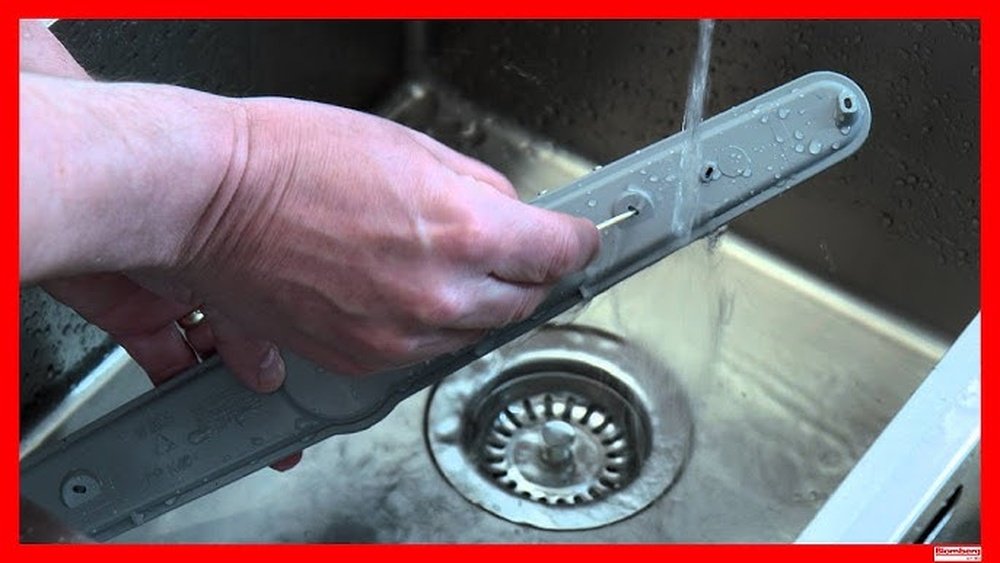
Keeping your Blomberg dishwasher running smoothly isn’t just about loading it the right way or using the best detergent. One of the most overlooked but important maintenance tasks is cleaning the dishwasher filter. If you’ve ever noticed your dishes coming out dirty, water pooling at the bottom, or odd smells, there’s a good chance your filter needs attention. Cleaning the filter is a simple process, but many users skip it because they’re not sure how to do it right. This guide walks you through every step, explains why it matters, shares tips from real experience, and answers common questions. Whether you’re a new Blomberg owner or have had your machine for years, you’ll learn everything you need to keep your dishwasher at peak performance.
Why Cleaning The Blomberg Dishwasher Filter Matters
The dishwasher filter is your machine’s first line of defense against food debris, grease, and other particles. Over time, these particles build up, which can cause several problems:
- Clogged spray arms: Water can’t reach all your dishes.
- Bad odors: Old food and grease start to smell.
- Cloudy or dirty dishes: Debris recirculates during wash cycles.
- Drainage issues: Water may not drain, leaving a pool at the bottom.
Statistics show that nearly 40% of dishwasher service calls are linked to poor filter maintenance. Cleaning the filter regularly helps avoid repairs, saves energy, and ensures your dishes come out spotless.
Understanding The Blomberg Dishwasher Filter System
Before you get started, it helps to know a bit about how your dishwasher’s filter works. Blomberg uses a triple filtration system:
- Main filter: Traps large food particles.
- Coarse filter: Catches medium-sized debris.
- Fine filter: Captures tiny particles and prevents them from going back onto your dishes.
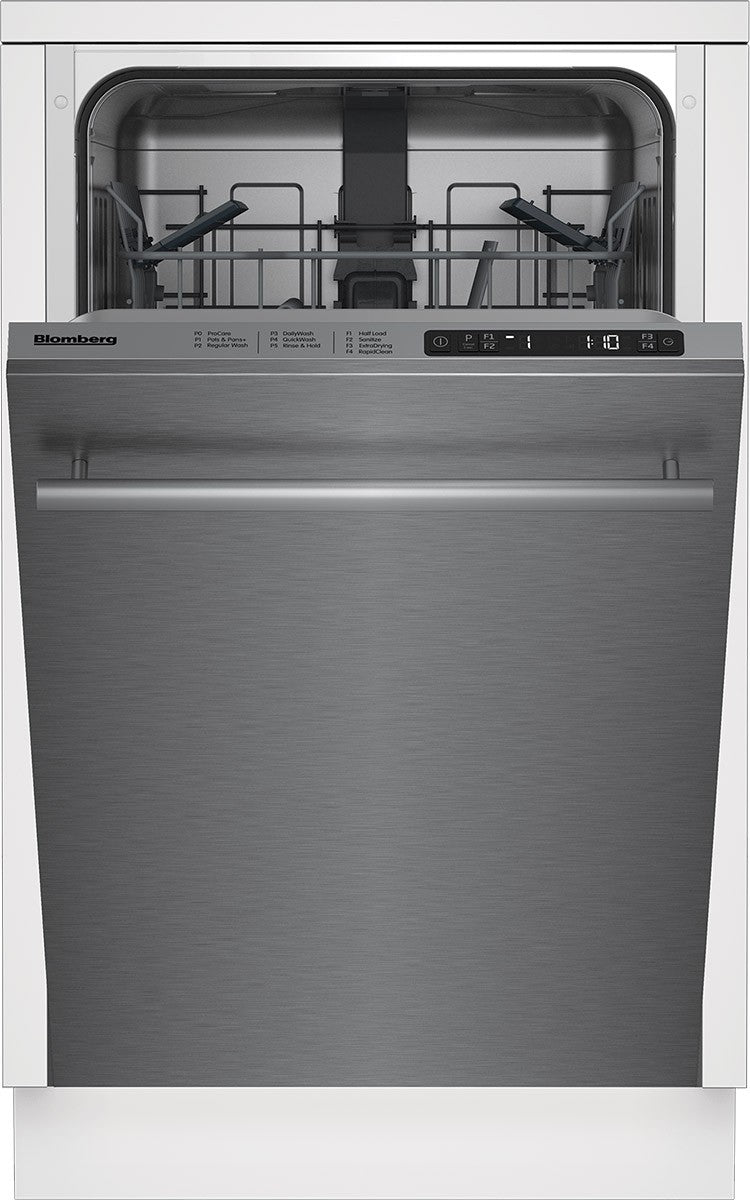
All three parts work together to keep the wash water clean. They’re usually located at the bottom center of the dishwasher, under the lower spray arm.
| Filter Type | Function | Cleaning Frequency |
|---|---|---|
| Main filter | Traps large debris | Every 2-4 weeks |
| Coarse filter | Catches medium particles | Every 2-4 weeks |
| Fine filter | Removes tiny particles | Monthly |
A key point many miss: Some Blomberg models have a self-cleaning filter, but even these need manual cleaning if you notice problems.
Credit: www.blombergappliances.com
Signs That Your Filter Needs Cleaning
Don’t wait until there’s a problem. Look out for these warning signs:
- Unusual smells after a wash
- Standing water in the bottom
- Dishes are not clean or feel gritty
- Dishwasher is noisy during cycles
- The cycle takes longer than normal
If you notice any of these, check your filter right away.
Tools And Materials Needed
You don’t need special tools to clean a dishwasher filter, but having the right items ready will make the job easier and safer.
- Soft brush (like an old toothbrush)
- Dish soap (mild, not abrasive)
- Bowl of warm water
- Microfiber cloth or sponge
- Gloves (optional, but recommended)
- Flashlight (if your kitchen lighting is dim)
Avoid using metal brushes or harsh cleaners, which can damage the filter.

Credit: www.youtube.com
Step-by-step Guide: How To Clean A Blomberg Dishwasher Filter
1. Safety First: Turn Off Your Dishwasher
Always start by making sure your dishwasher is completely off. Unplug the machine or switch off the circuit breaker for extra safety, especially if you’ll be reaching into tight spaces.
2. Open The Dishwasher And Remove The Lower Rack
Slide out the lower rack and set it aside. This gives you clear access to the filter area.
3. Locate The Filter Assembly
Look at the bottom center of the dishwasher. You’ll see a round or oval filter cover—this is the filter assembly. On most Blomberg models, it’s easy to spot.
4. Remove The Filter
Grasp the handle of the filter cover. Turn it counterclockwise (left) to unlock. Carefully lift out the filter assembly. Some models have an extra mesh screen or secondary filter—remove these as well.
If the filter feels stuck, gently wiggle it back and forth. Never use force or tools to pry it out, as this can break the filter or damage the housing.
5. Disassemble The Filter
Take the filter to your sink. Most Blomberg filters come apart into two or three sections (main, coarse, and fine). Separate each part gently. Check your user manual if you’re not sure how your model fits together.
6. Rinse And Scrub
Hold each filter section under warm running water. Use a soft brush to scrub away any debris, grease, or buildup. Pay special attention to the mesh and seams where particles can hide.
Add a drop of dish soap for stubborn grease, and let the filter soak for 5-10 minutes if needed. Avoid harsh chemicals—they can damage the filter’s plastic and mesh.
7. Clean The Filter Housing
While the filter is soaking or drying, use a damp cloth or sponge to wipe the area where the filter sits inside the dishwasher. Remove any visible food bits or sludge.
A flashlight can help you see hidden grime. For tough spots, a cotton swab or an old toothbrush works well.
8. Reassemble And Replace The Filter
Once all pieces are clean and dry, reassemble the filter. Make sure each section snaps or twists securely into place.
Insert the filter assembly back into the dishwasher, aligning any arrows or guides. Turn clockwise (right) to lock it. You should feel it click or stop firmly—never force it.
9. Replace The Lower Rack And Test
Slide the lower rack back in. Run a short rinse cycle with no dishes to check for leaks or unusual noises. If everything sounds and looks normal, you’re done.
How Often Should You Clean The Filter?
How frequently you clean your filter depends on how often you run the dishwasher and what you wash. As a rule of thumb:
- Every 2 weeks: If you use the dishwasher daily or wash lots of greasy or starchy foods.
- Monthly: For smaller households or light use.
- After big meals: Clean after heavy loads or if you notice any problems.
Pro tip: If you scrape food off plates before loading, you can stretch the cleaning interval. But never skip filter checks for more than a month.
What Happens If You Don’t Clean The Filter?
Neglecting your filter leads to more than just dirty dishes. Here’s what can happen:
- Reduced cleaning power: Food particles recirculate and stick to dishes.
- Shorter dishwasher life: Clogs can damage pumps and spray arms.
- Higher energy use: The machine works harder, using more water and electricity.
- Costly repairs: Service calls for clogged filters can cost $100–$200.
A well-maintained filter keeps everything running efficiently and saves money over time.
Comparing Blomberg’s Filter System With Other Brands
How does Blomberg stack up against other popular dishwasher brands? Here’s a quick comparison.
| Brand | Filter Type | Maintenance Level | Average Cleaning Time |
|---|---|---|---|
| Blomberg | Triple manual | Moderate | 10–15 min |
| Bosch | Triple manual | Moderate | 10–15 min |
| Whirlpool | Self-cleaning/chopper | Low | 5 min (check) |
| LG | Triple manual | Moderate | 10–15 min |
| GE | Self-cleaning | Low | 5 min (check) |
A non-obvious insight: Blomberg’s filter is robust but requires more hands-on care than some self-cleaning models. However, manual filters often outperform self-cleaning ones in tough cleaning tests, especially with sticky foods.
Troubleshooting Common Filter Problems
Even with regular cleaning, you might run into issues. Here’s how to solve the most common ones:
Filter Stuck Or Hard To Remove
- Double-check you’re twisting the filter in the correct direction (usually counterclockwise).
- If it’s stuck, gently wiggle and lift. Do not force.
- Mineral deposits can “glue” the filter down—try soaking the area with warm vinegar for 10 minutes, then try again.
Filter Damaged Or Torn
- Small cracks or torn mesh mean the filter needs replacing.
- Running your dishwasher with a broken filter can damage the pump or clog the spray arms.
- Order replacements from Blomberg’s official parts supplier or a trusted appliance store.
Filter Won’t Lock In Place
- Make sure the filter is reassembled correctly—look for arrows or guides.
- Check for debris in the filter seat.
- Never run the dishwasher if the filter is loose.
Persistent Odors After Cleaning
- Wipe down the door gasket and the inside walls.
- Run a hot wash cycle with a cup of white vinegar on the top rack (no dishes).
- Clean the spray arms if odors persist.
Tips For Better Dishwasher Performance
A clean filter is just one part of dishwasher maintenance. Here’s how to get even better results:
- Scrape, don’t rinse: Remove big food bits, but modern detergents need some residue to work best.
- Run hot water first: Before starting your dishwasher, run the kitchen faucet until the water is hot. This helps the cycle start with the best temperature.
- Use the right detergent: Use high-quality, low-residue detergents made for automatic dishwashers.
- Don’t overload: Make sure water can reach all surfaces. Crowded racks can block spray arms.
- Check spray arms: Every few months, remove and rinse spray arms to prevent clogs.
Cleaning Beyond The Filter: Deep Cleaning Your Dishwasher
Even with a clean filter, grease and mineral deposits can build up elsewhere. Here’s how to do a full deep clean:
- Remove and clean both upper and lower spray arms.
- Wipe the door seals and edges where grime collects.
- Run an empty hot wash with a dishwasher cleaner or a cup of white vinegar.
- For hard water areas, use a dishwasher-safe descaler every 3–6 months.
These extra steps extend the life of your dishwasher and keep it smelling fresh.
When To Replace The Dishwasher Filter
Blomberg filters are durable, but they don’t last forever. Replace your filter if you notice:
- Visible cracks
- Frayed or torn mesh
- Persistent odors even after cleaning
- Filter won’t lock securely
Replacement filters cost between $20 and $40. Always buy genuine parts for the best fit and performance. Check your user manual or the Blomberg website for your specific model.
Environmental Impact Of Regular Filter Cleaning
A clean filter is better for the environment. Here’s why:
- Reduces water waste: Dirty filters make the machine use more water to clean dishes.
- Lowers energy use: Clean filters mean shorter, more efficient cycles.
- Less detergent needed: Cleaner water means you can use less soap.
Research shows that regular filter cleaning can save up to 15% on dishwasher energy use over a year. That’s good for your wallet and the planet.
Real-world Example: What Happens After You Clean The Filter
Many users are surprised at the difference after their first filter cleaning. Here’s a real case:
Sarah, a family of four’s main cook, noticed her Blomberg dishwasher wasn’t cleaning well. She found the filter clogged with pasta bits and grease. After a thorough clean, her dishes came out sparkling, and the odd smell disappeared. She also noticed the dishwasher sounded quieter and finished cycles faster.
This simple task made her dishwasher feel like new again.
Common Mistakes To Avoid
Some users clean their filter but still have issues. Here’s what to watch out for:
- Forgetting to lock the filter: If it’s not fully secure, debris can bypass the filter.
- Using bleach or harsh chemicals: These can damage the filter’s plastic and mesh.
- Skipping the filter housing: Always wipe the area where the filter sits.
- Cleaning only part of the filter: Disassemble and scrub all parts, not just the top section.
Avoiding these mistakes helps your dishwasher work its best.
How To Find Your Blomberg Model Number
If you need to order a new filter or check the manual, you’ll need your model number. Here’s how to find it:
- Open the dishwasher door.
- Look for a sticker or plate around the door frame, usually on the side or top edge.
- The model number will start with a combination of letters and numbers (e.g., DWT28500).
Write it down for future reference.

Credit: pennilessparenting.com
Cost And Time: What To Expect
Cleaning your Blomberg filter is quick and nearly free. Here’s a breakdown:
| Step | Time Needed | Cost |
|---|---|---|
| Remove and rinse filter | 5 min | $0 |
| Scrub and soak filter | 5–10 min | $0 |
| Wipe filter housing | 2 min | $0 |
| Reassemble and test | 2 min | $0 |
| Total | 10–20 min | $0 |
Unless you need to buy a replacement filter, there’s no cost except your time.
Where To Find Help And More Information
If you have trouble removing the filter or your dishwasher still isn’t working right after cleaning, check your user manual or the Blomberg official support site. You can also watch helpful videos or ask a certified technician for advice.
For more detailed maintenance guides, visit the official Blomberg Appliances Service page.
Frequently Asked Questions
How Do I Know Which Blomberg Filter I Need For My Model?
Check the sticker on the inside edge of your dishwasher door for the model number. Then, visit Blomberg’s parts website or contact customer support to order the correct filter.
Can I Use Vinegar Or Baking Soda To Clean My Dishwasher Filter?
Yes, vinegar helps dissolve mineral deposits and baking soda removes odors. Soak the filter in a mix of warm water and vinegar for tough buildup, but always rinse thoroughly before reinstalling.
What Should I Do If My Filter Is Damaged?
Stop using the dishwasher and order a replacement filter. Using the machine with a broken filter can damage internal parts and void your warranty.
Is It Safe To Clean The Filter While The Dishwasher Is Plugged In?
It’s best to turn off the dishwasher or unplug it to avoid any risk of electrical shock. Most filter cleaning can be done safely, but caution is always wise.
My Dishwasher Still Smells After Cleaning The Filter. What Else Can I Do?
Wipe the door seals, clean the spray arms, and run an empty hot cycle with a cup of white vinegar. If smells persist, check for hidden food debris in other areas.
Keeping your Blomberg dishwasher filter clean is one of the simplest ways to ensure sparkling dishes, save on repairs, and make your machine last longer. A few minutes every month can help you avoid headaches—and keep your kitchen running smoothly.