
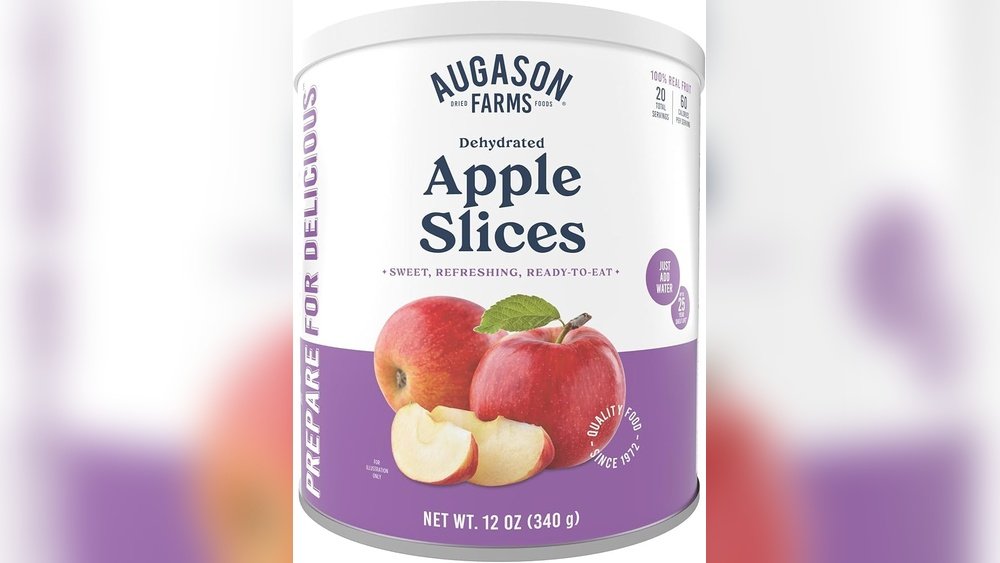
Dehydrated apples are a favorite for many people who love healthy snacks, baking, or want to keep food for emergencies. When apples are dried well and stored correctly, they can last for years without losing taste or nutrition. But many people make mistakes with long-term storage.
Mold, bugs, loss of flavor, and poor texture can happen if you don’t know the right steps. This guide will show you exactly how to store dehydrated apples long term, so you can enjoy them anytime—whether for a quick snack or in your favorite recipes.
Why Store Dehydrated Apples?
Dehydrated apples are both practical and delicious. They don’t spoil quickly like fresh apples, and they are easy to use in many dishes. People store them for several reasons:
- Healthy snack: High in fiber, no need for added sugar.
- Cooking and baking: Useful for pies, oatmeal, or salads.
- Emergency food: Great for disasters or power outages.
- Save money: Buy or grow apples when cheap, then store for later.
But the main reason for long-term storage is to keep these benefits for months or even years. Let’s see how you can do this without losing quality.
Many people also like dehydrated apples because they are lightweight, easy to carry, and make a good snack for hiking or travel. Unlike fresh apples, you don’t need to worry about them bruising or leaking juice in your bag. You can pack them for school lunches, road trips, or camping.
Some parents even prefer them for children because they don’t create sticky messes.
Another benefit is that dehydrated apples retain most of their fiber, minerals, and some antioxidants. You get a similar nutrition boost as you would from eating fresh apples, but in a more convenient form. This is helpful if you want to eat healthy while traveling or when fresh fruit is not available.
Understanding Dehydration And Storage Basics
Before storing, it’s important to know what dehydration does. When apples are dried, most of their water is removed. This prevents bacteria and mold from growing, but only if they stay dry and protected from air, light, and pests.
Many beginners don’t realize that even a little moisture left in apples can cause spoilage. Also, storing in the wrong container or place can ruin months of work. So, every step matters.
It’s also worth noting that the dehydration process doesn’t kill all bacteria or mold spores—it just makes the environment too dry for them to grow. If apples become moist again, those spores can “wake up” and cause spoilage quickly. This is why it’s so important to get the apples as dry as possible before storing and to use containers that protect them from moisture and air.
A non-obvious point: the way you slice your apples before drying also matters. If slices are different thicknesses, some pieces may dry fully while others stay moist inside. That little bit of moisture may not be obvious at first, but it can cause problems later. Consistent slicing is a small detail that makes a big difference in storage quality.
Preparing Dehydrated Apples For Storage
The first step is making sure your apples are fully dehydrated. Here’s how you check:
- Texture test: Properly dried apple slices should be leathery and slightly flexible, not sticky or wet. If you bend a slice and see moisture, they need more drying.
- Cool before storing: Let apples cool at room temperature for at least 30 minutes after dehydrating. Warm apples can create condensation in containers.
Pro Tip: Thicker slices need longer drying. Always check the thickest piece, not just the thin ones.
To improve even further, you can do a “jar test” after drying: Place a few cooled apple slices in a glass jar with the lid on. After a day, open the jar and check for any signs of moisture or condensation. If you see any, put the apples back in the dehydrator for another hour or two. This extra check helps prevent mistakes that lead to mold or spoilage.
Another detail is to avoid overcrowding your dehydrator trays. Overlapping slices can trap steam and cause uneven drying. If you use an oven, set the temperature low (about 135°F or 57°C) and keep the door slightly open to let moisture escape.
Choosing The Right Storage Containers
Not all containers are equal. The best containers for long-term storage are:
- Glass jars (with airtight lids)
- Vacuum-sealed bags
- Mylar bags (with oxygen absorbers)
- Food-grade plastic buckets (for large amounts)
Comparing Storage Containers
Here’s a quick comparison to help you choose:
| Container Type | Protection from Air | Protection from Light | Durability | Best For |
|---|---|---|---|---|
| Glass Jars | Excellent | Poor (unless tinted) | High | Short to medium term, visible storage |
| Vacuum Bags | Excellent | Moderate | Medium | Small batches, freezer storage |
| Mylar Bags | Excellent | Excellent | High | Long-term, large batches |
| Plastic Buckets | Good (with gasket seal) | Excellent | Very High | Bulk storage |
Key Insight: Mylar bags with oxygen absorbers are the gold standard for storage over a year.
An extra note: Many people like glass jars because they can see inside and check for problems without opening the jar. However, glass jars let in light, which can break down vitamins and cause “off” flavors over time. If you use glass, store the jars in a dark cupboard or pantry. For very long-term storage (over two years), Mylar bags protect much better against light, air, and accidental cracks.
Vacuum-sealed bags are great for saving space and can even be frozen for extra safety. However, they can be punctured easily, so keep them away from sharp objects and use them within a year or two for the best results.
Using Oxygen Absorbers And Silica Gel Packs
Oxygen and moisture are enemies of dehydrated foods. Oxygen absorbers and silica gel packs can help.
- Oxygen absorbers: Remove oxygen, stopping bugs and slowing spoilage.
- Silica gel packs: Absorb moisture, keeping apples dry.
Add the right size packet for your container. For example, a 1-quart jar usually needs a 50cc oxygen absorber.
Common Mistake: Don’t use silica gel and oxygen absorbers in the same container—the oxygen absorber can stop working if moisture is too low. Choose based on your apple dryness.
One thing beginners might not know: Oxygen absorbers only work if the container is fully sealed. If air leaks in, the packet fills up quickly and stops working. Always check your seals after closing. For Mylar bags, squeeze the bag gently—if air comes out easily, the seal is not tight enough.
If you live in a humid climate, you may need silica gel packs in containers you open often (like daily snack jars). For long-term sealed storage, use oxygen absorbers instead. Silica gel is good for controlling moisture, but it won’t stop bugs or oxidation.
Packing And Sealing Apples For Storage
Follow these steps to pack your apples safely:
- Fill containers: Don’t leave too much empty space—less air is better.
- Add oxygen absorber or silica gel: Place on top, not mixed in apples.
- Seal immediately: Use airtight lids or heat-seal bags.
- Label: Write the date and type of apple on the container.
If you use Mylar bags, press out as much air as possible before sealing.
Practical Tip: Double-seal Mylar bags for extra safety.
When packing, make sure your hands, scoops, and containers are completely dry and clean. Even a small amount of water or food residue can introduce mold. For glass jars, listen for the “pop” sound when you close the lid—a sign that the seal is tight.
If you plan to use apples often, pack in small containers. This way, you don’t expose the whole batch to air each time you open one. For very large amounts, it’s smarter to use several small bags or jars instead of one big bucket.
If one container has a problem, you only lose a small amount.
Ideal Storage Conditions
Where you keep your apples is just as important as how you pack them. Store in a place that is:
- Cool: Below 60°F (15°C) is ideal. Each 10°F higher can halve shelf life.
- Dark: Light destroys vitamins and changes flavor.
- Dry: Humidity under 60% is best.
- Pest-free: Avoid rodent and insect access.
Basements, pantries, or closets inside the house are better than garages or attics.
Effects Of Storage Conditions
See how different conditions change shelf life:
| Condition | Expected Shelf Life |
|---|---|
| Cool, dark, airtight | 5+ years |
| Room temp, airtight | 1-2 years |
| Warm, some air | 6-12 months |
| Humid, poor seal | Weeks to months |
If you live in a place with high humidity, consider adding a dehumidifier to your storage room or using silica gel packs in cupboards. Temperature changes can also cause condensation inside containers. Try to pick a spot with steady, cool temperatures.
A shelf in an inside closet is often better than a garage, which can get hot or cold.
Monitoring Stored Apples Over Time
Even when stored perfectly, you should check your apples every few months. Watch for:
- Moisture: Slices feel sticky or soft.
- Mold: Any sign means discard the whole batch.
- Color changes: Some browning is normal, but black or gray is not.
- Off smell: Apples should smell sweet, not sour or musty.
If you find moisture, you can re-dry apples and re-seal, but act fast to avoid spoilage.
For large batches, open one container at a time and check before using. It’s smart to keep a small “test jar” that you open every month. If this jar stays good, your other jars are likely safe too.
Sometimes, you may see sugar crystals form on the outside of very dry apple slices. This is normal and not a sign of spoilage. But if you see any white fuzz or spots, it’s mold—throw the whole batch away.

Credit: www.walmart.com
How Long Do Dehydrated Apples Last?
Shelf life depends on your methods and environment:
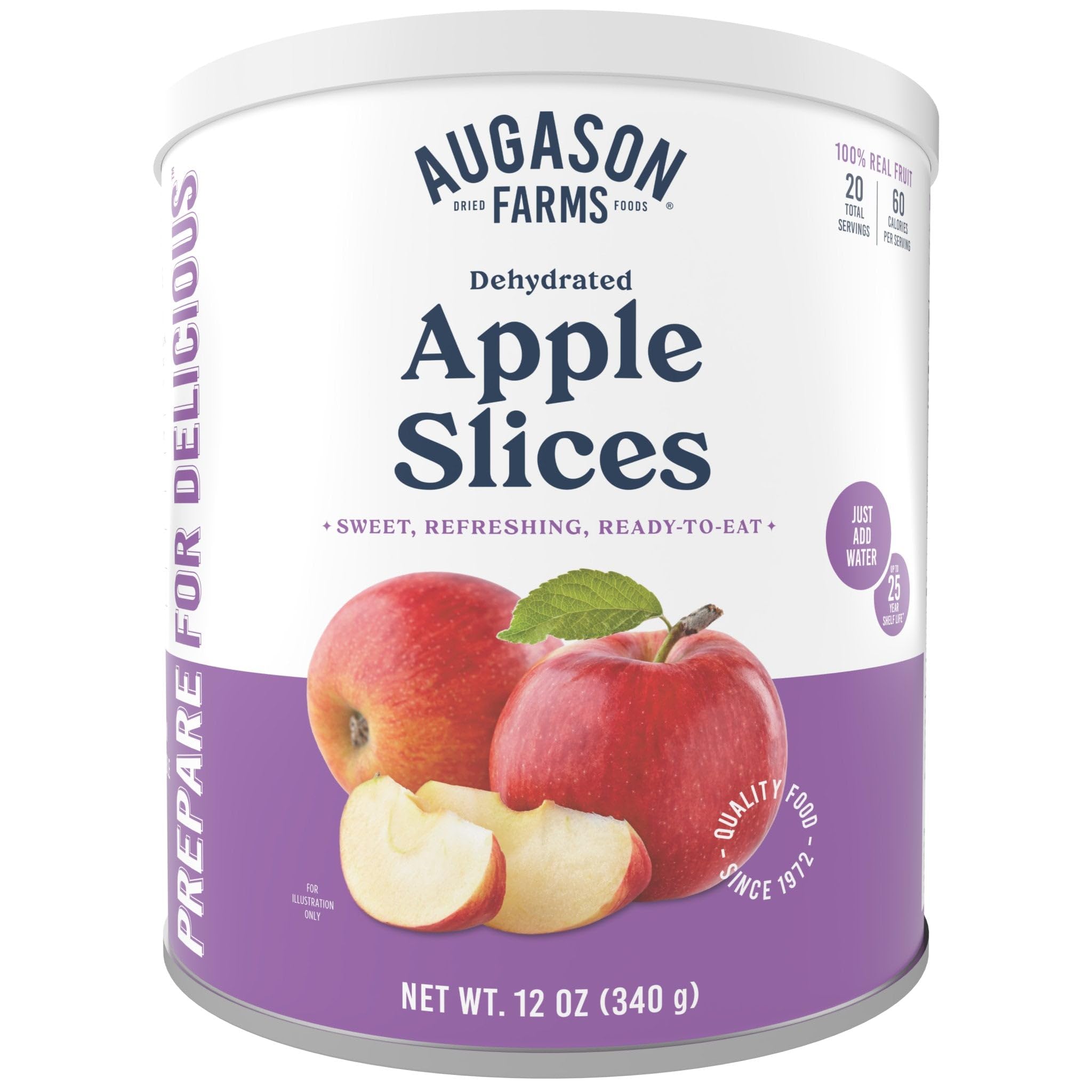
- Airtight, with oxygen absorber, cool and dark: 5 to 10 years.
- Airtight at room temp: Up to 2 years.
- Zipper bags in pantry: 6-12 months.
Non-obvious Insight: Even if apples look fine after 5 years, some vitamins (like vitamin C) will decrease. Taste and nutrition are best in the first 2-3 years.
Another detail: If you notice flavor fading over time, you can use older apples in cooked recipes (like pies or crisps) where a fresh taste is less important. Save your newest apples for snacking, where you’ll enjoy the most flavor.
Special Tips For Maximum Freshness
To get the best results, use these advanced tips:
- Pre-treat apples: Soak in lemon juice or ascorbic acid before drying to keep color and vitamin C.
- Use uniform slices: Thicker pieces can trap moisture.
- Rotate stock: Use the oldest apples first (first in, first out).
- Store in small batches: If one bag spoils, you don’t lose all.
- Avoid plastic containers for long term: They let in air slowly, causing flavor loss.
Beginner Mistake: Storing apples near strong-smelling foods (like onions) can change their flavor over time.
If you want extra-crisp apple chips, you can dry them a little longer. For softer, chewy slices, stop drying a bit sooner—but remember, chewier apples have a shorter shelf life. When in doubt, go drier for longer storage.
What To Avoid When Storing Dehydrated Apples
Some common errors can ruin your hard work:
- Skipping oxygen absorbers in Mylar bags
- Using non-food grade containers
- Not sealing bags fully
- Storing in sunlight or hot places
- Forgetting to check for moisture
Just one mistake can cause a whole batch to go bad.
Be careful with containers that once held chemicals or non-food items. Residues can soak into your apples and make them unsafe to eat. Always use food-grade buckets, jars, or bags.
What To Do If You Find Spoilage
If you see or smell anything wrong—like mold, bugs, or a bad odor—throw the apples away. Do not try to eat or “fix” spoiled apples. Even a small amount of mold can make you sick.
Never try to cut off the bad parts and eat the rest. Mold can grow “roots” that are invisible, and toxins can spread. It’s better to lose a batch than risk your health.

Credit: www.youtube.com
Using Dehydrated Apples From Storage
When you’re ready to eat or cook, you can use dehydrated apples as is, or rehydrate them. To rehydrate:
- Place apples in a bowl.
- Add warm water, just enough to cover.
- Let soak for 15-30 minutes.
They will plump up and be ready for baking, oatmeal, or snacking.
Pro Tip: Don’t rehydrate more apples than you need; rehydrated apples spoil quickly.
If you want to add extra flavor, try soaking apples in apple juice or a mix of water and cinnamon before using in recipes. For apple chips, enjoy them straight from the jar with a little peanut butter or cheese for a healthy snack.
Storing Apples For Emergency Preparedness
If you want apples for emergency food, follow these extra steps:
- Use Mylar bags with oxygen absorbers.
- Store bags inside food-grade buckets for extra protection.
- Keep buckets sealed with a tight lid.
- Put buckets on shelves, not floors (in case of flooding).
Key Insight: Emergency food should be checked once a year, even if you never use it.
It’s also helpful to keep a small notebook with dates and notes on your food storage. This makes it easier to rotate stock and know when to check each batch. In a real emergency, you’ll be glad you took the extra time to organize.
Comparing Dehydrated Apples To Other Fruits
How do dehydrated apples compare to other dried fruits for storage?
| Fruit | Drying Time (hrs) | Shelf Life (ideal conditions) | Difficulty Level |
|---|---|---|---|
| Apples | 6-12 | 5-10 years | Easy |
| Pears | 8-14 | 3-5 years | Medium |
| Bananas | 8-12 | 2-3 years | Easy |
| Berries | 10-20 | 2-4 years | Hard |
Apples are popular because they are easy to dry and have a long shelf life if stored well.
A less-known fact: Berries (like strawberries or raspberries) have tiny pockets that trap moisture, so they need much longer drying and are more likely to spoil if not fully dry. Apples, with their larger, even slices and low fat, are much more forgiving for beginners.
Safety And Nutritional Concerns
Dehydrated apples are safe if dried and stored the right way. But remember:
- No added preservatives: Only pure apples, unless you use lemon juice.
- No need to refrigerate: If sealed tightly.
- Nutrients: Fiber stays, some vitamins (like vitamin C) decrease over time.
- Allergens: Very rare, but check for cross-contamination if you have allergies.
Advanced Tip: For the highest nutrition, use apples shortly after drying, but storage up to several years is still healthy.
If you have food allergies in your family, clean all equipment well before and after drying apples. Cross-contamination with nuts, gluten, or other allergens can happen in shared kitchens or with reused containers.
Eco-friendly And Cost-saving Aspects
Long-term storage is good for the planet and your wallet. Here’s why:
- Less food waste: Save apples that would spoil.
- Lower energy use: No need for refrigeration or freezing.
- Bulk buying: Save money by buying apples in season.
- Reusable containers: Glass jars and buckets can be used again and again.
If you grow your own apples or buy them locally, you lower your carbon footprint even more. Dehydrating in big batches saves time and energy compared to small batches.
When To Use Each Storage Method
Not sure which method is best for you? Here’s a quick guide:
- Short term (1-6 months): Glass jars or vacuum bags
- Medium term (6-24 months): Mylar bags or buckets with oxygen absorbers
- Long term (2-10 years): Mylar bags sealed in buckets, stored cool and dark
If you plan to snack on apples often, choose glass jars for easy access and visibility. For emergency backup, Mylar bags and buckets are best.
Real-world Example: Storing A Year’s Supply
Suppose you want to store enough dehydrated apples for a family of four for a year. Here’s how you could plan:
- Amount needed: About 60 pounds of fresh apples makes 8-10 pounds dried.
- Containers: Five 1-gallon Mylar bags, each with oxygen absorber.
- Buckets: Store the Mylar bags in two 5-gallon food-grade buckets.
- Location: Place buckets in a cool, dark basement.
Rotate the supply each year by eating the oldest apples and adding new ones.
A helpful tip: Keep a small “grab jar” in your kitchen for daily use, and refill from your main buckets as needed. This keeps your main supply safe from moisture and pests.
Where To Learn More
For more information on food storage and safety, visit the National Center for Home Food Preservation.
Credit: www.amazon.ae
Frequently Asked Questions
How Dry Do Apples Need To Be Before Storage?
Apples must be leathery and flexible, with no wet spots. If you fold a slice and it cracks but doesn’t break in half, it’s ready. Any moisture can cause mold, so check carefully, especially on thick pieces.
After cooling, press a slice between paper towels—if it leaves a wet mark, it needs more drying.
Can I Use Regular Zip-top Bags For Long-term Storage?
No, regular zip-top bags are not airtight enough for long-term storage. Use Mylar bags with oxygen absorbers or vacuum-sealed bags for the best results. Zip bags are fine for short-term use only.
How Do I Know If My Dehydrated Apples Have Gone Bad?
Check for mold, unusual colors (black or gray), or a sour smell. If apples feel sticky or soft, moisture has returned. When in doubt, throw them out—eating spoiled dried fruit can make you sick.
Do I Need To Refrigerate Dehydrated Apples?
No, you don’t need to refrigerate dehydrated apples if stored in airtight containers in a cool, dry, and dark place. Refrigeration can help in very humid climates, but it’s not required for most people.
Can I Store Dehydrated Apples With Other Dried Foods?
Yes, but keep them in separate containers to avoid flavor mixing and moisture transfer. For example, don’t store apples with dried onions or herbs in the same bag or jar.
Storing dehydrated apples long term is simple when you know the right steps. With careful drying, the right containers, and attention to detail, you can keep apples fresh and tasty for years. Enjoy the peace of mind and delicious snacks any time, knowing your food is safe and ready when you need it.