
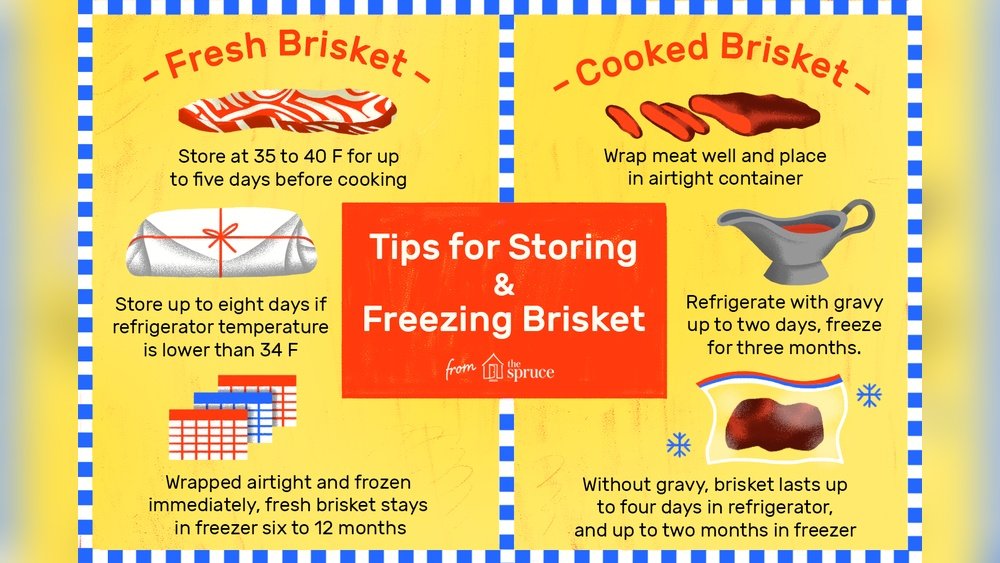
If you love barbecue, you know that cooked brisket is something special. This cut of beef, slow-cooked to tenderness, holds deep flavors and memories of family gatherings or special events. But brisket is big—a whole brisket can weigh 10 to 16 pounds. Most people have leftovers, and storing cooked brisket properly means you can enjoy it later, still juicy and delicious. Mishandling storage can turn your prize brisket dry, chewy, or even unsafe to eat. If you want to keep your brisket at its best, you need more than just a container and a fridge. There are key steps, techniques, and tips that make a real difference.
This guide will show you everything you need to know about how to store cooked brisket. You’ll learn how to keep it moist, safe, and flavorful—whether you want to eat it tomorrow or in three months. We’ll cover the best storage methods, cooling tips, reheating tricks, and common mistakes. You’ll even find guidance for storing brisket for big events, travel, or sending brisket as a gift. Let’s help you get the most from every brisket you cook.
Why Proper Storage Matters
Brisket is different from many meats. It has a unique fat layer, connective tissue, and a strong smoke or spice flavor. When cooked, it becomes tender, but if handled carelessly after cooking, it can lose its magic.
Proper storage keeps the meat safe from bacteria. The USDA says cooked beef should not stay at room temperature for more than 2 hours (or 1 hour if it’s above 90°F/32°C). After this, bacteria multiply fast and can cause food poisoning. But food safety is just the start. Good storage also:
- Keeps brisket moist: Brisket dries out if left uncovered or stored without its juices.
- Preserves flavor: Exposure to air can dull the smoke and spice notes.
- Saves money: You get more meals from your hard work.
- Reduces waste: Less food thrown away means more value from every brisket.
Most people know to “put leftovers in the fridge,” but there’s much more to storing brisket right. The devil is in the details.
Cooling Brisket Before Storage
After brisket finishes cooking, it is often piping hot. Tossing it straight into the fridge is not a good idea. Hot meat can raise your refrigerator’s temperature and affect other foods. But waiting too long at room temperature is unsafe.
Steps For Safe Cooling
- Let brisket rest for 20-30 minutes after cooking. This helps juices settle.
- Cut large briskets into smaller pieces (about 1-2 pounds each). Smaller pieces cool faster and more evenly.
- Separate slices if needed. If you cooked your brisket in slices, lay them out in a single layer on a clean tray.
- Allow brisket to cool at room temperature for 20-30 minutes, but never more than 2 hours (1 hour if it’s hot in your kitchen).
- Optional: Use an ice bath for very large brisket pieces. Place wrapped brisket in a sealed bag, then submerge in an ice bath to cool quickly before refrigeration.
Non-obvious insight: Cooling brisket in smaller pieces helps prevent the “danger zone” (40°F to 140°F), where bacteria grow fastest. Many people skip slicing, leading to uneven cooling and potential food safety issues.
Best Storage Containers For Cooked Brisket
The right container makes a big difference for moisture and flavor. Airtight is best, but there are several options.
Common Container Choices
| Container Type | Pros | Cons |
|---|---|---|
| Plastic airtight container | Reusable, seals well, easy to stack | Can stain, may absorb odor |
| Glass container with lid | Doesn’t stain, keeps flavor, microwave safe | Heavier, breakable |
| Vacuum seal bag | Removes air, best for freezing, keeps brisket moist | Needs special machine, single-use bags |
| Heavy-duty freezer bag | Cheap, flexible size | Not as airtight, can leak if not sealed well |
| Aluminum foil + plastic wrap | Works in a pinch, covers well, good for oven reheating | Not airtight, risk of leaks |
Best practice: For short-term storage (up to 4 days), airtight containers or glass are great. For longer storage, vacuum sealing is the gold standard.
Pro tip: Leave a little space in containers for juices or add a splash of leftover cooking liquid to keep brisket moist.
Storing Brisket In The Refrigerator
Refrigeration is the most common way to store brisket. It’s simple and quick, but there are a few things to do for the best results.
Key Steps For Fridge Storage
- Wrap brisket tightly. Use plastic wrap, then foil, or place directly in an airtight container. This keeps air out.
- Store with juices. Spoon some of the brisket’s own juices (or beef broth) into the container. This keeps slices tender.
- Label the container with the date. Brisket can look like other leftovers, so dating helps you track freshness.
- Place in the coldest part of the fridge. Usually, this is the back, away from the door.
How Long Does Brisket Last In The Fridge?
Cooked brisket is safe in the fridge for 3–4 days. After this, the risk of spoilage or bacteria rises.
| Storage Method | How Long it Lasts | Best For |
|---|---|---|
| Refrigerator (airtight container) | 3-4 days | Meals within the week |
| Freezer (vacuum sealed) | 2-3 months | Long-term storage |
Non-obvious insight: If you know you won’t eat the brisket in 3 days, freeze it right away. Freezing after 3 days in the fridge can lock in off flavors.
Freezing Cooked Brisket
Freezing lets you keep brisket much longer. Done right, the meat stays moist and flavorful for months.
How To Freeze Brisket Properly
- Cool brisket fully before freezing. Warm brisket creates ice crystals, which damage texture.
- Slice before freezing, unless you plan to serve it whole. Slices thaw faster and more evenly.
- Wrap brisket tightly in plastic wrap to prevent freezer burn.
- Place wrapped brisket in a freezer bag or vacuum seal. Remove as much air as possible.
- Add cooking juices or a little beef broth to the bag for extra moisture.
- Label with date and contents.
- Lay flat in the freezer for quick freezing and easy stacking.
How Long Can You Freeze Brisket?
Vacuum-sealed brisket lasts 2–3 months with little loss of quality. After that, it’s still safe, but texture and flavor can fade.
Pro tip: If you freeze brisket in single-meal portions, you can thaw only what you need—no waste.
Signs Of Freezer Burn
Freezer burn looks like grayish-brown spots or dry, leathery patches. It’s not unsafe, but the taste and texture will suffer.
Thawing Cooked Brisket Safely
How you thaw brisket matters. Thawing too fast can dry it out or make it unsafe.
Best Thawing Methods
- Refrigerator method (best): Place brisket (in its wrapping) in the fridge for 12–24 hours. This is safest and keeps meat moist.
- Cold water method: Submerge wrapped brisket in cold water, changing the water every 30 minutes. Thaws in 1–2 hours for small pieces.
- Microwave (last resort): Use only if you plan to eat brisket immediately. Microwaves can overcook or dry meat.
Never thaw brisket at room temperature. This can allow bacteria to grow.
Non-obvious insight: After thawing, brisket should be eaten within 3 days. Do not refreeze once thawed, as quality drops quickly.

Credit: www.youtube.com
Reheating Stored Brisket
Even the best-stored brisket can become dry when reheated. The right reheating method brings back juiciness and flavor.
Best Ways To Reheat Brisket
- Oven method: Preheat oven to 325°F. Place brisket in a roasting pan with a little beef broth or leftover juices. Cover tightly with foil. Heat for 20-30 minutes or until hot. This is the best way for large pieces or whole briskets.
- Sous vide: Place brisket (vacuum-sealed or in a zipper bag) in a water bath at 155°F for 1–2 hours. This method keeps brisket perfectly moist and evenly heated.
- Stovetop (for slices): Heat a skillet over low heat. Add a splash of broth, then brisket slices. Cover and steam until warm.
- Microwave (for small portions): Place brisket in a microwave-safe dish with some juice or broth. Cover with a lid or wrap. Use 50% power to avoid overcooking.
Tips For Juicy Reheated Brisket
- Always reheat with some liquid (broth, juice, or even water).
- Do not overheat; brisket dries out easily.
- Let brisket rest for a few minutes after reheating to let juices redistribute.
Non-obvious insight: Reheating brisket slowly (like sous vide or a low oven) is the best way to keep its texture and flavor. Quick heat methods (microwave or high-heat oven) are handy but risk dryness.
Storing Brisket For Events Or Meal Prep
Brisket is a popular choice for parties, holidays, or meal prep. If you’re cooking ahead, storage becomes even more important.
For Large Gatherings
- Cook brisket the day before. Cool, slice, and store with juices.
- Reheat gently on event day. Use a slow cooker or oven with a bit of extra broth.
- Serve from a covered pan to keep brisket warm and moist for hours.
For Meal Prep
- Portion brisket into meal-sized packages. Vacuum seal or use airtight containers.
- Label with the date and contents for easy tracking.
- Freeze extra portions for later use.

Credit: www.youtube.com
Storing Brisket For Travel Or Shipping
Sometimes you want to take brisket on the road or send it as a gift.
Traveling With Brisket
- Cool brisket fully before packing.
- Vacuum seal for best results.
- Pack with ice packs in a cooler. Brisket should stay below 40°F during travel.
- For long trips, use dry ice (with proper handling) to keep brisket frozen.
Shipping Brisket
- Freeze brisket solid before shipping.
- Vacuum seal to prevent leaks and freezer burn.
- Use insulated shipping boxes with dry ice or gel packs.
- Choose overnight shipping to reduce time in transit.
Non-obvious insight: Label brisket with “Perishable: Keep Refrigerated” so handlers know to keep it cold.
Common Mistakes When Storing Cooked Brisket
Even experienced cooks can make small mistakes that ruin brisket. Here’s what to watch for:
- Storing brisket while hot: This raises fridge temperature and risks spoilage.
- Not using airtight containers: Air dries out meat and dulls flavor.
- Skipping the juices: Dry storage makes brisket chewy and bland.
- Freezing in large blocks: Takes too long to thaw and can become mushy.
- Thawing at room temperature: Unsafe and can allow bacteria to multiply.
- Reheating without liquid: This is the fastest way to dry brisket.
- Forgetting to label: Old brisket can get lost and wasted.
- Refreezing thawed brisket: Quality drops sharply and texture suffers.
Pro tip: If you have a lot of brisket, split it into a few different storage types—some for the fridge, some for the freezer. That way, you always have brisket ready for a quick meal or a special occasion.
:max_bytes(150000):strip_icc()/slicedbeefbrisket_getty2400-56a4980d3df78cf7728327b9.jpg)
Credit: www.thespruceeats.com
Storing Brisket With And Without Sauce
Brisket can be cooked plain, with rub, or with sauce. Storage methods change slightly depending on this.
With Sauce
- Store brisket and sauce together if you want the meat to soak up flavor.
- Keep sauce separate if you want to control moisture when reheating (some sauces can get too thick or oily when cold).
Without Sauce
- Add a splash of broth or pan juices to keep brisket moist.
- You can add sauce during reheating for fresh flavor.
Non-obvious insight: Storing brisket with sauce can change the texture. Tomato-based sauces can make brisket softer; vinegar-based sauces can make it tangier over time.
How To Tell If Stored Brisket Has Gone Bad
Even with the best care, brisket does not last forever. It’s important to know the signs of spoilage.
Signs Your Brisket Is No Longer Safe
- Slimy texture: Brisket feels sticky or slippery.
- Off smell: Any sour, rancid, or ammonia-like odor means brisket has spoiled.
- Color change: Gray or green spots are warning signs.
- Mold: Any white, blue, or black spots—throw it out.
If you have any doubt, throw it out. Food poisoning is not worth the risk.
Creative Ways To Use Stored Brisket
Leftover brisket is a treat. If you store it right, you can use it in many creative dishes.
- Brisket tacos: Slice thin, heat with onions and peppers, serve on tortillas.
- Brisket chili: Chop brisket and add to your favorite chili recipe.
- Brisket sandwiches: Warm slices with barbecue sauce on a bun.
- Brisket hash: Fry with potatoes, onions, and eggs for breakfast.
- Brisket pizza: Top a pizza with brisket, cheese, and barbecue sauce.
Pro tip: Store brisket in small amounts so you can try different recipes without thawing too much at once.
Comparison: Storing Brisket Vs. Other Meats
Brisket storage has unique challenges compared to chicken, pork, or steak.
| Meat Type | Best Storage Method | Unique Tips |
|---|---|---|
| Brisket | Vacuum-sealed with juices | Needs extra moisture; slices freeze best |
| Chicken | Airtight container | Cool fully before storing; white meat dries faster |
| Pulled pork | With sauce in airtight container | Sauce helps keep meat moist |
| Steak | Wrapped tightly; single portions | Reheat quickly to avoid overcooking |
Non-obvious insight: Brisket’s higher fat and connective tissue make it more forgiving during storage and reheating than leaner meats like chicken breast.
Environmental And Health Considerations
Storing brisket can have a small impact on the environment, especially if you use a lot of single-use plastic bags or wrap. Here are a few ways to be more eco-friendly:
- Use reusable containers when possible.
- Recycle plastic bags if your area allows.
- Freeze in glass containers (leave space for expansion).
- Compost food scraps like fat trimmings, if you have a compost system.
On the health side, always reheat brisket to at least 165°F to kill any bacteria. Use a food thermometer for accuracy.
Frequently Asked Questions
How Do I Keep Brisket Moist During Storage?
The best way is to store brisket with its own juices or add some beef broth. Always use airtight containers to keep moisture in. If you slice brisket before storing, lay slices flat and cover with a little liquid. For freezing, vacuum-sealing with juices works best.
Can I Freeze Brisket With Barbecue Sauce On It?
Yes, you can freeze brisket with sauce. However, some sauces (especially those with vinegar or tomato) may change texture during freezing. For best results, freeze sauce separately and add it when reheating. This gives more control over flavor and moisture.
Is It Safe To Eat Brisket Left Out Overnight?
No, it is not safe. Brisket left at room temperature for more than 2 hours (or 1 hour above 90°F) is at risk for bacteria growth and should be thrown out. This guideline is based on food safety standards from the USDA. If in doubt, always discard.
What Is The Best Way To Reheat Frozen Brisket?
The oven and sous vide methods are best for reheating frozen brisket. Thaw the brisket in the fridge overnight first, then reheat in a covered pan with some broth at 325°F, or sous vide at 155°F. If you’re short on time, you can reheat from frozen, but use a lower oven temperature and allow extra time.
Can I Store Brisket In Its Original Foil Wrap From The Smoker?
You can, but it’s better to add a layer of plastic wrap under the foil or move brisket to an airtight container. Foil alone is not airtight, so brisket can dry out faster. If you have leftover juices, add them before wrapping. For longer storage, use vacuum sealing.
For more details on food safety rules, you can visit the USDA Food Safety site.
Final Thoughts
Storing cooked brisket is more than just putting leftovers in the fridge. With the right steps, your brisket stays juicy, safe, and flavorful—ready for sandwiches, tacos, or a family meal days or weeks later. Cool brisket quickly, use airtight containers, and always add a bit of moisture.
Freeze in meal-sized portions if you want to enjoy brisket later. Avoid common mistakes, and your hard work will pay off with every bite.
Remember, great brisket isn’t just about how you cook it—it’s about how you store and reheat it, too. With these tips and insights, you’re set for brisket success every time.