
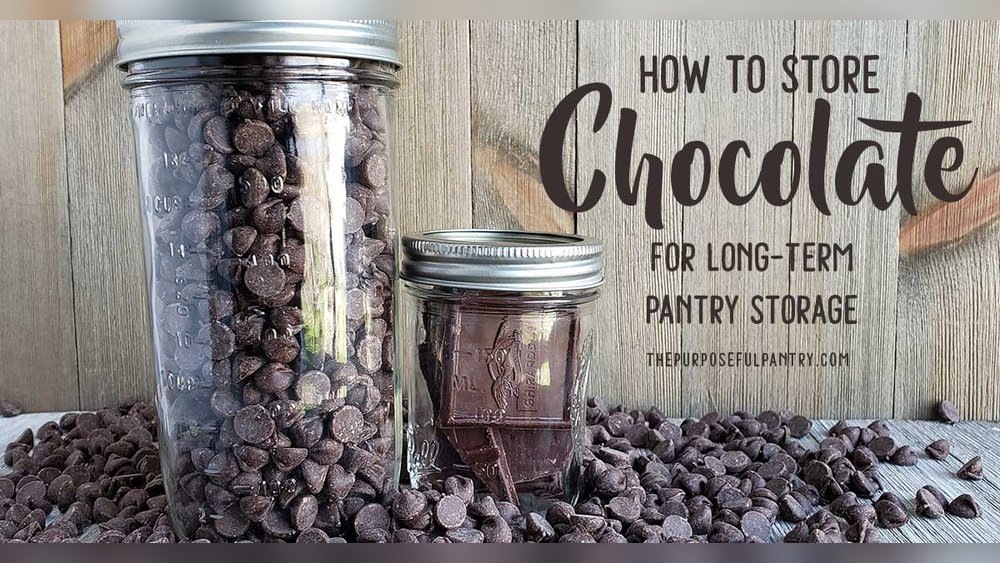
Storing chocolate for the long term is not as simple as keeping it in a box in your pantry. Chocolate is a delicate product. It reacts to temperature, humidity, air, and even light. If stored incorrectly, it can lose its flavor, change texture, or develop a white layer called “bloom.
” Whether you’re a chocolate lover with a big stash, a baker, or just want to save chocolate for special occasions, knowing the right storage techniques can save you money and disappointment. This guide will show you the science, methods, and best practices for keeping chocolate fresh for months—or even years.
You’ll also learn about mistakes most people make and how to avoid them, so your chocolate stays as delicious as the day you bought it.
Understanding Chocolate’s Shelf Life
Chocolate is unique. It contains cocoa solids, cocoa butter, sugar, and often milk. Each ingredient reacts differently to time and storage conditions.
Dark chocolate lasts the longest. It can stay good for up to two years if stored well because it has little to no milk solids. Milk chocolate and white chocolate have more dairy, so their shelf life is shorter—usually about 6 to 12 months.
But chocolate doesn’t “spoil” like milk or fresh fruit. Instead, it slowly loses quality. The taste gets bland, the texture can change, and you might see a white or gray coating (bloom). This isn’t harmful, but it means the chocolate is past its prime.
Main Factors Affecting Shelf Life
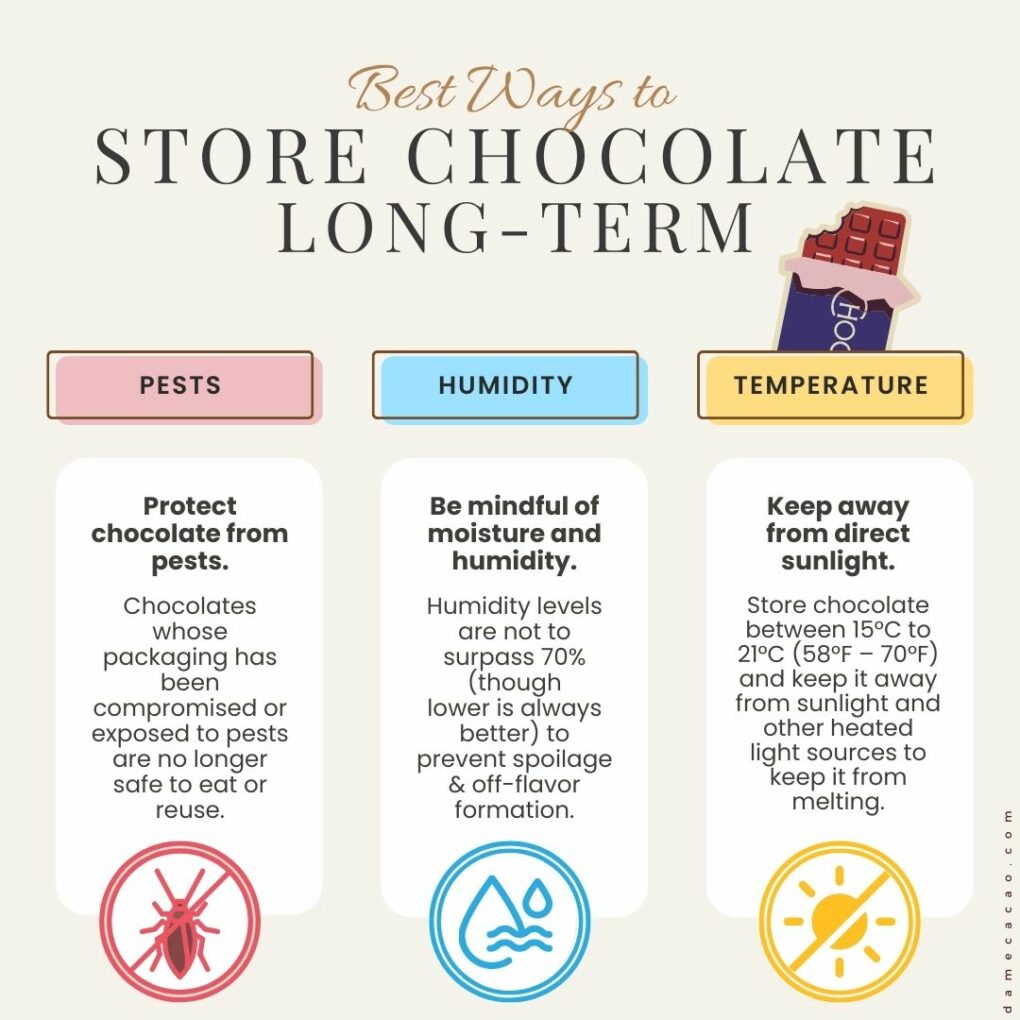
- Temperature: Heat makes chocolate melt and separate. Cold can cause condensation and sugar bloom.
- Humidity: Moisture causes sugar to dissolve and rise to the surface, making chocolate gritty.
- Light: Sunlight or artificial light fades flavor and color.
- Air: Oxygen speeds up fat oxidation, leading to off flavors.
- Odors: Chocolate absorbs smells from nearby foods easily.
Many people think chocolate lasts forever if unopened. In reality, even sealed chocolate loses quality over time if not stored correctly.
Types Of Chocolate And Their Storage Needs
Every type of chocolate needs slightly different care. Knowing the differences helps you make smarter decisions about storage.
Dark Chocolate
Dark chocolate contains more cocoa solids and less sugar or dairy. It’s more stable and less likely to spoil quickly. If you plan to store chocolate for over a year, dark chocolate is the best choice. It handles fluctuations in temperature and humidity better than milk or white chocolate.
Milk Chocolate
Milk chocolate is softer, sweeter, and has milk powder or condensed milk. These ingredients make it more sensitive to heat and moisture. Milk chocolate should be eaten within 6 to 12 months for the best flavor, but with good storage, it can last longer.
White Chocolate
White chocolate contains cocoa butter, sugar, and milk, but no cocoa solids. It’s the most sensitive to temperature changes and can develop off-flavors or spoil faster. Long-term storage for white chocolate is tricky but possible with careful handling.
Filled Chocolates And Truffles
Chocolates with fillings (like cream, caramel, or fruit) have a much shorter shelf life. Some need refrigeration. These are not good candidates for storage over several months.
Credit: www.thepurposefulpantry.com
The Science Of Chocolate Deterioration
Chocolate changes over time. Two common problems are fat bloom and sugar bloom. Both can make chocolate look or feel strange, but they happen for different reasons.
Fat Bloom
Fat bloom is a white, greasy-looking layer on the chocolate’s surface. It happens when chocolate melts a little and then cools too slowly, causing cocoa butter to separate and move to the surface. This usually happens if chocolate is stored in a warm place or exposed to temperature swings.
Sugar Bloom
Sugar bloom looks like a dusty or rough white coating. It appears when moisture lands on chocolate, dissolves the sugar, and then evaporates. The sugar re-crystallizes on the surface. This can happen in humid environments or if chocolate is moved from cold to warm places without proper care.
Flavor Loss And Odor Absorption
Chocolate is very good at picking up smells from its environment. If you store chocolate near onions, spices, or cleaning products, it can taste odd. Over time, exposure to air and light also makes chocolate lose its aroma and taste.
Best Containers And Packaging For Long-term Storage
The way you package chocolate is just as important as where you store it. Good packaging keeps out air, moisture, and odors.
Original Packaging
Chocolate bars and blocks often come in foil or plastic wrapping. This is designed to keep chocolate fresh for a few months. For longer storage, you’ll need more protection.
Airtight Containers
Use airtight glass or plastic containers for storing chocolate. These prevent air and moisture from getting in. Make sure the container is clean and completely dry before you use it.
Vacuum Sealing
For the longest shelf life, vacuum sealing is the gold standard. Removing air from the package slows down oxidation and keeps flavors locked in. You can buy small vacuum sealers for home use. Wrap the chocolate in its original packaging (if possible), then vacuum seal it.
Freezer Bags
If you plan to freeze chocolate, use high-quality freezer bags. These are thicker than normal plastic bags and keep out moisture.
Avoid Metal Containers
Metal can react with chocolate, especially if there’s moisture. Stick to food-safe plastic or glass.
Ideal Storage Conditions: Temperature And Humidity
The right environment makes all the difference. Chocolate’s biggest enemies are heat and humidity.
Temperature
Chocolate stores best at 55°F to 68°F (13°C to 20°C). Don’t store it in places that get hotter or colder. Avoid temperature swings—moving chocolate from hot to cold (or vice versa) can cause bloom and texture changes.
- Pantry or cupboard: If your home stays cool year-round, a dark pantry is perfect.
- Wine fridge: These keep a stable, cool temperature and low humidity.
- Basement: If dry and cool, a basement can be a good spot.
Humidity
Aim for humidity below 50%. High humidity causes sugar bloom and mold. If you live in a damp area, consider using silica gel packs (the kind found in shoe boxes) in your container to absorb extra moisture.
Light
Keep chocolate away from sunlight and strong indoor lights. Store chocolate in a dark place or in opaque containers.
Storing Chocolate In The Pantry
For most people, the pantry is the go-to place for chocolate. It’s simple and works well if your home is cool and dry.
- Make sure the pantry is not near the stove, oven, or dishwasher.
- Keep chocolate in its original wrapper, then place it in an airtight container.
- Add a food-safe silica gel packet to absorb moisture if needed.
Chocolate stored this way will last several months to a year, depending on the type.
Refrigeration: When And How To Use The Fridge
People often ask if they should keep chocolate in the refrigerator. The answer is: only if you must. Fridges are cold but also humid, and the temperature changes every time you open the door.
When To Refrigerate Chocolate
- If your home is always above 75°F (24°C)
- If you live in a tropical or very humid climate
How To Refrigerate Chocolate Properly
- Wrap the chocolate tightly in plastic wrap or foil.
- Place it in an airtight container or freezer bag.
- Add a silica gel packet if you have one.
- Put the container on a middle shelf, away from strong-smelling foods.
To avoid condensation, let the chocolate come to room temperature before unwrapping it. Take it out of the fridge and leave it wrapped for 2–3 hours.
Freezing Chocolate For Very Long-term Storage
Freezing is the best way to store chocolate for a year or longer. Done right, it keeps chocolate fresh and safe from pests.
How To Freeze Chocolate
- Make sure the chocolate is in good condition—no bloom or signs of spoilage.
- Wrap each bar or piece in plastic wrap or foil.
- Place wrapped chocolate in an airtight freezer bag or vacuum-sealed pouch.
- Label with the date and type of chocolate.
Thawing Chocolate
The biggest risk with frozen chocolate is condensation, which causes sugar bloom. To prevent this:
- Move the chocolate from the freezer to the refrigerator for 24 hours.
- Then, bring it from the fridge to room temperature before unwrapping.
This slow process prevents moisture from forming on the chocolate.
How Long Can You Freeze Chocolate?
Dark chocolate can be frozen for up to 2 years. Milk and white chocolate stay good for 8–12 months. The flavor may fade a little, but quality is usually excellent if you follow the right steps.

Credit: www.youtube.com
Comparing Storage Methods
To help you see the differences, here’s a quick comparison of storage methods:
| Storage Method | Recommended For | Max Storage Time | Main Risks |
|---|---|---|---|
| Pantry (cool, dark) | All solid chocolate | 6–12 months | Heat, humidity, odors |
| Refrigerator | Milk/white chocolate in hot climates | Up to 1 year | Condensation, odors |
| Freezer | Dark/milk/white chocolate | 1–2 years | Sugar bloom if thawed wrong |
| Vacuum-sealed (pantry or freezer) | All types | 1–2 years (dark) | Plastic taste if not food-safe |
Storing Bulk Chocolate Vs. Small Quantities
The amount of chocolate you have can affect your storage plan.
Bulk Storage
If you buy bulk chocolate (large bars or blocks), break it into smaller pieces. Wrap each piece separately in foil or parchment paper, then store together in a large airtight container. This way, you open only what you need, keeping the rest sealed and fresh.
Small Quantities
For a few bars or small pieces, keep them in their original packaging inside an airtight container. This adds an extra layer of protection.
Common Mistakes To Avoid
Many people make simple mistakes that ruin chocolate faster than necessary. Here are a few to watch for:
- Storing in the kitchen: Heat from appliances ruins chocolate quickly.
- Leaving chocolate unwrapped: Air and odors will change the taste.
- Moving chocolate in and out of the fridge: Each temperature change risks condensation and bloom.
- Storing with strong-smelling foods: Chocolate picks up odors from cheese, onions, spices, and even cleaning products.
- Using wet containers: Any moisture will cause sugar bloom or mold.
- Not labeling frozen chocolate: You might forget what type or how old it is.
Remember, chocolate can look fine but taste bland if stored badly. Don’t let all your effort go to waste.
Advanced Tips For Chocolate Storage
Some less obvious tips can make a big difference, especially for chocolate lovers and bakers.
Use Silica Gel Packs
Adding a small, food-safe silica gel pack to your storage container helps keep humidity low. Just make sure it never touches the chocolate directly.
Store Different Types Separately
Keep dark, milk, and white chocolate in separate containers. Their flavors can blend if stored together.
Avoid Repeated Temperature Fluctuations
Chocolate hates changing temperatures. If you store chocolate in the fridge or freezer, don’t open the door often. Frequent changes cause condensation and fat bloom.
Watch For Seasonal Changes
If your home gets much warmer or more humid in summer, move your chocolate stash to a cooler area before trouble starts.
Consider Wine Refrigerators
A wine fridge is perfect for chocolate: cool, dark, and consistent. This is a popular trick among professional chocolatiers.
Special Considerations For Homemade Or Artisanal Chocolates
Homemade chocolate and artisan truffles are more sensitive than mass-produced chocolate bars. They often lack preservatives and have fresh cream or butter in the filling.
- Eat homemade chocolates within 2 weeks, or freeze them.
- Always label and date the batch before freezing.
- For fancy chocolate with nuts or fruit, check for signs of spoilage before storing long term.
How To Tell If Chocolate Has Gone Bad
Chocolate rarely gets moldy, but it can go bad in other ways. Signs to look for:
- White or gray film: Fat or sugar bloom. Not harmful but lowers quality.
- Dry or crumbly texture: Chocolate has lost moisture and flavor.
- Off or musty smell: Chocolate has absorbed odors or gone stale.
- Mold spots: Rare, but possible in filled chocolates or high humidity.
If only bloom is present, you can still use the chocolate for baking. If it smells or tastes bad, throw it out.
Using Old Or Bloomed Chocolate
If you find chocolate that looks old or has bloom, don’t throw it away immediately. As long as it smells and tastes normal, it’s safe to use in baked goods, hot chocolate, or melted desserts. Bloomed chocolate melts just as well as fresh, but it may not look perfect for dipping or decoration.
Table: Shelf Life Of Different Chocolates
To help you plan, here’s how long each type of chocolate lasts under good storage:
| Type of Chocolate | Pantry | Refrigerator | Freezer |
|---|---|---|---|
| Dark Chocolate | 1–2 years | Up to 2 years | Up to 2 years |
| Milk Chocolate | 6–12 months | 1 year | 1 year |
| White Chocolate | 6–12 months | 8–12 months | 8–12 months |
| Filled Chocolates | 2–4 weeks | 2–3 months | 3–6 months |
Credit: damecacao.com
The Role Of Expiration Dates
Most chocolate has a best-by date, not a hard expiration date. This is the manufacturer’s estimate of when the chocolate will taste best. Chocolate often stays safe to eat well after this date if stored properly. The key is to check for signs of spoilage, like off smells or mold.
Emergency Storage: What To Do Without Ideal Conditions
Sometimes, you may need to store chocolate during travel, power outages, or in a hot climate without a fridge.
- Wrap chocolate in several layers of foil and keep it in an insulated bag.
- Store in the coolest, darkest spot you can find.
- Keep it away from windows, ovens, or appliances that generate heat.
- If you have to store chocolate in your car, use a cooler with ice packs (but keep the chocolate dry).
Why Long-term Chocolate Storage Matters
You might wonder why anyone would store chocolate for months or years. There are several reasons:
- Bulk buying saves money.
- Emergency food supplies: Chocolate is a high-energy, long-lasting treat in a survival kit.
- Special occasions: Keeping rare or favorite chocolate for holidays or gifts.
- Baking: Having a supply ready for recipes.
Knowing how to store chocolate properly helps you enjoy it at its best, whenever you want.
Real-world Examples And Surprising Insights
Many people are surprised to learn that famous chocolate brands often store their products in warehouses for months before selling. They use climate-controlled rooms and vacuum packaging to keep chocolate fresh.
Another insight: old chocolate can be “refreshed” for baking by melting and re-tempering it. The flavor returns, even if the appearance is not perfect.
Professional chocolatiers sometimes use nitrogen-flushed packaging to remove all oxygen, but this is not practical at home. Still, vacuum sealing offers similar benefits and is a smart upgrade for anyone serious about chocolate storage.
Frequently Asked Questions
How Can I Tell If My Chocolate Is Still Safe To Eat?
If your chocolate has no mold, does not smell musty or off, and shows only minor bloom, it is safe to eat. Bloom affects appearance and texture but not safety. Always taste a small piece before using old chocolate.
Is It Okay To Freeze All Types Of Chocolate?
You can freeze dark, milk, and white chocolate. However, filled chocolates (like truffles or creams) may not freeze well because of their moist fillings. Always wrap chocolate tightly and thaw slowly to avoid condensation.
Why Does My Chocolate Turn White Or Gray In Storage?
This is usually fat bloom or sugar bloom. Fat bloom is caused by temperature changes; sugar bloom is from moisture. Both are harmless, but the chocolate may not look or taste as good.
Can I Store Chocolate With Nuts Or Fruit Long Term?
Chocolate with nuts, fruit, or other inclusions has a shorter shelf life. The oils in nuts can go rancid, and fruit can grow mold. Store these types in the fridge or freezer and use within a few months.
What Is The Best Way To Store Chocolate For Baking?
Keep baking chocolate in an airtight container, in a cool, dark pantry or freezer. Break large blocks into smaller pieces for easy use. Always check for signs of bloom or spoilage before using.
Storing chocolate long term is both an art and a science. With the right methods, you can keep your favorite chocolate delicious for a year or more. The key is controlling temperature, humidity, and air. Use airtight packaging, choose the right storage spot, and avoid common mistakes.
By following these steps, you’ll always have top-quality chocolate ready for every craving or recipe.
For more in-depth information on chocolate chemistry and storage, see this Wikipedia article about chocolate.