
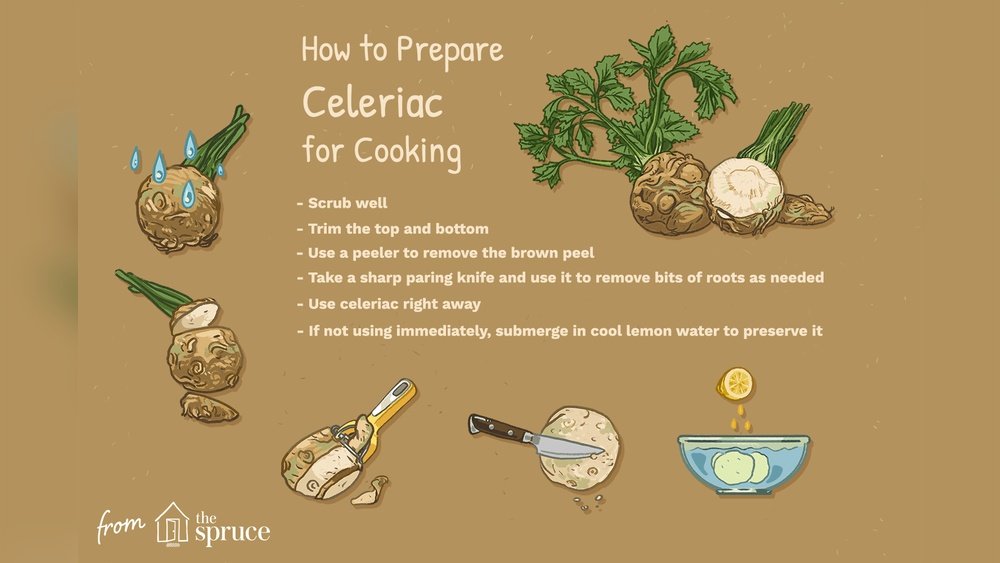
Storing celeriac can be tricky if you have never handled this unique vegetable before. Celeriac, also known as celery root, is not the most popular produce, but it is gaining attention because of its nutty flavor and health benefits. If you bought celeriac from the market, harvested it from your garden, or just want to keep it fresh for longer, proper storage is essential. Many people waste celeriac because they do not know the right methods. With the right approach, you can enjoy celeriac for weeks or even months, minimizing waste and maximizing flavor.
This guide will help you understand the best ways to store celeriac. You will learn how to prepare it, which storage methods work, and what mistakes to avoid. You will also get useful tips for different situations, such as storing celeriac raw, cooked, or frozen.
By the end, you will feel confident in keeping celeriac fresh, no matter your kitchen setup.
Understanding Celeriac
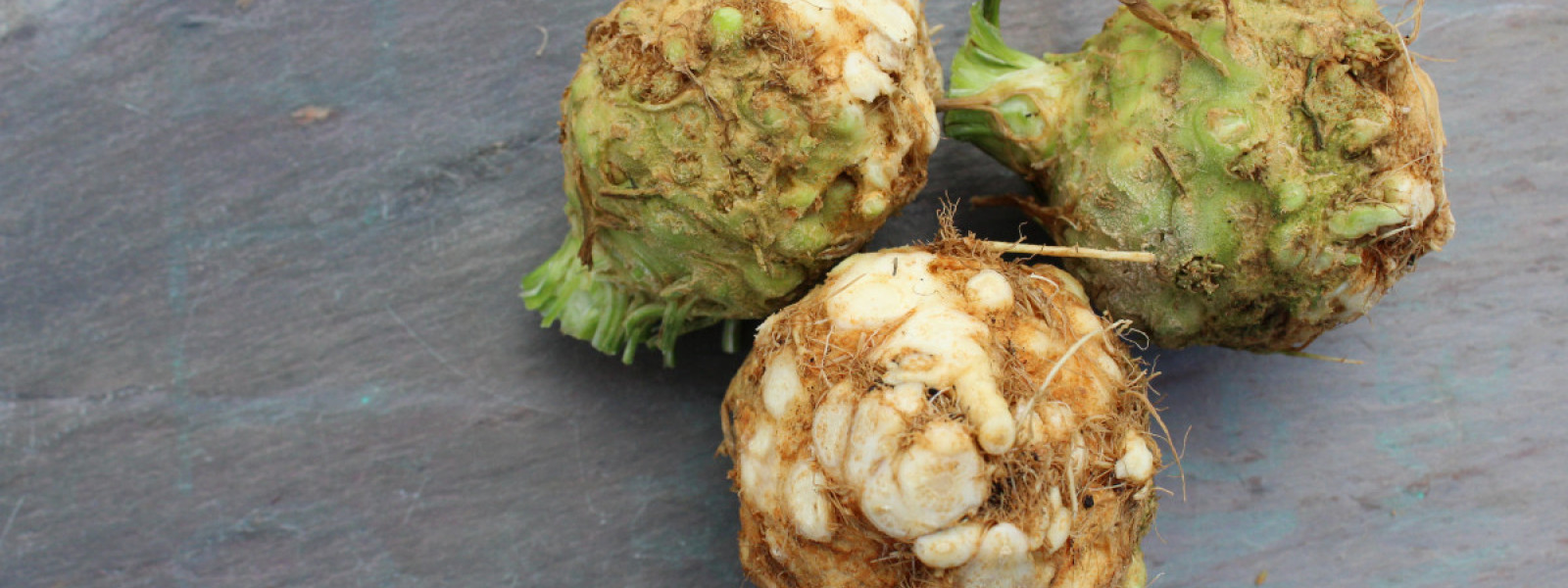
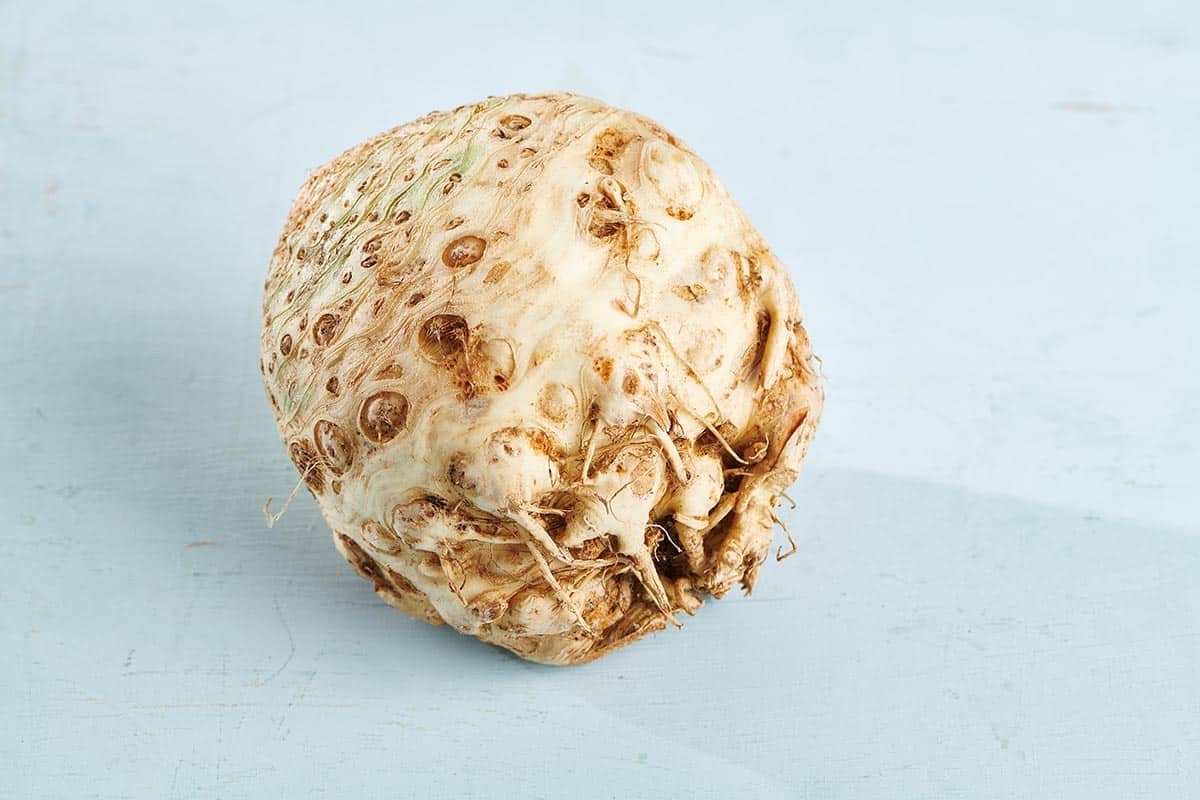
Celeriac is a root vegetable that looks rough and knobby on the outside. Inside, it is creamy and firm. The flavor is similar to celery, but milder and nuttier. It is used in soups, stews, salads, and purees. Celeriac is rich in fiber, vitamin K, and potassium, making it a nutritious choice.
The skin of celeriac protects the inside from moisture and bacteria, but once the skin is removed, the flesh will brown quickly. Proper storage starts with understanding how celeriac reacts to air, moisture, and temperature.
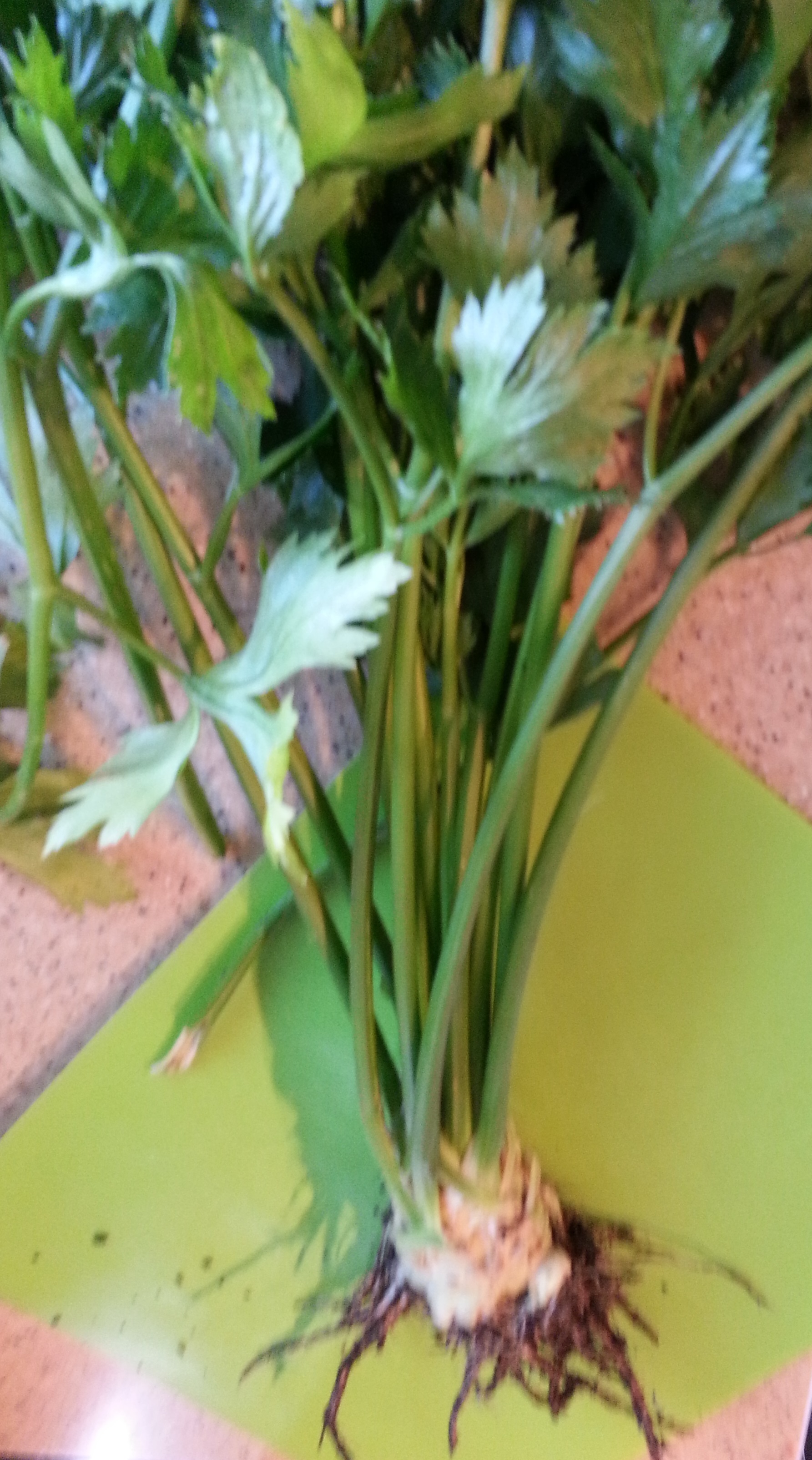
Celeriac is usually sold with or without its leaves. The leaves can be used as herbs, but the root is the main part for cooking. If you harvest celeriac at home, it is best to store it soon after digging it up.
Preparing Celeriac For Storage
Before you store celeriac, it is important to prepare it correctly. Taking time at this stage will improve how long celeriac stays fresh.
Cleaning
Do not wash celeriac unless you plan to use it soon. If you want to store it, simply brush off any dirt. Washing introduces moisture, which can cause rot. If you must wash, dry it thoroughly with a towel.
Trimming
Cut off any leaves or stems. These draw moisture out of the root, making it spoil faster. If the leaves are healthy, keep them separately in a bag in the fridge.
Inspecting
Look for bruises, soft spots, or cuts. Damaged celeriac will not store well. Use damaged pieces immediately or discard them.
Drying
Make sure celeriac is completely dry before storing. Moisture is the main cause of spoilage.
Credit: cedarcirclefarm.org
Storing Whole Celeriac
Storing whole, unpeeled celeriac is the best way to keep it fresh for the longest time. The skin protects the inside, and the root stays firm.
Room Temperature
You can store celeriac at room temperature if you plan to use it within a week. Keep it in a cool, dry place, away from sunlight. Do not put it near apples or bananas, which release ethylene gas and cause vegetables to spoil faster.
Refrigerator
For longer storage, use the refrigerator. Place celeriac in the crisper drawer, which is designed for vegetables.
- Wrap celeriac in a paper towel to absorb moisture
- Put it in a perforated plastic bag or a mesh bag
- Keep the temperature between 32°F and 40°F
Unpeeled celeriac can last up to four weeks in the fridge.
Root Cellar
If you have a root cellar or a basement, this is ideal for storing celeriac. Keep the humidity at around 90% and the temperature near 35°F. Place celeriac in a box filled with sand, sawdust, or peat moss. This keeps it dry and cool.
Celeriac can last three to five months in a root cellar.
Comparison Table: Room Temperature Vs Refrigerator Vs Root Cellar
| Storage Method | Temperature | Humidity | Expected Shelf Life |
|---|---|---|---|
| Room Temperature | 60–70°F | Low | 1 week |
| Refrigerator | 32–40°F | Medium | 4 weeks |
| Root Cellar | 35°F | High (90%) | 3–5 months |
Storing Cut Or Peeled Celeriac
Once celeriac is cut or peeled, it becomes more vulnerable. The flesh starts to turn brown because of oxidation. If you want to keep cut celeriac for more than a day, you need to protect it.
Using Acidic Water
Place peeled or cut celeriac in a bowl of water with a splash of lemon juice or vinegar. This slows down the browning process.
- Use 1 tablespoon of lemon juice per quart of water
- Keep the celeriac submerged
Refrigerator Storage For Cut Celeriac
Store cut celeriac in an airtight container. If you use the acidic water method, keep the pieces covered in water inside the container.
- Change the water every two days
- Use cut celeriac within five days
Freezing Cut Celeriac
Freezing is a good option if you have more celeriac than you can use. However, frozen celeriac works best in cooked dishes.
Steps To Freeze Celeriac
- Peel and cut celeriac into cubes or slices
- Blanch in boiling water for 2–4 minutes
- Cool quickly in ice water
- Drain and dry
- Place in freezer bags or containers
- Label with date
Frozen celeriac can last up to eight months. It is best for soups, stews, and purees.
Comparison Table: Refrigerator Vs Freezer For Cut Celeriac
| Storage Method | Preparation | Shelf Life | Best Use |
|---|---|---|---|
| Refrigerator | Acidic water or airtight container | 5 days | Raw, salads |
| Freezer | Blanched, dried, bagged | 8 months | Cooked dishes |
Storing Cooked Celeriac
Cooked celeriac has a shorter shelf life than raw. Whether you roasted, mashed, or pureed celeriac, you need to store it properly.
Refrigerator
Place cooked celeriac in a sealed container. Keep it in the fridge, and use within three to four days. Always cool cooked celeriac before storing. Warm food in the fridge can cause condensation and spoilage.
Freezer
You can freeze cooked celeriac, but the texture will change. Pureed celeriac freezes better than roasted pieces.
- Let celeriac cool
- Place in freezer-safe containers or bags
- Remove air to prevent freezer burn
Cooked celeriac can last three months in the freezer.
Tips For Storing Cooked Celeriac
- Label containers with date and contents
- Avoid freezing celeriac with cream or milk (these ingredients can separate)
- Reheat frozen celeriac slowly to keep the texture
Storing Celeriac Leaves
If your celeriac comes with leaves, you can use them as an herb. The leaves taste like celery, but stronger. They spoil faster than the root, so store them separately.
Refrigerator
Wrap leaves in a damp paper towel and place them in a plastic bag. Keep in the vegetable drawer. Use within three to five days.
Freezing
Chop leaves and freeze in ice cube trays with water or olive oil. Once frozen, transfer cubes to bags. Use frozen leaves in soups or stews.
Common Mistakes When Storing Celeriac
Many beginners make mistakes that ruin celeriac quickly. Avoid these errors for the best results.
- Washing before storage: Moisture leads to rot. Only wash before use.
- Storing near ethylene producers: Apples, bananas, and tomatoes release gas that speeds up spoilage.
- Leaving in plastic bags with no holes: Lack of airflow causes mold.
- Storing in warm places: Heat dries out celeriac and reduces shelf life.
- Not trimming leaves: Leaves drain moisture from the root.
- Forgetting to change water for cut celeriac: Stale water encourages bacteria.
Non-obvious Insights For Storing Celeriac
There are a few storage tricks that many people miss:
- Sand Storage: If you have several celeriac roots, store them in a box of sand. The sand keeps roots dry and cool. This method is used in farms and works at home too.
- Humidity Control: Celeriac likes high humidity. If your fridge is dry, put a damp cloth nearby in the vegetable drawer. This keeps celeriac from shriveling.
- Use of Acidic Water: Many people know to use lemon juice, but few realize that vinegar works just as well. White vinegar is cheaper and just as effective for keeping celeriac fresh.
Credit: crazyforgardening.com
How To Tell If Celeriac Has Gone Bad
It is important to know when celeriac is no longer safe to eat. Spoiled celeriac can look normal on the outside, so check carefully.
- Soft spots: Press the skin. If it is soft or mushy, discard it.
- Brown streaks inside: After cutting, look for brown veins or streaks. These indicate decay.
- Foul smell: Fresh celeriac smells earthy. If it smells sour or rotten, throw it away.
- Slimy texture: If the flesh is slimy, it is no longer edible.
Tips For Maximizing Celeriac Shelf Life
Want to keep celeriac fresh as long as possible? Try these practical tips:
- Buy celeriac with skin intact: The skin protects the root.
- Harvest at the right time: Pick celeriac late in the season for firmer roots.
- Store away from heat sources: Keep celeriac away from ovens or heaters.
- Use breathable containers: Mesh bags, paper bags, or boxes with holes work best.
- Monitor humidity: Too little moisture dries celeriac, too much causes rot.
- Rotate storage: Use older celeriac first. Keep new roots behind.
- Check regularly: Inspect stored celeriac every week. Remove any that show signs of spoilage.
Credit: themom100.com
Storing Celeriac For Special Uses
Sometimes you need celeriac for a specific recipe or event. Here is how to plan storage for different needs.
For Salads
Celeriac remoulade is a classic French salad. If you want crisp celeriac for salads, keep it in the fridge and use within one week. Soak peeled celeriac in lemon water before shredding.
For Soups And Stews
Frozen celeriac works well in soups. Blanch and freeze cubes in advance. Thaw before cooking.
For Purees
Pureed celeriac can be frozen. Make the puree, cool it, and store in containers. Defrost slowly before reheating.
For Juicing
If you juice celeriac, use it fresh. Store in the fridge and use within five days. Cut just before juicing.
Storing Celeriac For Commercial Purposes
If you are a restaurant or a market vendor, you need to store celeriac in bulk.
- Use large, ventilated crates
- Keep crates in cold storage rooms at 35°F
- Monitor humidity and temperature regularly
- Rotate stock to use older roots first
Commercial storage can extend celeriac shelf life to five months, but only if conditions are controlled.
How To Store Celeriac Seeds
If you want to grow celeriac, you can store seeds for the next season.
- Keep seeds in paper envelopes
- Store in a cool, dry place
- Avoid sunlight and moisture
- Seeds remain viable for two to three years
Impact Of Storage On Celeriac Quality
Storage affects the texture, flavor, and nutrition of celeriac. Long storage can cause the root to dry out, lose flavor, or become woody.
Nutrient Loss
Celeriac loses vitamin C over time. After one month, the vitamin C content drops by 10%. Other nutrients stay stable, but freshness declines.
Texture Changes
Celeriac can turn rubbery if humidity is too low. If stored too long, it becomes tough and hard to peel.
Flavor Changes
The nutty flavor fades after several weeks. For best taste, use within two weeks if possible.
Comparing Celeriac Storage To Other Root Vegetables
Celeriac is similar to other roots, but some differences matter.
| Vegetable | Ideal Storage | Expected Shelf Life | Special Notes |
|---|---|---|---|
| Celeriac | Cold, humid, unpeeled | 3–5 months | Skin must stay intact |
| Carrots | Cold, humid | 2–3 months | Can be washed before storage |
| Potatoes | Cool, dry | 2–6 months | Keep away from light |
| Parsnips | Cold, humid | 1–2 months | Can shrivel quickly |
Using Celeriac After Storage
When you take celeriac out of storage, check for quality. Peel away any tough skin or soft spots. If the flesh is firm and white, it is ready to use.
- For salads, shred or julienne celeriac
- For soups, cube and cook
- For purees, boil and mash
Do not use celeriac that is brown, mushy, or smells bad.
Practical Advisor Tips For Beginners
If you are new to celeriac, here are some helpful tips:
- Buy small roots; they store better than large ones
- Mark the date when you store celeriac. This helps you track freshness
- Use a vegetable brush to clean dirt, not water
- Experiment with different storage methods to see what works in your kitchen
- If you have too much celeriac, share with friends or freeze for later
Benefits Of Proper Celeriac Storage
Why should you care about storing celeriac the right way? Here are some real benefits:
- Save money: Less waste means more value from your purchase
- Better flavor: Fresh celeriac tastes better
- More nutrition: Proper storage keeps vitamins and minerals intact
- Convenience: Having celeriac ready for cooking saves time
Frequently Asked Questions
How Long Does Celeriac Last In The Fridge?
Unpeeled celeriac can last up to four weeks in the refrigerator. Cut or peeled celeriac lasts around five days if stored in water with lemon juice.
Can You Freeze Raw Celeriac?
Yes, but it must be blanched first. Blanching stops enzyme action and preserves texture and flavor. After blanching and drying, freeze in bags or containers.
Why Does Celeriac Turn Brown After Peeling?
Celeriac turns brown due to oxidation. Air reacts with the flesh, causing discoloration. To prevent browning, soak cut celeriac in water with lemon juice or vinegar.
What Is The Best Way To Store Celeriac For Winter?
The root cellar is best for long-term storage. Keep celeriac in sand or sawdust, at 35°F and high humidity. This method keeps celeriac fresh for up to five months.
Can I Eat Celeriac Leaves?
Yes, celeriac leaves are edible. They taste like celery and can be used in soups or as a garnish. Store leaves in the fridge and use within five days.
If you want more details about celeriac and other root vegetables, you can check this resource: Wikipedia.
Storing celeriac is not difficult, but it does require attention to detail. Whether you store it whole, cut, cooked, or frozen, the right method will keep it fresh and tasty. Avoid common mistakes and use the practical tips shared here.
With this knowledge, you can enjoy celeriac any time, reduce food waste, and get the most from this underrated vegetable.