
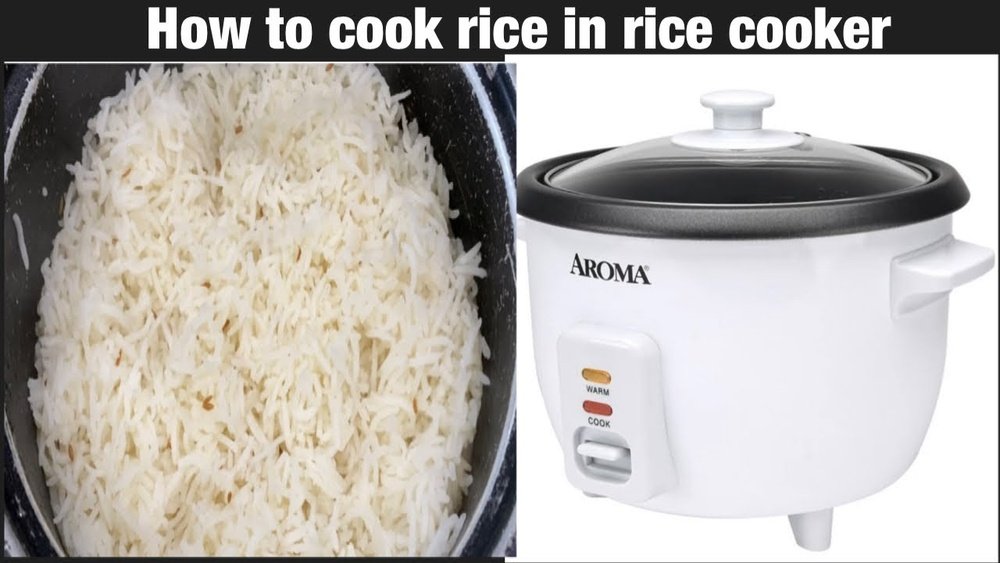
Using a rice cooker seems simple. You put rice and water in, push a button, and get fluffy rice. But when you use an Aroma rice cooker, you get much more than that. These devices can steam vegetables, cook soups, make oatmeal, and even bake cakes. If you want consistent results and save time in your kitchen, learning how to use an Aroma rice cooker fully is a smart move.
Many people buy a rice cooker, use it once or twice, then leave it on the shelf. Why? They’re unsure about the settings or think it’s only for rice. In reality, Aroma rice cookers are versatile and can make daily cooking easier and more enjoyable.
This article will guide you from your first setup to advanced tips, so you get the most value from your appliance. By the end, you’ll know exactly how to use an Aroma rice cooker for a variety of meals, avoid common mistakes, and even solve basic problems.
Understanding Your Aroma Rice Cooker
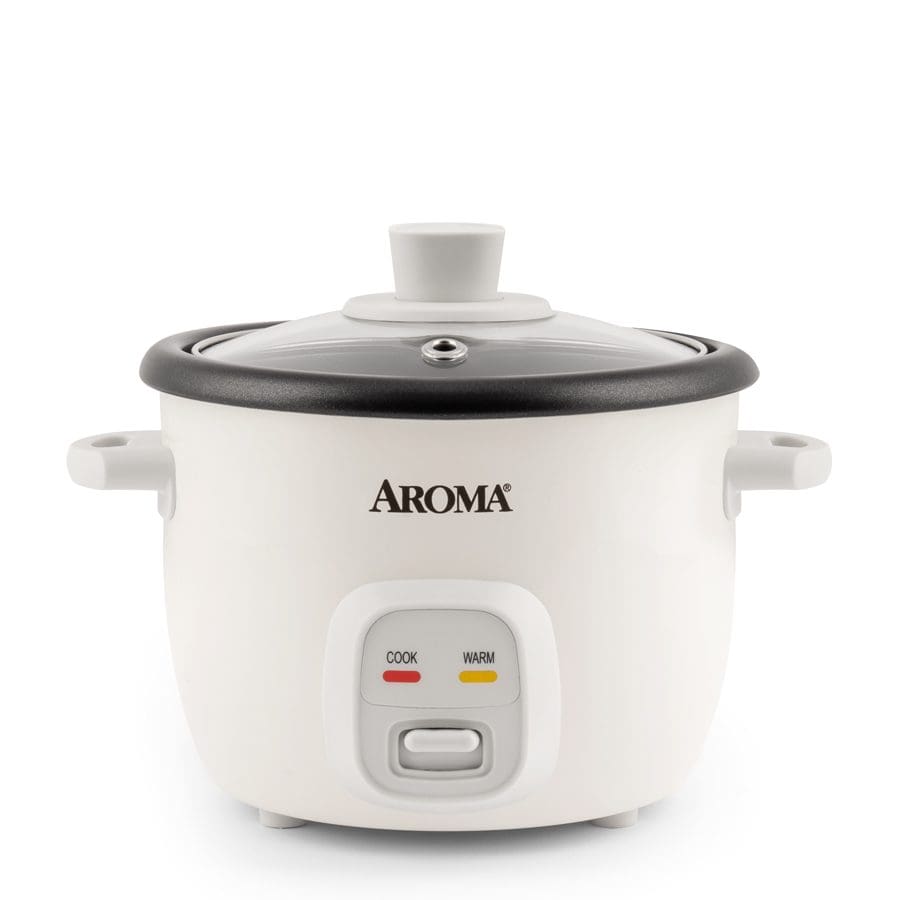
Before you cook, it’s important to know the main parts and features of your Aroma rice cooker. Not every model is the same, but most share similar components.
- Inner pot: This is where you put the rice, water, and other ingredients. It’s usually nonstick for easy cleaning.
- Heating plate: Sits under the inner pot, heats up, and cooks the food.
- Lid: Some models have a hinged lid, others a removable one. The lid keeps in moisture and heat.
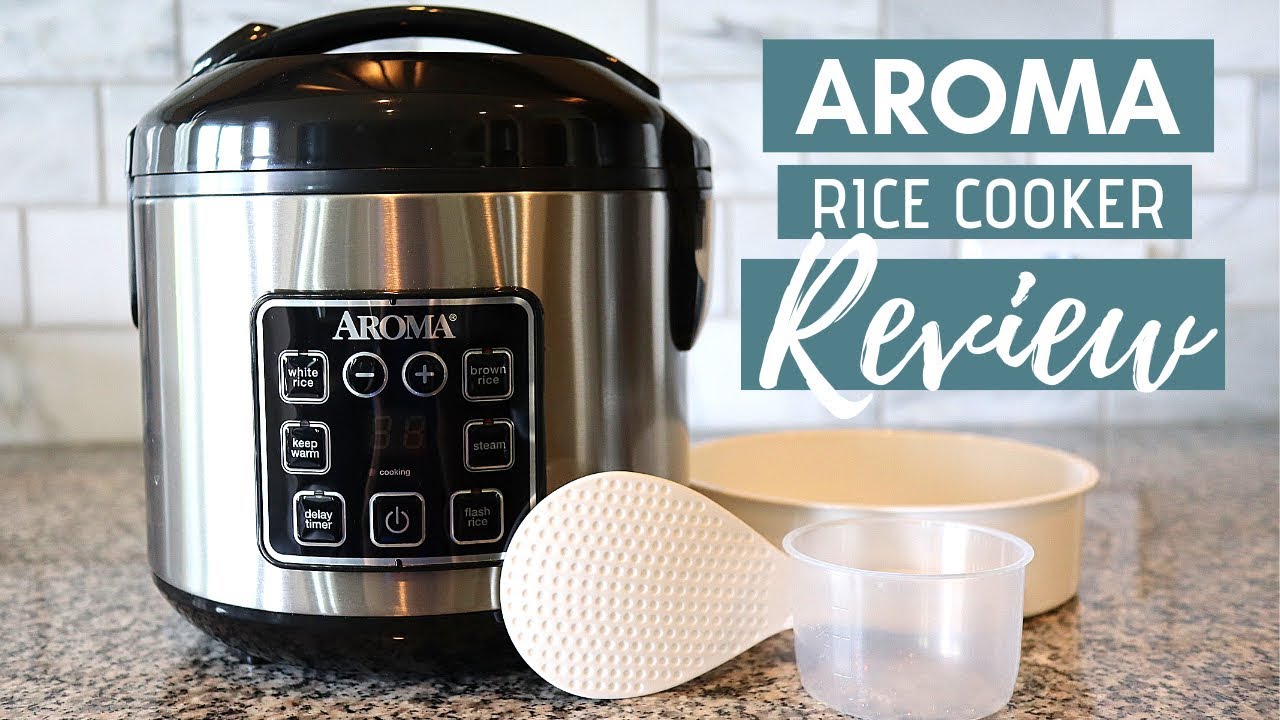
- Control panel: Here you’ll find buttons for different cooking modes—like “White Rice,” “Brown Rice,” “Steam,” and “Keep Warm.”
- Steam vent: Allows extra steam to escape. Prevents pressure build-up.
- Condensation collector: Catches water that collects during cooking.
- Measuring cup and rice paddle: Most cookers include these. The cup is for measuring rice and water (it’s usually smaller than a standard cup).
Common Aroma Rice Cooker Models
Aroma offers a range of models. Here’s a quick comparison of three popular ones:
| Model | Capacity | Special Features |
|---|---|---|
| ARC-914SBD | 8 cups cooked rice | Digital controls, steam tray, slow cook |
| ARC-150SB | 20 cups cooked rice | Delay timer, cake function, sauté-then-simmer |
| ARC-743-1NGR | 6 cups cooked rice | Simple one-touch, includes steam tray |
If you’re not sure about your specific model, check the manual or look for the model number on the underside of the cooker.
Setting Up Your Aroma Rice Cooker
The first time you use your rice cooker, spend a few minutes on preparation. This helps with safety and ensures your rice tastes fresh.
- Unpack and wash: Remove all packaging. Wash the inner pot, steam tray, measuring cup, and paddle with warm, soapy water. Dry everything completely.
- Place on a flat surface: Your rice cooker needs a stable, heat-resistant surface. Leave space around it for the steam vent.
- Check the power cord: Plug the cooker directly into the wall. Do not use extension cords, as this can cause electrical problems.
- Assemble the cooker: Put the inner pot in the cooker. Add the condensation collector if your model has one.
Non-obvious tip: Some people forget to check if the inner pot is fully dry before inserting. Even a few drops of water on the outside can cause popping sounds or damage the heating plate.
Credit: www.aromaco.com
Cooking White Rice: The Basic Method
Cooking perfect rice is the main reason people buy an Aroma rice cooker. Here’s how to do it:
- Measure the rice: Use the included measuring cup. For most Aroma models, 1 cup uncooked rice makes about 2 cups cooked. Do not use a regular measuring cup, as the rice cooker cup is typically 180 ml, not 240 ml.
- Rinse the rice: Place rice in a bowl, add water, swirl, and pour off the cloudy water. Repeat 2–3 times. This step removes extra starch and makes the rice less sticky.
- Add rice and water to the pot: Use the markings inside the inner pot as a guide. For most white rice, use a 1:1 ratio. For example, 2 cups rice + 2 cups water.
- Level the rice: Spread rice evenly in the pot for even cooking.
- Close the lid: Make sure it’s tightly sealed.
- Select the setting: Press “White Rice” or the standard cook button.
- Let it cook: The cooker will sense when the rice is done and switch to “Keep Warm.” This usually takes 15–30 minutes, depending on the amount of rice.
- Let it rest: After cooking, let the rice sit with the lid closed for 5–10 minutes. This helps steam finish the process and gives a fluffier texture.
- Fluff and serve: Use the included paddle to fluff the rice. Avoid metal utensils to protect the nonstick surface.
Example Cooking Times
| Rice Amount (uncooked) | Cooking Time |
|---|---|
| 1 cup | 12–15 minutes |
| 2 cups | 20–24 minutes |
| 4 cups | 28–32 minutes |
Beginner mistake: Many new users open the lid too soon. This lets out steam and can make rice drier.
Cooking Brown Rice And Other Grains
Aroma rice cookers have a special setting for brown rice, which needs more water and time.
- Brown rice ratio: Use about 1 cup rice to 1.5 cups water.
- Soak for best results: Let brown rice soak in water for 20–30 minutes before cooking. This softens the outer layer.
- Cooking time: Brown rice usually takes 40–50 minutes.
Other grains you can cook:
- Quinoa: Rinse well, use 1 part quinoa to 2 parts water, “White Rice” setting.
- Oats: Steel-cut oats work well. Use 1 part oats to 3 parts water, “Porridge” setting if available.
- Barley: Rinse, use 1 part barley to 2.5 parts water, “Brown Rice” setting.
Non-obvious tip: If you’re cooking a mix (like brown and white rice together), use the brown rice ratio and setting for better texture.
Using The Steam Function
One of the best features of an Aroma rice cooker is the steam tray. This lets you cook vegetables, fish, or dumplings at the same time as your rice.
How To Steam With Rice
- Add rice and water: Set up as for cooking rice.
- Prepare the steam tray: Place cut vegetables, fish, or meat in the tray. Do not overfill or block steam holes.
- Insert steam tray above rice: Place inside the cooker.
- Start the rice cooking cycle: The steam will cook both the rice and tray items.
- Check doneness: Thin vegetables (like broccoli) finish in 10–15 minutes. Thicker items (like chicken) may need the whole rice cycle.
Steam Without Rice
- Add 2–3 cups water to the inner pot.
- Place food in the steam tray.
- Select “Steam” and set the timer if your model allows.
Practical example: You can make a full meal—rice below, salmon and green beans above—ready at the same time.
Beginner mistake: Overfilling the steam tray causes uneven cooking and soggy food.
Cooking Soup, Stew, Or Porridge
Your Aroma rice cooker can also handle soups and stews. Some models have a “Soup” or “Porridge” button.
- Add ingredients: Meat, vegetables, broth, and seasoning go directly into the inner pot.
- Do not overfill: Stay below the “max” line to prevent overflow.
- Select the setting: Press “Soup,” “Porridge,” or use “White Rice” if those are not available.
- Stir occasionally: Open the lid (carefully, it’s hot) and stir if needed.
Example: For chicken soup, add diced chicken, carrots, celery, onion, rice, and broth. Use the “Soup” setting; it usually takes 30–40 minutes.
Non-obvious insight: For thicker soups or porridges, some models may switch to “Keep Warm” before the dish is fully done. If so, wait 5 minutes and restart the cooking cycle.
Using The Delay Timer
Many Aroma rice cookers include a delay timer. This lets you set up everything in advance and have rice ready when you want.
- How it works: Add rice and water, press the “Delay Timer” button, then use the (+) or (-) buttons to set the time.
- Maximum delay: Usually up to 15 hours.
- Best for: Breakfast oatmeal or having rice ready when you get home.
Safety tip: Only use the timer with plain rice and water. Do not use with ingredients that spoil quickly (like meat or milk).
Baking Cake And Other Surprising Recipes
Some Aroma models have a “Cake” function. You can actually bake simple cakes, bread, or even frittatas.
How To Bake In Your Rice Cooker
- Grease the inner pot: Lightly coat with oil or butter.
- Prepare batter: Mix cake or quick bread batter as normal.
- Pour into inner pot: Do not fill more than halfway.
- Select “Cake” setting: If not available, use “White Rice” and repeat as needed until cooked.
- Check doneness: Insert a toothpick—if it comes out clean, the cake is done.
Example: Banana bread batter works well. 1–2 cycles (45–60 minutes) will usually bake it through.
Non-obvious tip: Let the cake cool before removing or it may break apart.
Cleaning And Maintaining Your Aroma Rice Cooker
Regular cleaning keeps your cooker working well and food tasting good.
After Each Use
- Unplug and cool down: Never clean while hot or plugged in.
- Remove inner pot and accessories: Wash with warm, soapy water. Do not use metal scrubbers.
- Wipe the lid and body: Use a damp cloth. For removable lids, wash them too.
- Empty condensation collector: If your model has one, empty and rinse after every use.
Monthly Or As Needed
- Deep clean steam vent: Food can get stuck. Use a toothpick or small brush.
- Check for residue: Make sure no rice or food is stuck under the inner pot or on the heating plate.
Beginner mistake: Never immerse the main body of the cooker in water. This can ruin the electronics.
Troubleshooting Common Problems
Even with a simple device, things can go wrong. Here’s how to solve the most common issues.
Rice Is Too Hard Or Undercooked
- Not enough water: Next time, add more water.
- Lid opened too soon: Keep the lid closed until the cooker switches to “Keep Warm.”
Rice Is Mushy Or Too Soft
- Too much water: Reduce water by a few tablespoons next time.
- Old rice: Old rice can absorb water differently.
Cooker Will Not Start
- Inner pot not seated: Make sure it’s sitting flat on the heating plate.
- Power issue: Test the outlet with another device.
Water Boils Over
- Overfilled pot: Never go over the “max” line.
- Not rinsing rice: Starch can cause foam and overflow.
Rice Sticks To The Pot
- No rinsing: Rinsing removes sticky starch.
- Scratches: If the nonstick surface is damaged, rice may stick.
Non-obvious insight: If the “Keep Warm” light comes on too early, try gently stirring the rice and restarting the cook cycle.
Comparing Aroma Rice Cooker Functions
Not all Aroma rice cookers have the same features. Here’s a side-by-side look at common cooking functions:
| Function | What It Does | Best For |
|---|---|---|
| White Rice | Standard rice cooking cycle | White and jasmine rice |
| Brown Rice | Longer, with more water | Brown and wild rice |
| Steam | Heats water for steam tray | Vegetables, fish, dumplings |
| Slow Cook | Simmer over hours | Soups, stews |
| Cake | Bakes batter in inner pot | Cakes, bread, frittatas |
Tip: Always match the function to the food you’re making for the best results.
Advanced Tips For Perfect Rice Every Time
After you master the basics, try these pro-level tips.
- Let rice rest: Always let rice rest in “Keep Warm” for 10 minutes before opening. This makes rice fluffier.
- Add flavor: Try adding a pinch of salt, a bay leaf, or a little butter to the water before cooking.
- Use broth instead of water: For more flavor, replace water with chicken or vegetable broth.
- Try mixed rice dishes: Add peas, corn, or diced carrots before cooking for pilaf-style rice.
- Batch cook and freeze: Make extra rice, let it cool, and freeze in portions. Reheat with a splash of water in the microwave.
Non-obvious insight: If your rice is drying out in “Keep Warm,” add a damp paper towel over the rice and close the lid.
Safety Precautions
- Keep away from children: Steam and hot surfaces can burn.
- Do not block the steam vent: This prevents pressure build-up.
- Unplug after use: For safety and energy savings.
- Check cord condition: Replace if frayed or damaged.
- Use only the included inner pot: Other pots may not fit or could damage the cooker.
Common Mistakes To Avoid
- Ignoring the measuring cup: Aroma’s cup is smaller than a standard cup. Always use the included one for best results.
- Lifting the lid while cooking: This releases steam and affects texture.
- Overfilling: Can cause overflow and uneven cooking.
- Using harsh cleaners: Scratches the nonstick coating.
- Not rinsing rice: Leads to sticky, gummy rice.
- Leaving rice on “Keep Warm” too long: Can dry out or burn the bottom layer.
- Trying to cook large cuts of meat in the steam tray: Slice meat thinly for even cooking.

Credit: www.amazon.com
Making The Most Of Your Aroma Rice Cooker
Your Aroma rice cooker is more than just a rice maker. Here are a few creative ways to get more value:
- Steam eggs: Place eggs in the steam tray for hard- or soft-boiled eggs.
- Heat leftovers: Use the steam function to reheat food gently.
- Cook pasta: Boil water in the inner pot, add pasta, and cook as usual.
- Make desserts: Puddings, rice pudding, and even cheesecakes are possible.
- Meal prep: Batch cook grains and steam veggies at the same time.
Pro tip: Keep a list of water ratios and cooking times for your favorite grains taped inside a cabinet door for easy reference.
When To Replace Your Aroma Rice Cooker
Even a good appliance doesn’t last forever. Here’s when you should consider getting a new one:
- Nonstick coating is peeling: This can mix into food and affect taste.
- Heater is inconsistent: Rice is sometimes undercooked or burned.
- Buttons or display stop working: Makes it hard to use all features.
- Odor won’t go away: Even after deep cleaning, old smells stay.
- You need a larger/smaller size: Family size changes.
On average, a well-maintained Aroma rice cooker lasts 5–7 years.
Credit: www.youtube.com
Where To Find More Information
The Aroma Housewares website offers manuals, recipes, and troubleshooting guides. If you lost your manual, you can download a digital copy from their support page. For more creative recipes, check out cooking blogs or YouTube channels specializing in rice cooker meals. An excellent general overview can also be found at Wikipedia.
Frequently Asked Questions
How Much Water Do I Use For Rice In An Aroma Rice Cooker?
Use the included measuring cup and follow the inner pot’s markings. For white rice, use a 1:1 ratio (1 cup rice to 1 cup water). For brown rice, use 1 cup rice to 1.5 cups water. Always rinse rice before cooking.
Can I Cook Other Foods Besides Rice In An Aroma Rice Cooker?
Yes, you can steam vegetables, fish, dumplings, and even make soups, stews, oatmeal, and cakes. The steam tray and extra settings (like “Soup” or “Cake”) make this possible.
Why Does My Rice Stick To The Bottom Of The Pot?
Sticking usually happens if you don’t rinse the rice well, use too little water, or scratch the nonstick surface. Always rinse rice, measure water carefully, and use only the included paddle or wooden utensils.
How Do I Clean The Steam Vent In My Aroma Rice Cooker?
Unplug and let the cooker cool. Use a toothpick or small brush to clean out any food or residue in the vent. Some lids are removable for easier cleaning—check your model’s manual.
Is It Safe To Leave My Aroma Rice Cooker On “keep Warm” Overnight?
It’s safe for a few hours, but not recommended overnight. The rice can dry out, develop a crust, or grow bacteria if left too long. For best quality, remove rice and store in the fridge after cooking.
Aroma rice cookers are reliable, versatile, and can simplify your daily meals if you use them fully. With these tips and clear instructions, you’ll get perfect rice and much more—every time you cook.