

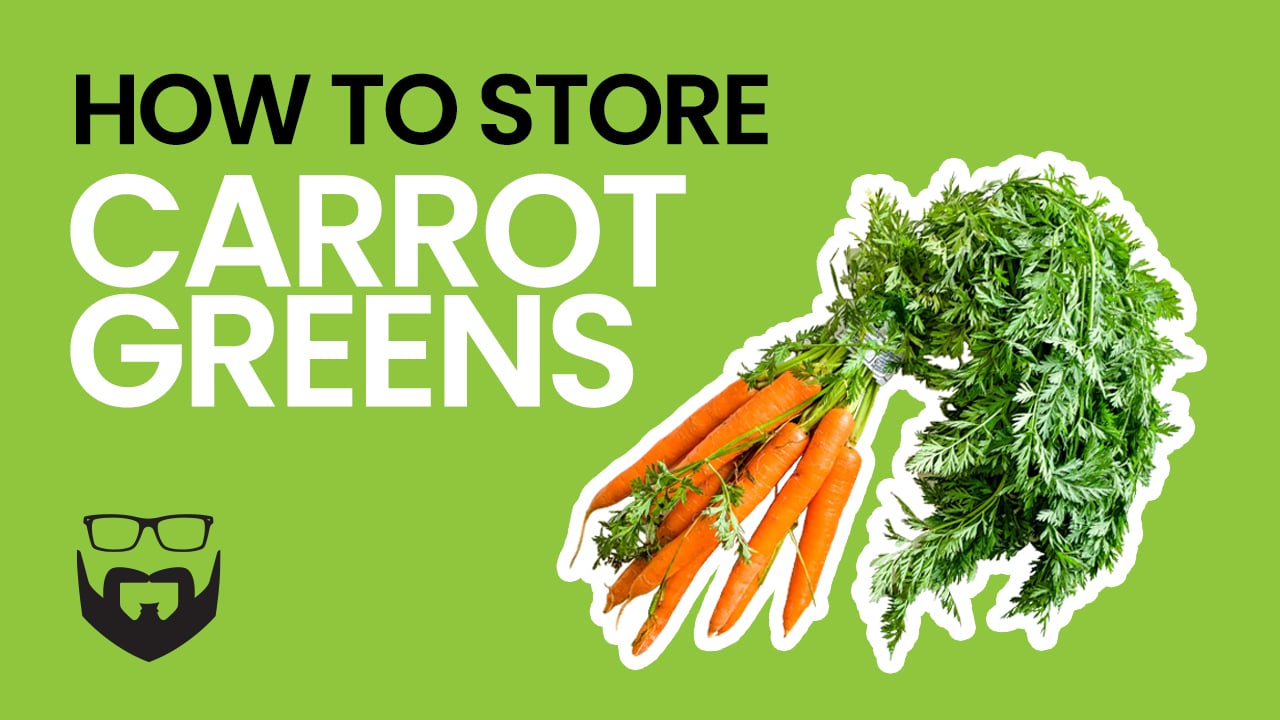
Carrot greens, the leafy tops of carrots, are often thrown away without a second thought. Many people see them as waste, but these greens are not only edible—they’re highly nutritious and full of flavor. If you learn how to store carrot greens the right way, you can use them in salads, soups, pestos, and more.
Keeping them fresh is a bit different from storing the roots, and many home cooks miss small details that make a big difference. This article will give you all the practical advice, tips, and methods you need to keep your carrot greens at their best for as long as possible.
Why Store Carrot Greens?
Carrot greens are more than just an afterthought. They are rich in vitamins A, C, and K, as well as potassium, calcium, and antioxidants. Using them reduces food waste and adds new flavors to your meals. But carrot greens wilt and spoil faster than the carrot root. If you do not store them properly, they can go limp, slimy, or even moldy within a day or two. For anyone who buys carrots with their tops still attached, knowing how to store carrot greens is key to making the most of your groceries.
The Unique Nature Of Carrot Greens
Many leafy greens, like spinach or lettuce, have thick, moist leaves. Carrot greens are different—they are feathery, thin, and delicate. This makes them dry out quickly, but also means they soak up moisture easily. They can go bad if left in a wet environment, but also wilt if left too dry. Their flavor is similar to parsley, with a slight bitterness and earthiness that can brighten many dishes.
A common mistake is to store carrot greens attached to the carrots. The greens pull moisture from the root, causing both parts to spoil faster. Separating them is the first step to longer-lasting freshness.
Credit: jerryjamesstone.com
Preparing Carrot Greens For Storage
Before you put carrot greens away, take these preparation steps to ensure the best storage results.
- Trim the greens: Use a sharp knife or kitchen scissors to cut the greens from the carrot root, leaving about 1 inch of stem on the carrot. Do this as soon as you get home or after harvest.
- Shake off loose dirt: Carrot greens often have soil or sand on their leaves. Gently shake to remove as much as possible.
- Inspect for damage: Remove any yellow, wilted, or slimy leaves. Only store the freshest, greenest parts.
- Do not wash right away: Unless you plan to use the greens immediately, wait to wash them. Excess moisture encourages mold and decay in storage.
Many people skip trimming or washing steps, but this can lead to faster spoilage. Taking a few minutes to check your greens makes a big difference.
Best Storage Methods For Carrot Greens
There are several ways to store carrot greens, depending on how long you plan to keep them and how you want to use them later. Here are the most effective methods.
1. Storing Fresh In The Refrigerator
This is the most common method for short-term use.
- Wrap in a paper towel: Lay the carrot greens on a clean, dry paper towel. Roll them up gently to keep the leaves from bruising.
- Place in a plastic bag: Put the wrapped greens in a resealable plastic bag or airtight container. Squeeze out excess air before sealing.
- Store in the crisper drawer: The crisper provides a stable, cool environment with some humidity, perfect for leafy greens.
Properly stored, carrot greens will stay fresh for 3 to 5 days. Change the paper towel if it gets wet, as dampness can cause the greens to rot.
Common Mistake: Overcrowding
If you put too many greens in one bag, they won’t get enough air circulation. Store large amounts in smaller batches for better results.
2. Storing In A Glass Of Water
This method keeps carrot greens crisp and can extend their life by a few more days.
- Fill a glass or jar with cold water: Use enough to cover the bottom inch of the stems.
- Place greens stem-side down: Arrange the greens so only the stems touch the water.
- Cover loosely with a plastic bag: This keeps the leaves from drying out.
- Change water every day: Fresh water prevents bacteria growth.
Stored this way, carrot greens can last up to 7 days. This method works best if you have space in your fridge for a tall jar.
Non-obvious Tip
Do not submerge the leaves, only the stems. Wet leaves are a breeding ground for mold.
3. Freezing Carrot Greens
If you have too many greens to use right away, freezing is a good option. The texture will change, but the flavor is preserved for soups, stews, or smoothies.
- Wash the greens thoroughly: Rinse under cold water to remove dirt.
- Dry completely: Use a salad spinner or pat dry with towels. This is important to avoid ice crystals.
- Chop or leave whole: You can freeze whole or chopped, depending on later use.
- Blanch (optional): Dipping greens in boiling water for 30 seconds, then plunging into ice water, can help preserve color and nutrients.
- Pack into freezer bags: Squeeze out as much air as possible. Label with date.
- Freeze flat: This makes it easy to break off small amounts.
Frozen carrot greens will last up to 6 months. They are best used in cooked dishes, not salads.
Practical Insight
If you freeze carrot greens without blanching, they may turn darker and lose some vitamins, but they are still safe and tasty for most cooked recipes.
4. Drying Carrot Greens
Drying is a less common but effective way to store carrot greens for seasoning and teas.
- Wash and dry the greens: Make sure no moisture remains.
- Spread in a single layer: Use a baking sheet or wire rack.
- Air-dry in a cool, dry place: Out of direct sunlight, for 2–5 days.
- Or use a dehydrator: Set at low temperature (95–115°F) for 6–12 hours.
- Store in airtight jars: Keep away from light and heat.
Dried carrot greens can last up to a year and are great for sprinkling on dishes like parsley.
Non-obvious Tip
Dried carrot greens lose bitterness and become more sweet and nutty, making them perfect for homemade spice blends.
5. Making Carrot Green Pesto
Turning carrot greens into pesto is a tasty way to preserve them.
- Blend carrot greens with olive oil, nuts, garlic, and cheese.
- Spoon into small jars or ice cube trays.
- Refrigerate for up to 1 week, or freeze for up to 6 months.
This method lets you use carrot greens even months after purchase, with flavor and color mostly intact.
How Storage Method Affects Nutrition And Flavor
Different methods will change how your carrot greens taste and what nutrients remain. Here’s a quick comparison:
| Method | Flavor | Nutrition Loss | Storage Time |
|---|---|---|---|
| Refrigeration (fresh) | Bright, slightly bitter | Minimal | 3–5 days |
| Water jar | Crisp, fresh | Minimal | Up to 7 days |
| Freezing | Mild, less bitter | Some loss (esp. vitamin C) | Up to 6 months |
| Drying | Nutty, less bitter | Most vitamins lost | Up to 1 year |
| Pesto | Herby, rich | Some loss (from processing) | 1 week (fridge), 6 months (freezer) |
Tools And Containers That Make A Difference
The right tools can help extend the shelf life of carrot greens. Here are some options:
- Salad spinner: Dries leaves quickly after washing.
- Paper towels or clean cloths: Absorb extra moisture.
- Resealable plastic bags: Keep air out and moisture in balance.
- Glass jars: Good for water storage and dried greens.
- Airtight containers: Prevents spoilage and keeps flavors in.
Not all containers are created equal. For example, thin plastic bags can tear and leak. Glass jars are better for long-term storage.
Credit: www.youtube.com
Storing Carrot Greens With Other Vegetables
It’s tempting to store all your leafy greens together, but carrot greens produce more ethylene gas than most leafy herbs. Ethylene speeds up ripening and spoilage. Store carrot greens separately from lettuce, spinach, and other leafy vegetables when possible.
If you must store them together, use a large container with paper towels to separate layers and absorb moisture.
Signs Of Spoilage: When To Discard
Even with the best methods, carrot greens will eventually spoil. Watch for these signs:
- Yellowing or browning: A few yellow leaves can be removed, but widespread discoloration means it’s time to toss.
- Slimy texture: Indicates bacterial growth; do not eat.
- Strong, sour odor: Fresh carrot greens smell earthy, not rotten.
- Mold: White, black, or fuzzy spots mean spoilage.
If you’re unsure, it’s safer to compost the greens rather than risk food poisoning.
How To Revive Wilted Carrot Greens
Sometimes, carrot greens wilt but are not spoiled. You can try to revive them:
- Cut off the bottom of the stems.
- Place in a glass of cold water, leaves above water level.
- Refrigerate for 1–2 hours.
Many greens will perk up and become crisp again. If they remain limp or slimy, discard them.
Common Mistakes In Storing Carrot Greens
Many people repeat the same errors when storing carrot greens. Here’s what to avoid:
- Leaving greens attached to carrots: Both parts spoil faster.
- Storing wet greens: Encourages mold.
- Overcrowding bags or containers: Promotes rot.
- Using airtight bags with no paper towel: Moisture builds up, causing slime.
- Ignoring old greens: Spoiled leaves can ruin the whole bunch.
Small changes in storage habits can give you much better results.
Using Carrot Greens: Practical Tips
Stored carrot greens are versatile. Here’s how you can use them before they go bad:
- Chop into salads: Use like parsley for a fresh flavor.
- Add to soups or broths: Enhances taste and nutrients.
- Blend into pesto or chimichurri: Mix with basil, garlic, and nuts.
- Stir into grains or pasta: Adds color and vitamins.
- Make tea: Dried carrot greens can be steeped for a gentle herbal tea.
If you’re new to using carrot greens, start with small amounts. The flavor is stronger than lettuce or spinach.
Sustainable Storage: Reducing Waste
Storing carrot greens well is part of a more sustainable kitchen. Every year, Americans throw away over 30% of all food purchased, much of it due to spoilage. By learning how to store, use, and preserve carrot greens, you can waste less and save money.
Composting is also a good option for any parts you do not eat. Carrot greens add nitrogen to compost and break down quickly.

Credit: www.gardenary.com
Comparing Storage Methods For Different Needs
Different storage methods are best for different needs. Here’s a quick comparison to help you choose:
| Need | Best Method | Why |
|---|---|---|
| Short-term, fresh use | Paper towel & plastic bag in fridge | Easy, keeps greens crisp for a few days |
| Extra-crisp texture | Jar of water | Prevents wilting, best texture for salads |
| Long-term storage | Freezing | Lasts months, good for cooking |
| Herb seasoning | Drying | Use all year, easy to add to dishes |
| Ready-to-use sauce | Pesto | Preserves flavor, easy to freeze |
Safety Tips For Storing Carrot Greens
Carrot greens are safe to eat for most people, but always follow these safety tips:
- Wash before use: Even if you did not wash before storage, always rinse before eating.
- Check for allergies: Rare, but possible. Try a small amount first.
- Use clean utensils and containers: Prevents bacteria growth.
- Do not eat if moldy or foul-smelling.
Some people worry about toxicity from carrot greens. Research shows they are safe when eaten in normal amounts. For more information, see this Wikipedia article on carrots.
Creative Ways To Use Stored Carrot Greens
Storing carrot greens well means you can try new recipes. Here are a few ideas:
- Carrot green chimichurri: Blend with olive oil, vinegar, and garlic for a steak sauce.
- Savory pancakes: Add chopped greens to pancake batter.
- Green smoothies: Mix with fruit and yogurt for extra nutrients.
- Grain bowls: Top rice or quinoa with sautéed carrot greens.
- Egg dishes: Stir into scrambled eggs or omelets.
Using carrot greens creatively helps you get more value from your groceries.
Environmental Impact Of Using Carrot Greens
When you store and use carrot greens, you reduce food waste and the environmental cost of food production. Every part of the carrot that gets eaten means less waste in landfills and fewer resources wasted. If you compost what you don’t use, you create a closed loop that helps your garden, too.
Frequently Asked Questions
How Long Do Carrot Greens Last In The Fridge?
When stored properly—wrapped in a dry paper towel inside a plastic bag and placed in the crisper drawer—carrot greens stay fresh for 3 to 5 days. If you store them stem-down in a glass of water, they can last up to a week. Make sure to remove any leaves that turn yellow or slimy.
Can You Eat Carrot Greens Raw?
Yes, carrot greens are safe to eat raw. Their flavor is similar to parsley, but a bit stronger and slightly bitter. Try them chopped in salads, blended into pesto, or as a garnish on soups. Always wash them well before eating.
Is It Better To Freeze Or Dry Carrot Greens?
Both methods have their advantages. Freezing keeps more flavor and is best for cooked dishes like soups. Drying is great for making herbal seasoning and has a much longer shelf life (up to a year). Choose based on how you plan to use the greens.
Why Do My Carrot Greens Turn Slimy In The Fridge?
Sliminess is a sign of too much moisture. This often happens if you store the greens wet or in a sealed bag without a paper towel to absorb extra water. Always dry the greens before storing, and check that your container or bag is not too humid.
Can Carrot Greens Be Used For Compost?
Absolutely. If you cannot use all your carrot greens, composting is a smart way to recycle nutrients. Carrot greens break down quickly and add valuable nitrogen to your compost pile, helping create rich soil for your garden.
Storing carrot greens well is easy when you know the right steps. Whether you use them fresh, freeze, dry, or turn them into pesto, you’ll find many ways to add flavor and nutrition to your meals. With a few simple habits, you can reduce waste, save money, and enjoy everything carrots have to offer—root and leaf.