
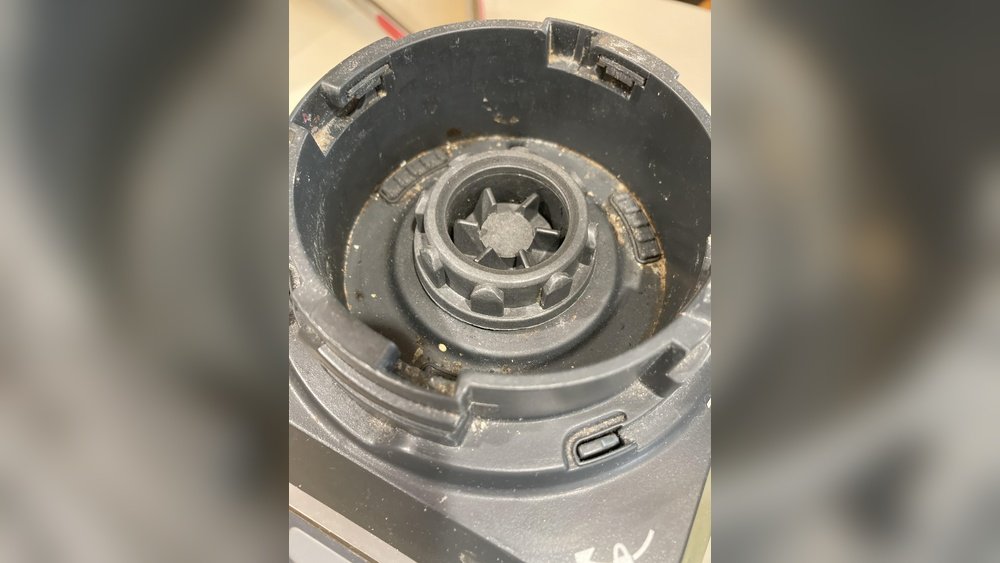
Keeping your Ninja Blender clean is more than just a chore—it’s a key part of ensuring your kitchen stays healthy and your blender lasts as long as possible. Many people use their Ninja Blender daily to make smoothies, soups, or sauces, but not everyone knows the best way to clean it. Missed spots can lead to bad smells, dull blades, or even bacteria buildup. Luckily, cleaning a Ninja Blender is simple once you know the right steps and tips. This guide will show you exactly how to clean every part of your Ninja Blender, from the pitcher to the blades, using easy methods and safe products. You’ll also learn how to tackle tough stains, avoid common mistakes, and keep your blender running smoothly for years.
Why Cleaning Your Ninja Blender Matters
A clean blender is not just about looks. Food particles left behind can cause mold, bacteria, and bad odors. Over time, these can affect the taste of your drinks and even make you sick. Sticky residue can also make the blender harder to use and shorten its life. The Ninja Blender has sharp blades and tight spaces, so cleaning properly is important for safety as well.
Many users are surprised to find that a quick rinse is not enough. Smoothie ingredients like milk, fruit, and protein powder can leave film or get trapped under the blade. If you let this build up, the blender can start to smell or even stop working.
Cleaning well after every use is the best way to keep your Ninja Blender working like new.
Getting To Know Your Ninja Blender Parts
Before you start, it helps to know the main parts of your Ninja Blender:
- Pitcher or Jar: The large container that holds your ingredients.
- Lid: Covers the pitcher, usually with a spout.
- Blade Assembly: The sharp, removable part at the bottom.
- Base/Motor: The heavy part that powers the blades.
- Sealing Ring: A rubber gasket that helps prevent leaks.
Not all Ninja models are the same. Some have multiple blades, single-serve cups, or extra attachments. Check your manual if you’re not sure, or visit the official Ninja Kitchen Support page for details.
Essential Tools And Products For Cleaning
You don’t need fancy tools to clean your Ninja Blender. Here’s what works best:
- Soft Sponge or Cloth: Avoid anything too rough, which can scratch plastic.
- Bottle Brush: Helps reach inside the pitcher and around blades.
- Mild Dish Soap: Strong enough to cut grease, but safe for food contact.
- White Vinegar or Baking Soda: Great for deep cleaning or removing odors.
- Small Toothbrush: Useful for lid grooves and blade assembly.
- Dry Towel: For drying all parts after washing.
Avoid using steel wool or harsh chemicals like bleach, which can damage your blender.
Step-by-step: How To Clean A Ninja Blender After Each Use
Cleaning your Ninja Blender right after use is the easiest way to keep it fresh. Here’s a simple method that works for most models:
- Unplug the Blender: Always unplug before cleaning to stay safe.
- Disassemble Parts: Remove the pitcher, lid, and blade assembly. Be careful—the blades are sharp!
- Quick Rinse: Rinse away leftover food right away to prevent sticking.
- Soapy Water Wash: Fill the pitcher with warm water and a few drops of mild dish soap.
- Self-Clean Cycle:
- Put the lid on.
- Place the pitcher on the base.
- Run the blender on low for 30-60 seconds.
- This helps clean under the blades.
- Rinse Again: Pour out the soapy water and rinse all parts with clean water.
- Hand Wash Details: Use a soft sponge or brush to clean the lid, pitcher, and blades. Pay close attention to the blade area and grooves.
- Dry Completely: Use a towel to dry, or let air dry. Make sure all parts are dry before reassembling.
This routine takes just a few minutes and prevents most common problems.
Deep Cleaning: Removing Stains, Odors, And Buildup
Sometimes, a basic wash is not enough. Over time, you may notice:
- Cloudy pitcher
- Lingering smells
- Stuck-on residue
Here’s how to do a deeper clean:
Using Vinegar For Odors
- Fill the pitcher halfway with warm water.
- Add 1 cup of white vinegar.
- Let it soak for 10-15 minutes.
- Use the self-clean cycle (blend for 30 seconds).
- Rinse well and dry.
Baking Soda Paste For Stains
- Mix 2 tablespoons of baking soda with enough water to make a thick paste.
- Use a sponge to rub the paste on cloudy or stained areas.
- Let sit for 5-10 minutes.
- Scrub gently, then rinse well.
Blade Assembly Care
Food can get stuck under the blades. Every week or so, remove the blade assembly and:
- Scrub with a toothbrush under running water.
- Check for bits stuck in the crevices.
- Dry well before putting back.
Lid And Sealing Ring
Lids and seals can hide bacteria. Remove the rubber ring (if possible) and:
- Wash in warm, soapy water.
- Scrub grooves with a toothbrush.
- Rinse and dry before reassembling.
Dishwasher Cleaning: What You Need To Know
Many Ninja Blender parts are labeled “dishwasher safe,” but there are a few things to remember:
- Place the pitcher, lid, and blades on the top rack.
- Never put the motor base in the dishwasher.
- Avoid very hot cycles, as they can warp plastic.
- Check your manual—some parts (like seals) may need hand washing.
Dishwashers are convenient, but hand washing helps your blender last longer.
Cleaning The Ninja Blender Motor Base
The motor base is not waterproof and should never be submerged. Here’s how to keep it clean:
- Unplug the blender.
- Wipe the outside with a damp cloth.
- Use a toothbrush or cotton swab to clean around buttons or vents.
- Dry with a towel.
If you spill liquids on the base, unplug right away and wipe dry. Never use spray cleaners directly on the base.
Handling Tough Or Sticky Blends
Some recipes—like nut butters, protein shakes, or sticky sauces—can leave stubborn residue. Here’s what works:
- Soak the pitcher in hot, soapy water for 15-30 minutes.
- Use a bottle brush to reach all corners.
- For stubborn bits, add a little vinegar and blend with water for a minute.
- Scrape off any sticky residue with a silicone spatula (never use metal).

Credit: www.youtube.com
What Not To Do When Cleaning Your Ninja Blender
Many users make simple mistakes that can damage their blender or make cleaning harder. Avoid these errors:
- Never use boiling water in the pitcher—it can crack the plastic.
- Don’t use harsh cleaners like bleach or oven spray.
- Never try to clean the motor base with water or put it in the dishwasher.
- Don’t leave dirty parts for hours—they’ll be harder to clean later.
- Don’t use metal utensils to scrape inside the pitcher.
Comparing Cleaning Methods: Hand Wash Vs. Dishwasher Vs. Self-clean
You might wonder which method is best for your Ninja Blender. Here’s a quick comparison:
| Method | Best For | Pros | Cons |
|---|---|---|---|
| Hand Wash | All parts, delicate cleaning | Gentle, thorough, prevents wear | Takes more time, requires effort |
| Dishwasher | Pitcher, lid, blade (top rack) | Easy, no scrubbing | Can dull blades, warp plastic over time |
| Self-Clean Cycle | Quick clean after use | Fast, cleans under blades well | May miss sticky spots, not for deep stains |
For best results, combine methods. Use the self-clean after each use, hand wash weekly, and dishwasher occasionally.
Cleaning Single-serve Cups And Attachments
Many Ninja Blenders come with single-serve cups or extra accessories. These need special care:
- Rinse right after use—smoothie ingredients dry fast in small cups.
- Use a bottle brush to reach the bottom.
- Check the seal and wash separately if possible.
- Dry with a towel; trapped water can cause mold in lids.
If your blender has food processor or dough attachments, wash them by hand using the same steps as for the pitcher.
How Often Should You Clean Each Part?
Not every part needs daily cleaning. Here’s a helpful guide:
| Part | Every Use | Weekly | Monthly |
|---|---|---|---|
| Pitcher/Cups | Yes | Deep clean if needed | – |
| Blade Assembly | Yes | Scrub under blades | Check for rust or wear |
| Lid/Seal | Yes | Remove and clean seal | Inspect for damage |
| Motor Base | Wipe as needed | – | Check vents/clean |
Regular care prevents most problems and extends the life of your Ninja Blender.
Special Care Tips For Longevity
Many blender owners focus only on visible dirt. Here are two advanced tips that can make a big difference:
- Rotate Blade Assembly: When cleaning, rotate the blade on its axis to check for food stuck underneath. Even tiny bits can cause smells or rust.
- Check Sealing Ring Position: After each wash, make sure the sealing ring is flat and not twisted. A misplaced ring can cause leaks and is easy to miss.
Also, inspect all parts for cracks or signs of wear. If you notice damage, replace the part before it causes bigger problems.
Dealing With Cloudy Or Scratched Pitchers
Over time, the blender pitcher can become cloudy or scratched. This is normal with heavy use, but you can reduce it:
- Use baking soda paste to gently scrub away cloudiness.
- Avoid using ice cubes alone in the blender, which can scratch plastic.
- Never use rough sponges or steel wool.
- Rinse immediately after blending anything acidic (like lemon or tomato).
If the pitcher becomes very scratched or cloudy, it may be time to replace it for safety and clarity.
Odor Removal Tricks
If your Ninja Blender smells even after washing, try these steps:
- Soak with a mix of water and lemon juice for 30 minutes.
- Add a tablespoon of baking soda and blend with water for a minute.
- Leave the pitcher open to air out fully after washing.
These tricks are safe and remove most odors without strong chemicals.
Safety Tips When Handling Blades
The Ninja Blender blades are very sharp. Always:
- Handle blades by the base, not the edges.
- Use a brush or cloth, never bare hands, to scrub.
- Store blades safely if washing separately.
Never put your hand inside the pitcher to clean around the blades. Use a bottle brush or let the self-clean cycle do the work.
What To Do If Your Blender Leaks
Leaks are usually caused by:
- A misplaced or dirty sealing ring.
- Cracks in the pitcher.
- A blade assembly that isn’t tightened.
Always check these first. Clean the ring and blade assembly, and make sure all parts fit tightly after each wash.
Storing Your Ninja Blender After Cleaning
Proper storage keeps your blender fresh and ready for use:
- Make sure all parts are completely dry.
- Store with the lid off, or slightly open, to prevent moisture buildup.
- Keep the motor base in a dry area, away from spills.
- Store sharp blades safely, out of reach of children.
If you use your blender every day, keep it assembled but dry. For longer storage, disassemble and store parts separately.

Credit: simplicityandastarter.com
Troubleshooting Common Cleaning Issues
Even with the best care, you might run into problems:
- Cloudy pitcher: Use baking soda and vinegar cleaning.
- Blade smells: Soak in vinegar, scrub with a brush.
- Sticky lid: Soak in hot, soapy water, scrub grooves.
- Motor base sticky: Wipe with damp cloth, never submerge.
If a problem doesn’t go away, check the Ninja website or contact customer support.
The Environmental Impact: Choosing Safe Cleaning Products
Using eco-friendly dish soap and avoiding harsh chemicals helps the environment and your blender. Many natural cleaners, like vinegar and baking soda, are just as effective and safe for food contact.
Avoid disposable cleaning wipes or paper towels when you can—reusable cloths work just as well and reduce waste.

Credit: www.reddit.com
When To Replace Ninja Blender Parts
No matter how well you clean, some parts need replacing over time:
- Pitcher: If it’s cracked or cloudy.
- Blade assembly: If blades are dull or rusty.
- Sealing ring: If it’s stretched, torn, or won’t stop leaks.
- Lid: If it’s warped or won’t seal.
Using worn parts can cause leaks or damage your blender. Most replacements are available from the official Ninja website.
Cleaning For Different Ninja Blender Models
There are many Ninja Blender models, and cleaning steps are similar for most. However:
- Nutri Ninja Cups: Clean right after use to avoid stuck residue.
- Mega Kitchen System: Remove and clean all seals and attachments.
- Auto-iQ Series: Use the self-clean program for quick cleaning, but still hand wash regularly.
Check your model’s manual for special instructions.
The Importance Of Regular Maintenance
Cleaning is part of regular maintenance. This includes:
- Checking all seals and blades for wear.
- Listening for unusual sounds when blending (could mean buildup under the blade).
- Making sure all parts fit tightly after washing.
A well-maintained blender works better, lasts longer, and keeps your kitchen safe.
Key Takeaways For Easy, Effective Ninja Blender Cleaning
- Clean your Ninja Blender after every use to avoid buildup.
- Use a mix of self-cleaning, hand washing, and occasional deep cleans.
- Pay special attention to blades, seals, and grooves.
- Avoid harsh chemicals and tools that can damage parts.
- Replace worn parts to prevent leaks and keep the blender safe.
- Combine cleaning methods for best results.
Once you get into the habit, cleaning your Ninja Blender takes just a few minutes each day and keeps every drink tasting fresh.
Frequently Asked Questions
How Do I Get Rid Of Cloudy Stains In My Ninja Blender Pitcher?
Cloudy stains are usually caused by mineral deposits, hard water, or scratches from ice. Make a paste of baking soda and water, rub gently with a soft sponge, and rinse well. For tough stains, soak with white vinegar and water for 15 minutes, then wash as usual.
Can I Put All Ninja Blender Parts In The Dishwasher?
Most Ninja Blender pitchers, lids, and blade assemblies are top-rack dishwasher safe. However, the motor base should never go in the dishwasher or get wet. Always check your model’s manual to confirm which parts are safe for the dishwasher.
What Should I Do If My Ninja Blender Starts To Smell Bad?
Unpleasant odors usually come from trapped food under the blades or in the lid. Use a vinegar soak or blend a mixture of baking soda and water. Scrub all grooves and seals with a toothbrush. Air dry with the lid off to let any smells escape.
How Often Should I Replace The Sealing Ring On My Ninja Blender?
Replace the sealing ring if it becomes stretched, cracked, or keeps leaking, usually every 6-12 months with daily use. Regular cleaning and checking the ring for wear can help it last longer.
Is It Safe To Use Bleach Or Strong Chemicals To Clean My Ninja Blender?
No, avoid bleach and harsh chemicals as they can damage plastic and leave unsafe residues. Stick to mild dish soap, vinegar, and baking soda for safe, effective cleaning.
Taking care of your Ninja Blender is simple when you follow these steps. With regular cleaning, your blender will stay fresh, safe, and ready for every recipe you want to try.