
Baked mac and cheese is a comfort food classic. Its creamy, cheesy goodness warms both the heart and the stomach. But what happens when you have leftovers or want to prepare it ahead of time? Storing baked mac and cheese the right way can make a big difference in taste, texture, and even food safety.
Many people make simple mistakes that lead to dry, mushy, or even spoiled mac and cheese. With a few smart strategies, you can keep every bite delicious, whether you’re saving a single portion or a whole casserole. This guide reveals everything you need to know, from choosing containers to reheating for the best flavor.
Even if you’ve never stored leftovers before, by the end you’ll be confident in keeping your baked mac and cheese fresh and tasty.
Why Proper Storage Matters
Leftover baked mac and cheese often loses its magic because of poor storage. Air exposure causes cheese to dry out, and moisture can make noodles soggy. Most importantly, improper storage risks foodborne illness. The USDA reports that about 1 in 6 Americans get sick from foodborne diseases each year.
That’s a lot of risk for one casserole dish. Storing food correctly protects your health, saves money, and preserves flavor.
Texture and taste both suffer if you store mac and cheese incorrectly. Cheese sauce separates, noodles break down, and the dish can pick up odors from the fridge. Proper techniques lock in moisture, keep bacteria out, and make reheating easy. If you want your leftovers to taste nearly as good as fresh, it’s worth learning the best methods.
Key Principles Of Storing Baked Mac And Cheese
Cool Before Storing
Hot mac and cheese needs time to cool before it goes into the fridge. If you cover and refrigerate it while steaming, condensation will form inside the container. This extra moisture can make the noodles mushy and the cheese sauce watery.
Plus, it raises the temperature inside your fridge, which affects other foods.
Set the dish on a wire rack or trivet. Allow it to cool for about 30 minutes at room temperature. Don’t leave it out for more than two hours, as bacteria grow quickly between 40°F and 140°F (the “danger zone”).
For large casseroles, divide into smaller portions to cool faster.
Use The Right Container
Not all containers are equal. The best options are airtight glass or BPA-free plastic containers. Glass is nonporous, won’t absorb odors, and is oven-safe. Plastic is lighter but can stain or hold smells. Avoid wrapping mac and cheese in foil or plastic wrap alone, as these do not fully seal out air.
If storing large amounts, use shallow, wide containers. They cool faster and reheat more evenly. For single servings, small snap-lid containers or resealable bags work well.
Keep Moisture In, Air Out
Air is the enemy of leftover mac and cheese. It dries out noodles and makes cheese grainy. Always press a piece of parchment paper or plastic wrap directly onto the surface of the mac and cheese before sealing the container lid. This extra layer reduces air contact, preserving creaminess.
If you’re freezing, wrap the entire container in an extra layer of aluminum foil to block freezer burn.
Label And Date
It’s easy to forget when you stored leftovers. Use a marker or label to write the date on each container. This helps you use food before it spoils and avoids the “mystery container” problem. Most baked mac and cheese lasts 3–5 days in the fridge and up to 3 months in the freezer.
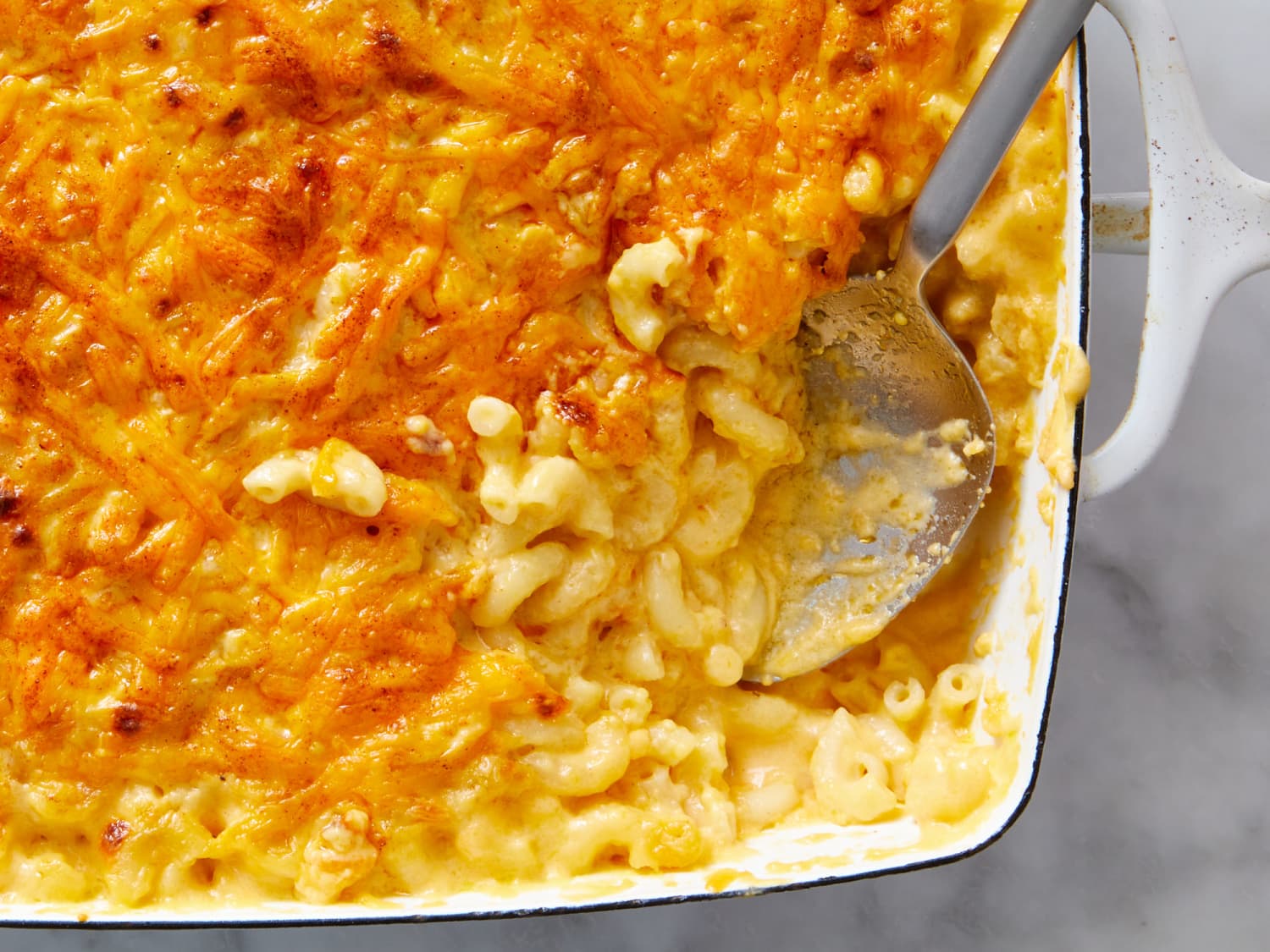
Credit: www.thekitchn.com
Storing In The Refrigerator
Refrigeration is the simplest way to keep baked mac and cheese for a few days. But small mistakes can lead to rubbery pasta or funky smells.
How Long Does It Last?
Baked mac and cheese stays safe in the fridge for 3 to 5 days. After that, the risk of bacteria increases, and quality drops fast. The cheese sauce may separate, and noodles become mushy.
Step-by-step: Refrigerating Baked Mac And Cheese
- Allow mac and cheese to cool for 20–30 minutes (no longer than 2 hours).
- Portion into airtight containers. Use shallow containers for faster cooling.
- Place a layer of parchment paper or plastic wrap directly on the surface.
- Seal the lid tightly.
- Label with the date.
- Store in the coldest part of your fridge (usually the back, not the door).
Tips For Best Texture
- Add a splash of milk or cream before sealing. This helps keep the sauce creamy during storage and reheating.
- Avoid stacking hot containers in the fridge, as this slows cooling and can raise the internal fridge temperature.
- Keep the fridge at 40°F (4°C) or lower.
Mistakes To Avoid
- Don’t refrigerate in a hot dish or leave uncovered.
- Never store in the oven or microwave, even if it has a “keep warm” setting.
- Don’t mix in toppings like breadcrumbs or bacon before storing—add these fresh after reheating for the best crunch.
Freezing Baked Mac And Cheese
Freezing is the best option if you want to keep baked mac and cheese for longer than a few days. With the right technique, you can preserve flavor and texture for up to three months.
Can You Freeze Baked Mac And Cheese?
Absolutely, but not all recipes freeze equally well. Cream-based sauces tend to separate when thawed, while cheese-heavy sauces hold up better. If your baked mac and cheese has a crispy topping, freeze it without the topping and add fresh breadcrumbs or cheese before reheating.
How To Freeze Baked Mac And Cheese
- Cool the dish completely.
- Portion into freezer-safe containers or heavy-duty freezer bags.
- Press parchment or plastic wrap onto the surface.
- Seal tightly.
- Wrap with an extra layer of aluminum foil for extra protection.
- Label with name and date.
Freezing Whole Vs. Portions
- Whole casseroles: Line the baking dish with parchment before filling and baking. After cooling, lift out the whole block, wrap tightly, and freeze. When ready to reheat, return to the original dish.
- Individual servings: Cut cooled mac and cheese into squares, wrap each in plastic, place in a freezer bag, and remove as much air as possible.
Freezer Storage Time
Baked mac and cheese lasts 2–3 months in the freezer. Quality drops after that, with ice crystals making the texture grainy.
Thawing Safely
- Thaw overnight in the refrigerator for best results.
- Never thaw at room temperature, as bacteria can grow.
- If in a hurry, use your microwave’s defrost function, but reheat immediately afterward.
Freezing Comparison Table
Here’s a quick look at how different storage methods affect texture and flavor:
| Method | Storage Time | Texture After Reheating | Flavor Quality |
|---|---|---|---|
| Refrigerator | 3–5 days | Creamy, but may dry out slightly | Very good |
| Freezer (whole dish) | 2–3 months | Can be a bit grainy if not reheated well | Good |
| Freezer (individual portions) | 2–3 months | Even thawing, easy to reheat | Good |
Common Freezing Mistakes
- Freezing while hot: Causes condensation and freezer burn.
- Not removing air: Leads to ice crystals and off-flavors.
- Using thin bags: May tear and expose food to freezer odors.
Best Containers For Storing Mac And Cheese
Choosing the right container is more than a matter of convenience. It affects freshness, flavor, and safety.
Glass Vs. Plastic
- Glass containers: Won’t stain or hold odors, can go from freezer to oven, durable, but heavier and more expensive.
- Plastic containers: Lightweight, affordable, good for short-term, but can stain and may not be oven-safe.
Size And Shape
- Shallow, wide containers cool and reheat more evenly.
- Deep containers take longer to cool, which can allow bacteria to grow.
- For single servings, use small, stackable containers.
Resealable Bags
- Good for individual portions or when freezer space is limited.
- Remove as much air as possible before sealing.
Example Storage Container Table
Here’s how different containers compare for storing baked mac and cheese:
| Container Type | Best For | Pros | Cons |
|---|---|---|---|
| Glass | Whole casseroles, oven reheating | Nonporous, durable, oven-safe | Heavy, can break |
| Plastic | Short-term, single servings | Lightweight, affordable | Stains, not oven-safe |
| Freezer Bags | Space-saving, portions | Flexible, easy to label | Can tear, not for oven use |
Non-obvious Insight
Many people forget that container color and opacity matter. Clear containers let you see what’s inside and help you keep track of leftovers. Opaque containers often hide forgotten food, leading to waste.
Reheating Stored Baked Mac And Cheese
Reheating is where most leftovers lose their appeal. Cheese can break, pasta can dry out, and that rich flavor disappears. But with a few smart moves, you can bring your baked mac and cheese back to life.
Oven Reheating
This is the best method for large portions or whole casseroles. Preheat your oven to 350°F (175°C). Cover the mac and cheese with foil to keep moisture in. Add a splash of milk or cream over the top before covering.
Heat for 20–30 minutes (whole dish) or 10–15 minutes (single portion), until hot and bubbly.
If you want a crispy top, remove the foil for the last 5 minutes and add fresh breadcrumbs or cheese.
Microwave Reheating
Perfect for individual servings. Place in a microwave-safe dish, sprinkle a tablespoon of milk or cream over the top, cover with a microwave-safe lid or wrap, and heat on medium power for 1–2 minutes at a time. Stir halfway through to distribute heat evenly.
Stovetop Reheating
Place the mac and cheese in a skillet with a small splash of milk. Heat gently, stirring often, until warmed through. This method works well for creamy mac and cheese, but less so for baked versions with crusty toppings.
Reheating Comparison Table
Here’s a look at how different reheating methods affect the dish:
| Method | Best For | Texture | Notes |
|---|---|---|---|
| Oven | Whole casseroles | Creamy, can get crispy top | Add milk, cover with foil |
| Microwave | Single servings | Soft, quick | Stir and add milk |
| Stovetop | Creamy types | Silky, reheats evenly | Needs stirring, not for baked crusts |
Common Reheating Mistakes
- Skipping the milk/cream: Leads to dry, grainy sauce.
- Reheating too long or too hot: Cheese splits, pasta gets tough.
- Not covering: Moisture escapes, top burns before middle is hot.
Non-obvious Insight
Let leftovers sit at room temperature for 20 minutes before reheating. Cold mac and cheese straight from the fridge takes longer to heat evenly, often leaving cold spots.
Storing Baked Mac And Cheese For Meal Prep
Many people like to prepare baked mac and cheese in advance for busy weeks. If you’re meal prepping, use the following strategies:
- Portion into individual containers for grab-and-go lunches.
- Store sauce and pasta separately, then combine and bake fresh for the best results.
- Don’t add toppings (like breadcrumbs or bacon) until just before eating, or they’ll get soggy.
Batch cooking lets you save time and money, but only if you store and reheat correctly.
Batch Prep Tips
- Cook pasta slightly less than al dente. It will continue to soften as it sits.
- Use cheese sauces with higher fat content (like cheddar or Gruyère), as they separate less after freezing.
- Always cool food quickly before storing.
Food Safety And Spoilage Signs
Leftovers don’t last forever. Knowing when to toss baked mac and cheese is just as important as storing it.
Signs Of Spoilage
- Sour smell or off odor
- Mold (white, green, or black spots)
- Slimy or mushy texture
- Unusual color change
If in doubt, throw it out. Food poisoning isn’t worth the risk.
Safety Tips
- Never taste food to check if it’s safe.
- Use clean utensils each time you take a portion to avoid cross-contamination.
- Keep leftovers stored at the proper temperature (below 40°F in fridge, 0°F in freezer).
Interesting Fact
According to the USDA, bacteria like Listeria can grow even in the fridge, though more slowly. That’s why it’s best to eat leftovers within five days.
How To Store Baked Mac And Cheese With Toppings
Toppings like breadcrumbs, bacon, or extra cheese add flavor and crunch. But they don’t always store well.
- Store toppings separately when possible.
- If you must store together, expect softening in the fridge or freezer.
- Add fresh toppings before reheating for best results.
For crispy results, reheat uncovered in the oven for a few minutes after the dish is hot.
Storing Mac And Cheese Variations
Not all mac and cheese is the same. Recipes with veggies, meats, or spicy sauces may store differently.
- Veggies: Water-rich vegetables (like tomatoes or zucchini) can make leftovers watery. Store separate if possible.
- Meats: Diced ham, bacon, or chicken should be fully cooked before mixing in. Meats shorten the fridge life—stick to the lower end of the 3–5 day window.
- Spicy mac and cheese: Sauces with hot peppers or strong spices often keep flavor better, but taste may intensify as leftovers sit.

Credit: natashaskitchen.com
Practical Storage Scenarios
Scenario 1: Leftover Party Casserole
You baked a huge pan for a party and have half left. Cool quickly, portion into meal-sized containers, and refrigerate what you’ll eat in the next few days. Freeze the rest in portions for later.
Scenario 2: Make-ahead Meal For Busy Week
Prepare a double batch. Store half unbaked in the fridge (up to 2 days), then bake fresh. Bake and store the other half for quick reheating. Keep toppings separate until serving.
Scenario 3: Packing Lunch For Kids
Spoon mac and cheese into small, leak-proof containers. Add a little extra milk for moisture. Store in the fridge and heat in the microwave at school if possible.
Advanced Tips For Restaurant-quality Leftovers
- Stir in a teaspoon of butter before refrigerating for extra silkiness.
- Sprinkle a little extra shredded cheese before reheating.
- For extra-crispy topping, broil for 2 minutes after baking.
- Use a food thermometer when reheating; leftovers should reach 165°F for safety.
Environmental Impact: Choosing Sustainable Storage
Glass and silicone containers are reusable and last for years. While disposable plastics are convenient, they add to landfill waste. Whenever possible, choose reusable options. If using plastic bags, opt for BPA-free and recycle when possible.
When Not To Store Baked Mac And Cheese
Some situations call for skipping storage:
- Dish sat out longer than two hours at room temperature.
- Leftovers are from a buffet or potluck where temperature control was uncertain.
- Obvious spoilage signs are present.
When in doubt, it’s safer to discard.

Credit: www.safeway.com
Frequently Asked Questions
How Long Does Baked Mac And Cheese Last In The Fridge?
Baked mac and cheese lasts 3 to 5 days in the refrigerator if stored in airtight containers. Make sure your fridge is set to 40°F (4°C) or lower. After this time, both safety and quality drop.
Can You Freeze Baked Mac And Cheese With Breadcrumbs On Top?
You can, but breadcrumbs often become soggy after freezing and thawing. For best results, freeze without the topping. Add fresh breadcrumbs or cheese before reheating to restore crunch.
What’s The Best Way To Reheat Baked Mac And Cheese?
The oven is best for large portions or a whole dish—cover with foil, add a splash of milk, and bake at 350°F until hot. For single servings, use the microwave with a bit of milk, stirring halfway through. Always reheat to 165°F (74°C) for safety.
How Do You Keep Mac And Cheese Creamy After Storing?
Add a splash of milk, cream, or even a teaspoon of butter before storing and again before reheating. Press parchment or plastic wrap onto the surface to reduce air exposure. Reheat gently to avoid the cheese sauce breaking.
Is It Safe To Eat Baked Mac And Cheese Left Out Overnight?
No, it’s not safe. Bacteria can grow quickly at room temperature. If baked mac and cheese has been left out for more than two hours, it should be thrown away, even if it looks and smells fine.
For more detailed food safety guidelines, visit the USDA Food Safety and Inspection Service.
Storing baked mac and cheese properly keeps each bite as comforting and delicious as when it first came out of the oven. With the right containers, cooling methods, and a few insider tips, you can enjoy this classic dish any day of the week—without waste or worry.