
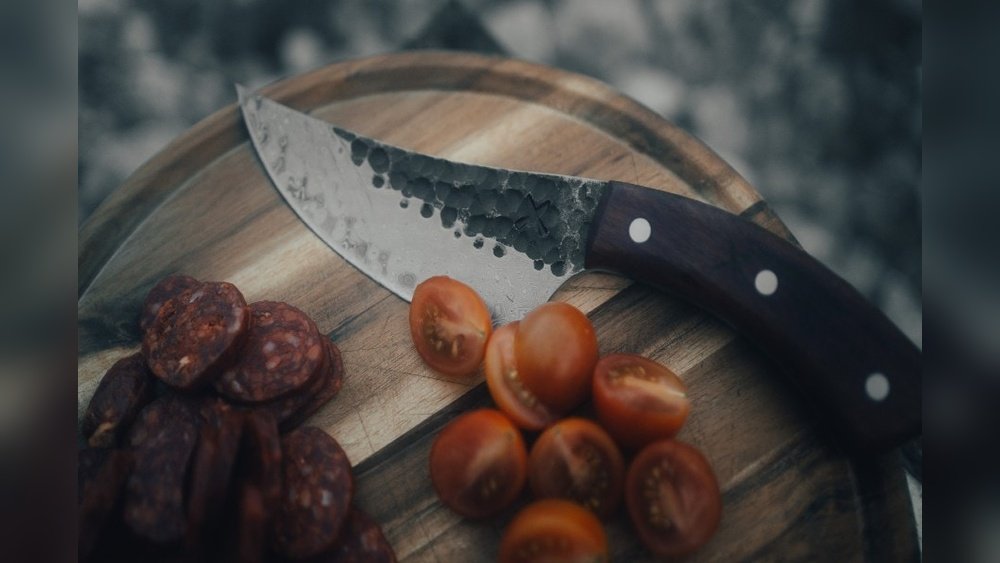
Damascus steel knives are more than just tools—they are a blend of artistry, history, and cutting performance. For many, owning a Damascus steel knife feels like holding a piece of tradition and craftsmanship in your hands. But with this beauty comes responsibility. Unlike stainless or plain carbon steel knives, Damascus steel requires special care to keep its signature patterns sharp and its blade strong. If you want your Damascus knife to last for generations, knowing the right techniques matters.
Many beginners treat their Damascus knives like regular kitchen blades, but this can lead to rust, dullness, or loss of the iconic pattern. Proper care is not just about keeping the knife sharp; it’s about preserving its character and value.
This guide will show you exactly how to maintain, clean, and protect your Damascus steel knife, so it can be both a reliable tool and a treasured heirloom.
Understanding Damascus Steel
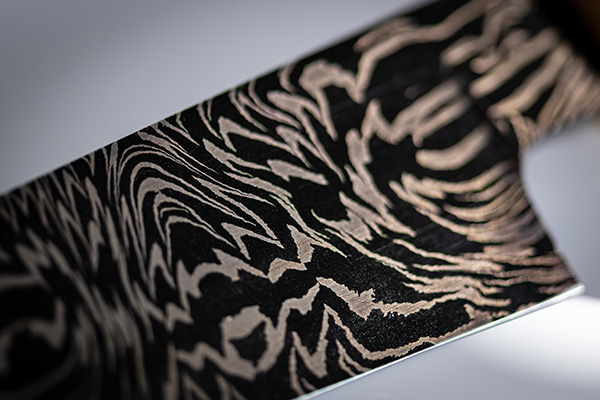
Damascus steel is famous for its wavy, flowing patterns—almost like water or wood grain. These patterns are not just for looks. They are the result of forging multiple layers of steel together. Traditionally, blacksmiths folded and hammered different steels repeatedly, creating a blade that is both hard and flexible.
Today, authentic Damascus steel is rare, but most modern Damascus knives are made using pattern-welded techniques. This involves combining high-carbon and low-carbon steel, then acid-etching the blade to reveal the unique patterns.
Key Features Of Damascus Steel
- High hardness gives the blade sharpness and edge retention.
- Toughness means it’s less likely to chip compared to brittle steels.
- Distinct patterns make each knife unique—no two are exactly alike.
Why Damascus Needs Special Care
Damascus steel is often high in carbon, which means it is more prone to rust than stainless steel. The acid etching that reveals the patterns can also make the surface a bit more vulnerable to staining if not properly protected. Understanding these features will help you see why special maintenance is so important.
Daily Use: Preventing Damage Before It Happens
Good care starts with how you use your knife every day. Small habits can make a big difference in the long-term health of your Damascus blade.
Choose The Right Cutting Surface
Never use your Damascus knife on hard surfaces. Avoid:
- Glass
- Ceramic plates
- Stone countertops
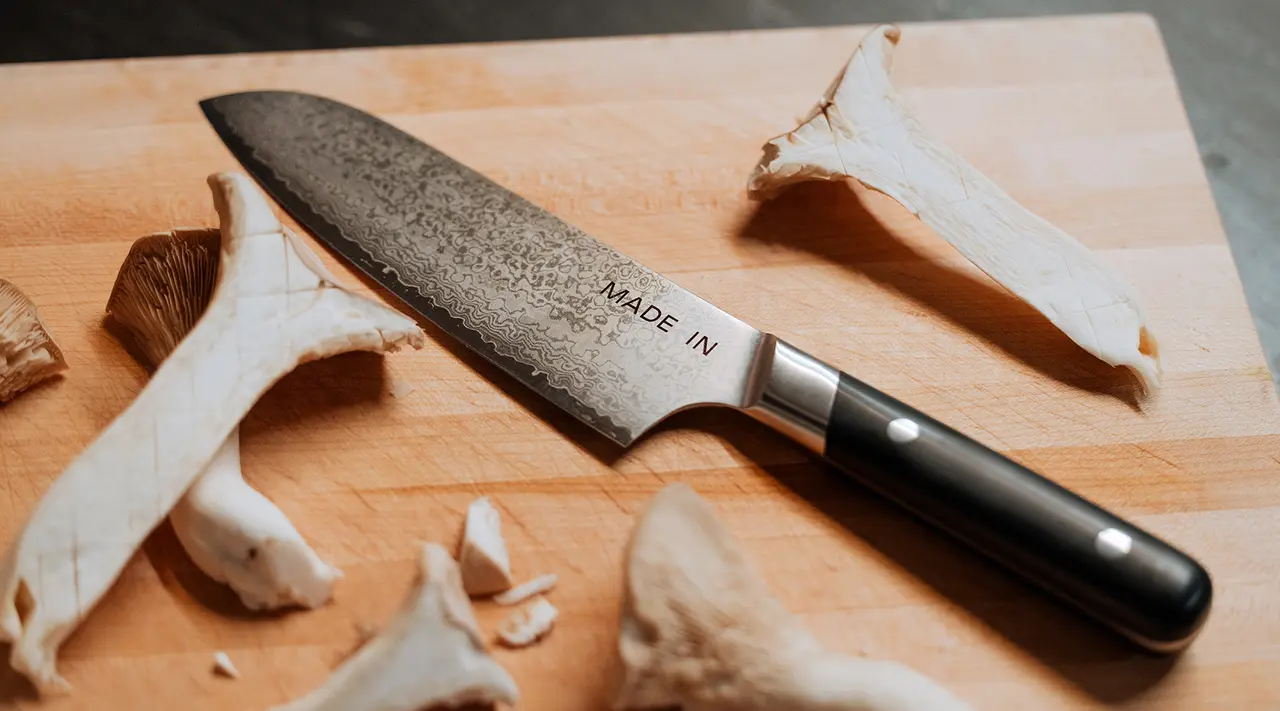
Instead, use wooden or plastic cutting boards. Wood, especially end-grain boards, is gentle on the edge. Plastic is also safe but may wear faster. Cutting on hard surfaces will quickly dull the blade and may even damage the steel layers.
Proper Handling And Usage
Damascus knives are designed for slicing and chopping, not prying or twisting. Avoid:
- Using the knife to open cans, bottles, or jars
- Cutting frozen foods or bones
- Twisting or bending the blade
These actions can cause chipping, bending, or separation of the steel layers.
Immediate Cleaning After Use
After each use, wash your Damascus knife by hand with warm water and mild dish soap. Never leave it soaking in water. Damascus steel can rust quickly if moisture sits on the blade, especially in the etched areas.
Cleaning Your Damascus Steel Knife
Keeping your knife clean is the first defense against rust and stains. Here’s how to do it the right way:
Step-by-step Cleaning
- Rinse immediately after use to remove food acids and debris.
- Use a soft sponge and mild dish soap. Avoid abrasive pads—they can scratch the blade and dull the pattern.
- Rinse with warm water.
- Dry completely with a soft towel. Never air-dry your Damascus knife.
What To Avoid
- Dishwasher: The heat, harsh detergents, and movement can ruin both the edge and the pattern.
- Soaking: Even a few minutes in water can lead to rust spots.
- Acidic foods: Lemon, tomato, or vinegar can stain the blade if left on too long.
Removing Stains Or Rust
If you notice a small rust spot or stain:
- Make a paste of baking soda and water.
- Gently rub the spot with a soft cloth.
- For stubborn spots, use a pencil eraser or a bit of metal polish (non-abrasive).
- Clean and dry the blade fully after treatment.
Drying And Oiling: The Keys To Long-term Protection
Drying and oiling are two steps many new owners skip, but they are critical for Damascus steel.
Why Drying Matters
Even a tiny amount of moisture left on a Damascus blade can cause rust. The etched pattern can trap water, making careful drying especially important. Always:
- Wipe the blade with a soft, absorbent towel
- Pay extra attention to the edge and spine
- Dry the handle, especially if it’s wooden
Oiling The Blade
A thin layer of oil protects the blade from moisture and air. Food-grade mineral oil is best for kitchen knives. For outdoor or collector’s knives, light machine oil or camellia oil also works.
How to oil:
- Place a few drops of oil on a soft cloth.
- Wipe both sides of the blade gently, covering the entire surface.
- Buff off any excess with a dry part of the cloth.
Oiling should be done after every cleaning and before storing the knife for more than a day.
Sharpening Damascus Steel Knives
Damascus knives hold an edge well, but they still need sharpening. The right technique preserves the pattern and performance.
How Often To Sharpen
How often you sharpen depends on use. If you use your knife daily, sharpen every few weeks. For less frequent use, every two to three months is enough. Always hone with a ceramic rod or fine steel between uses to keep the edge aligned.
Choosing The Right Tools
- Whetstones are best for sharpening Damascus steel. Use 1000 grit for dull edges, then finish with 3000–6000 grit for polishing.
- Ceramic rods are good for touch-ups.
- Avoid electric sharpeners—they can remove too much metal and damage the pattern.
Sharpening Steps
- Soak your whetstone if needed.
- Hold the blade at a 15–20 degree angle to the stone.
- Draw the blade across the stone, keeping even pressure.
- Work both sides equally.
- Rinse, dry, and oil the blade after sharpening.
Honing Between Sharpenings
A honing rod straightens the edge without removing metal. Use it every few uses to keep the blade sharp and reduce the need for full sharpening.
Storage: Keeping Your Knife Safe
Proper storage prevents accidental damage and rust.
Best Storage Methods
- Knife blocks: Wood blocks protect the edge and keep knives dry. Make sure the slots are clean.
- Magnetic strips: These show off your knife and keep it accessible. Use a gentle touch to avoid scratching.
- Blade guards or sheaths: If you store knives in a drawer or travel with them, always use a guard.
- Knife rolls: For chefs or collectors, a canvas or leather roll keeps knives separate and safe.
What To Avoid
- Loose in a drawer—knives can bang against other utensils, dulling or chipping the edge.
- Damp areas—always store in a dry place away from sinks or stoves.
Protecting The Damascus Pattern
The beauty of Damascus steel is in its pattern. To keep it looking sharp:
- Avoid harsh chemicals, bleach, or abrasive cleaners.
- Don’t scrub the blade with steel wool or rough pads.
- Oil the blade regularly to keep the pattern vibrant.
- If the pattern looks faded, light polishing with a soft cloth and a tiny bit of metal polish can help—but don’t overdo it.
Caring For The Handle
A Damascus knife’s handle is often made from wood, bone, or other natural materials. Handle care is as important as blade care.
Wooden Handles
- Wipe dry after each use.
- Rub with food-safe mineral oil or beeswax monthly to prevent drying and cracking.
- Avoid soaking or putting in the dishwasher.
Synthetic Handles
- Wash with mild soap.
- Dry thoroughly.
- Inspect for cracks or looseness.
Metal Or Composite Handles
- Dry completely to prevent rust between the handle and blade.
- Polish with a soft cloth to keep shiny.
Seasonal Maintenance And Deep Cleaning
A few times a year, take extra steps to protect your Damascus knife.
Deep Cleaning
- Remove the handle if possible (some knives are full-tang and allow this).
- Clean all surfaces, including the tang and under the handle.
- Apply a thin coat of oil to all metal parts.
- Reassemble and check for tightness.
Inspect For Damage
- Look for rust, chips, or loose parts.
- Repair or sharpen as needed.
- If the pattern fades or the blade looks dull even after cleaning, it may be time for professional restoration.
Common Mistakes With Damascus Knives
Many knife owners damage their blades by accident. Here are mistakes to avoid:
- Leaving the knife wet after washing.
- Cutting acidic foods and not cleaning immediately.
- Using electric sharpeners or rough stones.
- Storing in a drawer without a blade guard.
- Using bleach or harsh chemicals to clean.
- Soaking the handle—especially wood or bone handles.
- Not oiling after cleaning.
- Not drying between handle and blade—moisture here can cause hidden rust.
Comparing Damascus Steel With Other Knife Materials
Understanding how Damascus steel compares helps you see why it needs special care.
| Feature | Damascus Steel | Stainless Steel | Carbon Steel |
|---|---|---|---|
| Edge Retention | Excellent | Good | Very Good |
| Rust Resistance | Moderate | High | Poor |
| Maintenance | High | Low | High |
| Appearance | Unique Pattern | Plain | Plain |
| Sharpening | Requires Skill | Easy | Easy |
Choosing The Right Oil For Your Damascus Knife
Which oil you use matters, especially for knives used on food.
| Oil Type | Best For | Food Safe? | Notes |
|---|---|---|---|
| Mineral Oil | Kitchen Knives | Yes | Odorless, tasteless |
| Camellia Oil | Collectors, chefs | Yes | Traditional, natural |
| Light Machine Oil | Outdoor Knives | No | Protects in storage |
| Vegetable Oil | Not Recommended | Yes | Can go rancid |
Tip: Always use food-safe oil if the knife touches food. Avoid olive or vegetable oil, which can become sticky or rancid over time.
Seasoning Your Damascus Knife
Seasoning is a technique borrowed from cast iron, but it can help some carbon-rich Damascus blades.
How To Season
- Clean and dry the knife thoroughly.
- Apply a thin layer of food-safe oil.
- Heat the blade gently (not the handle) with a hair dryer or over low heat.
- Wipe off excess oil after cooling.
This creates a micro-layer that improves rust resistance, especially for knives used outdoors or in humid climates.
Traveling With Damascus Steel Knives
If you take your knife to cooking classes, work, or on trips, extra care is needed.
- Always use a blade guard, sheath, or knife roll.
- Pack in a dry, padded compartment.
- Avoid leaving your knife in a hot car or damp bag.
- Clean and oil after each use, especially if exposed to saltwater or humidity.
Credit: www.tharwavalleyforge.com
When To Seek Professional Help
Sometimes, home care isn’t enough. If you see deep rust, pitting, or the blade is dull despite sharpening, a professional can restore the knife.
- Professional sharpeners can revive the edge without harming the Damascus pattern.
- Restoration experts can remove deep stains or etching damage.
- If the handle is loose or cracked, repair it before use to avoid injury.
Damascus Knives For Collectors Vs. Daily Users
Some Damascus knives are meant for display, while others are built for daily kitchen or outdoor use.
- Collector’s knives may require less frequent cleaning but more careful oiling and storage.
- Working knives need more regular sharpening and cleaning.
If you display your knife, keep it in a dry, dust-free environment and oil the blade every few months.
Credit: madeincookware.com
Real-world Examples Of Damascus Knife Care
Consider these scenarios:
- A chef uses their Damascus knife daily. They wash, dry, and oil after each shift. The edge stays sharp for months, and the pattern looks new.
- A collector stores their knife in a leather sheath in a humid basement. After a few months, rust appears—leather can trap moisture, and basements are often damp.
- A home cook puts their Damascus knife in the dishwasher. The pattern fades, and small rust spots appear. The high heat and detergent damage both the steel and the handle.
Lesson: Everyday habits shape your knife’s future.
Myths And Misunderstandings
Some people believe Damascus steel is almost magical—immune to rust, able to cut anything forever, or self-sharpening. These myths lead to disappointment and damage.
- Damascus steel can rust—sometimes faster than plain carbon steel.
- The pattern is not just paint—acid etching reveals the real layers, but it can fade with poor care.
- Damascus knives need sharpening—just like any blade.
Respect the knife, and it will reward you with years of service and beauty.
Essential Dos And Don’ts For Damascus Knife Care
Here’s a quick reference guide for every owner:
Dos
- Clean and dry immediately after use
- Use food-safe oil regularly
- Store in a dry, safe place
- Sharpen with whetstones
- Use only on soft cutting boards
Don’ts
- Never use the dishwasher
- Don’t cut frozen foods or bones
- Never soak in water
- Don’t use abrasive cleaners
- Don’t leave the knife wet or dirty
Investing In Quality: Is Damascus Steel Worth It?
Damascus steel knives are not cheap. A good kitchen knife can cost anywhere from $100 to over $1,000. The value is in the craftsmanship, performance, and unique look. With proper care, a Damascus knife can last decades, sometimes even longer.
Compared to stainless steel, you’ll spend more time on maintenance, but many owners say the sharpness, beauty, and pride of ownership are worth it.
For those who appreciate tradition and function, Damascus steel is an investment in both.
Resources For Further Learning
If you want to learn more about the history, science, or artistry of Damascus steel, check out the Wikipedia entry on Damascus steel. It covers the origins, manufacturing methods, and modern techniques in detail.
Frequently Asked Questions
What Is The Best Oil For Damascus Steel Knives?
The best oil for Damascus steel knives, especially those used on food, is food-grade mineral oil. It’s odorless, tasteless, and won’t go rancid. Camellia oil is also excellent, especially for collectors. Avoid vegetable oils, which can become sticky or spoil.
How Do I Remove Rust From My Damascus Knife?
If you spot a small rust patch, make a paste with baking soda and water. Gently rub with a soft cloth or pencil eraser. For stubborn rust, use a non-abrasive metal polish. Always clean, dry, and oil the blade after removing rust to prevent it from coming back.
Can I Put My Damascus Knife In The Dishwasher?
No, you should never put a Damascus knife in the dishwasher. The harsh detergents, high heat, and movement can damage both the blade and handle, fade the pattern, and cause rust. Always hand wash and dry immediately.
How Often Should I Sharpen My Damascus Steel Knife?
Sharpening frequency depends on use. Daily users should sharpen every few weeks; casual users every two to three months. Honing with a ceramic rod between uses keeps the edge longer and reduces the need for full sharpening.
Will The Damascus Pattern Fade Over Time?
With proper care, the Damascus pattern will remain visible for years. However, harsh cleaning, abrasive pads, or neglect can dull or fade the pattern. Regular oiling, gentle cleaning, and avoiding chemicals will help keep the pattern sharp and beautiful.
Taking care of your Damascus steel knife is not just a chore—it’s a way to connect with a centuries-old tradition. With the right habits, your knife will stay sharp, strong, and stunning for years to come.

Credit: nobliecustomknives.com