
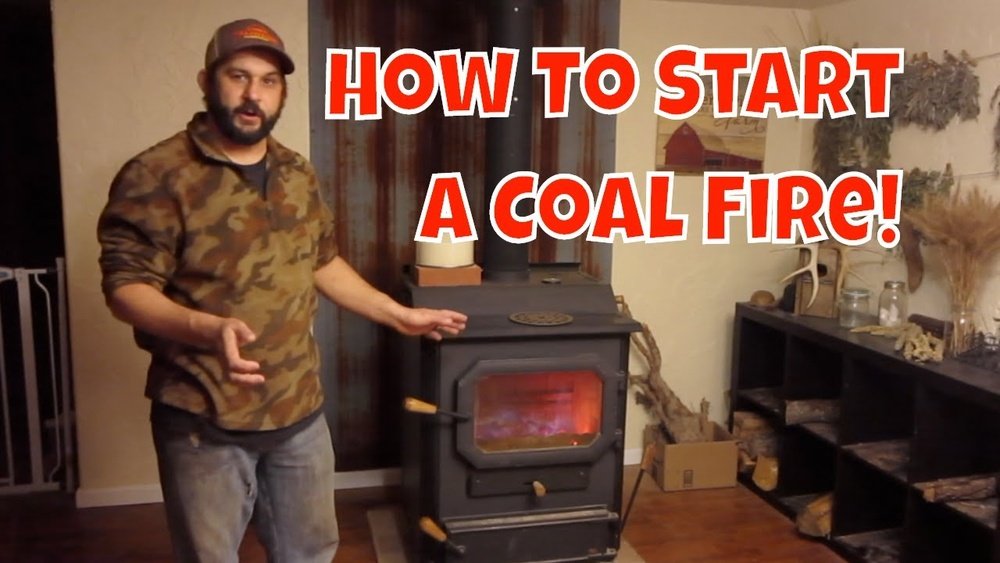
Starting a coal stove is both an art and a science. For many, the idea of using coal as a heating source might seem old-fashioned, but coal stoves are still widely used today in rural homes, cabins, and even some urban settings.
They offer reliable heat, can save money on fuel costs, and provide a unique comfort during cold winters. Yet, learning to start and maintain a coal stove can feel intimidating, especially for beginners. If you’re new to this process or want to improve your method, this guide will walk you through every step, from preparation to safety, so you can enjoy a warm, safe, and efficient coal fire.
Understanding Coal Stoves: Basics You Need To Know
Before lighting your first fire, it’s important to understand how a coal stove works. Unlike wood stoves, coal stoves are designed to burn anthracite or bituminous coal, which have unique burning properties. Anthracite coal, the most common for home stoves, burns hotter and longer, providing steady heat for hours.
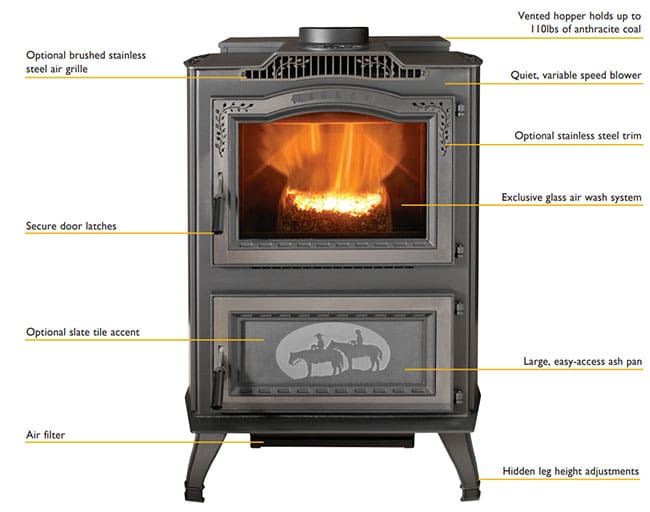
Coal stoves are built with grates at the bottom that allow ash to fall through, and many have air controls to manage combustion.
Coal stoves require a specific setup:
- A firebox designed for coal’s high temperatures.
- Grates for shaking down ash.
- Ash pan to collect waste.
- Air intakes below and sometimes above the fire for proper airflow.
- A chimney or vent system for smoke and gases.
It’s also essential to use the right type of coal. Anthracite pea, nut, or stove coal are common sizes. Never use soft coal or coal dust in a stove designed for anthracite.
Types Of Coal Stoves
There are two main categories:
- Manual stoves: You start and maintain the fire yourself, adjusting air and shaking grates as needed.
- Automatic stoves: These use blowers or thermostats to regulate air and sometimes feed coal automatically.
Manual stoves are more common in homes, so this guide focuses on them.
Preparing Your Coal Stove
Proper preparation ensures a safe and efficient fire. Many beginners skip preparation, leading to poor burns or dangerous situations. Here’s what you need to do before lighting up:
Inspect And Clean The Stove
Any leftover ash, clinker, or debris from previous burns can affect your fire. Remove all old ash from the firebox and ash pan. Use a brush to clean grates and interior surfaces. Inspect for cracks, warped parts, or rust, as these can be safety hazards.
Check The Chimney Or Flue
A blocked or dirty chimney is a major fire risk. Make sure your chimney is clear of soot, creosote, or nests. You may need a professional sweep for an annual deep clean. Poor draft is often the result of a dirty or blocked chimney.
Gather Your Supplies
You’ll need:
- Anthracite coal (nut, stove, or pea size)
- Kindling (dry wood, pine cones, or fire starters—not coal dust)
- Newspaper (not glossy or colored)
- Matches or a long lighter
- Shaker tool (for the grate)
- Ash bucket and a small shovel
- Gloves and safety goggles
Open Air Vents
Open the primary air intake fully before starting. Coal needs plenty of air from beneath to ignite.

Credit: www.youtube.com
Starting A Coal Fire: Step-by-step
Lighting a coal stove is not the same as lighting wood. Coal needs a hot, established base before it will catch. Here’s a proven sequence for starting your coal fire:
1. Build A Strong Kindling Base
Crumple a few sheets of newspaper and place them in the center of the firebox. Layer small, dry pieces of wood (kindling) on top in a criss-cross pattern. The goal is to create a hot, quick-burning wood fire.
2. Light The Kindling
Use a match or long lighter to ignite the newspaper at several points. Let the kindling catch fully and burn until you have a lively, hot fire. Do not add coal yet.
3. Add Small Amounts Of Coal
Once the wood is burning well, sprinkle a thin layer (about 1–2 inches) of coal over the hot wood. Avoid smothering the fire—leave some gaps for air.
Let this layer catch. You should see blue flames and hear the coal crackling after a few minutes. If the fire looks like it’s dying, adjust the air intake or add a bit more kindling.
4. Build Up The Coal Fire
When the first layer of coal is glowing and burning well, add another layer, slightly thicker this time. Repeat the process, letting each layer catch before adding more. Never pile on large amounts of cold coal at once, or you’ll smother the fire.
Continue until the firebox is nearly full, leaving about 1–2 inches below the top of the fire bricks. This deep bed is needed for coal to burn efficiently.
5. Adjust Airflow
Once the coal bed is established, adjust the primary air intake so the fire burns steadily—not too fast, not too slow. Some stoves also have a secondary air control above the fire for fine-tuning.
6. Shake Down Ash
After several hours, ash will collect under the burning coal, blocking airflow. Use the stove’s shaker handle to gently move the grate, allowing ash to fall into the pan. Do this carefully—too much shaking can drop live coal and cool the fire.
7. Remove Ashes Safely
When the ash pan is full (usually once a day), use gloves and a metal bucket to remove it. Never use a plastic container, as hot ash can melt or start a fire.
Key Differences: Coal Vs. Wood Stove Lighting
Many people try to start a coal stove the same way they do with wood, but this rarely works well. Here’s a side-by-side comparison to make things clear:
| Feature | Coal Stove | Wood Stove |
|---|---|---|
| Fuel type | Anthracite/Bituminous Coal | Seasoned Firewood |
| Airflow | Needs bottom-up airflow | Air from above or sides |
| Fire starting | Needs hot kindling base before adding coal | Directly light wood or kindling |
| Burn duration | 8–12 hours per load | 2–6 hours per load |
| Ash management | Regular shaking and ash removal | Simple ash scooping |
One big insight: Coal fires need patience during startup. Rushing the process by adding too much coal too soon almost always leads to failure.

Credit: legacystoves.com
Safety First: Protect Your Home And Health
Coal stoves are safe when used correctly, but mistakes can cause serious problems. Here’s what you need to watch for:
Ventilation
Coal produces carbon monoxide (CO), which is deadly if it builds up in your home. Always ensure your stove is connected to a properly functioning chimney. Install a CO detector in the same room as the stove and test it monthly.
Ash Handling
Ashes can stay hot for up to 48 hours. Always use a metal container with a tight-fitting lid for ash. Store the container outside on a non-combustible surface. Never set it on a wood floor or porch.
Fireproof Surroundings
Keep all combustibles—curtains, furniture, papers—at least 36 inches from the stove. Use a stove board or heat shield under and behind the stove if installed near walls or on wood floors.
Regular Inspections
Check the stove, pipes, and chimney for cracks, leaks, or blockages every month during the heating season. Schedule a professional inspection at least once a year.
Emergency Readiness
Have a fire extinguisher rated for solid fuel fires nearby. Teach all family members how to use it. Know the signs of CO poisoning: headache, dizziness, nausea, and confusion.
Maintaining A Coal Fire: Keeping The Heat Going
A coal fire, once established, can burn for many hours with little attention. But regular maintenance is key for efficiency and safety.
Shaking The Grate
Gently shake the grate every 8–12 hours or as needed. Too little shaking and ash will choke the fire; too much can drop burning coal and reduce heat. The goal is to clear ash while leaving a deep, glowing bed.
Adding Coal
Add new coal only when you see red, glowing embers across the whole bed. Add in layers, not piles, and let each layer catch before adding more. Overfilling can smother the fire.
Clearing Clinkers
Clinkers are hard lumps of fused ash and minerals. They block airflow and reduce heat. Remove them with a poker or tongs when you spot them. Some stoves have a clinker door or tool for this purpose.
Cleaning The Stove And Chimney
At least once a week, clean out all ash and check for soot buildup. Monitor the chimney for any signs of blockage or creosote. Regular cleaning prevents chimney fires and keeps the stove efficient.
Troubleshooting: Common Problems And Real Solutions
Even experienced users face issues from time to time. Here are some of the most common problems and how to fix them:
The Fire Won’t Start
- Possible cause: Not enough kindling heat, poor airflow, or wet coal.
- Solution: Use dry wood and newspaper. Make sure air vents are fully open. If the coal is damp, dry it near the stove before use.
The Fire Dies After Adding Coal
- Possible cause: Too much coal added at once, or ash blocking air.
- Solution: Add coal in thin layers. Shake the grate to clear ash before adding more.
Poor Heat Output
- Possible cause: Shallow coal bed, ash buildup, or restricted air.
- Solution: Build a deeper coal bed. Shake down ash. Adjust air intake.
Smoke Or Odor In The Room
- Possible cause: Blocked chimney or leaking stove pipe.
- Solution: Check and clear the chimney. Inspect all joints for leaks.
Coal Clinkers Form Quickly
- Possible cause: Low-quality coal or burning at too low a temperature.
- Solution: Use high-grade anthracite. Keep the fire hot enough to prevent clinker formation.
Choosing The Right Coal For Your Stove
Selecting the correct coal type and size is essential for performance. Here’s a quick comparison of common anthracite coal sizes:
| Coal Size | Description | Best Use |
|---|---|---|
| Pea | Small pieces (1/2–9/16″) | Small stoves, steady heat |
| Nut | Medium pieces (13/16–1 5/8″) | Most home stoves |
| Stove | Large pieces (1 5/8–2 7/16″) | Large fireboxes, high heat |
| Rice | Fine (3/16–5/16″) | Automatic feeders, small stoves |
Nut coal is the most popular for manual stoves—it balances burn time, heat, and air flow. Always match the coal size to your stove’s manufacturer guidelines.
Real-world Tips For Coal Stove Beginners
Many first-time users make similar mistakes. Here are practical tips, including some less obvious ones that can make a real difference:
- Preheat the Chimney: Before lighting the fire, roll and burn a sheet of newspaper at the stove’s entrance to warm the chimney and improve draft. This helps prevent smoke from backing up into your room.
- Store Coal Indoors: Cold or damp coal is harder to ignite. Store a few bags inside near the stove for easy access and faster lighting.
- Use Fire Starters Wisely: Commercial fire starters can help, but avoid those with chemicals that may emit fumes. Pine cones or wax-dipped sawdust blocks are effective and safe.
- Don’t Overfill: Keep the coal bed a couple of inches below the top of the fire bricks. Overfilling can block air and reduce heat output.
- Maintain a Routine: Build a habit of shaking, adding coal, and removing ash at the same times each day. Consistency keeps the fire burning efficiently.
- Watch for Sulfur Smell: A strong sulfur odor means poor draft or a blocked chimney—fix this immediately, as it signals a dangerous situation.
- Keep Tools Handy: Have a poker, tongs, and a small shovel near the stove. Use gloves to prevent burns.
- Monitor the Glass: If your stove has a glass door, keep it clean. Soot on the glass means you need more air or hotter burning.
- Burn Hot Once a Day: Let the stove burn at maximum air for 20–30 minutes daily to clear out soot and reduce buildup.
- Know When to Stop: If you need to let the fire go out, stop adding coal 8–12 hours before. Let it burn down naturally—never douse with water.
Advanced Tips: What Experienced Users Do Differently
After your first season, you’ll learn tricks that make coal burning easier and more efficient. Here are a few advanced tips:
- Layer Coal for Overnight Burns: Before bed, add a thicker layer of coal and reduce air to slow the burn. This helps the fire last until morning.
- Check Draft with a Match: Hold a lit match near the open stove door. If the flame is pulled in, your draft is good. If not, check for blockages.
- Use a Thermometer: Install a stovepipe thermometer to monitor heat output and prevent overheating or underfiring.
- Rotate Coal Stock: Use older coal first to prevent it from absorbing moisture. Coal stored too long can lose efficiency.
- Seal Air Leaks: Check the stove door gaskets and joints for leaks. Even small air leaks reduce control and efficiency.
Environmental Impact: Coal Stove Considerations
While coal stoves are efficient and cost-effective, they do have a greater environmental impact than wood or pellet stoves. Burning coal releases more carbon dioxide and pollutants. Regulations on coal stoves and fuel can vary by region, so always check local laws. Using high-quality anthracite and maintaining your stove will minimize emissions and maximize efficiency.
For more on coal and its environmental effects, see this Wikipedia article.
Cost Comparison: Coal Stoves Vs. Other Heating Methods
How does burning coal stack up against other fuels? Here’s a quick cost and efficiency comparison:
| Fuel Type | Average Cost per Ton/Gallon | Heat Output (BTU per unit) | Typical Burn Time |
|---|---|---|---|
| Coal (Anthracite) | $180–$250/ton | 24,000,000 BTU/ton | 8–12 hours/load |
| Firewood (Seasoned) | $200–$350/cord | 20,000,000 BTU/cord | 2–6 hours/load |
| Pellets | $220–$280/ton | 16,500,000 BTU/ton | 6–12 hours/load |
| Propane | $2.00–$3.00/gallon | 91,500 BTU/gallon | N/A |
Coal remains one of the most cost-effective ways to heat a home, especially in areas where coal is locally available.
Credit: legacystoves.com
Frequently Asked Questions
How Long Does It Take To Start A Coal Stove From Cold?
Usually, starting a coal stove from cold takes about 30–60 minutes. The key is patience—build a strong wood fire first, then add coal in small layers. Rushing this step can cause the fire to die out.
Can I Burn Wood In A Coal Stove?
You can start a coal fire with wood, but most coal stoves are not designed for burning wood as the main fuel. Burning only wood may lead to overheating or damage, and it’s less efficient than using coal.
Is Coal Ash Safe To Use In The Garden?
Coal ash contains heavy metals and is not recommended for garden use. Unlike wood ash, it should be disposed of in accordance with local waste regulations, never spread on soil or compost.
Why Does My Coal Stove Smell Like Sulfur?
A sulfur smell means poor draft or a blocked chimney. This is dangerous, as it can indicate carbon monoxide is not venting properly. Check the chimney and stove pipe immediately and do not use the stove until resolved.
What Is The Best Way To Store Coal For Winter?
Keep coal dry and protected from the weather. Store it in a bin, shed, or heavy-duty bags indoors if possible. Damp coal is hard to burn and can reduce stove efficiency.
Starting a coal stove may seem complex at first, but with careful preparation and practice, it becomes a rewarding routine. The warmth and comfort of a coal fire are hard to beat, especially on cold nights. By following these steps and tips, you’ll master the process, keep your home safe, and enjoy efficient heat all winter long.