
Caring for your cookware isn’t just about keeping it looking shiny on your shelf. When you invest in Caraway pans, you’re choosing premium ceramic nonstick cookware that’s designed to last. But these pans need the right cleaning and maintenance routines to keep their nonstick coating working perfectly year after year. Many people make mistakes that shorten the lifespan of their cookware without realizing it. In this guide, you’ll learn the full process of how to clean Caraway pans—step by step, with practical examples, tips, and answers to all the questions you might have.
Whether you’re a new Caraway owner or you want to help your current pans last longer, you’ll find everything you need here. We’ll cover why Caraway pans need special care, exactly what to do (and what to avoid), how to handle tough stains, and how to keep your pans in great shape for years.
You’ll also see helpful comparison tables for cleaning tools and products, and learn the science behind ceramic nonstick coatings. Let’s get started with keeping your Caraway pans as beautiful and functional as the day you bought them.
Why Caraway Pans Need Special Care
Caraway pans are not like traditional stainless steel or cast iron cookware. They use a ceramic nonstick coating that’s free from Teflon, PTFE, and PFOA. This ceramic surface gives you easy cooking and cleaning, but it also means you need to be careful with your cleaning methods. Scratching, overheating, or using harsh chemicals can damage the nonstick layer, making your pan stickier and harder to clean over time.
One fact many people miss: Ceramic nonstick coatings are not as hard as stainless steel. They can be scratched by metal utensils or abrasive sponges. If you use the wrong tools or cleaning products, you might not see damage right away, but each little scratch makes the coating wear out faster.
Another important point is that Caraway pans are made with an aluminum core for even heating, but this means they should not be soaked for long periods. Water getting under the coating or around the edges can cause warping or bubbling.
By understanding these details, you can avoid mistakes that often ruin expensive pans. Let’s look at the best ways to clean your Caraway pans, so you get the most from your investment.
Step-by-step Guide: How To Clean Caraway Pans
Cleaning Caraway pans isn’t difficult, but each step matters. Here’s a simple, effective process that protects the ceramic coating and keeps your pans looking new.
1. Let The Pan Cool Completely
Never clean a hot Caraway pan. Sudden changes in temperature (thermal shock) can cause the ceramic coating to crack or warp the base.
Tip: Wait at least 10-15 minutes after cooking before you wash the pan. If you’re in a hurry, move the pan off the burner to a cool, dry surface.
2. Wash With Warm, Soapy Water
Use warm (not hot) water and a small amount of mild dish soap. Avoid harsh detergents that contain bleach or citrus, as these can damage the nonstick surface.
How to do it:
- Fill your sink with warm water.
- Add a few drops of gentle dish soap.
- Use a soft sponge or microfiber cloth to wipe the surface.
Insight: Many beginners use too much soap, thinking more will clean better. In reality, a small amount is enough—too much soap can leave residue that affects food flavor.
3. Use The Right Cleaning Tools
Never use steel wool, scouring pads, or abrasive brushes on Caraway pans. These will scratch the ceramic surface and shorten the life of your pan.
Here’s a comparison of common cleaning tools:
| Cleaning Tool | Safe for Caraway? | Effectiveness | Notes |
|---|---|---|---|
| Soft sponge | Yes | High | Best for daily cleaning |
| Microfiber cloth | Yes | Medium | Gentle on nonstick surface |
| Plastic scrubber | Yes | Medium-High | Use for stuck-on food |
| Steel wool | No | Very High (but damages coating) | Never use |
| Metal brush | No | Very High (damages coating) | Never use |
Pro tip: If you need extra scrubbing power, use a nylon or silicone brush. These are tough on food but gentle on ceramic.
4. Rinse And Dry Thoroughly
After washing, rinse your pan with warm water to remove all soap. Leaving soap residue can create a sticky film that makes cleaning harder next time.
Dry your pan completely with a soft towel. Don’t air-dry, because standing water can cause spotting or damage to the edges.
Beginner mistake: Some people stack wet pans or put them away damp. This can cause the ceramic to weaken or discolor over time.
5. Remove Stuck-on Food Gently
If there’s stuck-on food, don’t scrape with metal utensils. Instead, soak the pan in warm, soapy water for 15-20 minutes. After soaking, gently lift the residue with a soft sponge or plastic spatula.
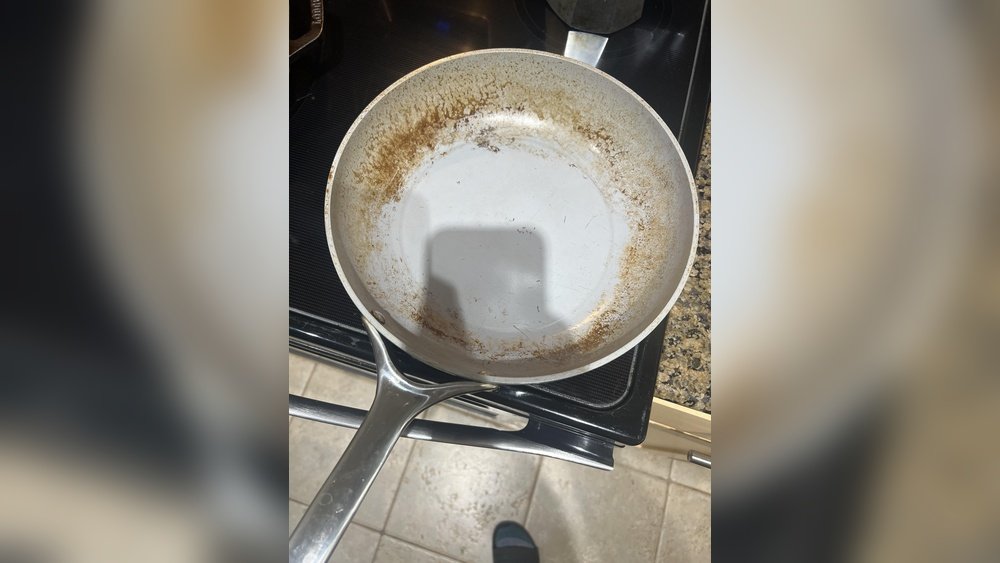
Non-obvious tip: For really stubborn stains, make a paste with baking soda and a little water. Rub gently with a soft cloth. Baking soda is mildly abrasive but safe for ceramic surfaces.
6. Clean The Exterior
Caraway pans have colored ceramic exteriors that can stain if not cleaned regularly. Wipe the outside with a soft sponge and soapy water. Avoid abrasive pads that can scratch the color.
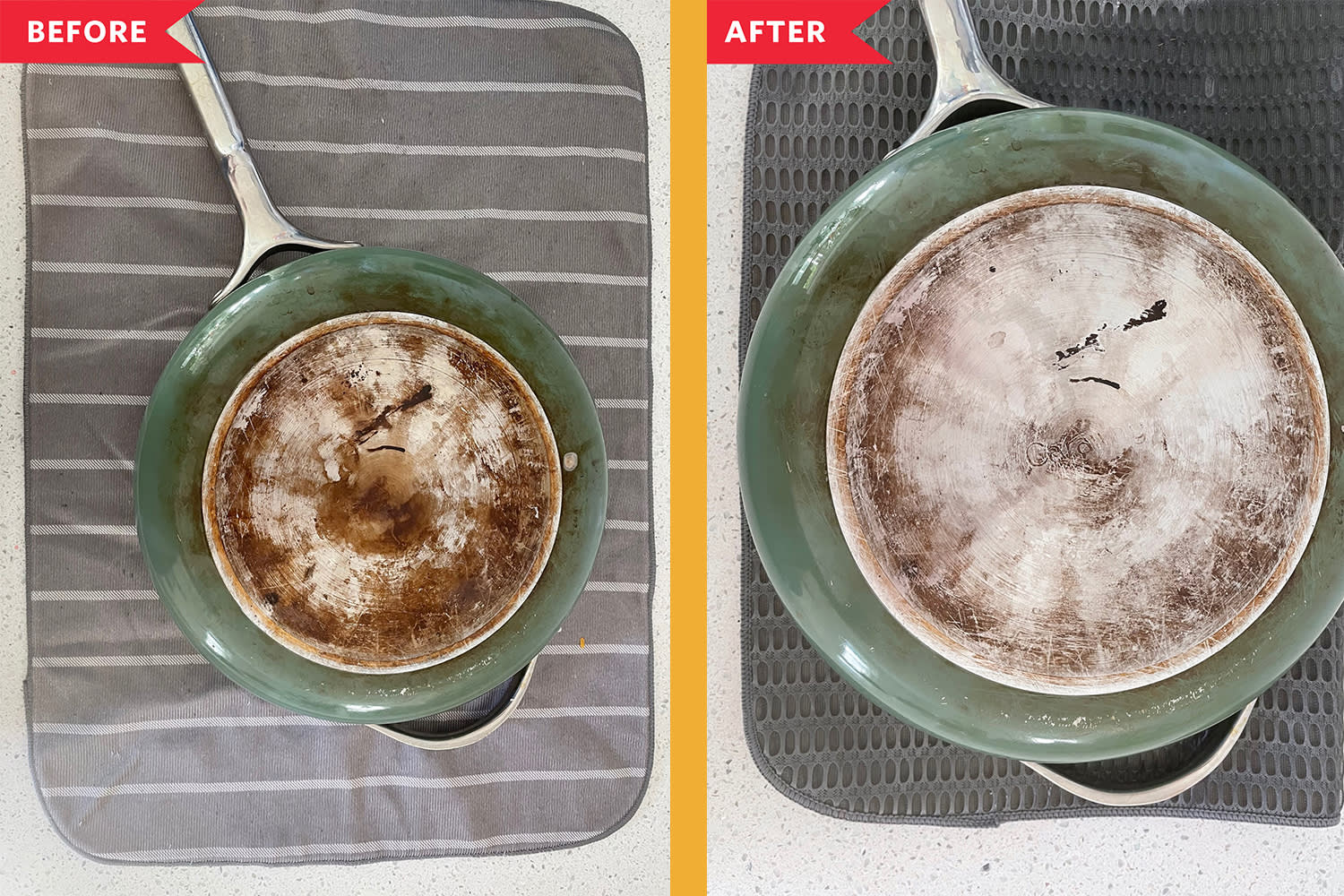
Example: If you see burnt-on oil on the outside, use a baking soda paste or a little white vinegar to break down the grease, but never let vinegar sit for long—it can damage the coating.
7. Handle The Handles
Handles can get greasy, especially near the stovetop. Wipe them with soapy water and a soft sponge. For stainless steel handles, you can use a little vinegar, but avoid getting vinegar on the ceramic.
Practical insight: Handles often get missed during cleaning. Over time, grease buildup can make them slippery or even cause the pan to smell.
8. Store Your Pans Properly
Never stack Caraway pans without protection. Ceramic coatings can chip if pans knock together.
How to store:
- Place a soft cloth or paper towel between pans if you must stack them.
- Hang pans or store them upright if possible.
- Avoid putting heavy items on top of your pans.
Beginner’s error: Many people store pans in crowded cabinets, causing tiny chips that lead to bigger cracks over time.

Credit: www.reddit.com
What To Avoid When Cleaning Caraway Pans
Knowing what not to do is as important as knowing the right steps. Here are common mistakes to avoid:
- Dishwasher use: Caraway pans are labeled “dishwasher safe” by some sellers, but it’s best to avoid dishwashers. The high heat, harsh detergents, and water jets can damage the ceramic coating over time.
- Metal utensils: Using forks, knives, or metal spatulas will scratch the surface, even if you’re gentle.
- Cooking sprays: Aerosol sprays (like Pam) leave a sticky residue that’s very hard to clean and can break down the nonstick layer.
- High heat: Cooking on high heat can discolor or damage the coating. Stick to medium or low heat for most cooking.
- Soaking too long: Leaving your pan soaking in water for hours can cause the edges to peel.
- Abrasive cleaners: Avoid powdered cleansers, bleach, or ammonia-based products.
- Sudden temperature changes: Never pour cold water into a hot pan—this is a common cause of warping and cracks.
Deep Cleaning: Dealing With Tough Stains And Burnt Food
Even with regular care, sometimes food burns or stubborn stains appear. Here’s how to handle the worst messes without damaging your Caraway pan.
Burnt-on Food
If you’ve burned food onto the pan, resist the urge to scrape it off. Instead:
- Fill the pan with warm water and a squirt of dish soap.
- Let it soak for 30 minutes (never overnight).
- Use a soft sponge or nylon brush to gently scrub away the residue.
If the stain remains, make a paste with baking soda and water. Rub gently in a circular motion. For extra cleaning, add a little white vinegar to the paste (but rinse quickly).
Warning: Never use steel wool or oven cleaners. These will ruin the ceramic surface.
Discoloration And Stains
Light stains may appear over time, especially on the white interior or colored exterior. To remove them:
- Sprinkle a little baking soda on the stain.
- Add a drop of water to make a paste.
- Gently rub with a microfiber cloth.
- Rinse thoroughly.
For oil stains or sticky spots, a small amount of plain white vinegar on a sponge can help. Rinse immediately after.
Extra tip: If your pan has rainbow discoloration, it’s usually from high heat. This cannot always be removed, but it doesn’t affect performance.
Restoring Nonstick Performance
If food starts sticking more than usual, it’s often because of oil buildup. To restore the nonstick surface:
- Wash the pan thoroughly with warm, soapy water and a soft sponge.
- Rinse and dry.
- Apply a small amount of cooking oil (like canola or avocado) to the surface and rub in with a paper towel.
- Heat the pan gently for 1-2 minutes, then let it cool and wipe away excess oil.
This “seasoning” process helps fill tiny pores in the ceramic and brings back slickness.
Comparing Cleaning Products For Caraway Pans
Not all cleaning products are safe for ceramic nonstick cookware. Here’s a look at popular choices and how they perform:
| Product | Safe for Caraway? | Best Use | Notes |
|---|---|---|---|
| Mild dish soap | Yes | Everyday cleaning | Use in small amounts |
| Baking soda | Yes | Stubborn stains | Make a paste for gentle scrubbing |
| White vinegar | Yes (limited) | Grease & odor removal | Rinse quickly, avoid soaking |
| Bleach | No | Disinfection (not for pans) | Damages nonstick surface |
| Oven cleaner | No | Heavy-duty cleaning (not for pans) | Highly corrosive |
| Ceramic cookware cleaner (specialty) | Yes | Deep cleaning/Restoring | Check label for compatibility |
Non-obvious insight: Many “all-purpose” kitchen cleaners contain acids or abrasives that slowly wear down the nonstick coating. Always check the label before using a new product on your Caraway pans.
How Often Should You Clean Your Caraway Pans?
You should clean your Caraway pans after every use, even if they look clean. Tiny bits of oil, salt, or food can build up on the surface and reduce nonstick performance. If you use your pan every day, a deep clean with baking soda once a week helps keep it working like new.
Fact: Regular, gentle cleaning actually extends the life of your nonstick coating more than trying to “save time” by skipping washes.
For people who cook high-protein foods (like eggs or fish), you might notice more rapid buildup. In these cases, wipe the pan with a paper towel after each use, then do a full wash.
Credit: www.thekitchn.com
Storing Caraway Pans: After Cleaning
Proper storage matters as much as cleaning. Ceramic coatings can chip if knocked around. Here’s a quick overview:
- Always dry pans thoroughly before storing.
- Store pans with a soft liner (towel, silicone mat) between them if stacking.
- If hanging, make sure hooks don’t scratch the rim.
- Avoid over-crowding cabinets.
Practical example: If your kitchen is small, use a pan organizer rack to keep pans upright and separated.
What To Do If Your Caraway Pan Is Damaged
Sometimes, even with care, accidents happen. Here’s how to handle common problems:
Scratches
If your pan gets a small scratch, it will still work, but food may stick more in that area. Stop using metal utensils immediately. For deep scratches, consider contacting Caraway customer support—some damage may be covered under warranty.
Chips Or Cracks
If the ceramic coating chips or cracks, it’s time to replace the pan. Cooking with damaged nonstick can release particles into your food and make sticking worse. Do not try to repair chips with glue or enamel paint.
Warping
Warped pans cook unevenly. Warping is usually caused by sudden temperature changes or soaking. You cannot fix a warped pan—replace it to avoid poor cooking results.
Discoloration
Stains or discoloration are mostly a cosmetic issue and usually do not affect cooking. Follow deep cleaning steps to improve appearance.
The Science Of Ceramic Nonstick Coatings
Caraway pans use a mineral-based ceramic coating that’s free from PTFE, PFOA, and other chemicals found in classic nonstick pans. This coating is applied in layers to an aluminum core.
How it works: The ceramic surface is smooth at a microscopic level, so food slides off easily. But, unlike old Teflon coatings, ceramic is less flexible and more vulnerable to scratches. Overheating or scratching can break the top layer, letting food and oil stick more.
Stat: Laboratory tests show that ceramic nonstick surfaces can lose up to 30% of their slickness after just 10 cycles of overheating or rough cleaning.
That’s why gentle cleaning and moderate heat are so important for Caraway pans.
How Caraway Pans Compare To Other Nonstick Pans For Cleaning
Here’s a quick look at how Caraway pans compare with other popular nonstick options:
| Feature | Caraway (Ceramic) | Teflon (PTFE) | Stainless Steel | Cast Iron |
|---|---|---|---|---|
| Nonstick performance | Very good (when new) | Excellent | Poor (unless seasoned) | Good (when seasoned) |
| Cleaning method | Hand wash, mild soap | Hand wash, avoid abrasives | Dishwasher safe | No soap, dry immediately |
| Scratch resistance | Medium | Low | Very high | High (if seasoned) |
| Heat tolerance | Medium | Medium | High | Very high |
| Dishwasher safe? | No (not recommended) | No (not recommended) | Yes | No |
Key takeaway: Caraway pans are easier to clean than stainless steel or cast iron, but require gentler handling than Teflon. The right cleaning routine keeps the nonstick surface working and looking good.
Tips For Everyday Maintenance
To get the most life from your Caraway pans, develop a few good habits:
- Always let pans cool before washing.
- Use only wood, silicone, or plastic utensils.
- Wipe out excess oil before washing.
- Avoid stacking pans without protection.
- Deep clean with baking soda once a week.
Non-obvious insight: Even “gentle” dishwasher cycles are too harsh for ceramic nonstick. Hand washing is always safer.
When To Replace Your Caraway Pan
No pan lasts forever, even with perfect care. Here are signs it’s time for a new Caraway pan:
- Food sticks badly, even after deep cleaning and seasoning.
- The ceramic coating is chipped, flaking, or deeply scratched.
- The pan is warped and wobbles on the stove.
- The color is badly stained and cleaning doesn’t help.
Most Caraway pans last 2-4 years with regular use and proper cleaning. Heavy daily use or frequent mistakes can shorten this time.
For more on the science and recommendations behind ceramic nonstick cookware, see this Wikipedia article on ceramic nonstick cookware.

Credit: www.reddit.com
Frequently Asked Questions
How Do I Clean A Caraway Pan With Burnt Food?
First, let the pan cool. Fill it with warm water and a bit of dish soap. Let it soak for 15-30 minutes (no longer). Then use a soft sponge or nylon brush to gently remove the burnt bits. For tough stains, make a baking soda paste and rub gently.
Never use steel wool or metal scrapers.
Are Caraway Pans Dishwasher Safe?
While some sellers say Caraway pans are dishwasher safe, hand washing is highly recommended. Dishwashers use harsh detergents and high heat that can damage the nonstick ceramic coating. Always wash your pan by hand with mild soap and a soft sponge for best results.
Can I Use Vinegar Or Lemon To Clean Caraway Pans?
White vinegar can help remove grease and odors, but should be used sparingly and rinsed off quickly. Don’t let vinegar sit on the surface or soak the pan. Lemon juice is acidic and can also damage the coating if left on too long.
For most cleaning, stick with mild soap and water.
What Should I Do If My Caraway Pan Starts To Stick?
Clean the pan thoroughly with warm, soapy water and a non-abrasive sponge. Then, “season” the pan by rubbing a small amount of cooking oil into the surface and heating gently for 1-2 minutes. Wipe away any excess oil. If sticking continues, check for scratches or damage.
Is It Safe To Use Baking Soda On Caraway Pans?
Yes, baking soda is safe for cleaning Caraway pans. It’s mildly abrasive but won’t scratch ceramic if used gently. Make a paste with water and rub with a soft cloth or sponge to remove stains or stuck-on food.
Keeping your Caraway pans clean doesn’t require harsh chemicals or lots of scrubbing—just the right tools and a little attention to detail. Treat your pans gently, and they’ll reward you with years of easy cooking and cleaning.