
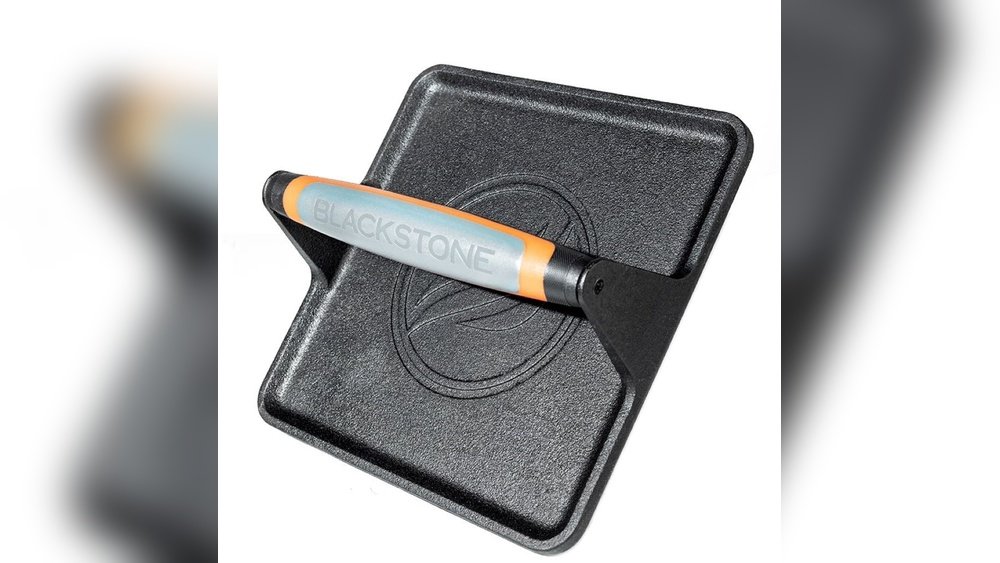
Seasoning your Blackstone griddle press is a simple step that many users skip, but it can make a huge difference in your cooking. If you’ve ever noticed food sticking to your press, or seen rust form after a few uses, you already know how frustrating it can be to use a press that isn’t seasoned properly. Seasoning your press creates a smooth, non-stick surface and protects the metal from rust and damage. It’s one of those small details that transforms your griddling experience—whether you’re smashing burgers, pressing sandwiches, or making breakfast classics.
Many people buy a Blackstone griddle press and start using it right away. But just like your griddle surface, the press needs some care before it’s ready for action. If you take the time to do it right, you’ll enjoy a tool that lasts for years and gives you better results every time you cook.
In this guide, you’ll discover not only how to season your Blackstone griddle press step-by-step, but also why it matters, what oils work best, and how to maintain it for the long haul. Along the way, you’ll find practical tips, common mistakes to avoid, and answers to questions most beginners have.
Why Seasoning A Blackstone Griddle Press Matters
Many people think seasoning is only for griddles or cast iron pans. But your griddle press is made of metal—usually cast iron or heavy-duty steel—which means it can rust and stick if left untreated. Seasoning creates a thin layer of oil that bonds to the metal, forming a natural barrier that prevents rust and makes food release easily.
Key Benefits
- Rust protection: The seasoned layer keeps moisture away from the metal, stopping rust before it starts.
- Non-stick surface: Seasoned presses don’t stick to burgers, bacon, or sandwiches, making your cooking smoother and easier.
- Longer tool life: Seasoning helps prevent damage and wear, so your press lasts longer and stays looking good.
- Better flavor: A well-seasoned press develops a natural patina that can add subtle, delicious flavor to your food over time.
What Happens If You Don’t Season?
If you skip seasoning, you’ll likely see rust spots, especially after washing. Food will stick and tear, making cleanup harder and ruining the appearance of your burgers or sandwiches. Over time, the press can develop rough patches and lose its smooth finish.
These problems are easy to prevent, but much harder to fix once they start.
Understanding Your Blackstone Griddle Press
Before you season, it’s important to know what kind of griddle press you have. Most Blackstone griddle presses are made from either cast iron or stainless steel, and each material has its own seasoning needs.
Common Materials
- Cast Iron: Heavy, holds heat well, and benefits most from seasoning. Needs regular maintenance to prevent rust.
- Stainless Steel: Less likely to rust, but still benefits from seasoning for a non-stick surface and easy cleaning.
- Non-Stick Coated: Some presses have a factory-applied non-stick coating. These should not be seasoned, as oil can damage the coating. Always check the manufacturer’s instructions.
How To Identify Your Press
Look for weight and color. Cast iron is usually heavier and darker, while stainless steel is lighter and shinier. If you’re unsure, check the product manual or the Blackstone website for details.
What About New Vs. Used Presses?
A new griddle press often has a light coating of oil or wax from the factory. This must be removed before seasoning. A used press may have old seasoning, rust, or stuck-on food. You’ll need to clean thoroughly before starting the seasoning process.
What You Need For Seasoning
Seasoning your Blackstone griddle press doesn’t require fancy tools or expensive products. Here’s what you need:
- Mild dish soap (for initial cleaning)
- Warm water
- Non-abrasive sponge or brush
- Paper towels or lint-free cloth
- Cooking oil (more on best oils below)
- Oven or griddle (for heating and bonding the oil)
- Tongs or heat-safe gloves (for handling the hot press)
Some people use foil or parchment paper to protect oven racks if seasoning in the oven, but this is optional.
Best Oils For Seasoning
Not all oils work equally well. Choose an oil with a high smoke point—this means it won’t burn easily and will bond to the metal properly.
| Oil Type | Smoke Point (°F) | Seasoning Quality |
|---|---|---|
| Flaxseed Oil | 225 | Excellent, but can be expensive |
| Canola Oil | 400 | Very Good |
| Grapeseed Oil | 420 | Excellent |
| Vegetable Oil | 400 | Good |
| Avocado Oil | 520 | Very Good |
| Lard | 370 | Traditional, good flavor |
Tip: Avoid butter or olive oil—they have low smoke points and can leave sticky residues.
Step-by-step Guide: How To Season Your Blackstone Griddle Press
Seasoning isn’t difficult, but doing it the right way is important. Follow these steps to get the best results.
1. Wash The Press Thoroughly
Even if your press looks clean, always wash it before seasoning. Factory oils, dust, or packaging residues can interfere with the seasoning layer.
- Use warm water and a small amount of mild dish soap.
- Scrub all surfaces with a non-abrasive sponge or brush.
- Rinse well and dry completely with paper towels or a clean cloth.
Don’t soak the press for long, especially if it’s cast iron—this can lead to rust.
2. Dry Completely
Water left on the metal can cause instant rust when heated. Dry your press right away, and for extra safety, place it in a warm oven (200°F) for 5-10 minutes to evaporate any hidden moisture.
3. Apply A Thin Layer Of Oil
Pour a small amount of your chosen oil onto a paper towel or cloth. Wipe the oil over every surface—top, bottom, sides, and handle (if it’s metal). Make sure the layer is very thin. Too much oil can create a sticky, uneven finish.
Tip: If your press has a wooden handle, avoid getting oil on it.
4. Heat The Press
The heat bonds the oil to the metal, creating the seasoned layer. You can use either your oven or your griddle.
Oven Method
- Preheat oven to 400°F (or higher if using high smoke point oil).
- Place the press on a baking sheet, upside down, to prevent oil pooling.
- Bake for 1 hour.
- Turn off the oven and let the press cool inside for another hour.
Griddle Method
- Preheat your Blackstone griddle to medium-high.
- Place the oiled press directly on the hot griddle.
- Heat for 30-40 minutes, turning occasionally for even seasoning.
- Let the press cool on the griddle or a heat-safe surface.
5. Repeat For Best Results
One layer is good, but 2-3 layers give the best non-stick finish and protection. After the first round, let the press cool, then repeat the oiling and heating steps.
6. Store Properly
Once seasoned and cooled, store your press in a dry place. If you live in a humid area, a paper towel or cloth between the press and other metal tools can help prevent moisture buildup.

Credit: blackstoneproducts.com
Common Mistakes When Seasoning A Griddle Press
Even experienced cooks sometimes make mistakes with seasoning. Here are some to avoid:
- Using too much oil: This is the most common problem. Thick layers don’t bond well and can become sticky or uneven.
- Not drying thoroughly: Any water left on the metal can cause rust spots, even under the seasoning.
- Skipping the handle: If your handle is metal, it needs seasoning too—or it can rust and stain your food.
- Overheating: Using too high a temperature can burn the oil, making the surface rough instead of smooth.
- Using the wrong oil: Oils with low smoke points (like olive oil or butter) don’t bond well and can leave sticky, smoky residue.
How To Maintain Your Seasoned Griddle Press
Seasoning is not a one-time job. With every use, your griddle press will lose a little of its protective layer—especially if you wash it with soap or scrape it aggressively. Here’s how to keep your press in top shape.
After Each Use
- Wipe the press with a paper towel to remove food residue.
- If needed, rinse briefly with warm water—avoid soaking or scrubbing.
- Dry immediately.
- Apply a light coat of oil before storing, especially if you don’t use the press often.
Deep Cleaning
If you notice sticky spots or rust:
- Scrub with coarse salt and a little water, or use a non-abrasive brush.
- Rinse and dry completely.
- Repeat the seasoning process with a fresh layer of oil.
Re-seasoning Frequency
How often should you re-season? It depends on how often you use the press and how it looks or feels. If food starts sticking, or you see dull or rusty areas, it’s time for another round.
Storage Tips
| Condition | Storage Recommendation |
|---|---|
| Everyday Use | Store on griddle or in a dry drawer |
| Long-term Storage | Wrap in paper towel, keep dry, add thin oil layer |
| Humid Climate | Store with silica packet or moisture absorber |
How Seasoning A Griddle Press Compares To Seasoning A Griddle
Many people wonder if seasoning a griddle press is the same as seasoning the Blackstone griddle itself. There are similarities, but also some key differences.
Similarities
- Both processes use oil and heat to create a protective, non-stick layer.
- Both need cleaning and drying before seasoning.
- Both benefit from multiple layers for the best results.
Differences
- The griddle press is smaller and can be seasoned in the oven, while the griddle usually needs to be seasoned on the stovetop or griddle.
- The press often has a handle (sometimes wood) that needs special care.
- Griddles are exposed to direct heat and food more often, so their seasoning wears out faster.
Seasoning both tools creates a seamless cooking experience—no sticking, no rust, and easy cleanup.
Troubleshooting: Fixing Common Seasoning Problems
Even with the best care, issues can happen. Here’s how to solve the most frequent seasoning problems.
Sticky Or Gummy Surface
This usually means too much oil was used, or the press wasn’t heated long enough.
Solution: Scrub gently with salt or a nylon brush, rinse, dry, and reseason with a thinner oil layer.
Rust Spots
Even a small amount of moisture can cause rust, especially on cast iron.
Solution: Scrub the rust off with a non-abrasive brush or steel wool. Rinse, dry, and apply fresh oil. Heat as before to restore the protective layer.
Uneven Or Patchy Seasoning
Some areas look shiny, others look dull or dry.
Solution: Clean and dry the press, then apply oil only to the dull areas. Heat and repeat until the surface is even.
Bad Smell
A burnt or chemical smell can come from using the wrong oil or not cleaning off factory coatings.
Solution: Clean thoroughly, then reseason with a neutral, high-smoke point oil.
Expert Tips For Better Seasoning Results
- Use a lint-free cloth: Paper towels work, but a microfiber or lint-free cloth leaves fewer fibers on the surface.
- Season on a dry, low-humidity day: Moisture in the air can affect how well the oil bonds to the press.
- Let the press cool slowly: Sudden changes in temperature can warp metal or crack a cast iron press. Let it cool in the oven or on the griddle.
- Don’t skip the handle: If your press has a metal handle, season it too—rust can form here quickly.
- Avoid flavored oils: Oils with added flavorings or low smoke points can leave odors or sticky layers.
- Track your results: Take a photo of your press each time you season it. You’ll see the surface get smoother and darker over time—a sign of a well-cared-for tool.
Real-world Example: From Rusty To Reliable
Let’s say you bought a used Blackstone griddle press at a garage sale. The surface is rusty, sticky, and food sticks every time you use it. What should you do?
- Scrub off rust: Use steel wool or a stiff brush to remove all the rust.
- Clean with soap and water: Remove old seasoning and food residues.
- Dry completely: Place in a warm oven to evaporate all moisture.
- Season as described above: Apply thin layers of oil and heat.
- Repeat as needed: Sometimes, two or three rounds are needed for a smooth finish.
After a weekend of care, your old press will be as good as new—smooth, non-stick, and ready for many more cookouts.
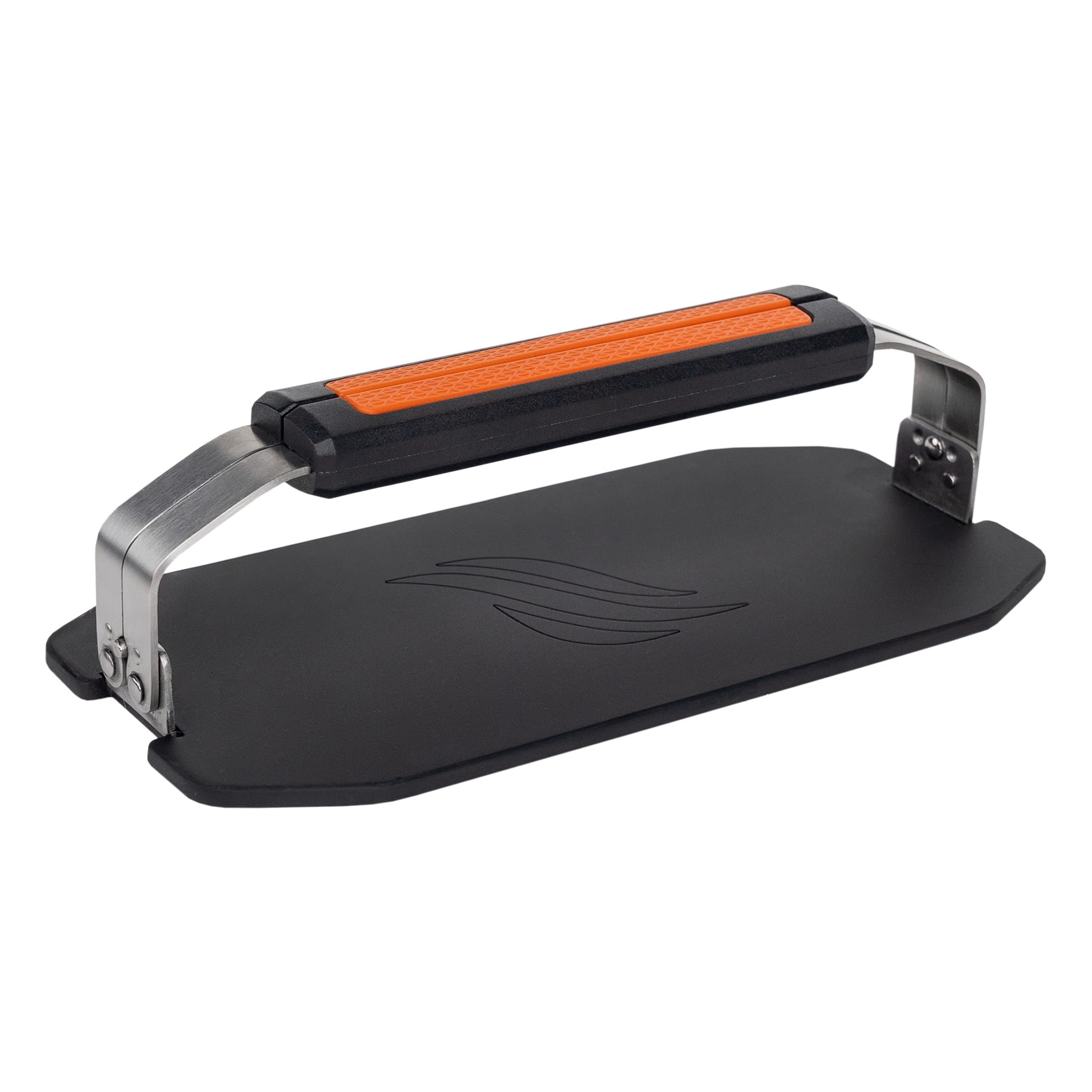
Credit: www.walmart.com
How A Well-seasoned Press Improves Your Cooking
Many people focus on the griddle itself, but a well-seasoned press can make a dramatic difference in your results:
- Smash burgers: A seasoned press gives you the perfect sear and a juicy interior, with no sticking or tearing.
- Paninis and grilled cheese: Even browning, easy release, and no broken sandwiches.
- Bacon and sausage: Flat, evenly cooked, and no torn slices.
- Steaks and chicken: Better grill marks and more even cooking.
In all these cases, the seasoned layer is what makes the press glide over food instead of sticking, and what keeps your meals looking and tasting their best.
Comparing Oils For Blackstone Griddle Press Seasoning
Choosing the right oil makes a big difference in the quality and durability of your seasoning. Here’s a quick side-by-side comparison:
| Oil | Pros | Cons | Best Use |
|---|---|---|---|
| Canola | Cheap, easy to find, neutral flavor | None significant | General seasoning |
| Flaxseed | Very strong, hard finish | Expensive, can flake if overused | Advanced users |
| Grapeseed | High smoke point, smooth finish | More costly than canola | Best for frequent seasoning |
| Vegetable | Easy to find, affordable | Can leave slight flavor | Everyday seasoning |
| Avocado | Very high smoke point, neutral | Expensive | Best for high-heat cooking |
| Lard | Traditional, good for cast iron | Not vegetarian/vegan, can go rancid | Classic flavor, occasional use |
Insight: Many experts use canola or grapeseed oil for reliable, repeatable results. Flaxseed oil is popular but can create a brittle layer if over-applied.

Credit: www.reddit.com
Frequently Asked Questions
What Happens If I Don’t Season My Blackstone Griddle Press?
If you skip seasoning, your press is likely to rust quickly, especially if it’s made from cast iron. Food will stick, making cooking and cleaning difficult. Over time, rust and stuck-on food can damage the press, shortening its lifespan.
How Often Should I Season My Griddle Press?
You should season your press when it’s new, after any deep cleaning, and whenever you notice food starting to stick or see rust forming. For frequent use, a light touch-up every month or two is a good habit.
Can I Use Olive Oil To Season My Press?
Olive oil is not recommended because it has a low smoke point. This means it can burn and create a sticky layer instead of a smooth, hard finish. Stick to oils with a high smoke point like canola, grapeseed, or avocado oil.
Should I Season The Handle Of My Press?
If the handle is metal, it should be seasoned to prevent rust. If it’s wood or heat-resistant plastic, avoid oiling it, as this can damage the handle or cause unpleasant odors.
Is There A Difference Between Seasoning In The Oven Vs. On The Griddle?
Both methods work well. The oven gives even heat and is convenient for multiple layers. The griddle method is faster if you want to season and cook at the same time. Just be sure to heat for long enough to bond the oil and let the press cool naturally.
For more about seasoning and cast iron care, you can check out the Wikipedia page on cookware seasoning.
Seasoning your Blackstone griddle press is a simple process that pays off with better food and easier clean-up. With the right steps, oils, and a little patience, you’ll keep your press in top condition for years—making every burger, sandwich, and breakfast a little bit better.