
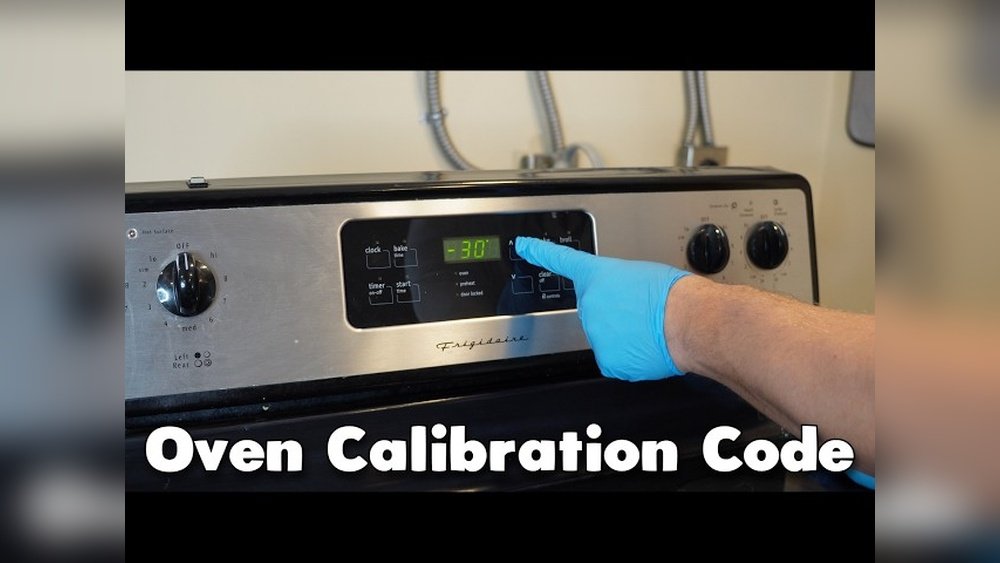
Calibrating your Frigidaire oven can make a big difference in your cooking. If you notice your cakes are always undercooked or your pizza crust burns too quickly, your oven might not be heating to the temperature you set. This is a common problem, even for new ovens. Over time, ovens can lose their accuracy, causing frustration and wasted ingredients. Luckily, you can fix this issue yourself by calibrating your oven. It’s a process that requires patience, attention, and a few simple tools, but the results are worth it.
This guide will walk you through the calibration process step by step, using clear language and detailed explanations. Whether you are a home cook, a new oven owner, or someone who wants more control over baking results, you’ll find all the information you need here. You’ll also learn how to spot oven temperature problems, what tools to use, and how to make sure your adjustments are correct. Let’s get your Frigidaire oven working just the way you want!
Understanding Oven Calibration
Oven calibration means adjusting your oven so the temperature inside matches what you set on the dial or control panel. Over time, ovens can get out of sync. For example, you might set your oven to 350°F, but it actually heats to 375°F or only 325°F.
This small difference can ruin delicate recipes.
There are a few reasons why ovens become inaccurate:
- Aging parts can change how heat is delivered.
- Frequent use can wear out temperature sensors.
- Power surges or outages might affect electronic controls.
Calibrating your oven means checking its real temperature using a thermometer and adjusting its settings to match. Most modern Frigidaire ovens let you make this change using the control panel.
Signs Your Frigidaire Oven Needs Calibration
You might wonder if your oven even needs calibration. There are several signs that suggest your oven temperature is off:
- Food cooks unevenly. Some parts are burnt, others are raw.
- Baking times are always wrong. Recipes take much longer or finish too soon.
- Same recipe, different results. Your favorite cookies turn out different every time.
- Oven thermometer reading doesn’t match. When you use a separate thermometer, it shows a different temperature than the one you set.
- Hot spots in the oven. One side cooks faster than the other.
Noticing these problems often means your oven’s temperature is inaccurate. Before you call for repairs, calibration is a smart first step.
Tools And Materials You Need
Calibrating your oven is simple, but you need the right tools:
- Oven thermometer: A good-quality thermometer that can handle high heat and gives accurate readings.
- Pen and paper: To note your test results and adjustments.
- Timer or watch: For precise timing during tests.
- User manual: Your Frigidaire oven’s manual explains how to adjust the calibration settings.
- Heat-resistant gloves: For safety when handling hot items.
If you don’t have your oven’s manual, you can find it on the official Frigidaire website by searching your model number.
How To Test Your Oven’s Accuracy
Before making any changes, you need to check if your oven’s temperature is off and by how much. Here’s a step-by-step process to test your oven:
- Place your oven thermometer. Put the thermometer in the center of the middle rack. This is the most accurate spot.
- Set the oven. Turn your oven to 350°F (or the temperature you use most).
- Let it preheat fully. Wait for at least 20 minutes after the oven says it’s ready. Ovens can say they’re preheated before reaching a stable temperature.
- Check the reading. Look at the thermometer without opening the door if possible. If you must open, do it quickly to avoid heat loss.
- Record the temperature. Write down what you see.
- Repeat the test. Do this three times, letting the oven cool between tests. This gives you an average and helps spot random errors.
Tip: Move the thermometer to different spots (left, right, front, back) to check for hot or cold areas.
Example Data Table: Test Results
Here’s how you might record your results:
| Test | Set Temperature (°F) | Thermometer Reading (°F) | Difference (°F) |
|---|---|---|---|
| 1 | 350 | 338 | -12 |
| 2 | 350 | 343 | -7 |
| 3 | 350 | 347 | -3 |
Add the differences together (-12, -7, -3 = -22), divide by 3 (-22/3 ≈ -7). Your oven is about 7°F cooler than it should be.
Credit: www.hunker.com
How To Calibrate A Frigidaire Oven: Step-by-step
Once you know the difference, you can adjust your oven. Modern Frigidaire ovens have digital controls that make calibration straightforward. Older models may need a screwdriver or have a different process. Always check your model’s manual first.
Step 1: Find The Calibration Feature
Most Frigidaire ovens let you adjust the temperature offset from the control panel. The steps can vary, but the general process is:
- Press and hold the Bake button for about 6 seconds until the display shows “00”.
- Use the arrow keys (Up/Down or +/–) to adjust the temperature. Each press changes the calibration by 1°F.
- Positive numbers make the oven hotter; negative numbers make it cooler.
- Press Start or another button to save the change.
If your oven does not have digital controls, check the manual for instructions.
Step 2: Set The Correct Offset
Based on your test results, adjust the calibration by the average difference you found. For example, if your oven is 7°F cooler, set the offset to +7°F.
Example Table: Calibration Adjustment
| Average Difference (°F) | Calibration Offset | Result |
|---|---|---|
| -10 | +10 | Oven will heat 10°F hotter |
| +15 | -15 | Oven will heat 15°F cooler |
| 0 | 0 | No change needed |
Step 3: Retest After Calibration
After you adjust the offset, repeat the temperature test. This confirms the calibration worked. If the temperature is now accurate (within 5°F), your oven is ready. If not, make a small adjustment and test again.
Pro tip: Ovens rarely stay perfectly accurate at all temperatures. Focus on getting close to your most-used settings (like 350°F).
Special Instructions For Different Frigidaire Models
Not all Frigidaire ovens are the same. Some use dials, others have touchscreens. Here’s how to handle different types:
Digital Control Models
Most newer Frigidaire ovens use a digital display. These follow the steps above. The calibration offset usually ranges from -35°F to +35°F. If your display is different, check your manual for the right buttons.
Knob (manual) Models
Older ovens with knobs may have a small screw on the back of the temperature dial. You can turn this screw to change the reading. Use a flathead screwdriver and turn gently:
- Clockwise = higher temperature
- Counterclockwise = lower temperature
Check your manual for details or look for markings on the dial.
Double Ovens
If you have a double oven, calibrate each compartment separately. Temperature accuracy can differ between top and bottom ovens.

Credit: www.reddit.com
Common Mistakes During Calibration
Even careful cooks make mistakes when calibrating. Here are the most frequent errors and how to avoid them:
- Skipping preheat time. Not waiting long enough can give a false reading.
- Opening the door too often. Every time you open the oven, heat escapes.
- Using a cheap thermometer. Inaccurate thermometers give bad data. Use a reliable one.
- Testing only once. Temperatures can fluctuate. Always test at least three times.
- Ignoring hot spots. Some ovens have areas that cook hotter. Move the thermometer for a full picture.
- Forgetting to save settings. On digital models, make sure you press the right button to save the offset.
- Making big changes. Adjust by small amounts. Large changes can over-correct.
How Often Should You Calibrate Your Oven?
Oven calibration isn’t a one-time task. Over time, your oven can drift again. Here’s when you should repeat the process:
- Every 6–12 months for regular cooks
- After any major repair or part replacement
- If you move your oven or have a power surge
- Whenever you notice cooking problems
Most home cooks calibrate their oven once a year, or anytime recipes start failing for no clear reason.
Extra Tips For Best Results
Getting the most out of oven calibration means paying attention to details. Here are some tips that can help:
- Use the right rack. Always place your thermometer on the middle rack for the most accurate reading.
- Let the oven stabilize. Even after preheating, let the oven stay at temperature for 10 extra minutes before testing.
- Test different temperatures. Try checking at 250°F, 350°F, and 450°F. Some ovens are only accurate at one setting.
- Keep records. Write down your results and any changes. This helps if problems return.
- Clean your oven. Built-up grease or burnt food can affect heating and airflow.
- Replace old thermometers. Oven thermometers can wear out or become inaccurate over time.
Real-life Example: Calibrating And Baking Results
Let’s say you bake bread every week, but lately, your loaves are always dense and pale. You suspect the oven runs cool.
- You place your thermometer, set the oven to 375°F, and preheat.
- The thermometer shows only 360°F. You retest, and the average is 362°F.
- You set the calibration to +13°F.
- The next week, you bake again. The bread rises better and browns more evenly.
This small change can make your baking much more consistent and enjoyable.
When To Call A Professional
Sometimes calibration cannot fix oven problems. If you notice any of the following, it’s time to call a technician:
- Oven never heats up. No matter what you do, temperature stays low.
- Temperature swings wildly. The oven goes from too hot to too cold.
- Display shows error codes. Your oven may need repair, not just calibration.
- Gas smell. If you notice a gas odor, turn off the oven and call for help immediately.
Insight: Many people keep adjusting calibration when the real problem is a broken sensor, faulty heating element, or a control board issue. Know when to stop and get expert help.
Comparing Frigidaire Oven Calibration With Other Brands
How does calibrating a Frigidaire oven compare with other brands like GE or Whirlpool? Here’s a quick comparison:
| Brand | Calibration Range | How to Adjust | Special Notes |
|---|---|---|---|
| Frigidaire | -35°F to +35°F | Control panel or dial screw | Easy digital adjustment on newer models |
| GE | -35°F to +35°F | Touchpad sequence | Some models require code entry |
| Whirlpool | -30°F to +30°F | Control panel | Instructions vary by model |
| Samsung | -35°F to +35°F | Touchscreen or button combo | May need to reset after power loss |
Most brands now offer simple digital calibration, but the button sequence and maximum offset can differ. Always check your manual for brand-specific instructions.
Oven Calibration And Energy Use
Did you know that a poorly calibrated oven can affect your utility bills? If your oven runs too hot, it uses more energy than needed. If it runs too cold, you cook longer and waste power.
Statistics: According to the U.S. Department of Energy, keeping appliances well-maintained, including calibration, can save up to 10% on energy use each year. For frequent bakers, this means both better food and lower bills.
Oven Thermometer Buying Guide
Not all oven thermometers are equal. Here’s what to look for:
- Temperature range: Should measure at least 100°F to 600°F.
- Clear display: Large, easy-to-read numbers.
- Accuracy: Look for models with ±2°F accuracy.
- Durability: Stainless steel or glass that won’t melt or warp.
- Placement: Hanging or standing options for flexible placement.
Mistake to avoid: Cheap plastic thermometers can warp and give false readings. Spending a few extra dollars for quality saves time and frustration.
What If Your Oven Still Cooks Unevenly?
Calibration fixes most temperature problems, but sometimes the oven’s design or age causes uneven heating. Here’s what you can do:
- Rotate your food. Turn trays or pans halfway through cooking.
- Use baking stones. These hold heat and reduce hot spots.
- Check oven seals. Worn door gaskets can let heat escape.
- Avoid overcrowding. Give food space for air to move.
- Clean vents and fans. Blocked airflow creates uneven heat.
If you try these tips and still have problems, a service call may be necessary.
Keeping Your Oven Accurate Over Time
A little maintenance goes a long way. Here’s how to keep your Frigidaire oven accurate:
- Clean spills right away. Baked-on food can affect sensors.
- Check door seals for cracks or tears.
- Don’t slam the oven door. It can knock sensors out of place.
- Use the self-cleaning feature only as recommended (overuse can damage parts).
- Recalibrate after repairs or power outages.
Non-obvious insight: Some owners forget that using the broil function a lot can also affect calibration, as it stresses the heating elements more.

Credit: www.youtube.com
Frequently Asked Questions
How Do I Know If My Frigidaire Oven Needs Calibration?
If your food is overcooked or undercooked, or if recipes never turn out as expected, your oven may need calibration. The best way to know is to use an oven thermometer and compare its reading to your set temperature.
Can I Calibrate My Frigidaire Oven Without A Thermometer?
It’s not recommended. Guessing can make the problem worse. An oven thermometer is inexpensive and gives you the exact information you need for proper calibration.
How Much Can I Adjust My Frigidaire Oven Temperature?
Most Frigidaire ovens allow you to adjust the temperature between -35°F and +35°F from the factory setting. This is usually enough to correct any errors.
Will Calibration Fix All My Oven Problems?
No. Calibration fixes temperature accuracy, but not issues like uneven heating, broken parts, or electrical problems. If calibration doesn’t help, you may need a repair.
Where Can I Find The User Manual For My Frigidaire Oven?
You can find your manual by searching your model number on the official Frigidaire website. The manual includes detailed calibration instructions for your specific model.
Getting your Frigidaire oven calibrated means better baking, less stress, and more consistent results. With patience and the right steps, you can do this at home and enjoy delicious meals every time you cook. Remember, regular checks and small adjustments keep your oven in top shape for years to come.