
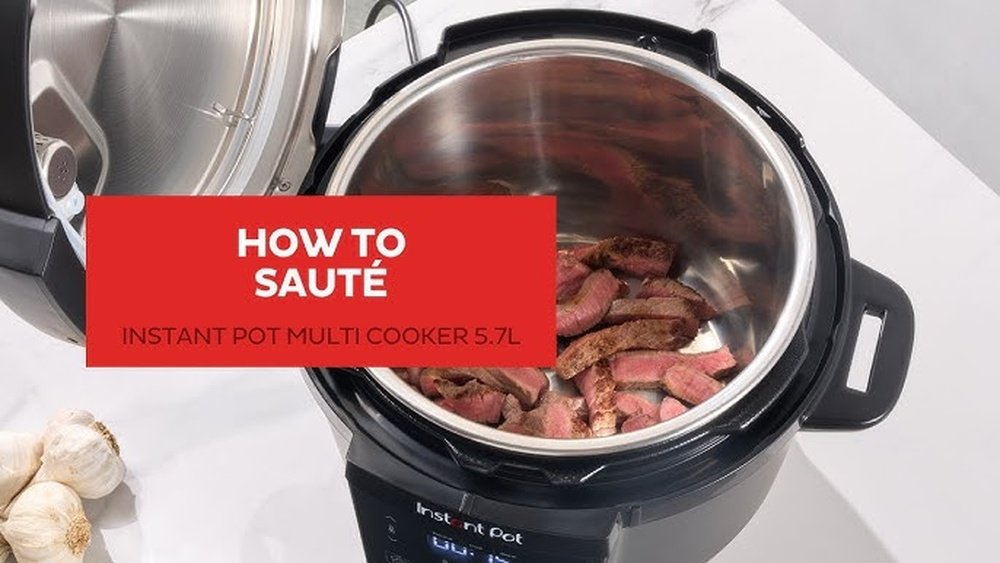
Sauteing With Your Instant Pot: The Complete Guide
The Instant Pot has changed how people cook around the world. It saves time, cuts down on mess, and makes home-cooked meals easier for busy lives. But many users don’t realize the full power of the sauté function. Used the right way, sautéing in your Instant Pot can add deep flavor and help you cook more complex dishes—all in one pot. If you have ever wondered why your recipes taste different from the ones at your favorite restaurant, the answer is often in this step.
This guide will show you exactly how to saute in your Instant Pot. You will learn what works, what doesn’t, and why. We will cover everything from the basics to advanced tips, including common mistakes and how to avoid them. Whether you are a beginner or an experienced cook, you will find practical advice, real examples, and answers to questions you didn’t know you had. Let’s unlock the real potential of your Instant Pot together.
Understanding The Sauté Function
Before you cook with the sauté mode, it’s important to know how it works. The sauté function on the Instant Pot heats the bottom of the inner pot, letting you cook food much like you would on the stovetop. It’s great for browning meat, sweating onions, or reducing sauces.
Instant Pot Sauté Settings
Most Instant Pots have three sauté heat levels: Less, Normal, and More. You can switch between them using the “Adjust” button. Here’s how they compare:
| Setting | Heat Level | Best Use |
|---|---|---|
| Less | Low | Simmering, melting butter, or cooking garlic gently |
| Normal | Medium | Softening onions, vegetables, or basic sautéing |
| More | High | Browning meat, searing, quick stir-frying |
Non-obvious insight: The “More” setting gets much hotter than many expect—often hotter than a medium-high stovetop burner. This can burn food quickly if you’re not ready.
How Sauté Works In The Instant Pot
When you press “Sauté,” the Instant Pot heats up without the lid. The display will show “On” while it heats, then switch to “Hot” when ready. You can add oil or food at any time, but most cooks wait until “Hot” appears for best results.
Unlike a frying pan, the Instant Pot’s inner pot is deep and has a curved bottom. This means heat is not always even, and liquids pool in the center. You may need to stir more often than with a skillet.
Why Sauté In An Instant Pot?
You might wonder, “Why not just use a pan on the stove?” There are several reasons to use the Instant Pot:
- One-pot cooking: You can brown meat, soften veggies, and finish with pressure cooking—all without extra dishes.
- Flavor building: Browning adds flavor through the Maillard reaction, which brings out rich, savory notes.
- Convenience: The Instant Pot heats quickly and is easy to clean.
- Less mess: Fewer pans mean less cleanup.
- Space-saving: If you have a small kitchen or only one burner, the Instant Pot does it all.
Pro tip: Sautéing in the Instant Pot before pressure cooking also prevents the dreaded “boiled meat” taste that sometimes happens if you skip browning.

Credit: kristineskitchenblog.com
Step-by-step: How To Sauté In An Instant Pot
Let’s walk through the process, step by step, so you feel confident using this feature for any recipe.
1. Prepare Your Ingredients
Chop your onions, garlic, vegetables, or meat before you start. The Instant Pot heats up fast, so you want everything ready to go.
2. Select The Sauté Function
Press the “Sauté” button. If your recipe needs high heat (like browning meat), press “Adjust” to set it to “More. ” For softer cooking (like sweating onions), use “Normal” or “Less. ”
3. Preheat The Pot
Wait until the display shows “Hot. ” This usually takes about 3-5 minutes. Don’t rush this step—adding food before the pot is hot can cause sticking and uneven cooking.
4. Add Oil Or Fat
Pour a small amount of oil, butter, or another fat into the pot. Swirl it to coat the bottom. Use oils with a high smoke point (like canola or avocado) for browning; use olive oil or butter for milder flavors.
Beginner mistake: Adding butter alone on “More” can cause burning. For high heat, use oil or a mix of oil and butter.
5. Add Ingredients
Add your meat, onions, or vegetables. Spread them out as much as possible for even contact with the bottom. Let meat sear without stirring for 2-3 minutes before turning, to develop a good crust.
6. Stir And Monitor
Stir occasionally to prevent sticking or burning. The Instant Pot’s heat is concentrated in the center, so move food around for even cooking.
7. Deglaze The Pot
After sautéing, there will often be browned bits (called “fond”) stuck to the bottom. Pour in a little liquid (water, broth, or wine) and scrape with a wooden spoon to release them. This adds flavor and prevents the “burn” error during pressure cooking.
Non-obvious insight: Even a thin layer of stuck-on food can trigger a burn notice later. Always deglaze well.
8. Continue Cooking
You can now switch to pressure cooking, slow cooking, or keep sautéing as needed.
What To Sauté In The Instant Pot
Not all foods need to be sautéed, but many recipes benefit from this step. Here are the most common uses:
- Browning meat: Searing beef, chicken, or pork before pressure cooking for stews, curries, or pulled pork.
- Sweating aromatics: Cooking onions, garlic, ginger, or peppers before adding other ingredients.
- Toasting spices: Briefly sautéing whole or ground spices to release oils and boost flavor.
- Softening vegetables: Cooking carrots, celery, or mushrooms to improve texture.
- Building sauces: Reducing tomato paste, wine, or broth before combining with other elements.
Best Oils And Fats For Sautéing
Choosing the right oil makes a big difference. Some oils burn at lower temperatures, while others handle high heat well.
| Oil/Fat | Smoke Point (°F) | Best For |
|---|---|---|
| Canola Oil | 400 | Browning, searing |
| Avocado Oil | 520 | High-heat sautéing |
| Olive Oil (regular) | 410 | Medium-heat sautéing |
| Butter | 350 | Flavor, gentle sautéing |
| Ghee (clarified butter) | 485 | High-heat sautéing, Indian dishes |
Pro tip: For most recipes, a neutral oil like canola or avocado is safest. For added flavor, mix butter with oil (oil raises the smoke point, preventing burning).
Comparison: Sautéing In Instant Pot Vs. Stovetop
Is there a difference in results? Here’s a side-by-side look:
| Feature | Instant Pot | Stovetop Pan |
|---|---|---|
| Heat Control | Three settings; less precise | Full control; can adjust instantly |
| Evenness | Hot spot in center | More even (with quality pan) |
| Flavor Development | Good, but less browning than cast iron | Excellent with heavy pans |
| Cleanup | One pot; easy | Often two or more pans |
| Convenience | Very high | Lower |
For most home cooks, the Instant Pot’s sauté mode is “good enough”—especially for stews, curries, and soups. If you want a deep brown crust for steak, use a cast iron pan.
Common Sautéing Mistakes And How To Avoid Them
Even experienced cooks make errors when using Instant Pot sauté mode. Here’s what to watch out for:
1. Not Letting Pot Preheat
If you add oil or food before “Hot” appears, food will stick or steam instead of brown. Always wait for the “Hot” signal.
2. Overcrowding The Pot
Too much food at once lowers the temperature. Sear meat in batches if needed. If you pile everything in, you’ll get gray, steamed meat instead of a brown crust.
3. Not Enough Oil
The Instant Pot’s stainless steel surface is sticky without enough oil. Use a thin, even layer to prevent sticking.
4. Using The Wrong Oil
Butter or extra virgin olive oil will burn on “More. ” Use higher smoke point oils for intense sautéing.
5. Not Deglazing
Failing to deglaze leaves burnt bits that cause the “burn” error when pressure cooking. Always add liquid and scrape up brown bits.
6. Walking Away
The Instant Pot’s heat is concentrated. Stir often, especially with onions and garlic, to prevent burning.
7. Forgetting To Cancel Sauté
When you finish, hit “Cancel” before switching modes. If you don’t, the pot can stay hot and affect cooking times or safety.
Advanced Tips For Better Results
Once you know the basics, these extra tips can help you get even more from your Instant Pot.
1. Use The Lid As A Splatter Shield
The Instant Pot lid stands upright in the handle slots. Use it as a shield to catch splatters while sautéing, especially for fatty meats.
2. Sear In Batches
Browning works best in small amounts. Sear meat in a single layer, remove, then add more. This gives a deeper, richer flavor.
3. Add Aromatics After Meat
If you sauté onions or garlic before meat, they can burn while you finish browning. Instead, remove browned meat, then sauté aromatics in the fat left behind.
4. Deglaze With Wine Or Broth
Water works, but wine or broth adds even more flavor when you scrape up browned bits.
5. Use “less” For Garlic
Garlic burns easily. Use the “Less” setting when adding it, or add garlic last, after onions or meat.
6. Don’t Overfill With Oil
Too much oil makes food greasy and can splash. Use just enough to coat the bottom.
7. Control Salt
Sautéing concentrates flavors. If you salt early, be careful—liquid will cook off and may make the dish too salty. Taste and adjust at the end.
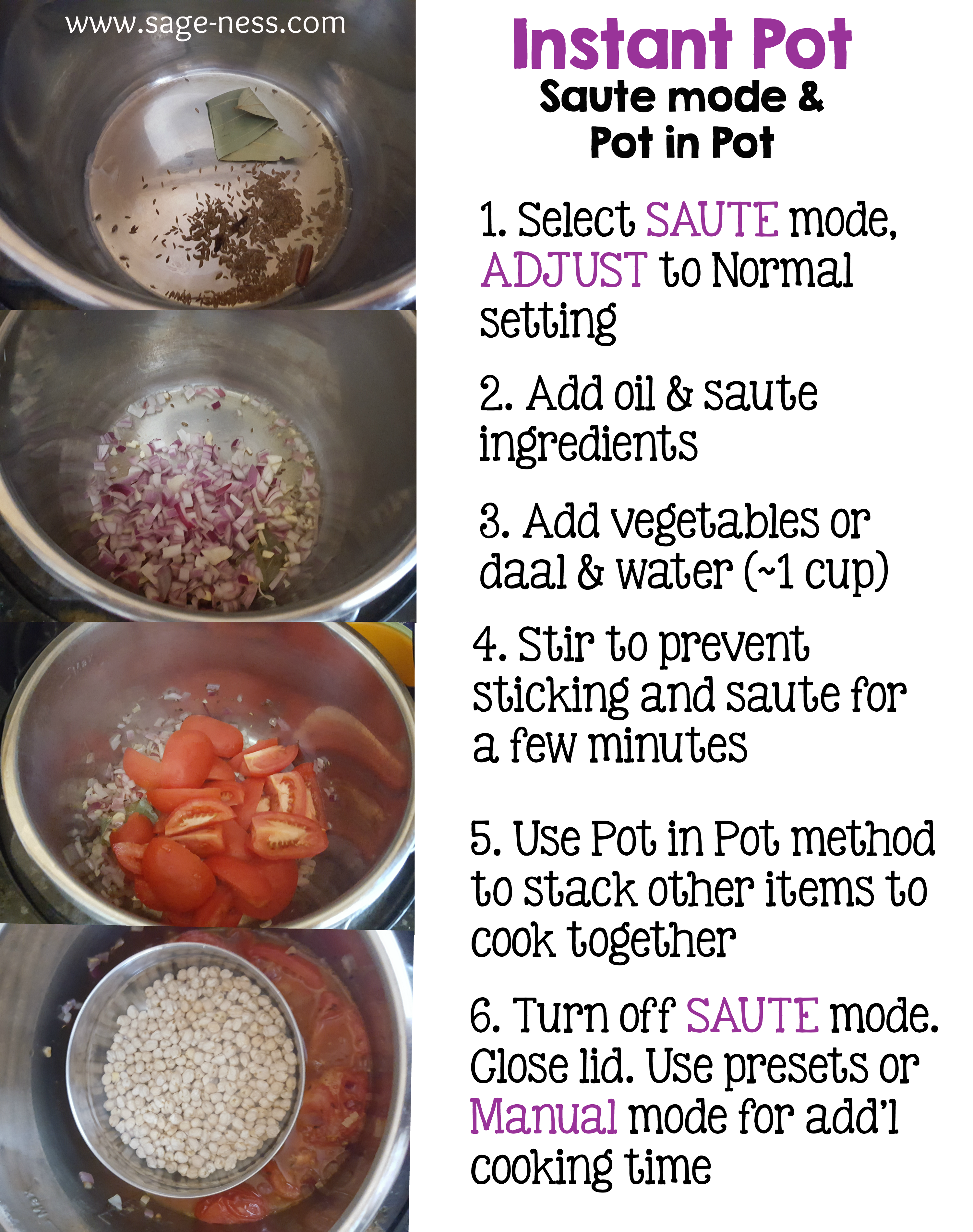
Credit: sage-ness.com
Sautéing Recipes: Practical Examples
Let’s look at real recipes where sautéing in the Instant Pot shines. Here’s a classic beef stew, a vegetarian chili, and a curry.
Beef Stew
- Cut 2 lbs beef into cubes. Season with salt and pepper.
- Set Instant Pot to Sauté “More.” Add 2 tbsp canola oil.
- Brown beef in batches, 2-3 minutes each side. Remove.
- Add 1 diced onion, 2 carrots, 2 celery stalks. Sauté 3-4 minutes.
- Add 2 cloves garlic, cook 1 minute.
- Deglaze with 1/2 cup red wine, scraping up brown bits.
- Return beef, add 3 cups broth, 2 tbsp tomato paste, herbs.
- Switch to Pressure Cook; cook 30 minutes.
Vegetarian Chili
- Sauté 1 diced onion, 2 bell peppers in 2 tbsp olive oil (“Normal”).
- Add 3 cloves garlic, 1 jalapeño, 1 tbsp chili powder; cook 1 minute.
- Add 2 cans beans, 1 can diced tomatoes, 1 cup corn.
- Deglaze with 1/4 cup broth if needed.
- Switch to Pressure Cook; cook 10 minutes.
Chicken Curry
- Sauté 1 diced onion in 2 tbsp ghee (“Normal”).
- Add 2 lbs chicken, brown lightly.
- Add 2 tbsp curry paste, 1 tbsp ginger, 2 minced garlic cloves.
- Deglaze with 1/2 cup coconut milk.
- Add remaining coconut milk, veggies, salt.
- Switch to Pressure Cook; cook 7 minutes.
Beginner tip: For more recipes and inspiration, see the official Instant Pot recipes page.
Cleaning After Sautéing
Sautéing can leave stuck-on food or oil. For best cleaning:
- Remove the stainless steel inner pot and let it cool.
- Fill with warm, soapy water and soak for 10 minutes.
- Scrub with a non-scratch sponge. For tough spots, use a baking soda paste.
- Rinse and dry well before next use.
Never submerge the Instant Pot base in water.
Troubleshooting: Sauté Problems
If you run into problems, here’s how to solve them.
Food Sticks To The Bottom
- Pot wasn’t hot enough before adding food
- Not enough oil
- Used the wrong setting (too high or too low)
- Solution: Preheat fully, add more oil, stir more often
“burn” Error After Sauté
- Didn’t deglaze after browning
- Too little liquid left in pot
- Solution: Always deglaze, add more broth or water
Food Is Burning
- Used “More” for delicate food like garlic or onions
- Didn’t stir enough
- Solution: Use “Normal” or “Less,” stir often
Food Isn’t Browning
- Overcrowded pot with too much food
- Not hot enough (didn’t wait for “Hot”)
- Solution: Brown in batches, wait for preheat
Sauté For Special Diets
The sauté mode is flexible for many diets:
- Vegetarian/Vegan: Use oil or plant-based fats, sauté vegetables and tofu for better texture.
- Gluten-Free: Sauté without flour—use cornstarch or arrowroot to thicken sauces after pressure cooking.
- Low-Carb: Sear meats, then add low-carb vegetables for keto-friendly meals.
Sautéing helps bring out flavors, even with simple ingredients.
Safety Tips
- Always cook with the lid OFF in sauté mode. The Instant Pot does not build pressure during this setting.
- Keep handles and cords dry.
- Use oven mitts or a towel to hold the inner pot, as it gets hot.
- Never leave the Instant Pot unattended on sauté—food can burn quickly.
Accessories For Easier Sautéing
You don’t need many extras, but a few tools help:
- Wooden or silicone spatula: Won’t scratch the pot.
- Splatter screen: Useful if you sauté lots of meat.
- Heatproof measuring cup: For adding broth or wine to deglaze.
- Tongs: For flipping meat easily.
Avoid metal utensils, which scratch the stainless steel inner pot.
How To Saute With Different Instant Pot Models
Most Instant Pots have the sauté feature, but the button placement and heat settings can vary. Some older models have only one heat level. The “Duo,” “Ultra,” and “Pro” models offer “Less/Normal/More. ” Always check your manual for your model’s options.
Pro tip: If your model lacks “Adjust,” pressing “Sauté” multiple times may cycle through the settings.
When To Avoid Sautéing In The Instant Pot
While sautéing is useful, there are times it’s better to use the stove:
- When you need to cook a large batch (the Instant Pot’s surface area is small)
- For delicate foods that burn easily
- If you want a deep sear or crispy crust (easier in a cast iron pan)
- When making recipes with a lot of sauce that could boil over

Credit: www.youtube.com
Sautéing For Meal Prep
The Instant Pot makes batch cooking simple. Sauté onions and garlic, brown your meat, then divide into containers for meal prep. The sauté step builds flavor, so your meals taste fresher after reheating.
Pro tip: Use the “Keep Warm” setting after sautéing to hold food at a safe temperature until you’re ready for the next step.
Sauté And Pressure Cook: Combining Steps
Many recipes use both sauté and pressure cook. Here’s how to transition smoothly:
- Finish sautéing and deglaze the pot.
- Hit “Cancel” to stop the sauté function.
- Add all remaining ingredients and secure the lid.
- Set to “Pressure Cook” and adjust the time.
- When done, release pressure and serve.
Switching modes is fast—just make sure the pot is clean and nothing is stuck to the bottom.
Frequently Asked Questions
How Long Can I Sauté In The Instant Pot?
You can sauté for up to 30 minutes per session. If you need more time, just restart the function. For most recipes, 5-15 minutes is enough.
Can I Use The Sauté Function With The Lid On?
No. Sautéing is always done with the lid OFF. This lets steam escape and prevents pressure from building. Cooking with the lid on could damage the pot or be unsafe.
My Food Keeps Sticking—what Am I Doing Wrong?
Common reasons are not enough oil, adding food before the pot is hot, or overcrowding. Always preheat, use enough oil, and don’t add too much food at once.
Is It Safe To Sauté In A Nonstick Instant Pot Insert?
Yes, but use only silicone or wooden utensils to avoid scratching the nonstick surface. Nonstick inserts can make browning less intense but are great for sticky foods.
Can I Make Stir-fry With The Instant Pot Sauté Function?
The Instant Pot can handle basic stir-fry, but it doesn’t get as hot as a wok. For best results, cook in small batches and don’t overload the pot.
Sautéing in the Instant Pot adds flavor and convenience to your cooking. With practice, you’ll get a feel for timing, heat, and when to stir. Soon, you’ll enjoy richer meals, easier cleanup, and more confidence using your favorite kitchen tool.