
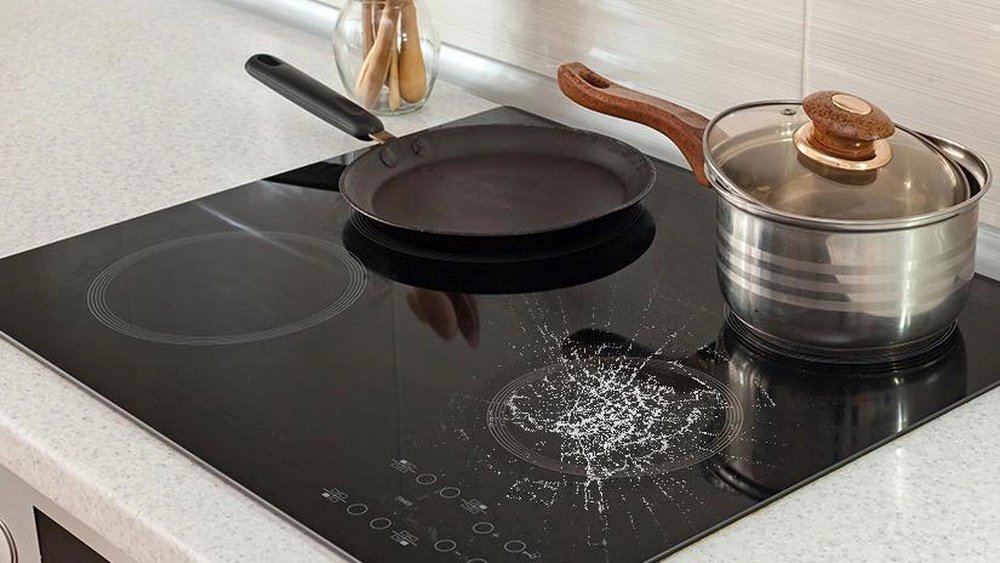
A cracked glass top stove can cause worry and frustration. You might see a small hairline crack after a heavy pot slips, or perhaps a deep fracture appears after years of use. Many people wonder if they can fix the crack themselves, or if they must replace the whole stove.
The answer is not always simple, but with the right steps, you can often repair or manage the damage safely.
This guide explains everything you need to know about repairing a cracked glass top stove. You will learn how to assess the crack, what tools you need, step-by-step repair instructions, and how to decide if replacement is a better option. You will also find helpful tips for prevention and maintenance, along with answers to common questions. By the end, you will be confident in making the best choice for your stove and home.
Understanding Glass Top Stove Cracks
A glass top stove, also called a ceramic cooktop, uses a sheet of glass-ceramic material for cooking. This material is strong but not unbreakable. Cracks form for several reasons:
- Impact from a heavy or sharp object
- Sudden temperature changes (thermal shock)
- Manufacturing defects or wear over time
Cracks vary in size and depth. Some are minor, while others threaten the stove’s safety. Knowing the type of crack helps you choose the right repair method.
It’s useful to remember that glass-ceramic is designed to handle high temperatures but not sharp blows. Even a small dropped spoon can sometimes cause a surprising amount of damage. Over time, repeated heating and cooling can also weaken the surface, making it easier to crack from minor accidents.
Types Of Cracks
- Hairline cracks – Thin, shallow lines that usually do not affect the function immediately. These are often difficult to see unless light shines at the right angle. They can be caused by light impact or even stress from uneven heating.
- Starburst cracks – Cracks that spread outward from a central point, often due to impact. These look like a spider web and can start small but often grow over time, especially if you continue using the affected burner.
- Edge cracks – Start at the edge and move inward, sometimes caused by improper installation. These cracks can get worse if the cooktop isn’t supported properly underneath or if screws are too tight.
- Deep fractures – Wide, deep cracks that can affect the stove’s structure and safety. Deep fractures can feel rough to the touch and may even create a slight gap you can feel with your finger.
Sometimes, multiple types of cracks are present, especially if the stove has been impacted more than once or has been used after the initial damage.
Is It Safe To Use A Cracked Glass Top Stove?
Safety is the most important factor. A cracked stove top can be dangerous. Electricity may leak, or heat can escape through the crack, causing burns or even fire. Food and moisture can enter the crack, leading to further damage or short circuits.
- Small hairline cracks: Often safe for light use until repaired.
- Large or deep cracks: Unsafe and should not be used.
Always check your user manual. Some manufacturers void the warranty if you continue to use a cracked stove.
Even if you decide to use the stove with a small crack, avoid using high heat near the damaged area. Try not to cook foods that bubble or spill, as liquids can seep into cracks and reach electrical parts below.
If you ever notice smoke, strange smells, or sparking, stop using the stove immediately.
Some stoves have safety sensors that might stop working if the glass is cracked. A damaged sensor can cause the stove to overheat or fail to turn off, which is a serious risk.
Credit: www.reddit.com
Assessing The Damage
Before you start any repair, inspect the crack closely.
- Turn off the stove and unplug it.
- Clean the surface with a soft cloth and mild cleaner.
- Dry the area well.
- Use a flashlight to check the crack’s size and depth.
If the crack is longer than 6 inches or you see chips or sharp edges, it is usually best to replace the glass top. For minor cracks, a repair may work.
Take a photo of the damage before you begin. This helps track whether the crack gets larger over time. Some homeowners forget exactly how big the damage was, and a photo gives a clear record.
If your stove is still under warranty, contact the manufacturer before you do anything. Some brands will send a repair technician or offer a replacement part at a reduced cost.
When To Repair Vs Replace
Here is a quick comparison to help you decide:
| Condition | Repair | Replace |
|---|---|---|
| Hairline (thin, shallow) | Possible | Not needed |
| Starburst (small area) | Possible, but monitor | Consider if spreading |
| Edge (short, not deep) | Possible | Consider if growing |
| Deep/wide cracks | Unsafe | Recommended |
| Multiple cracks | Not advised | Recommended |
A useful tip: If you notice the crack is growing, even after a repair, this is a sign that replacement is necessary. Glass-ceramic sometimes hides deeper damage that only becomes visible over time.
Tools And Materials Needed
To repair a cracked glass stove top, gather these items:
- Ceramic stove top repair kit (contains epoxy or filler)
- Razor blade or scraper
- Fine sandpaper (600–1200 grit)
- Isopropyl alcohol (for cleaning)
- Soft cloths
- Gloves and safety goggles
For larger replacements:
- Replacement glass cooktop (from the manufacturer)
- Screwdriver set
- Multimeter (to check electrical safety)
Never use regular glue or epoxy not designed for high heat and cooking surfaces.
Some repair kits come with color-matching compounds, which help the repair blend with your stove. If your stove is black or white, matching the color is easier. For patterned or tinted glass, it may be harder to hide the repair, but function is more important than looks.
A multimeter is very helpful if you need to check for power or test connections after replacement. If you don’t have one, consider borrowing or buying one for safety.
Step-by-step Guide: Repairing A Minor Crack
If the crack is small and does not affect a heating element, you can use a stove top repair kit. These kits are found online or at hardware stores.
Step 1: Prepare The Area
- Make sure the stove is unplugged and cold.
- Clean the surface with a glass-safe cleaner.
- Wipe with isopropyl alcohol to remove grease and dust.
- Let it dry fully.
Cleanliness is key. Any grease or dust will stop the filler from sticking well. If you skip this step, the repair might peel or fail quickly.
Step 2: Apply The Repair Filler
- Put on gloves and goggles.
- Open the repair kit and mix the filler according to instructions.
- Use a small applicator to push the filler into the crack.
- Smooth the surface with the provided tool or a razor blade.
Be gentle but thorough when filling the crack. Push the filler deep, but avoid spreading too much on the surface. For best results, work in a warm, dry room so the filler sets properly.
Step 3: Let It Cure
- Leave the repair to cure as directed (usually 24 hours).
- Do not use the stove during this time.
Some fillers take longer to cure in cold or humid conditions. Check the instructions and wait longer if needed. Never rush this step.
Step 4: Sand And Polish
- Once cured, gently sand the area with fine sandpaper.
- Wipe with a clean cloth.
- The surface should be smooth and level.
Take your time sanding. Too much pressure can remove too much filler and reopen the crack. Use a soft touch and check often.
Step 5: Inspect And Test
- Check the repaired area for any gaps or uneven spots.
- Plug the stove back in.
- Turn on a low heat setting for a few minutes to test.
- If there are any issues (smoke, smell, or further cracking), turn off the stove and contact a professional.
If the repair feels warm but not hot, and there are no unusual smells, your repair is likely successful. However, continue to monitor the area during the next few uses.
Replacing The Glass Top
If the crack is too large or deep, or if you are not comfortable repairing it yourself, replacement is best. Here’s how to do it:
Step 1: Order The Correct Part
Find your stove’s model number (usually under the cooktop or on the back). Order the exact replacement from the manufacturer or a trusted supplier.
Double-check the model and serial number. If you order the wrong part, it may not fit—even if it looks similar. Ask the supplier if you are unsure.
Step 2: Prepare Your Workspace
- Turn off power at the breaker.
- Unplug the stove or disconnect from the wall.
- Remove all pots, pans, and removable parts.
Lay a towel or blanket nearby to rest the glass top on when you remove it. Glass is heavy and can crack further if set down on a hard surface.
Step 3: Remove The Damaged Glass Top
- Use a screwdriver to remove the screws holding the glass top.
- Gently lift the glass. Some models require you to slide it forward.
- Disconnect any attached wires or connectors (take a photo for reference).
Some stoves have hidden screws under rubber trim or in the back. Check your manual or search online for your stove’s disassembly steps. Take your time—forcing the glass can make things worse.
Step 4: Install The New Glass Top
- Position the new glass top.
- Reconnect wires or connectors.
- Secure with screws.
- Wipe the surface clean.
Check that all connections are snug but not too tight. Over-tightening can crack the new glass. Once installed, gently press around the edges to ensure the surface is flat.
Step 5: Restore Power And Test
- Plug in the stove.
- Turn on the power.
- Test all heating elements for proper function.
If any burners do not work, double-check your wiring connections before calling a technician. It’s normal to smell a slight odor the first time the new glass heats up; this is just manufacturing residue burning off.
Costs: Repair Vs Replacement
The cost depends on the size of the crack and your stove’s brand.
| Repair Type | Average Cost |
|---|---|
| DIY Repair Kit | $20–$50 |
| Professional Repair | $150–$300 |
| Replacement Glass Top (part only) | $150–$600 |
| Full Replacement (part + labor) | $300–$800 |
Professional repair may be worth the cost if you have a high-end stove.
A tip: If your stove is older, compare the replacement price to the cost of a new stove. Sometimes, a new stove with a warranty is only a little more expensive than a full repair, and you get better efficiency and safety.
Common Mistakes To Avoid
Many people rush or skip steps. Here are mistakes to avoid:
- Using superglue or regular epoxy – These cannot handle high heat and may release fumes.
- Ignoring deep cracks – This can cause safety hazards.
- Not turning off the power – Always unplug the stove before starting.
- Using the stove before cure time ends – This weakens the repair.
- Forgetting to check the warranty – Some repairs void the warranty. Always check before starting.
Another common mistake: Using abrasive cleaning pads after repair. These can scratch the surface and create new micro-cracks.
Advanced Tips For Best Results
Sometimes, even a well-done repair does not last. Here are expert tips:
- Monitor the crack. Check regularly for spreading or new cracks.
- Avoid heavy pots. Heavy cookware can worsen the crack.
- Do not use the cracked burner. Use other zones if possible.
- Keep the area clean and dry. Moisture makes cracks worse.
A non-obvious insight: thermal expansion can make cracks grow. If you must use the stove, heat slowly and avoid sudden temperature changes.
Also, avoid using cast iron or glass cookware directly on repaired areas. These materials do not flex and can put extra pressure on the surface.
Preventing Future Cracks
Prevention saves time and money. Here’s what you can do:
- Use flat-bottomed, lightweight cookware.
- Avoid dropping utensils or pots on the surface.
- Do not slide pans across the cooktop.
- Allow hot surfaces to cool before cleaning.
- Clean with soft cloths only; avoid abrasive pads.
- Do not place cold water or ice on a hot surface.
- Check for loose screws or supports under the cooktop.
Another tip beginners often miss: Install child safety locks if young children are in the home. This reduces the risk of dropped objects or rough use.
Check for signs of flexing or movement in the countertop around the stove. If your counter is not level or stable, it can add stress to the glass, increasing the risk of cracks.

Credit: theappliancepeople.com
When To Call A Professional
Some repairs should not be done at home. Call a professional if:
- The crack is deep or wide.
- There are multiple cracks.
- The stove does not work after repair.
- Electrical components are exposed.
A professional can also check for hidden damage and test electrical safety.
If you have a high-end or specialty stove, a trained technician has the right tools and experience to avoid extra damage. They can often finish the job quickly and safely, and sometimes offer a warranty on their work.
Choosing A Repair Service
If you need professional help, look for these qualities:
- Licensed and insured
- Good customer reviews
- Experience with your stove brand
- Clear pricing and warranty
Ask for an estimate before work begins. Some companies offer a warranty on repairs, which adds peace of mind.
It’s smart to ask how long the repair will take, and if they use original parts. Some services use lower-cost generic glass, which may not last as long.

Credit: diy.stackexchange.com
Comparing Diy Repair And Professional Service
Here’s a quick side-by-side look:
| Factor | DIY Repair | Professional Service |
|---|---|---|
| Cost | Low | High |
| Skill Needed | Basic | None (handled for you) |
| Success Rate | Good for small cracks | Excellent for all types |
| Warranty | May void existing warranty | Usually provided |
| Time | 1–2 hours + cure time | 1–2 hours (no cure time for replacement) |
If you enjoy DIY projects and your stove is older, DIY repair is a good learning experience. If you want peace of mind or have a valuable stove, a professional is worth the investment.
Environmental Impact: Repair Or Replace?
Replacing a glass top creates more waste than repairing. If possible, repair minor cracks to reduce landfill waste. If you must replace, recycle the old glass at a proper facility. Some manufacturers have programs for recycling or safe disposal.
Glass-ceramic is not accepted in regular glass recycling bins in many places. Contact your local recycling center for advice. Also, some repair services will dispose of the old glass safely for you.
Insurance And Warranty Considerations
Sometimes, home insurance covers accidental damage. Check your policy. Also, read your stove’s warranty terms. DIY repairs may void coverage, while professional repairs often do not. Always keep receipts and records of any repair or replacement work.
If your stove was damaged during a move or by a visitor, you may be able to file a claim. Some extended warranties cover glass top replacement, especially for newer models.
Maintenance After Repair
After repairing your glass top stove:
- Clean with a non-abrasive cleaner.
- Avoid using the repaired area for heavy cooking.
- Check regularly for new cracks or changes.
- Do not place heavy objects on the stove.
- Contact a professional if the crack gets worse.
Regular maintenance can extend the life of your glass top.
Try to clean up spills quickly, especially sugary or acidic foods. These can damage the repair and make cracks worse. Use the lightest cookware possible, and avoid leaning on the stove when not cooking.
Alternatives To Glass Top Stoves
If you find your stove cracks often, consider other options:
- Induction cooktops: Use magnetic fields, often with tough glass.
- Stainless steel electric ranges: No glass, more durable.
- Gas stoves: Use metal grates.
Each has pros and cons. For more info on cooktop types, see the guide at Wikipedia.
Some users prefer induction cooktops because the glass is usually thicker and designed for more weight. However, they require special cookware and can be more expensive.
Frequently Asked Questions
What Causes A Glass Stove Top To Crack?
Common causes include heavy impact, dropping objects, thermal shock (sudden temperature changes), and manufacturing defects. Using the wrong type of cookware can also cause stress and cracks.
Can I Use My Stove If The Glass Top Is Cracked?
You should avoid using the stove if the crack is deep, wide, or near a heating element. Small hairline cracks may allow limited use, but it is safer to repair or replace the glass as soon as possible.
How Long Does A Glass Stove Top Repair Last?
A well-done repair can last months or even years for small cracks. However, deep or large cracks may spread even after repair. Regular checks are important.
Is It Cheaper To Repair Or Replace A Cracked Glass Stove Top?
Repairing is usually cheaper for minor cracks. Replacement is best for large, deep, or multiple cracks. Professional repair costs more but may include a warranty.
Will Repairing The Glass Top Affect My Warranty?
DIY repairs often void the manufacturer’s warranty. Professional repairs may not. Always check your stove’s warranty terms before starting any work.
A cracked glass top stove can be stressful, but with the right approach, you can make a safe, lasting repair—or know when it’s time to replace. Always put safety first. If in doubt, call a professional for help. With careful use, regular checks, and quick repairs, your stove can last for years to come.