
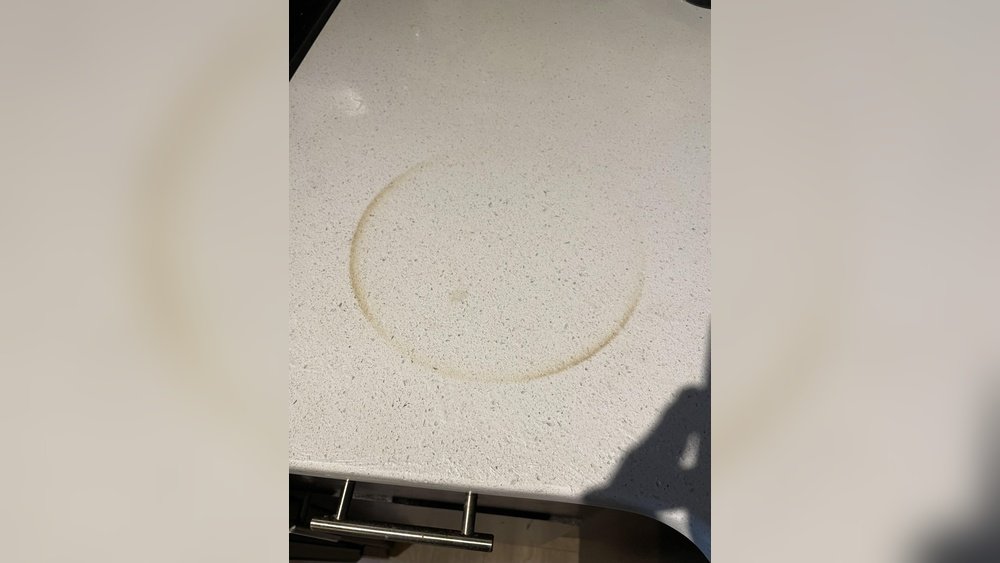
Quartz countertops have become a top choice for modern kitchens and bathrooms because they combine stylish looks with impressive durability. They resist stains, scratches, and most forms of everyday wear. But even quartz is not indestructible. One common problem that surprises many homeowners is burn marks. These black or brown marks can appear suddenly if a hot pan, curling iron, or other heated object touches the surface. The result is both unsightly and worrying, especially if you’re proud of your kitchen’s appearance.
If you’ve found a scorch or burn mark on your quartz countertop, don’t panic. With the right approach, many burn marks can be minimized or even removed. However, this process requires care, patience, and a clear understanding of what works—and what doesn’t.
Using the wrong techniques can make the damage worse or even void your warranty. In this guide, you’ll learn why burns happen, how to deal with them step by step, and what methods are safest for restoring your countertop’s beauty.
Understanding Burn Marks On Quartz Countertops
Quartz countertops are made from about 90-95% crushed natural quartz mixed with 5-10% resins and pigments. This blend creates a nonporous, tough surface, but the resins are less heat-resistant than the stone itself. When exposed to temperatures above 150°F (65°C), the resin can discolor, scorch, or even melt. This is why burn marks are more common than most people expect.
Types Of Burn Marks
You may see different kinds of burn damage, such as:
- Light scorch marks: Faint yellow, brown, or gray discoloration, often from a hot mug or pot.
- Deep burns: Dark, rough patches where the resin has melted, usually from direct contact with very hot pans or appliances.
- Surface haze: A cloudy or dull spot, sometimes with a rough texture.
Knowing the type and depth of the burn helps determine the best removal method.
Why Prevention Is Difficult
Many homeowners believe quartz is “heat-proof” because it’s so tough. However, quartz is heat-resistant, not heat-proof. Even a quick contact with a hot pan can cause a mark, especially if the surface is already scratched or dirty. Trivets and pads are always recommended, but accidents happen.
Assessing The Damage Before You Start
Before you try to remove a burn mark, inspect it closely. This will help you choose the right cleaning method and avoid making things worse.
- Look at the color and texture. Is the mark mostly on the surface, or does it feel rough and sunken?
- Check the size. Is it a small spot or a larger area?
- Test with mild cleaners. Sometimes, what looks like a burn is just surface residue or soot.
If the mark is deep, or if the quartz feels melted or pitted, home methods may only improve the appearance but not fully restore the surface.

Credit: www.reddit.com
Tools And Materials You’ll Need
Having the right supplies makes a big difference. Here’s a list of items that can help remove or minimize burn marks safely:
- Soft microfiber cloths
- Mild dish soap
- Baking soda
- Water
- Non-abrasive cleaner (specially formulated for quartz)
- Isopropyl alcohol (70% or higher)
- Magic Eraser (melamine foam pad)
- Plastic putty knife or scraper
- Fine sandpaper (400–1000 grit, only for severe cases)
- Rubber gloves
- Small bowl
- Spray bottle
Avoid harsh chemicals like bleach, oven cleaner, or anything with high acidity, as these can permanently damage the quartz surface.
Step-by-step: How To Remove Burn Marks From Quartz Countertops
Let’s break down the safest and most effective methods, starting with the gentlest. Always test any technique on a small, hidden area first to check for unwanted effects.
1. Clean The Area Thoroughly
Start by removing any dirt, grease, or debris. Sometimes, what looks like a burn is just stubborn residue.
- Mix a few drops of mild dish soap with warm water.
- Dampen a microfiber cloth and gently wipe the burned area.
- Rinse with clean water and dry with another cloth.
If the mark fades or disappears, you may not need further steps.
2. Try A Baking Soda Paste
Baking soda is a gentle, non-abrasive cleaner that can help lift light scorch marks.
- Mix two tablespoons of baking soda with just enough water to make a thick paste.
- Spread the paste over the burn mark.
- Let it sit for 10–20 minutes.
- Gently rub the spot in small circles with a damp microfiber cloth.
- Wipe away the paste and check your results.
This method works best on surface-level discoloration. Don’t scrub aggressively, as this can dull the finish.
3. Use A Magic Eraser
For marks that resist baking soda, a Magic Eraser (melamine foam) can help. But use it with caution—it’s mildly abrasive.
- Dampen the Magic Eraser and squeeze out excess water.
- Lightly rub the burn mark in one direction, applying gentle pressure.
- Check frequently. Stop if you notice any dullness or color change in the quartz.
- Wipe clean with a damp cloth.
This method can remove surface haze or faint discoloration, but it’s not for deep burns.
4. Apply Isopropyl Alcohol
For oily or sticky residues, isopropyl alcohol can help lift the stain.
- Dampen a soft cloth with alcohol (70% or higher).
- Gently dab and wipe the burn mark.
- Rinse with water and dry.
This technique is safe for most quartz finishes, but always spot-test first.
5. Non-abrasive Quartz Cleaner
Many brands sell cleaners designed for engineered stone. These are formulated to clean without scratching or dulling the surface.
- Spray the cleaner onto the affected area.
- Let it sit for a few minutes.
- Wipe gently with a microfiber cloth.
- Repeat as needed.
Check with your quartz manufacturer for recommended products.
6. Plastic Scraper For Raised Residue
Sometimes, a burn leaves a rough, raised area.
- Gently scrape the spot with a plastic putty knife or scraper.
- Move in one direction and use light pressure.
- Wipe away debris with a damp cloth.
Never use metal tools, as they can scratch the quartz permanently.
7. Fine Sandpaper (last Resort)
If you’re dealing with a small, deep burn and nothing else works, very fine sandpaper (400–1000 grit) can sometimes reduce the mark. This method is risky and should only be used if you’re prepared for the possibility of dulling the finish.
- Wrap a small piece of sandpaper around a soft block.
- Lightly sand the burn in a circular motion, using minimal pressure.
- Stop frequently to check your progress.
- Buff with a damp cloth afterward.
For large or visible areas, it’s best to call a professional fabricator.
8. Professional Restoration
For deep, stubborn burns that don’t respond to home remedies, contact a stone restoration expert. They have specialized tools and polishing compounds that can often restore your countertop’s appearance. This is more expensive, but it’s the safest way to deal with severe damage.
Comparing Burn Removal Methods
To help you choose the right approach, here’s a quick comparison of the most common methods:
| Method | Best For | Risk Level | Effectiveness |
|---|---|---|---|
| Mild soap & water | Light surface stains | Low | Low–Moderate |
| Baking soda paste | Scorch marks | Low | Moderate |
| Magic Eraser | Surface haze | Medium | Moderate |
| Isopropyl alcohol | Oily residue | Low | Low–Moderate |
| Fine sandpaper | Deep burns | High | Low–Moderate |
| Professional help | Severe burns | Very Low | High |
What Not To Do: Common Mistakes To Avoid
Trying to save time or money can sometimes lead to bigger problems. Here are mistakes you should avoid when trying to remove burn marks from quartz countertops:
- Using abrasive cleaners: Products like scouring powder, steel wool, or harsh scrub pads can scratch and dull quartz.
- Applying bleach or oven cleaners: These chemicals can break down the resin and cause permanent discoloration.
- Scraping with metal tools: Even small knives or blades can leave scratches that are impossible to repair.
- Heating the surface: Don’t try to “burn off” the mark with heat. This will make the damage worse.
- Ignoring manufacturer advice: Always check your quartz brand’s care guidelines. Some warranties are voided by improper cleaning methods.
Dealing With Stubborn Or Deep Burn Marks
Sometimes, even after trying every safe home method, a burn mark remains visible. Here’s what you can do:
When To Call A Professional
If the burn is deep, covers a large area, or has left a rough, melted texture, a professional stone restorer has the right equipment and experience to help. They use diamond polishing pads and resins to blend the damaged area with the rest of the countertop.
Costs can range from $100 to $500 depending on the size and severity of the damage.
Assessing Repair Vs Replacement
For small marks, repair is almost always possible. But for very large or multiple deep burns, sometimes a section needs to be replaced. This is rare, but it’s worth considering if your countertop is under warranty or if the damage is in a highly visible spot.
Preventing Burn Marks In The Future
It’s much easier to prevent burn marks than to remove them. Here are practical steps to keep your quartz countertops looking new:
- Always use trivets or hot pads under pans, baking sheets, and appliances.
- Let cookware cool before placing it on the countertop.
- Keep the surface clean and dry. Dirt and oil can increase the risk of burns and make marks more likely to appear.
- Don’t use quartz as an ironing board or place curling irons directly on the surface.
- Educate everyone in your household about quartz care, especially children and guests.
A little extra care goes a long way.
Deeper Insights: Why Some Burn Marks Are Permanent
It’s important to know that not every burn mark can be fully removed. When the resin in quartz is scorched, it sometimes changes color permanently. Even after cleaning, a faint outline or discoloration may remain. This is especially true for white or light-colored quartz, which shows damage more clearly.
Non-obvious insight: Sometimes, the lighting in your kitchen can make a burn mark look worse than it is. Try changing the angle or intensity of your lights to see if the mark is less noticeable. In many cases, a small burn is almost invisible in natural daylight.
Another factor is the pattern and color of your quartz. Busy, speckled designs hide marks better than solid, light colors.
Diy Vs Professional Repair: Pros And Cons
Should you tackle burn removal yourself, or call an expert? Consider these points:
| Option | Cost | Skill Needed | Warranty Risk | Success Rate |
|---|---|---|---|---|
| DIY Methods | Low (under $20) | Basic | Medium | Moderate |
| Professional Repair | High ($100–$500) | Advanced | Low | High |
If your countertop is still under warranty, check the terms before attempting any sanding or polishing. Many warranties only cover manufacturing defects, not accidental damage.

Credit: www.youtube.com
Special Cases: Dealing With Colored Quartz And Textured Finishes
Quartz comes in many colors and finishes. Some require extra care:
- White and light quartz: Show every mark more clearly; clean gently and avoid abrasives.
- Matte or textured quartz: Sanding or scrubbing can create shiny spots that look worse than the original burn.
- Dark quartz: Sometimes hides minor burns, but may show dull spots after cleaning.
Always start with the gentlest method and check in an inconspicuous area first.
How Quartz Compares To Other Countertop Materials
Wondering if other countertop materials handle burns better? Here’s a quick look:
| Material | Burn Resistance | Ease of Repair | Overall Durability |
|---|---|---|---|
| Quartz | Moderate | Moderate | High |
| Granite | High | High | High |
| Marble | Low | Low | Moderate |
| Laminate | Low | Low | Moderate |
| Solid Surface (Corian) | Moderate | High | Moderate |
Granite is more heat-resistant than quartz, but both can be damaged by extreme heat. Laminate and solid surface materials are even more sensitive to burns.

Credit: www.reddit.com
Real-life Examples And Success Stories
Many homeowners have shared their experiences with burn removal. For example, Anna from Seattle accidentally placed a hot baking sheet on her white quartz countertop. She quickly noticed a faint yellow mark. By making a baking soda paste and letting it sit for 15 minutes, then gently rubbing with a Magic Eraser, she was able to fade the mark until it was barely visible.
Another homeowner, Mark in Texas, tried to remove a deep black burn with soap and water but saw no results. He eventually called a professional restorer, who used diamond pads to polish out the damage. The spot was completely restored, and Mark learned to always use a trivet in the future.
Practical tip: Take “before and after” photos during your cleaning process. This can help if you need to file a warranty claim or show a professional exactly what you’ve tried.
Environmental And Health Considerations
Many cleaning products contain harsh chemicals that are not only bad for your countertop, but also for the environment and your health. Always opt for gentle, non-toxic cleaners. Baking soda and mild dish soap are both safe and effective. Use gloves to protect your hands, especially if you’re working with isopropyl alcohol or commercial cleaners.
Proper ventilation is important, too. Open windows or turn on fans when cleaning, especially in small spaces.
When To Replace, Not Repair
In rare cases, burn marks are too deep or widespread to fix. If the countertop is chipped, cracked, or melted over a large area, replacement may be the best option. This can be expensive, but sometimes insurance or a home warranty may help cover the cost.
If you do replace your quartz countertop, ask your installer about improved heat-resistance in newer materials. Some brands now offer enhanced resins that better resist high temperatures.
Where To Find More Help
If you’re unsure about any step, consult your quartz manufacturer’s website or call their customer service line. Many brands offer detailed care guides and lists of recommended cleaning products. For further research, the Wikipedia Quartz page provides an overview of quartz properties.
Frequently Asked Questions
How Do I Know If A Burn Mark On Quartz Is Permanent?
If the discoloration goes deep into the surface or feels rough and melted, it’s more likely to be permanent. Surface-level marks that are only discolored (not rough or pitted) can often be improved with gentle cleaning methods.
Can I Use Bleach Or Strong Chemicals To Clean Burn Marks?
No, avoid bleach, oven cleaner, or any harsh chemicals. These can damage the resin in quartz and make the mark worse.
Will Sanding Always Remove A Burn Mark From Quartz?
Sanding can sometimes reduce the appearance of a burn, but it can also dull the surface or create uneven spots. It’s best as a last resort, and only for small, deep marks. For large areas, call a professional.
Are Quartz Countertops Covered For Burn Damage Under Warranty?
Most quartz warranties do not cover accidental damage such as burns. They typically only cover manufacturing defects. Check your warranty terms before attempting repairs.
Is It Safe To Use A Hot Pan On Quartz If I Do It Quickly?
No. Even a few seconds of contact with a hot pan can cause a burn mark. Always use a trivet or heat pad to protect your countertop.
Quartz countertops are an investment in your home’s beauty and functionality. With the right care and quick action, you can often minimize or remove burn marks—and prevent them from happening again. If all else fails, professional help is available. By understanding your countertop and using gentle, smart cleaning methods, you’ll keep your kitchen or bathroom looking its best for years to come.