
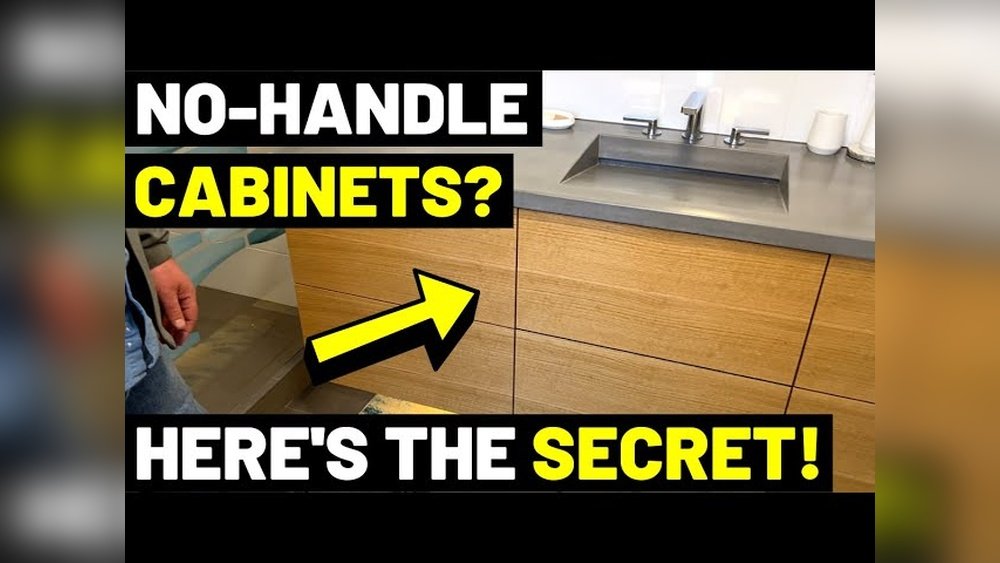
When you walk into a modern kitchen or a stylish bathroom, you might notice something different: many cabinets have no handles at all. These smooth, uninterrupted surfaces create a clean, minimalist look that’s popular in today’s interior design. But this trend isn’t just about beauty. Handleless cabinets are also practical, safer for small spaces, and easier to clean. Still, one big question remains for many homeowners and renters: how do you actually open cabinets without handles?
The answer isn’t as simple as “just push. ” There are several ways to open these cabinets, each with its own mechanism, benefits, and best uses. This article will guide you through everything you need to know about handleless cabinets.
Whether you’re thinking about remodeling, just moved into a new apartment, or want to update your current cabinets, you’ll find clear explanations, useful tips, and honest advice here. Let’s explore the world of handle-free cabinet access together.
Why Choose Handleless Cabinets?
Before learning how to open cabinets without handles, it’s useful to understand why this design has become so popular. Handleless cabinets are more than a trend—they solve real problems and offer unique advantages.
Modern Aesthetics
Minimalist design is everywhere. Handleless cabinets create a sleek, seamless look that fits well in modern kitchens, bathrooms, and living rooms. The absence of handles means nothing interrupts the surface, making small spaces feel larger and less cluttered.
Easy Maintenance
Handles collect dirt, grease, and bacteria. Without them, cleaning becomes much easier. You can quickly wipe down the entire cabinet front without worrying about scrubbing around knobs or pulls.
Safety
In homes with children or tight spaces, handles can catch clothing, bump knees, or even cause injuries. Handleless cabinets reduce these risks, making them a safer choice for many households.
Flexible Design
Without fixed hardware, you have more freedom when arranging your cabinets. Handleless designs work well with all cabinet materials, from high-gloss lacquer to natural wood.
Universal Access
People with limited hand strength or mobility sometimes struggle with traditional handles. Handleless cabinets (especially with push-to-open systems) make access easier for everyone.
Different Mechanisms For Opening Handleless Cabinets
There’s no single way to open a cabinet without handles. The mechanism you choose depends on your budget, style, and how you use your space. Here are the main options, with details on how each works.
1. Push-to-open Latches
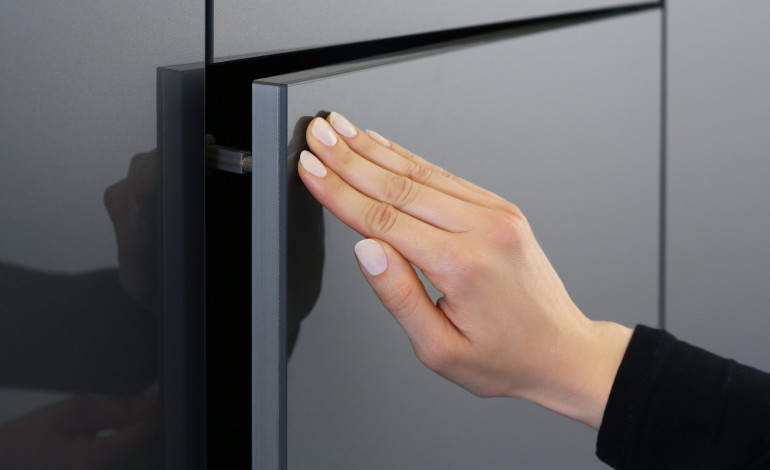
Push-to-open systems are one of the most popular choices. To open the cabinet, you simply press on the door. A spring-loaded latch inside pushes the door outward so you can pull it open.
How It Works
- A mechanical or magnetic latch is installed behind the cabinet door.
- When you push, the latch releases and “pops” the door open slightly.
- To close, you push the door until it clicks shut.
Advantages
- No visible hardware for a true minimalist look.
- Works on both drawers and doors.
- Great for high-use areas like kitchens.
Limitations
- The mechanism can wear out over time, especially with heavy use.
- Sometimes, doors may “bounce” open if not installed correctly.
- Not ideal for very heavy doors.
Pro Tip
For large or heavy cabinet doors, look for heavy-duty push-to-open systems. Some brands offer soft-close versions that combine push-to-open with gentle closing.
2. Tip-on Or Touch Latch Systems
Very similar to push-to-open, tip-on or touch latch systems use a small catch that releases the door when you press it.
How It Works
- The tip-on device is mounted inside the cabinet frame.
- A gentle press activates the latch, and the door swings or slides open.
- To close, you press the door again until it catches.
Advantages
- Silent operation—no loud clicks.
- Simple, mechanical (no electricity needed).
- Compatible with almost all cabinet types.
Limitations
- Not as strong as magnetic latches for heavy doors.
- May require precise installation for best performance.
Insight
Many luxury kitchen brands use tip-on systems for a premium feel. The difference is often in the quiet, controlled motion.
3. Integrated J-pull Or C-pull Profiles
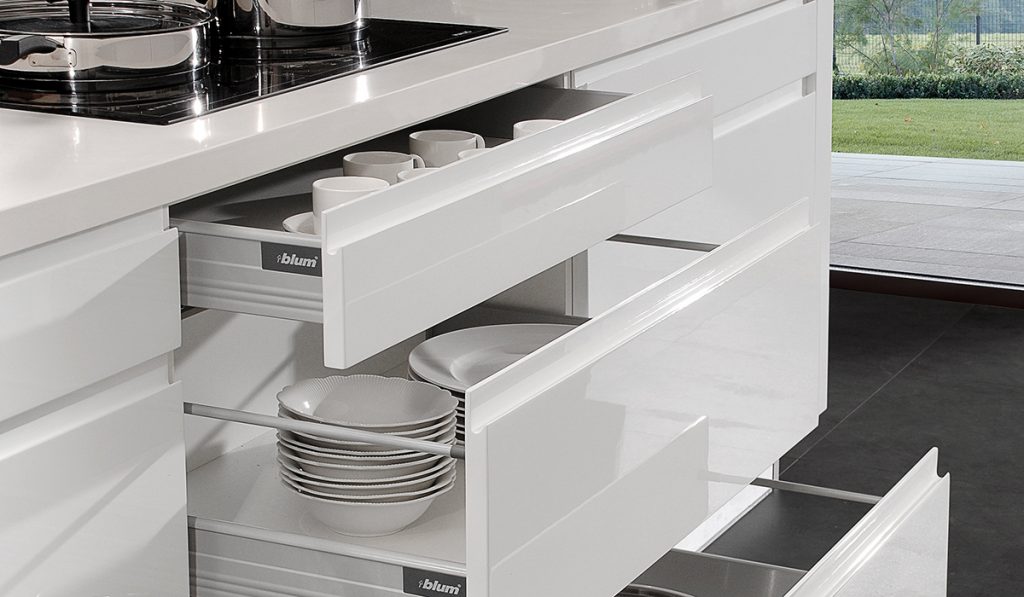
Instead of using a latch, some cabinets are designed with a groove or profile cut into the edge of the door. The most common shapes are J-pull (a J-shaped curve) and C-pull (a C-shaped recess).
How It Works
- The door or drawer front has a curved cutout at the top, bottom, or side.
- Slide your fingers into the groove and pull to open.
Advantages
- Sturdy grip—ideal for heavy drawers or large cabinet doors.
- No moving parts, so very reliable.
- Matches the cabinet finish perfectly.
Limitations
- Grease and crumbs can collect in the groove, requiring regular cleaning.
- Not as “invisible” as push-to-open, since the groove is always visible.
Pro Tip
If you want a seamless look but need extra grip for heavy kitchen drawers, consider J-pull or C-pull profiles.
4. Lip Pulls (edge Pulls)
Lip pulls are a thin strip of metal or a routed edge, attached to the top or side of the cabinet door. They let you pull the door open with your fingers, but are much less visible than standard handles.
How It Works
- A metal lip is attached to the back edge or top of the cabinet door.
- You hook your fingers over the edge and pull.
Advantages
- Almost invisible from the front.
- Durable—works well for heavy, high-use doors.
- Easy to replace if damaged.
Limitations
- May not be comfortable for everyone, especially those with limited grip strength.
- Can be hard to see in low light.
Insight
Lip pulls are common in commercial settings where durability and easy cleaning are important.
5. Electric Or Servo-drive Systems
For the ultimate in convenience, some cabinets use electric openers. These are common in high-end kitchens or accessible homes.
How It Works
- A small motor or servo device is installed inside the cabinet.
- Tap the door lightly, and the electric opener pushes it outward.
- Some systems can also close the door automatically.
Advantages
- Perfect for people with limited mobility.
- Works for very large or heavy cabinet doors.
- Adds a “wow” factor to your kitchen.
Limitations
- Expensive to install and repair.
- Requires electricity—won’t work during a power outage.
- Not a DIY-friendly option.
Pro Tip
Electric openers are often used for appliance garages or hidden refrigerators.
6. Sliding Doors
Some handleless cabinets use sliding doors instead of swinging doors. You simply slide the door left or right to access the contents.
How It Works
- The cabinet door runs on a top and bottom track.
- Push the edge of the door to slide it open.
Advantages
- Saves space—no door swing into the room.
- Smooth, quiet operation.
- Great for closets or entertainment centers.
Limitations
- Only part of the cabinet is open at a time.
- Tracks can collect dust and require cleaning.
Insight
Sliding doors are common in Japanese interior design, where space efficiency is key.
7. Lift-up Or Flip-up Doors
Especially popular for upper cabinets, lift-up or flip-up doors open upward rather than outward.
How It Works
- The door is hinged at the top.
- A push-to-open or mechanical lift system helps raise the door.
- Some use gas struts or soft-close dampers for smooth operation.
Advantages
- Easy access to everything inside.
- Door stays open while you work.
- Ideal for overhead cabinets.
Limitations
- Not suitable for tall cabinets or heavy doors.
- Requires enough space above the cabinet for the door to open.
Pro Tip
If you have limited space above the cabinet, choose a bi-fold lift-up system that folds in half as it opens.
8. Recessed Or Shadow Line Channels
Some modern cabinets use a recessed channel—a hidden groove behind or above the door—so you can reach in and pull.
How It Works
- A horizontal or vertical channel is cut into the cabinet body or frame.
- Reach into the channel with your fingers and pull the door open.
Advantages
- Extremely minimalist—no visible handles or grooves.
- Works for both doors and drawers.
Limitations
- Harder to clean than flat surfaces.
- May not be comfortable for all users.
Insight
Shadow line channels are a signature feature in German kitchen design.
9. Magnetic Push-release
Similar to tip-on, magnetic push-release systems use a magnet to keep the door closed, then release it when pushed.
How It Works
- A magnetic catch is installed inside the cabinet.
- Push the door; the magnet releases and the door opens.
Advantages
- Very reliable; magnets rarely wear out.
- Easy to retrofit to existing cabinets.
Limitations
- Not suitable for very heavy or thick doors.
- Magnet strength must be matched to door weight.
10. Invisible Finger Pulls
Some designers hide a finger pull on the underside or side edge of the cabinet, so you can grip and pull without seeing anything from the front.
How It Works
- A small cutout or notch is hidden at the bottom or side of the door.
- Reach underneath, hook your fingers, and pull.
Advantages
- Maintains a perfectly flat front.
- No moving parts to wear out.
Limitations
- Not obvious to guests or new users.
- May collect crumbs or dust.
Comparing Handleless Cabinet Opening Mechanisms
For a quick overview, here’s a comparison of the most common handleless cabinet opening systems:
| Mechanism | Best For | Maintenance | Cost | DIY Friendly |
|---|---|---|---|---|
| Push-to-Open | Modern kitchens, bathrooms | Medium | $$ | Yes |
| J-Pull/C-Pull | Heavy drawers, durability | Low | $$$ | No (factory-made) |
| Lip Pull | Retrofit, rental units | Low | $ | Yes |
| Electric | Accessibility, luxury | High | $$$$ | No |
| Sliding Door | Closets, small rooms | Medium | $$$ | Yes |
How To Open Cabinets Without Handles: Step-by-step Instructions
Now that you know the main systems, let’s walk through how to open each type of handleless cabinet. These instructions will help you use any kitchen, bathroom, or closet with confidence.
Opening Push-to-open Cabinets
- Find the center or edge of the cabinet door.
- Place your palm or fingers on the surface.
- Press gently but firmly until you feel a click.
- The door will pop open. Pull it the rest of the way.
- To close, push the door until you hear the latch engage.
Tips
- For tall cabinets, push at shoulder height for best leverage.
- If the door doesn’t open, check for alignment issues or a stuck latch.
Using J-pull Or C-pull Profiles
- Locate the groove or cutout at the top or side of the door/drawer.
- Slide your fingers into the groove.
- Pull outward (for doors) or toward yourself (for drawers).
- Release gently to avoid slamming.
Tips
- Clean the groove regularly to remove dust and crumbs.
- If your fingers slip, dry your hands or use a silicone grip pad.
Opening Lip Pull Cabinets
- Find the thin metal or wood strip at the edge of the cabinet.
- Hook your fingers over the lip.
- Pull to open.
Tips
- For upper cabinets, use the bottom edge lip.
- For lower cabinets, use the top edge.
Using Electric Or Servo-drive Cabinets
- Tap the cabinet door lightly (usually anywhere on the surface).
- The motor will activate and push the door open.
- Pull the door the rest of the way if needed.
- To close, either tap again or gently push (depending on the system).
Tips
- If the system stops working, check the power supply.
- Avoid slamming doors, as this can damage the motor.
Opening Sliding Door Cabinets
- Locate the edge of the door panel.
- Push or pull the door along the track.
- Open as much as needed, then slide back to close.
Tips
- Keep tracks free of debris for smooth operation.
- Lubricate tracks as recommended by the manufacturer.
Using Recessed Or Shadow Line Channels
- Find the channel (usually above, below, or beside the door).
- Slide your fingers into the channel.
- Pull to open.
Tips
- Clean the channel regularly to prevent buildup.
- If the channel feels sharp, use a soft cloth to smooth the edge.
Opening Cabinets With Invisible Finger Pulls
- Feel along the underside or side of the door for a notch.
- Hook your fingers in the notch.
- Pull the door open.
Tips
- Show guests where the notches are to avoid confusion.
- For deep cabinets, use two hands for better leverage.
Retrofitting Existing Cabinets To Be Handleless
If you want the handleless look but don’t want to buy all-new cabinets, you have options for updating your current ones.
Adding Push-to-open Latches
- Buy a push-to-open latch kit from a hardware store.
- Remove the old handles or knobs.
- Install the latch inside the cabinet, following the instructions.
- Fill any handle holes with wood filler and paint to match.
Key Considerations
- Not all doors are thick enough for every latch system.
- Some older cabinets may need extra reinforcement.
Installing Lip Pulls
- Remove the existing handles.
- Attach lip pulls to the top or side of each door using screws.
- Paint or finish for a seamless look.
Common Mistakes
- Choosing lip pulls that don’t match the door thickness.
- Forgetting to sand and touch up old handle holes.
Creating J-pull Or C-pull Grooves
- This usually requires a professional carpenter or cabinet shop.
- The groove is routed into the door edge.
- The door is refinished for a uniform look.
Limitations
- Not suitable for laminate or thin cabinet doors.
- May weaken the door if not done correctly.
Cleaning And Maintenance Tips For Handleless Cabinets
Handleless cabinets need regular care to stay beautiful and function smoothly. Here’s how to keep them looking and working their best.
Cleaning Flat Surfaces
- Use a soft, damp cloth for dust and fingerprints.
- For greasy kitchens, a mild dish soap solution works well.
- Avoid harsh chemicals that can damage finishes.
Maintaining Grooves And Channels
- Use a small brush or vacuum to remove crumbs from J-pulls, C-pulls, or recessed channels.
- Wipe with a cloth dipped in warm, soapy water.
Caring For Mechanisms
- Check push-to-open and magnetic latches every few months for wear.
- Lubricate sliding tracks with silicone spray if they feel stiff.
- For electric systems, follow manufacturer’s maintenance guidelines.
Preventing Damage
- Don’t slam doors or drawers, as this can break latches or motors.
- For homes with children, consider soft-close upgrades to prevent pinched fingers.

Credit: stylebyemilyhenderson.com
Real-world Examples And Insights
Many people love the handleless look, but new users sometimes make mistakes. Here are two non-obvious insights to keep in mind:
- Plan your workflow: In busy kitchens, handleless cabinets can be slower to open if your hands are wet or full. Some users add a single handle to the most-used cabinet for speed.
- Think about resale value: If you plan to sell your home soon, remember that not everyone prefers handleless cabinets. Some buyers find them confusing or hard to use, especially older adults.
Pros And Cons Of Handleless Cabinets
To help you decide if handleless cabinets are right for you, here’s a summary of their main strengths and weaknesses.
| Pros | Cons |
|---|---|
| Ultra-modern look | Some systems cost more |
| Easy to clean | Mechanisms may wear out |
| Safer in small spaces | Can be less intuitive for guests |
| Works for all cabinet types | Extra cleaning for grooves/channels |
| Universal design (accessible) | Retrofit may leave visible marks |
Common Mistakes To Avoid
When switching to or installing handleless cabinets, watch out for these pitfalls:
- Choosing the wrong mechanism for your needs. For example, push-to-open systems aren’t always best for heavy pantry doors.
- Ignoring cleaning needs. Grooves and profiles can collect grime if not cleaned regularly.
- Poor installation. Many problems come from latches or channels not being aligned correctly.
- Not testing with all users. What works for adults may be hard for children or seniors.
- Skipping safety checks. Make sure doors open smoothly and don’t pinch fingers.
Best Practices For A Seamless Handleless Experience
Here are some tips to make the most out of your handleless cabinets:
- Mix mechanisms if needed. For example, use push-to-open for upper cabinets and J-pull profiles for heavy drawers.
- Keep spares on hand. If you use latches, keep a few extra in a drawer for quick replacement.
- Show guests how to open. A quick demonstration helps avoid confusion or broken doors.
- Consider lighting. Under-cabinet lighting makes it easier to find grooves and pulls in dark kitchens.
Credit: www.rtacabinetstore.com
External Resource
For more on modern kitchen design and cabinet systems, visit the Wikipedia Kitchen Cabinet page.
Frequently Asked Questions
What Is The Easiest Handleless Cabinet System For Beginners?
The push-to-open latch is often the easiest for beginners. You simply press the door and it opens. There’s no need to search for a groove or hidden pull. These systems are also widely available and easy to install.
Can I Make My Existing Cabinets Handleless Without Replacing Them?
Yes. You can retrofit push-to-open latches or install lip pulls on most existing cabinets. Removing old handles and filling holes may require some finishing work, but it’s much cheaper than buying new cabinets.
Are Handleless Cabinets More Expensive?
Handleless cabinets can be slightly more expensive than standard ones, especially if you choose electric openers or custom profiles like J-pulls. However, simple systems like magnetic latches or tip-on devices are affordable and DIY-friendly.
Do Handleless Cabinets Break Easily?
Not usually, but the mechanism type matters. Push-to-open and magnetic systems last a long time with normal use, but may wear out if slammed. Electric systems are the most delicate and costly to repair. Profiles like J-pull and lip pulls are very durable because they have no moving parts.
How Do I Clean Grooves And Channels In Handleless Cabinets?
Use a small brush or vacuum to remove dust and crumbs from grooves, profiles, and channels. Wipe with a damp cloth and mild soap as needed. Regular cleaning prevents buildup and keeps your cabinets looking new.
Handleless cabinets offer a world of style and convenience, but require the right approach for the best results. With this guide, you’ll have the confidence to open, retrofit, maintain, and enjoy your handleless cabinets—no handles required.
Credit: www.titusplus.com