
Moving a stove is one of those household tasks that often seems simple, but can quickly turn into a nightmare. Many people end up with deep gouges or scratches on their kitchen floor, expensive repairs, or even a broken appliance.
But with the right approach, you can move your stove without leaving a mark. Whether you’re renovating, deep-cleaning, or just rearranging your space, it’s possible to keep your floor looking perfect. Let’s explore everything you need to know to move a stove without scratching your floor, including practical steps, tools, safety tips, and answers to common questions.
Why Moving A Stove Scratches The Floor
Before you start, it’s important to understand why stoves cause scratches. Most kitchen floors are made from materials like tile, wood, laminate, or vinyl. All of these can be damaged by the heavy weight and sharp edges of a stove. Even a small bit of grit trapped under the feet of your stove can scratch the surface as you slide it. Also, stoves are heavy—most residential ranges weigh between 100 and 250 pounds. This weight, combined with a dragging motion, increases the risk of scratches, dents, or cracks.
Many people also don’t realize that kitchen floors can have invisible layers of dust or sand. When you move heavy appliances, these particles act like sandpaper. That’s why preparation is just as important as the moving process itself.
Essential Tools And Materials
Having the right tools and materials can make a huge difference. Here’s what you’ll need for a smooth and safe move:
- Appliance sliders or glides – These are special pads that fit under the stove’s feet and help it slide easily over your floor.
- Plywood sheets – Good for especially heavy stoves or delicate floors.
- Old blankets or towels – Can be used as a protective layer.
- Dolly or hand truck – For lifting and moving the stove without dragging it.
- Work gloves – To protect your hands.
- Measuring tape – To check clearances and pathways.
- Painter’s tape – For marking positions and protecting edges.
- Vacuum cleaner or broom – For removing debris before the move.
- Screwdriver or wrench – For disconnecting any parts or leveling legs.
- Helper or spotter – Moving a stove alone is risky.
Don’t underestimate the value of sliders or glides. A set of good-quality sliders costs about $10–$20 and can save hundreds on floor repairs.

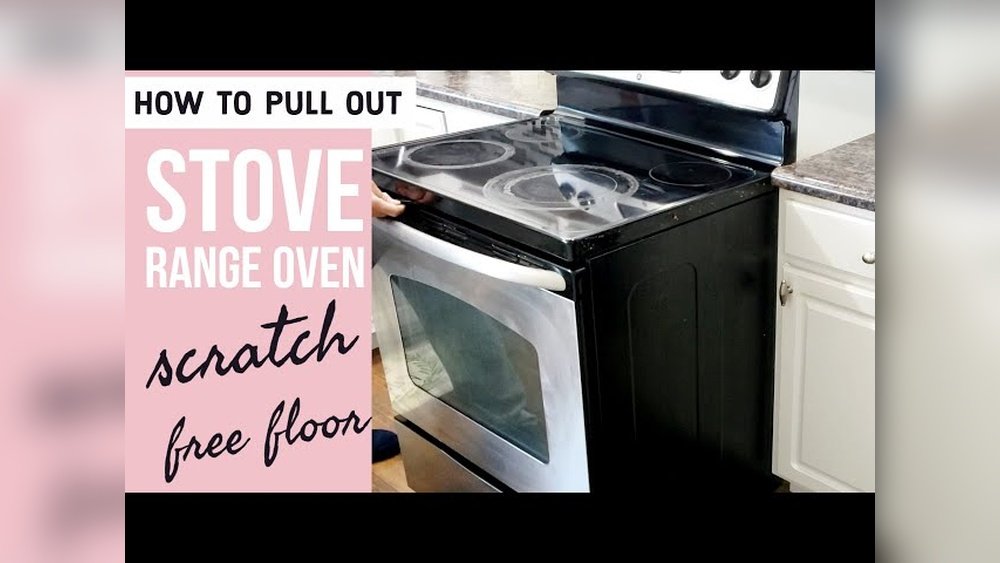
Credit: www.youtube.com
Preparing Your Stove And Kitchen Floor
Preparation is half the battle. Spend time on these steps to avoid problems later.
Clear The Area
Remove any rugs, mats, or nearby furniture that could get in the way. Make sure there’s a clear path to where you want to move the stove. This reduces the chance of bumping into something and causing damage.
Clean The Floor
Use a vacuum or broom to remove all dirt, dust, and debris from the area around and underneath the stove. Even tiny bits can scratch the floor when you move the stove.
Protect The Floor
Lay down a layer of blankets, towels, or plywood sheets in the path you’ll be moving the stove. If you’re using appliance sliders, have them ready to go. For extra protection, you can use painter’s tape along the edges of the floor.
Disconnect Power And Gas Safely
For electric stoves, unplug the power cord. For gas stoves, shut off the gas supply before disconnecting. If you’re not comfortable with this, call a qualified technician. Never move a stove with gas or electricity still connected.
Remove Loose Parts
Take out all removable parts such as oven racks, drip pans, or burners. These can shift during the move and cause damage or injury.
Measure Doorways And Pathways
Use your measuring tape to make sure the stove will fit through any doors or tight spaces. This prevents sudden stops or tilts that could damage the floor.
Step-by-step Guide: How To Move A Stove Without Scratching Floor
Now that you’re prepared, here’s how to move your stove safely.
1. Tilt And Insert Sliders
Gently tilt the stove back enough to slide the appliance glides or sliders under the front two feet. Repeat for the back feet. Never tilt the stove too much—just enough to get the sliders underneath. If you’re using plywood sheets, slide the stove onto the sheet instead.
2. Slide The Stove Slowly
With the sliders in place, gently slide the stove along the protected path. Move slowly and keep the stove level. Ask a helper to guide and support from the other side. Avoid twisting or sharp turns, which can shift the sliders and expose the floor.
3. Use A Dolly For Long Moves
If you need to move the stove a long distance, or up/down stairs, use a dolly or hand truck. Carefully tilt the stove, slide the dolly’s platform underneath, and secure it with straps. Roll the dolly, making sure the wheels don’t catch or bump into the floor.
4. Watch The Cords And Hoses
Keep all cords, hoses, and connections out of the way. Make sure nothing gets caught under the stove during the move. For gas stoves, double-check the gas line is safely disconnected and capped.
5. Place The Stove In The New Position
Once you’ve reached the new spot, gently lower the stove into place. Remove the sliders or glides by tilting each corner just enough to pull them out. If you used plywood, slide the stove off while keeping the floor protected.
6. Reconnect And Test
Plug the stove back in, or reconnect the gas (if you’re qualified). Make sure everything is working before putting the loose parts back in. Check for any leaks, especially with gas stoves.

Credit: www.appliancesonline.com.au
Which Floor Protectors Work Best?
Not all floor protectors are created equal. Here’s a comparison of common options:
| Protector Type | Best For | Cost | Reusable? | Protection Level |
|---|---|---|---|---|
| Appliance sliders | Tile, wood, vinyl | Low ($10-20) | Yes | High |
| Plywood sheets | Heavy stoves, delicate floors | Medium ($15-30) | Yes | Very High |
| Old blankets/towels | Short moves, emergencies | Free/Low | Sometimes | Medium |
| Cardboard | Temporary, light stoves | Free | No | Low |
Appliance sliders are usually the best choice for most kitchens. Plywood gives maximum safety but takes more time to set up.
Mistakes To Avoid When Moving A Stove
Many people make small errors that lead to big problems. Here are the most common mistakes:
- Dragging Without Protection: The number one cause of scratches is dragging the stove across bare floor.
- Not Cleaning First: Even small bits of debris can scratch or gouge the surface.
- Moving Alone: Stoves are heavy and awkward; moving them solo is dangerous.
- Using Cardboard Only: Cardboard tears easily under weight, exposing your floor.
- Forgetting to Disconnect Power/Gas: This is both unsafe and can damage connections.
- Ignoring Cords and Hoses: Getting these tangled can break the stove or cause leaks.
- Not Measuring Pathways: Getting stuck in a doorway can lead to panic and mistakes.
- Rushing the Job: Fast moves increase the chance of slips, drops, or floor damage.
A surprising insight is that most floor damage happens not during the move, but at the start or end—when people tilt the stove to get sliders in or out. Be especially careful at these moments.
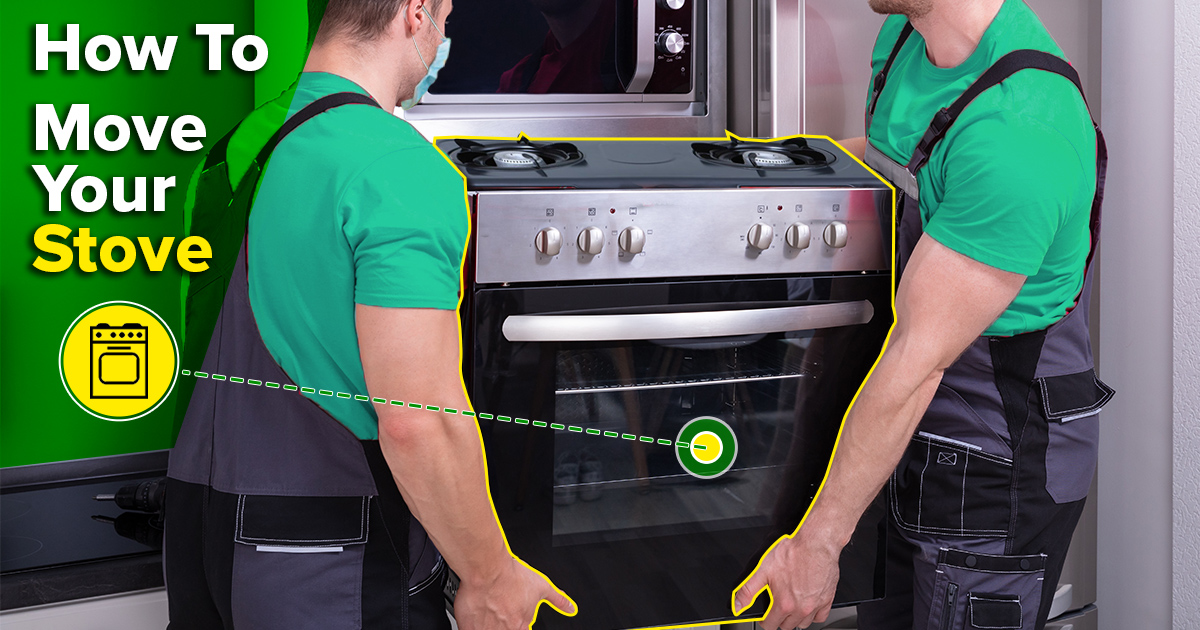
Credit: www.transportify.com.ph
Special Tips For Different Floor Types
Some floor materials need extra care. Here’s what to watch for:
Hardwood Floors
Hardwood is easily scratched or dented by heavy appliances. Always use sliders or a plywood path. Avoid any moisture underneath, as it can cause warping.
Tile Floors
Tile is tough but can crack if hit sharply. Watch out for uneven tiles or grout lines that can catch the stove’s feet. Use thick sliders or a dolly to spread the weight.
Laminate Floors
Laminate is softer than it looks. It’s prone to scratching and can separate at the seams if dragged forcefully. Use soft, wide sliders or thick towels.
Vinyl Floors
Vinyl can tear or stretch. Use only smooth, wide protectors like appliance glides or a plywood sheet. Never use cardboard, as it can stick to the vinyl.
Concrete Floors
Concrete is tough but can chip at the surface. Still, use sliders to make moving easier and protect the stove’s feet.
Moving A Stove Up Or Down Stairs
If you need to move your stove to a different floor level, take extra precautions:
- Always use a dolly designed for stairs. Regular dollies can slip.
- Have at least two helpers—one at the top, one at the bottom.
- Strap the stove securely to the dolly.
- Move slowly, one step at a time, communicating clearly.
- Never try this alone; stoves are heavy and can cause serious injury.
If your stairs are narrow, measure carefully. In some cases, it’s safer and cheaper to hire professionals.
What To Do If You Scratch The Floor
Even with the best preparation, accidents can happen. Here’s what to do if you notice a scratch:
Minor Scratches
For light scratches on wood or laminate, use a floor repair marker or crayon in a matching color. Buff gently with a soft cloth.
Deeper Gouges
For deep scratches or gouges, you may need to use wood filler (for wood floors) or a repair kit (for laminate or vinyl). Clean the area, fill the scratch, let it dry, and buff smooth.
Tile Chips
For chipped tile, use a ceramic repair kit. Clean the chip, apply the filler, and let it dry. If the tile is broken, you may need to replace it.
When To Call A Pro
If the damage is large or you have valuable floors, contact a flooring professional. Trying DIY fixes on major damage can sometimes make things worse.
How Much Weight Can Appliance Sliders Hold?
Choosing the right slider depends on the stove’s weight. Most residential ranges are between 100–250 pounds, but some commercial models are much heavier.
Here’s a comparison of slider types and their weight limits:
| Slider Type | Weight Limit (per slider) | Best For |
|---|---|---|
| Plastic disk sliders | 250 lbs | Standard stoves |
| Heavy-duty felt pads | 400 lbs | Heavy ranges |
| Metal and rubber glides | 600 lbs | Commercial appliances |
Always check the packaging for the exact weight limit. Using the wrong slider can lead to breakage and scratches.
Should You Hire A Professional?
Moving a stove can be a DIY project, but there are times when hiring a professional is smart. Here’s when you should consider it:
- Gas stoves: If you’re not comfortable disconnecting and reconnecting gas lines, hire a licensed technician.
- Very heavy stoves: Some commercial or built-in ranges are too heavy for standard sliders and require special equipment.
- Delicate or expensive floors: For marble, high-end wood, or old tile, pros have better tools to protect the surface.
- Tight spaces or stairs: Professionals can safely move stoves through tricky spaces.
Hiring help usually costs between $100–$300, but can save you much more in floor or appliance repairs.
How To Move A Stove For Deep Cleaning
Sometimes you only need to move your stove a short distance to clean underneath. Here’s a quick method:
- Unplug or disconnect the stove.
- Insert appliance sliders under each foot.
- Slide the stove out just enough to clean.
- Use a vacuum and damp cloth to clean the area.
- Slide the stove back into place, remove sliders, and reconnect.
For regular cleaning, you don’t need a dolly—just sliders and a gentle touch.
Environmental And Safety Considerations
Moving a stove isn’t just about the floor—it’s about safety and the environment.
- Avoid using harsh chemicals under the stove; they can damage floors and harm pets.
- Check for pests or leaks when the stove is out. This is a good time for a quick inspection.
- Recycle old stoves properly. If you’re replacing a stove, contact your local waste authority for disposal options.
According to the U. S. Fire Administration, faulty stove connections are a leading cause of house fires. Always double-check gas and electric connections after moving.
Real-world Example: How A Simple Move Saved $500
Samantha, a homeowner in Ohio, wanted to repaint her kitchen. She used appliance sliders and plywood to move her stove, following the steps above. After painting, she found her neighbor had deep gouges in their wood floor from dragging a stove without protection—repairs cost over $500.
Samantha’s careful prep saved her money and stress.
Extra Tips For Success
- Label your cords and hoses before disconnecting; it makes reconnection easier.
- Photograph the back of your stove so you know how everything fits.
- Wear closed-toe shoes for safety.
- Work slowly and double-check at each step.
A commonly missed detail: Many stoves have adjustable legs. Lowering these before moving makes the stove more stable.
How To Store A Moved Stove
If you need to store your stove for a while, follow these tips:
- Clean the stove inside and out.
- Keep it upright to avoid oil and fluid leaks.
- Store in a dry area to prevent rust.
- Cover with a blanket for extra protection.
Never store a stove on its side—this can damage internal parts.
Frequently Asked Questions
How Do I Know Which Appliance Slider To Use?
Choose a slider based on the weight of your stove and the type of floor. For most home stoves, plastic or felt sliders work well on tile, wood, or laminate. For extra-heavy stoves or sensitive floors, use heavy-duty sliders or a plywood path.
Can I Move A Stove By Myself?
It’s not recommended. Stoves are heavy and awkward, and moving one alone risks injury or damage. Always have at least one helper. If you must move it solo, use sliders, move slowly, and never lift more than you can handle.
What If My Stove Is Stuck To The Floor?
This can happen if the stove has been in place for years, or if there’s old food or sticky residue underneath. Try gently rocking the stove to loosen it. If it won’t budge, check for screws or brackets holding it down.
Don’t force it—this can damage the floor. If needed, call a technician.
Is It Safe To Reconnect A Gas Stove Myself?
If you are trained and confident, you can reconnect a gas stove. Make sure you use proper tools and check for leaks with soapy water. If you’re unsure, it’s safer to hire a licensed technician. Gas leaks are dangerous.
What’s The Best Way To Prevent Future Floor Scratches?
Place permanent sliders or felt pads under your stove’s feet, and clean the floor regularly. When moving appliances, always use protection under the feet. Avoid dragging, and check for grit or debris before moving.
Moving Forward
Moving a stove without scratching your floor is possible with the right approach. The key is careful preparation, the right tools, and a patient process. Take your time, use protectors, and ask for help. A little planning can save you hundreds of dollars and keep your kitchen looking its best. For even more details on moving heavy appliances, you can check out resources from the Family Handyman.
By following the advice above, you can move your stove confidently—without worrying about hidden damage or costly repairs. Whether you’re cleaning, renovating, or moving to a new home, your floor will thank you for the extra care.