
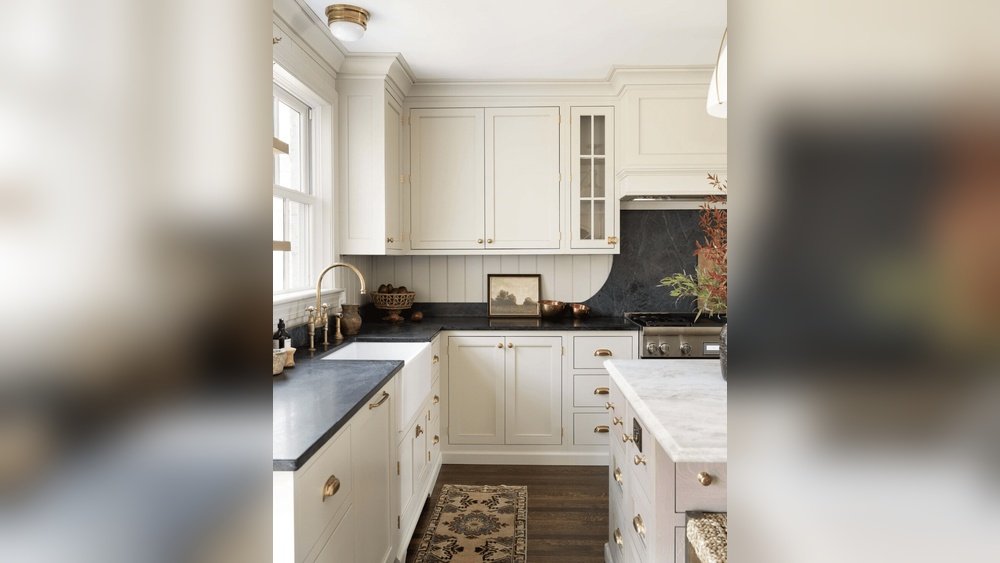
Mixing knobs and pulls on your cabinets can completely change the look and feel of your kitchen, bathroom, or any space with cabinetry. Many people wonder: Should I use only knobs? Should I go for all pulls? Or is it better to combine both? The answer is that mixing knobs and pulls can create a designer look that is both practical and beautiful—if you do it right. But blending these hardware pieces is not just about picking what looks good. It’s about understanding balance, function, style, and the subtle details that make a space feel finished.
If you’ve ever stood in the hardware aisle feeling overwhelmed by the endless options, you are not alone. There are hundreds of shapes, finishes, and sizes. It’s easy to make mistakes that cost time and money. This guide walks you through every step of how to mix knobs and pulls for cabinets, drawers, and more.
Whether you’re updating a single bathroom vanity or designing an entire kitchen, you’ll learn how to make choices that work together and look intentional, not random. You’ll also discover practical tips, clever design tricks, and expert insights that most people miss.
Why Mixing Knobs And Pulls Matters
Cabinet hardware is like jewelry for your home. The right mix of knobs and pulls adds personality, comfort, and style. Using just one type can look flat or dated, especially in modern interiors. By mixing, you create a layered, custom effect that feels high-end. But more importantly, each piece serves a purpose. Pulls offer a full grip for heavy drawers, while knobs are easy to twist and ideal for small doors.
Professionals mix hardware to:
- Make cabinets easier to use
- Add visual interest with different shapes and finishes
- Highlight certain areas, such as an island or pantry
- Balance modern and classic elements for a timeless look
The trick is to make these choices feel natural, not forced. When done well, your space looks thoughtfully designed—not like you ran out of matching hardware.
Understanding Cabinet Hardware Basics
Before you start mixing, it helps to know what makes knobs and pulls different.
What Is A Knob?
A knob is a small, usually round piece that attaches with a single screw. It’s easy to grasp and turn. Knobs work best for cabinet doors and sometimes for small drawers. They’re often less expensive and easier to install than pulls.
What Is A Pull?
A pull (also called a handle or bar pull) is a longer piece attached with two screws. Pulls offer more grip, making them practical for larger, heavier drawers. They come in many lengths and shapes, from curved to straight bar styles.
Key Differences
| Feature | Knob | Pull |
|---|---|---|
| Attachment | Single screw | Two screws |
| Best for | Doors, small drawers | Large drawers, appliances |
| Grip | Pinch/twist | Full hand |
| Styles | Classic, vintage, modern | Contemporary, industrial, classic |
Knowing these basics helps you match hardware to function and style.
The Main Rules For Mixing Knobs And Pulls
You might worry about “rules” for mixing knobs and pulls. The truth is, there are no strict rules, but there are guidelines that ensure your hardware choices look intentional, not random.
1. Function First
Think about how you use each cabinet or drawer. Use pulls on wide drawers or heavy pieces (like a trash pull-out or large pantry). Use knobs on upper cabinets and smaller drawers. This makes your kitchen more comfortable and efficient.
2. Consistent Finish
Pick one finish (such as brushed nickel, matte black, or brass) and stick with it throughout the space. Mixing finishes can be advanced, but it’s tricky to do well. Beginners get a polished look by choosing a single finish for all hardware.
3. Similar Style And Shape
Mix hardware that shares a similar style. For example, both your knobs and pulls might have simple lines for a modern look, or rounded edges for a classic vibe. Mixing ornate with ultra-modern is risky unless you have a designer’s eye.
4. Proportion And Scale
Hardware should fit the size of your cabinets and drawers. Oversized pulls on tiny drawers look awkward. Tiny knobs on huge pantry doors are impractical. Always check the dimensions.
5. Placement Consistency
Install all knobs and pulls in the same place on each door or drawer. For example, place knobs on the lower corner of every upper cabinet, and pulls centered on every drawer.
6. Odd Numbers For Visual Interest
If you have a row of drawers, use three pulls instead of two for a longer run. Odd numbers are more pleasing to the eye.
Non-obvious tip: If you want a designer look, sometimes use the same piece (for example, a T-bar knob) as both a pull and a knob by turning it in different directions.
Choosing The Right Knobs And Pulls For Your Space
Step 1: Assess Your Cabinet Layout
Walk through your space and count how many doors and drawers you have. Measure their width. Note which pieces are extra large (like pot drawers) or small (like spice drawers).
Step 2: Decide Where To Use Knobs
Knobs are best for:
- Upper cabinet doors
- Tall pantry doors (if lightweight)
- Small drawers (under 12 inches wide)
- Decorative accent doors
Step 3: Decide Where To Use Pulls
Pulls are ideal for:
- Wide drawers (over 12 inches)
- Heavy drawers (pots, pans, appliances)
- Pull-out trash or recycling bins
- Large pantry doors
Step 4: Select A Finish
Popular finishes include:
- Matte black (modern, bold)
- Brushed nickel (timeless, versatile)
- Polished chrome (sleek, contemporary)
- Oil-rubbed bronze (warm, classic)
- Satin brass (trendy, upscale)
Pick a finish that matches your faucets, light fixtures, or other hardware for a cohesive look.
Step 5: Choose A Style
Common styles include:
- Bar pulls (straight, modern)
- Cup pulls (vintage, farmhouse)
- Round knobs (classic, universal)
- Square knobs (modern, geometric)
Don’t mix highly ornate with very simple. Aim for harmony.
Step 6: Check Scale And Size
As a general rule:
- Knobs: 1″ to 1.5″ diameter
- Pulls: 3″ to 6″ center-to-center for drawers, longer for large drawers
For large drawers, pulls should be at least one-third the width of the drawer.
Step 7: Order Samples
Before buying in bulk, order 1-2 of each style and finish. Hold them against your cabinets to see how they look and feel.
Expert insight: Lighting can change the look of hardware. Check your samples in both daylight and artificial light.
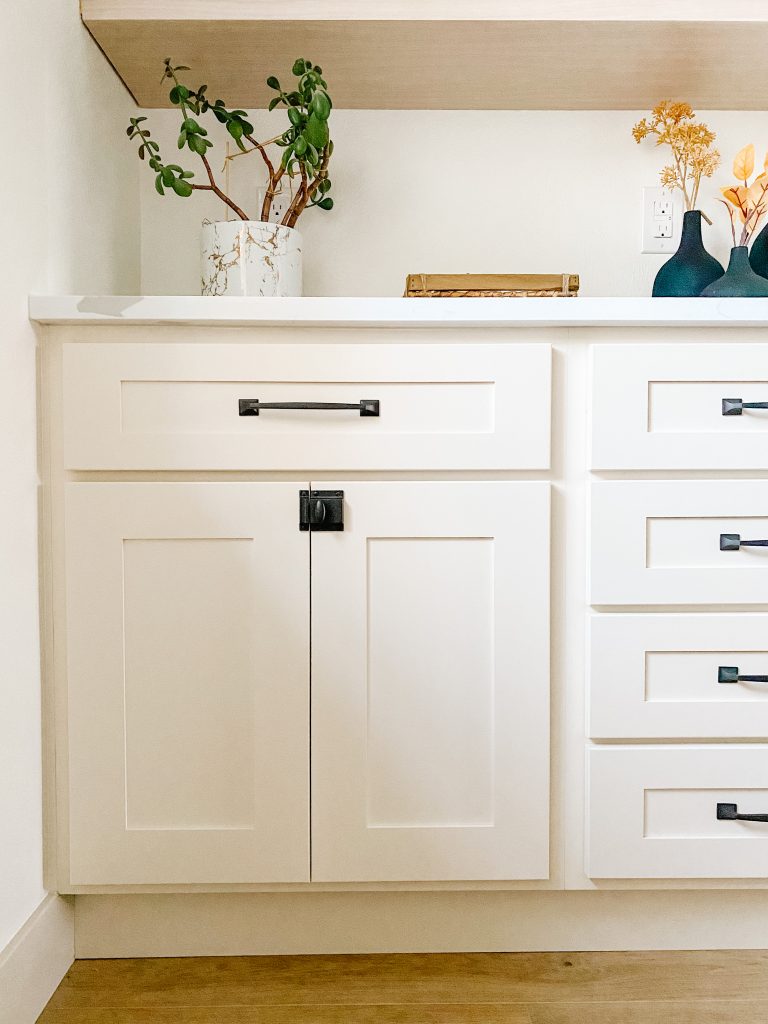
Credit: sprucingupmamahood.com
Mixing Knobs And Pulls By Room
Different rooms have different needs for mixing hardware. Here’s how to approach each space.
Kitchen
The kitchen is where you see the most variety. Most designers recommend:
- Knobs on upper cabinet doors
- Pulls on drawers
- Optionally, pulls on lower cabinet doors for a bolder look
This mix keeps the kitchen user-friendly and stylish. For example, use bar pulls on all drawers and round knobs on all doors in a brushed nickel finish. This is a classic, safe mix.
Bathroom
Bathrooms tend to have less cabinetry, so you can be more playful. Try matching the style and finish of the vanity hardware to your faucet. For a modern vanity, use square pulls on drawers and small round knobs on doors.
Non-obvious tip: In very small bathrooms, using all knobs can make the space feel less crowded.
Laundry Room
Durability is key in the laundry. Use sturdy pulls for heavy cabinets and drawers. Consider cup pulls for a farmhouse look and simple round knobs for doors. Mixing these adds interest without sacrificing function.
Bedroom
Built-in cabinets in bedrooms can use a softer look. Try pairing ceramic knobs with antique brass pulls for a cozy, traditional feel. Always match the hardware to your furniture style.
Living Room (built-ins)
Mixing knobs and pulls on built-in shelves or media cabinets adds a custom touch. For example, use long pulls on lower cabinets and small knobs on upper glass doors.
Matching Knobs And Pulls To Cabinet Styles
Not all cabinets are created equal. Here’s how to pair hardware with common cabinet styles.
Shaker Cabinets
Shaker cabinets are simple and classic. They work well with almost any hardware. For a timeless look, use round knobs on doors and bar pulls on drawers in a satin nickel finish.
Slab Cabinets
Modern slab cabinets look best with sleek, straight pulls or T-bar knobs. Avoid ornate hardware, as it clashes with clean lines.
Raised Panel Cabinets
Traditional raised panels pair well with detailed knobs and cup pulls. Antique finishes like oil-rubbed bronze or aged brass highlight the details.
Glass Front Cabinets
Use small, unobtrusive knobs or delicate pulls. Glass is fragile, so avoid heavy hardware.
Beadboard Cabinets
Beadboard has a cottage or farmhouse look. Try vintage-inspired cup pulls and classic round knobs.
How To Install Knobs And Pulls For A Professional Look
Getting the hardware in the right place is as important as picking the right style.
Measure Carefully
Use a hardware template or make your own from cardboard. Mark drill spots with a pencil before making any holes.
Positioning Knobs
- On doors: Place the knob 2.5″ to 3″ from the bottom corner (upper cabinets) or top corner (lower cabinets)
- On drawers: Center the knob vertically and horizontally, unless the drawer is very wide (then use two knobs)
Positioning Pulls
- On drawers: Center the pull both vertically and horizontally
- On doors: Place the pull vertically, 2.5″ to 3″ from the edge
For very wide drawers (over 24″), use two pulls, spaced evenly.
Double-check Everything
Before drilling, use masking tape to test the placement visually. Open and close the cabinets to see if the hardware feels natural.
Use The Right Tools
A drill with a sharp bit, a level, and a screwdriver are essential. Don’t overtighten screws, or you might crack the cabinet.
Common Mistakes When Mixing Knobs And Pulls
Avoid these pitfalls for a pro finish:
- Mixing too many finishes: Using nickel, brass, and black in one room creates chaos. Stick to one main finish.
- Ignoring cabinet size: Large pulls on tiny drawers or tiny knobs on big doors look off-balance.
- Mixing clashing styles: Don’t pair ultra-modern pulls with ornate, vintage knobs.
- Random placement: Inconsistent placement looks unplanned.
- Forgetting about comfort: Pick hardware that feels good in your hand—test before you buy.
- Ignoring maintenance: Some finishes show fingerprints more than others (like polished chrome).
Real-world Examples Of Mixing Knobs And Pulls
Seeing how others mix hardware helps spark ideas.
Example 1: Modern Farmhouse Kitchen
- Shaker cabinets in white
- Matte black bar pulls on all drawers
- Matte black round knobs on all doors
- Result: Clean, classic, and high-contrast
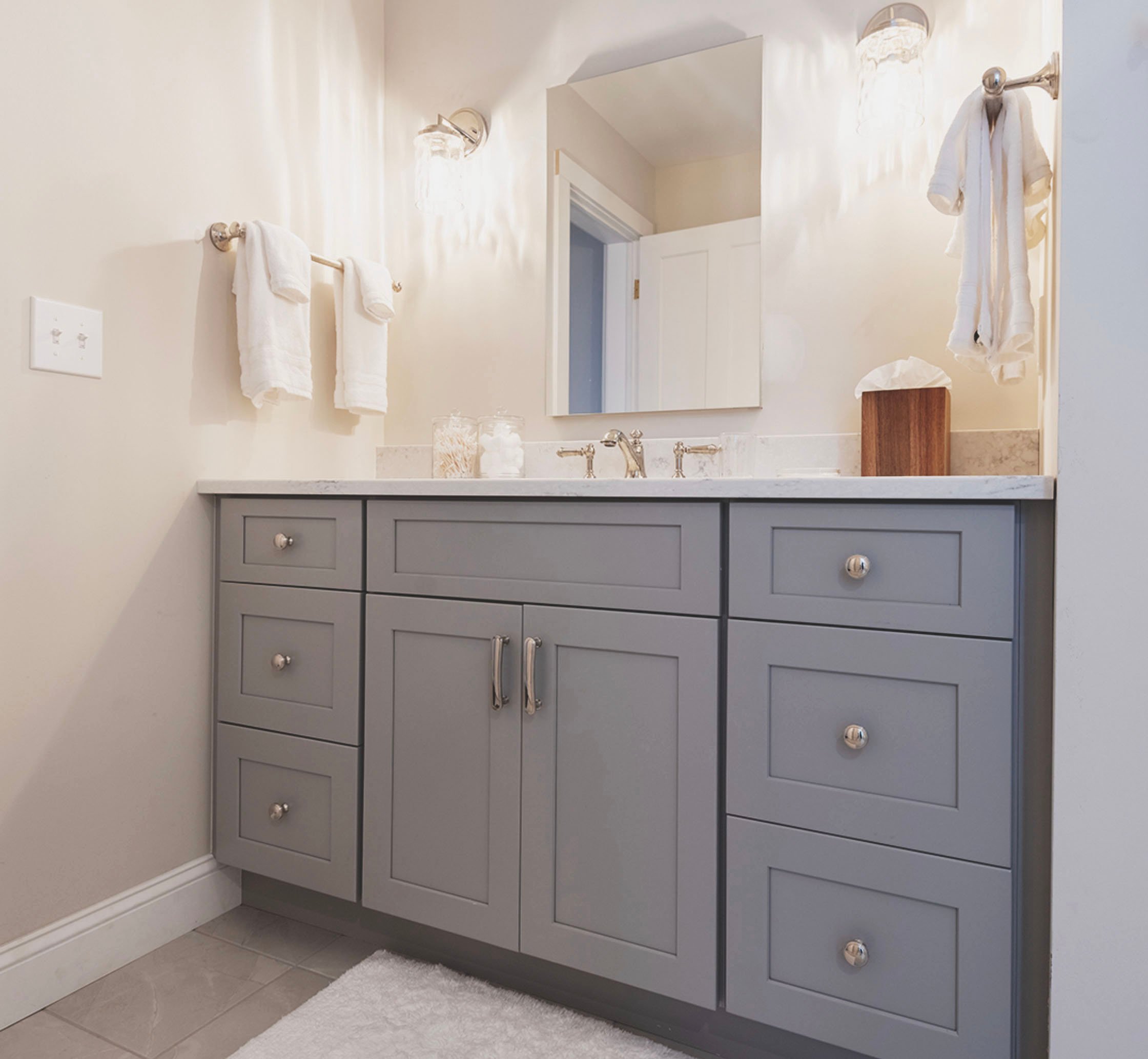
Example 2: Transitional Bathroom
- Gray vanity with raised panel doors
- Polished nickel cup pulls on drawers
- Polished nickel square knobs on doors
- Result: Soft, elegant, and timeless
Example 3: Contemporary Condo
- Flat-panel walnut cabinets
- Brushed brass finger pulls on all drawers
- No knobs (for ultra-minimal look)
- Result: Modern, sleek, and warm
Example 4: Vintage-inspired Laundry
- Beadboard cabinetry
- Oil-rubbed bronze cup pulls on lower drawers
- Ceramic white knobs on upper doors
- Result: Cozy, cottage feel
How To Mix Knobs And Pulls With Other Hardware
Your cabinet hardware should relate to other metal finishes in the room.
- Match your cabinet hardware finish to your faucet, appliance handles, or lighting
- If your appliances are stainless steel, brushed nickel or chrome hardware often works best
- For a bold look, contrast your hardware (black pulls on white cabinets with gold faucet)
Advanced tip: Designers sometimes mix two finishes (like black and brass), but this requires careful planning and is best for experienced DIYers.
Credit: www.ringsend.com
Maintenance And Cleaning Tips
Cabinet hardware gets touched daily, so it needs regular cleaning.
- Wipe with a soft, damp cloth weekly
- Use mild soap if needed (avoid harsh chemicals, especially on brass or bronze)
- Dry with a soft towel to prevent water spots
- For stubborn spots, use a gentle cleaner made for your hardware’s finish
Non-obvious insight: Matte black and brushed finishes show fingerprints less than polished chrome.
The Impact Of Knobs And Pulls On Resale Value
You might not think hardware matters when selling your home, but it does. Updated hardware can make old cabinets look new, increasing appeal for buyers. According to the National Association of Realtors, kitchens and bathrooms with modern hardware often sell faster and at a higher price.
It’s a small investment for a big impact.
Comparison: Knobs Vs. Pulls For Different Uses
To help you choose, here’s a side-by-side look at when to use knobs and when to use pulls.
| Application | Knobs | Pulls |
|---|---|---|
| Upper cabinet doors | ✔️ | Optional |
| Lower cabinet doors | ✔️ | ✔️ |
| Small drawers | ✔️ | Optional |
| Large drawers | Optional | ✔️ |
| Pantry doors | Optional | ✔️ |
| Appliance panels | No | ✔️ |
Style Trends: What’s Popular In Knobs And Pulls
Staying on-trend helps your hardware feel fresh.
- Matte black: Still very popular for modern and farmhouse looks
- Satin brass: Warm, elegant, used in transitional spaces
- Mixed materials: Leather-wrapped pulls, wood and metal combinations
- Oversized pulls: Long bar pulls for dramatic effect
- Backplates: Adds a vintage or luxury touch
Expert insight: Trends come and go, but classic finishes like nickel and black are always in style.
Mixing Knobs And Pulls On A Budget
Upgrading hardware doesn’t have to be expensive. Here’s how to get a high-end look without overspending:
- Replace only some hardware: Change pulls on drawers and leave existing knobs on doors.
- Shop online: Look for deals on sets or bulk packs.
- Spray paint old hardware: If the style is good but the finish is dated, paint can give it new life.
- Focus on visible areas: Change hardware only on the most-used or most-visible cabinets.
When To Hire A Pro Vs. Diy
Installing hardware is a common DIY project, but some situations call for a professional:
- If you need to drill new holes in expensive or custom cabinets
- If you’re mixing multiple finishes or want a designer look
- If you lack tools or experience
Otherwise, with careful measurement and patience, most homeowners can install knobs and pulls themselves.
Mixing Knobs And Pulls For Universal Design
If someone in your home has arthritis or limited hand strength, pulls are often easier to use than knobs. Consider D-shaped or lever pulls for accessibility. The Americans with Disabilities Act recommends pulls at least 4″ long for easy grip.
Environmental Impact: Sustainable Choices
Some hardware is made from recycled materials or eco-friendly finishes. Look for brands that offer sustainable options, especially if you’re renovating a green or LEED-certified home. Stainless steel and brass are durable and recyclable.
Resources For Inspiration And Shopping
For ideas, browse photos on design sites like Houzz or Pinterest. Shop at local hardware stores, or online at places like Build.com or Wayfair. For more technical guidance, the National Kitchen & Bath Association is a great resource.
Frequently Asked Questions
What Is The Best Way To Mix Knobs And Pulls In A Kitchen?
The best way is to use knobs on cabinet doors and pulls on drawers, matching the finish and style. This combination is comfortable and visually balanced. For a modern touch, use long bar pulls on large drawers and smaller knobs on doors.
Can I Mix Different Finishes, Like Black And Brass, In One Room?
Yes, but it’s harder to do well. Mixing finishes can look stunning if done with care—stick to two finishes and repeat each several times so it looks intentional. Beginners usually get better results by sticking to one finish.
How Do I Know What Size Pulls To Use On My Drawers?
Pulls should be about one-third the width of the drawer. For example, use a 6″ pull on an 18″ drawer. On very wide drawers, consider two pulls spaced evenly.
Is It Ok To Use Only Pulls And No Knobs?
Absolutely. Many modern kitchens use only pulls, even on doors. Just make sure the pulls are comfortable to grip and in proportion to the cabinet size.
How Do I Clean And Maintain Cabinet Hardware?
Use a soft, damp cloth and mild soap. Avoid harsh chemicals. Dry after cleaning to prevent water spots. For tough grime, use a cleaner made for your specific hardware finish.
Mixing knobs and pulls is one of the easiest ways to give your space a designer look—without a full renovation. By focusing on function, style, and placement, you’ll achieve a result that’s both beautiful and practical. With the tips above, you’re ready to create a space that feels custom, comfortable, and truly yours.
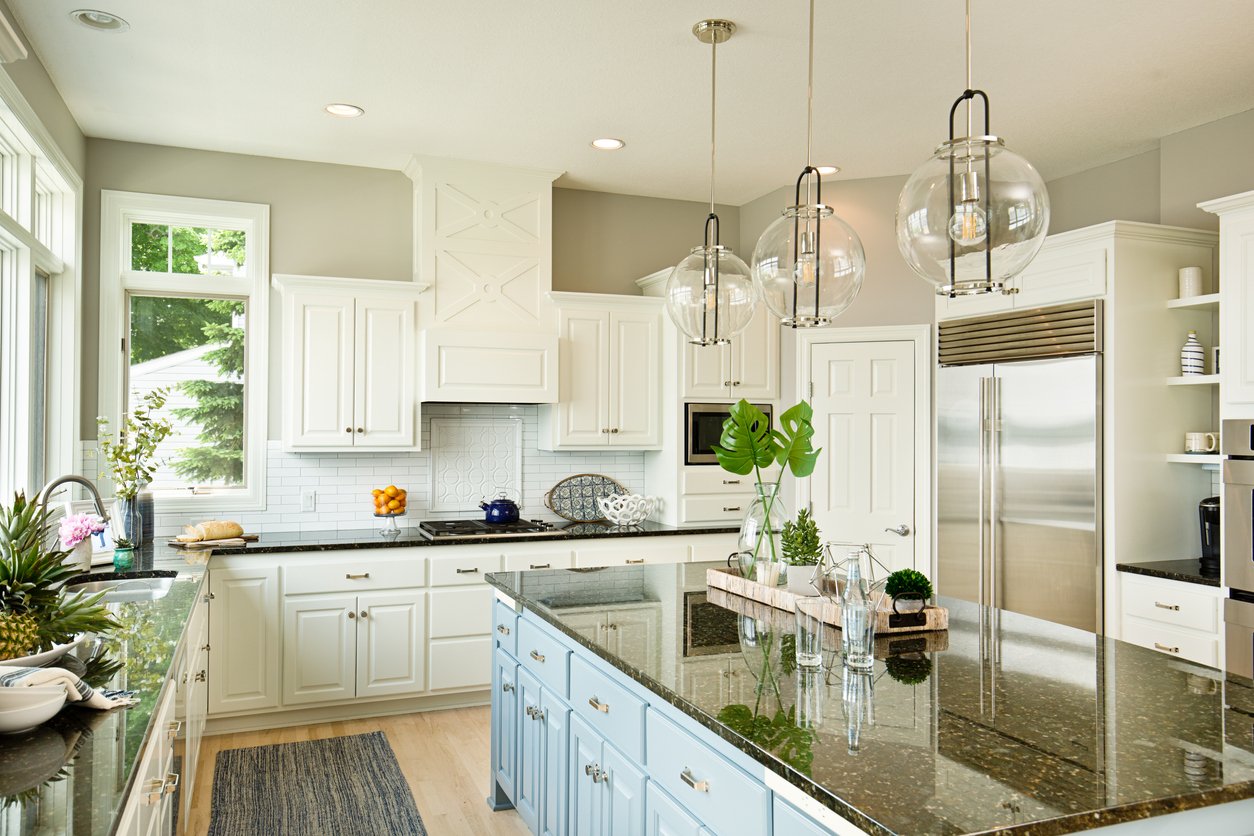
Credit: www.ringsend.com