
Making your stove flush with the wall is a goal for many homeowners and kitchen designers. A flush fit creates a sleek, modern look. It also makes cleaning easier, as there are no gaps where crumbs and grease can collect. Yet, achieving a true flush installation is not as simple as pushing your stove against the wall. There are technical, safety, and design details you need to understand before you begin.
This article will guide you step-by-step through the entire process. You’ll learn about measurements, wall modifications, electrical and gas connections, ventilation, and the best types of stoves for a flush look. You’ll also discover common mistakes, real-world examples, and practical tips most beginners miss.
By the end, you’ll know exactly how to plan and execute a professional-looking, flush stove installation—whether you’re remodeling or starting from scratch.
Understanding The Benefits Of A Flush Stove
A flush stove is more than just a design trend. It brings real advantages that improve your daily kitchen experience.
- Easier cleaning: Food and liquids can’t slip between the stove and the wall, reducing hard-to-reach messes.
- Modern look: A flush stove creates a seamless line with your cabinets and countertops.
- Space efficiency: You gain extra inches of counter space and better flow in small kitchens.
- Safety: There are fewer gaps for items or crumbs to fall, which helps avoid fire hazards.
However, these benefits come with challenges—especially in older kitchens. Understanding what’s involved is key to deciding if a flush stove is right for you.
Different Types Of Stoves And Their Flush Potential
Not all stoves are designed to sit flush with the wall. Some models make it much easier than others. Let’s compare the main types.
| Type of Stove | Flush Potential | Notes |
|---|---|---|
| Freestanding Range | Low | Back panel and deep connections prevent flush fit |
| Slide-In Range | High | Designed to align with counters, minimal back protrusion |
| Drop-In Range | Moderate | Needs custom cabinetry, can be flush with skillful install |
| Wall Oven + Cooktop | Very High | Separate units allow for perfect flush finish |
Slide-in ranges and separate cooktop/oven combinations are the best options for a true flush look. Freestanding ranges almost always have a backguard and rear protrusions for gas or electrical hookups, making flush installation difficult or impossible without major modifications.
Measuring Your Space: The Critical First Step
Precise measurements are the foundation of a flush installation. Even small mistakes here can ruin the final result.
- Width: Measure the exact width of your stove (not just the opening). Most stoves are 30 inches wide, but some may be 24, 36, or 48 inches.
- Depth: Standard countertop depth is 25 inches, but stoves can vary. Measure from the wall to the front edge of the countertop.
- Height: Measure from the floor to the top of your countertop. Your stove’s cooktop should sit level with this.
- Wall clearance: Check how far your wall sits from the cabinet face. Some older kitchens have uneven walls or baseboards that push the stove forward.
Non-obvious insight: Don’t trust the numbers on your stove’s spec sheet alone. Physical measurements can reveal small differences due to tile, backsplash, or wall texture.
Example
If your new slide-in range is 29. 9 inches wide and your opening is 30 inches, you have just 0. 1 inches of wiggle room—less than the width of a pencil. Plan for this tight fit.
Modifying The Wall For A Flush Fit
Most walls have baseboards, outlets, or pipes that stick out. To achieve a truly flush look, you’ll likely need to make some wall adjustments.
Baseboard Removal
Baseboards (or skirting boards) run along the floor and can prevent your stove from touching the wall.
- Use a utility knife to cut the caulk line above the baseboard.
- Gently pry the baseboard off with a crowbar or putty knife.
- Sand the area for a smooth finish.
Recessing Outlets And Connections
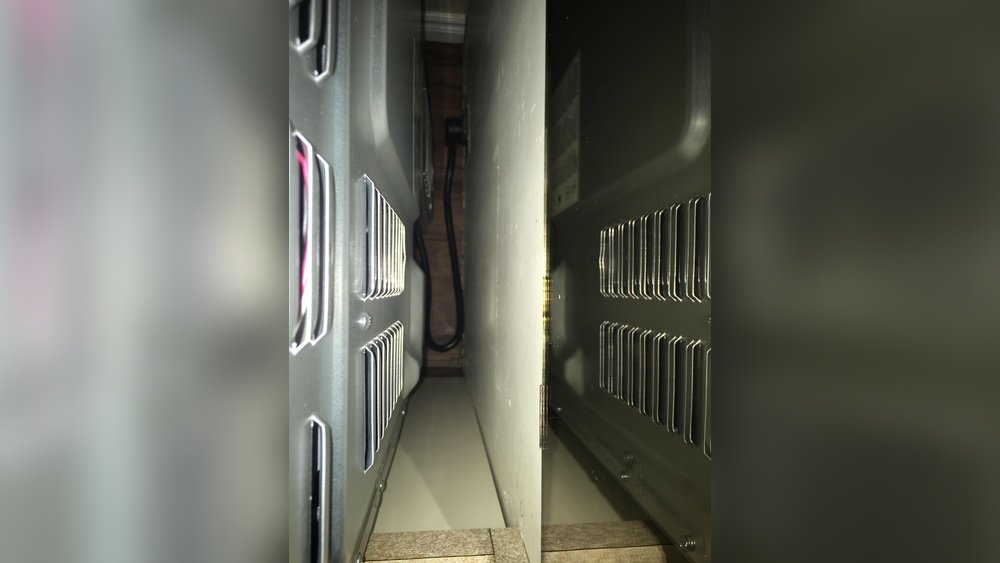
Stoves need access to gas, electricity, or both. These connections often stick out several inches.
- Replace standard electrical outlets with recessed wall boxes. These boxes sit inside the wall, so plugs don’t push the stove forward.
- For gas stoves, ask a plumber to install a recessed gas valve box.
Managing Pipes And Vents
If your kitchen has a visible gas line or vent pipe, you may need to reroute it.
- Only a licensed plumber or HVAC technician should move gas or vent pipes.
- Plan for any changes before you buy your stove, as moving these lines can be expensive.
Non-obvious insight: Sometimes, you can notch the back panel of your stove (if the manufacturer allows) to fit around a pipe, rather than moving the pipe itself. Always check your warranty and safety rules first.

Credit: www.reddit.com
Choosing The Right Stove For A Flush Installation
The type of stove you select will make or break your project. Here’s what to look for:
- Front-control slide-in ranges: These models have controls on the front, so there’s no bulky back panel.
- Counter-depth design: The stove’s depth should match your countertop, not stick out past it.
- Flat back: Some ranges are specially designed with a flat back and recessed area for connections.
- No rear vent: Rear-vented models can’t sit flush without major modifications.
Comparing Flush-ready Stove Models
Here’s a quick look at how some popular models stack up for flush installation:
| Brand/Model | Back Panel | Depth (inches) | Flush Potential |
|---|---|---|---|
| GE Profile Slide-In | None | 29.5 | Excellent |
| Samsung Flex Duo | Low | 28.7 | Very Good |
| LG Smart Slide-In | Minimal | 29.2 | Very Good |
| Standard Freestanding | High | 27.8 | Poor |
Electrical And Gas Hookup Considerations
Both gas and electric stoves require hookups at the back. These can be obstacles to a flush fit if not handled correctly.
Electrical Hookups
- Use recessed outlet boxes to save space.
- If your stove uses a large plug (240V for electric ovens), ensure the box is placed low and to one side, not centered.
- Never use extension cords for stoves; they must plug directly into an outlet.
Gas Hookups
- Install a recessed gas valve box.
- Flexible gas lines (approved for kitchen use) make it easier to slide the stove in and out.
- Always check for leaks after installation using a soap and water solution.
Practical tip: Mark the location of the connections on the floor and wall before installing the stove. This prevents surprises during installation.
Countertop And Cabinet Adjustments
Even with a flush stove, your countertop and cabinet edges must align perfectly for a seamless look.
Countertop Overhang
Standard countertops overhang the cabinets by about 1 inch. If you want the stove truly flush, you may need to:
- Cut back the countertop overhang behind the stove.
- Order a custom countertop with a reduced or zero overhang at the stove location.
Cabinet Modifications
Cabinets on either side of the stove may require adjustment.
- Use filler strips for a tight, gap-free fit.
- Make sure the cabinet faces are plumb (perfectly vertical) so the stove sits evenly.
Leveling The Stove
Most stoves have adjustable feet. Use a level tool to make sure the cooktop matches the counter height. If the floor is uneven, you may need to shim (add thin pieces under) the stove.
Pro insight: Some installers add thin metal strips to the cabinet sides to prevent crumbs from falling into gaps, even with a flush stove.
Ventilation And Safety Codes
Flush stoves look great but must also meet building and fire codes. Proper ventilation and clearance are vital for safety.
Vent Hood Requirements
Most building codes require a vent hood above the stove to remove smoke and grease.
- The vent hood should be at least as wide as the stove.
- Maintain the required distance between the cooktop and the hood (usually 24–30 inches).
Clearance Rules
- Maintain a minimum clearance from the stove to side walls (usually 3–6 inches, check local codes).
- Don’t install flammable materials (like wood) directly behind the stove.
- Use fire-resistant wall panels or tile behind the cooking area.
Fire Safety
- Keep a fire extinguisher within reach of the stove.
- Never block air vents or cooling fans on modern ranges.
Important: Always check your local building codes, as rules can change. Some areas have very strict requirements for gas and electric appliances.

Credit: www.reddit.com
Step-by-step Guide: How To Make Your Stove Flush With The Wall
This section brings all the pieces together. Here’s a step-by-step process to achieve a professional flush fit.
- Measure your space carefully (width, depth, height, and wall conditions).
- Select a flush-ready stove (slide-in or cooktop/oven combo).
- Remove baseboards behind the stove location.
- Install recessed outlets and gas boxes as needed.
- Reroute or adjust pipes and vents (hire pros for this step).
- Prepare the countertop and cabinets (trim overhang, add filler strips).
- Position the stove and make small adjustments to ensure a tight, even fit.
- Connect electrical and gas lines safely.
- Check level and height with a level tool.
- Install the vent hood and confirm all clearances.
- Test all functions (burners, oven, lights, fan).
- Seal gaps with heat-resistant caulk if desired.
- Clean the area and enjoy your new, seamless look!
Practical tip: Always have a helper for lifting and moving the stove. Slide-in ranges are heavy and can easily damage floors or cabinets if moved alone.
Common Mistakes And How To Avoid Them
Even skilled DIYers can make errors when trying to get a stove flush with the wall. Here are the most common mistakes:
- Not checking connections: Standard outlets and gas valves often stick out too far for a flush fit.
- Ignoring safety codes: Skipping vent or clearance rules can cause insurance and safety problems.
- Overlooking the countertop: Counter overhangs can ruin the seamless look if not adjusted.
- Forcing the fit: Pushing the stove too hard against the wall can damage cords, hoses, or the stove itself.
- Forgetting to level: An uneven stove leads to poor cooking results and can be a tipping hazard.
How to avoid: Double-check every measurement, follow all codes, and don’t rush the process. If in doubt, consult a professional installer.
Real-world Examples And Case Studies
Let’s look at a few real kitchen remodels where homeowners made their stoves flush with the wall.
Example 1: Slide-in Range In A Modern Condo
- Homeowner chose a GE Profile slide-in gas range.
- Removed baseboards, installed a recessed gas box, and trimmed the countertop.
- Result: The stove sits perfectly flush, with no gap behind or beside the unit. Cleaning is now much easier.
Example 2: Wall Oven And Separate Cooktop In A Custom Home
- Used a Bosch wall oven and induction cooktop.
- Custom cabinets and counter were built to match appliance dimensions.
- Connections were placed in adjacent cabinets, not behind the appliances.
- Result: The cooktop is perfectly flush with the counter, and the oven is set into the wall for a high-end look.
Example 3: Retrofitting An Older Kitchen
- Original freestanding range stuck out 2 inches.
- Homeowner replaced it with a slide-in electric model.
- Hired a plumber to move the gas line, added a recessed outlet, and patched the wall.
- Result: The new stove is almost flush—off by just 0.25 inches due to an unmovable pipe. Still a huge improvement.
Lesson: Every kitchen is different. Plan for surprises, especially in older homes.
Maintenance And Cleaning After Installation
Once your stove is flush with the wall, maintenance becomes easier—but not maintenance-free.
- Clean spills immediately: Since there are no gaps, spills won’t drip down the sides, but they can still stain the wall or floor.
- Check connections: Inspect electrical and gas hookups at least once a year for leaks or wear.
- Vacuum behind the stove: If you ever move it out, clean behind for dust and grease buildup.
- Re-caulk if needed: If you used caulk to seal gaps, check for cracks or peeling over time.
Pro tip: Use a wall protector or easy-clean backsplash behind the stove to protect from splatters.

Credit: www.reddit.com
Cost Considerations And Budgeting
Making a stove flush with the wall can involve costs beyond just buying a new appliance.
- Stove: Slide-in ranges or cooktop/oven combos are usually $200–$500 more expensive than freestanding models.
- Wall modifications: Removing baseboards and patching drywall is a small cost if you DIY, but can be $100–$300 with a contractor.
- Electrical/Gas work: Each recessed box or line move can cost $150–$400, depending on local rates.
- Countertop/cabinet changes: Minor trimming is inexpensive, but custom work can add $500 or more.
- Vent hood: A new hood ranges from $150–$800.
Estimate: Most flush installations cost $500–$2,000 above the price of the stove, depending on how much you need to change.
Practical advice: Always get quotes for gas and electrical work. Never cut corners on safety.
Key Takeaways For A Seamless Flush Stove Installation
- Plan ahead: Measure everything, and anticipate wall and connection challenges.
- Choose the right stove: Slide-in and cooktop/oven combos are best for a flush fit.
- Modify the wall: Remove or recess anything that sticks out behind the stove.
- Adjust cabinets and counters: Small changes here make a big visual difference.
- Follow codes: Safety and ventilation always come first.
- Expect extra costs: Budget for modifications, not just the stove itself.
Taking the time to do each step properly will give you a kitchen that looks great and works even better.
Frequently Asked Questions
What Is The Difference Between A Slide-in And A Freestanding Stove?
A slide-in stove has no back panel and is designed to fit flush with your countertops and wall, creating a seamless look. A freestanding stove usually has a raised back and needs more space behind for connections, so it often sticks out from the wall.
Do I Need A Professional To Install A Stove Flush With The Wall?
You can do some parts, like removing baseboards or trimming countertops, yourself. But gas and electrical connections should always be handled by a licensed professional for safety and code compliance.
Can I Make My Current Stove Flush With The Wall, Or Do I Need A New One?
Most freestanding stoves cannot sit flush due to their design. You’ll likely need a slide-in range or a separate cooktop and oven to get a true flush fit.
How Do I Deal With The Gas Line Or Electrical Outlet Behind The Stove?
Install recessed boxes for both gas and electrical connections. This allows the stove to sit closer to the wall. Always have a pro handle these changes.
Where Can I Find More Technical Standards For Stove Installations?
You can check the National Fire Protection Association (NFPA) and appliance manufacturer websites for up-to-date safety and installation codes. For more details, see the NFPA’s fire protection resources.
—
Making your stove flush with the wall is a rewarding project that brings both style and function to your kitchen. With careful planning, the right appliances, and attention to detail, you can achieve that clean, modern look you want—while keeping safety and performance at the highest level.