
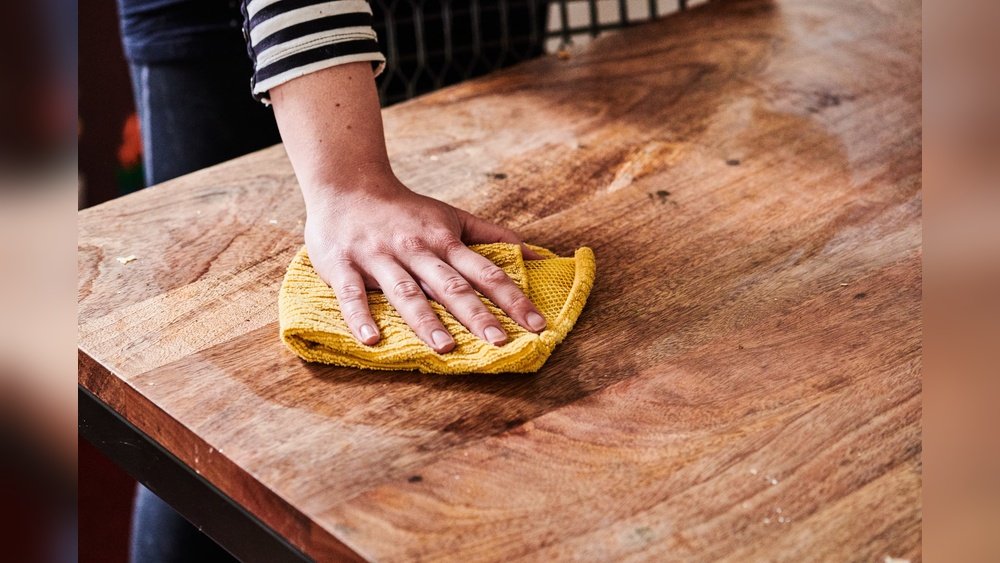
A wood kitchen table is more than just a place to eat. It’s a gathering spot for family meals, a workspace for homework, and sometimes even the heart of your home. But with all that use, it’s easy for your beautiful table to get sticky, stained, or dull.
Cleaning a wood kitchen table isn’t just about wiping up crumbs; it’s about protecting the wood, preserving its finish, and making sure it lasts for years. Many people make mistakes that can damage their table or fail to get it truly clean.
Let’s explore how to clean your wood kitchen table the right way—whether it’s dealing with daily messes, tough stains, or long-term care. Along the way, you’ll pick up tips that most beginners miss, so your table will look great and stay strong.
Understanding Your Wood Kitchen Table
Before you start cleaning, it’s important to know what type of wood and finish your table has. Different woods and finishes react differently to water, cleaners, and scrubbing. Using the wrong method can lead to scratches, discoloration, or even permanent damage.
Types Of Wood
Most kitchen tables are made from hardwoods like oak, maple, cherry, and walnut, or softwoods like pine. Hardwoods are more durable, but both types can be damaged by too much moisture or harsh chemicals.
Common Wood Finishes
- Varnish: Shiny and protective, resists water but can scratch.
- Lacquer: Glossy, durable, but sensitive to some cleaners.
- Polyurethane: Very strong and water-resistant.
- Oil or Wax: Gives a natural look but needs regular care.
If you’re not sure about your table’s finish, check for a glossy shine (probably varnish or lacquer) or a more natural, matte look (likely oil or wax). Always test a small hidden area before using any cleaner.
Essential Supplies For Cleaning
Using the right supplies makes cleaning safer and more effective. Here’s what you need:
- Soft microfiber cloths (for dusting and wiping)
- Mild dish soap (gentle on wood)
- Warm water (never hot)
- White vinegar (for sticky spots and disinfecting)
- Baking soda (for tough stains)
- Olive oil or mineral oil (for polishing)
- Soft-bristled brush or toothbrush (for grooves and crevices)
- Spray bottle (for homemade cleaners)
- Cotton swabs (for small detailed areas)
Avoid rough sponges, steel wool, or bleach-based products. These can scratch or discolor the wood.
Step-by-step: How To Clean Wood Kitchen Table
The best way to clean your wood kitchen table depends on how dirty it is and what kind of mess you’re dealing with. Let’s break it down into daily, weekly, and deep cleaning.
Daily Cleaning
- Remove Crumbs and Debris: Start by brushing off food crumbs using a dry microfiber cloth. Don’t use a brush with stiff bristles, which can scratch the surface.
- Wipe with a Damp Cloth: Dampen a clean microfiber cloth with warm water. Wring it out well—you want it just barely damp, not wet. Wipe down the table to remove fingerprints, sticky spots, and light dirt.
- Dry Immediately: Use a dry cloth to wipe away any moisture. Water left on wood can cause swelling or stains.
Weekly Cleaning
- Make a Gentle Cleaning Solution: Mix a few drops of mild dish soap with a bowl of warm water. Avoid strong cleaners, which can strip the finish.
- Wash the Table: Dip a microfiber cloth in the soapy water, wring out excess, and gently wipe the table. Focus on sticky areas or places with fingerprints.
- Clean Crevices: Use a soft-bristled brush or toothbrush to clean grooves or detailed carvings.
- Rinse and Dry: Wipe again with a cloth dampened in plain water to remove soap residue, then dry with a clean towel.
Deep Cleaning (monthly Or As Needed)
- Vinegar Solution for Tough Spots: Mix equal parts white vinegar and water in a spray bottle. Lightly mist sticky or greasy spots—do not soak the wood. Wipe with a damp cloth, then dry.
- Baking Soda for Stains: Sprinkle a small amount of baking soda on stubborn stains. Add a drop of water and gently rub with a soft cloth. Wipe clean and dry.
- Polishing: After deep cleaning, restore shine with a natural polish. Mix 1 part olive oil with 1 part vinegar. Rub a small amount into the wood with a soft cloth. Buff until it shines.
How To Remove Common Stains From Wood Tables
Some stains need extra care. Here’s how to tackle the most common problems:
Water Rings And White Spots
These often happen when someone leaves a wet glass on the table.
- Place a dry cloth over the stain.
- Use a hairdryer on low heat, moving it back and forth above the cloth. The heat helps evaporate trapped moisture.
- If the spot remains, mix baking soda with a few drops of water to make a paste. Rub gently with a soft cloth.
- Wipe and dry the area.
Grease Stains
Kitchen tables often get greasy from food.
- Sprinkle a little baking soda on the stain.
- Let it sit for a few minutes to absorb the grease.
- Wipe away gently with a damp cloth, then dry.
Marker Or Ink Stains
If children use the table for drawing, you might find ink marks.
- Dab the area with a cotton swab dipped in rubbing alcohol. Test in a hidden spot first to check for color loss.
- Rub gently, then wipe with a damp cloth.
- Dry the area.
Food And Wine Stains
- Mix a little dish soap with warm water.
- Dab (don’t rub) the stain with a damp cloth.
- For stubborn stains, mix baking soda and water, apply gently, then wipe clean.
What To Avoid When Cleaning Wood Kitchen Tables
Many people accidentally damage their wood tables by using the wrong products or methods.
- Don’t use bleach, ammonia, or harsh chemical cleaners.
- Avoid soaking the table or letting water sit on the surface.
- Never use abrasive sponges, steel wool, or scouring pads.
- Don’t use furniture polish sprays that contain silicone, which can build up and dull the finish.
- Avoid all-purpose cleaners that are not labeled safe for wood.
Comparing Cleaning Products: Store-bought Vs Homemade Solutions
Choosing between store-bought cleaners and homemade solutions is common. Here’s how they compare:
| Type | Main Ingredients | Pros | Cons |
|---|---|---|---|
| Store-Bought Wood Cleaner | Commercial cleaning agents, oils, waxes | Easy to use, consistent results | May contain harsh chemicals, more expensive |
| Homemade Solution | Vinegar, dish soap, water, oil | Cheap, natural, customizable | Need to mix yourself, can be less effective on heavy buildup |
Homemade cleaners are usually enough for daily and weekly cleaning. For deep cleaning or restoring shine, you might want a specialized wood polish. Always read the label and test in a small area first.

Credit: www.youtube.com
How To Protect Your Wood Kitchen Table
Cleaning keeps your table looking good, but protection is just as important. Here’s how you can guard against future damage:
Use Placemats And Tablecloths
Placemats prevent direct contact with hot plates, spills, and scratches. A tablecloth offers extra protection for big gatherings.
Wipe Spills Immediately
Don’t let liquids sit on the wood. Even water can cause stains if left too long. Wipe up wine, juice, and oily spills right away.
Avoid Direct Sunlight
Sunlight can fade and dry out wood. If possible, position your table away from windows, or use curtains during the brightest parts of the day.
Control Humidity
Wood expands and contracts with changes in moisture. Too much humidity can make the wood swell, while dry air can cause cracks. Try to keep your kitchen’s humidity steady, ideally between 40-55%.
Use Felt Pads
Attach felt pads to the bottom of serving dishes or decorative items. This simple step prevents scratches and dents.
Regular Polishing
Every few months, polish your table with a product made for your finish. This keeps the wood nourished and the surface shiny.
Dealing With Special Situations
Life happens, and sometimes your table needs extra help.
Sticky Residue From Stickers Or Tape
Kids often put stickers on tables. To remove sticky residue:
- Dab with a little olive oil or mayonnaise.
- Let it sit for a few minutes to loosen the glue.
- Gently scrape with a plastic card (not metal).
- Wipe clean with a damp cloth.
Removing Candle Wax
If you use your table for celebrations, candle wax can drip onto the surface.
- Let the wax harden completely.
- Gently lift with a plastic spatula or card.
- For leftover residue, lay a paper towel over it and press with a warm iron (low heat). The wax will melt and absorb into the towel.
Repairing Minor Scratches
Small scratches are common. Try this trick:
- Rub a walnut half or pecan gently over the scratch. The natural oils help blend the mark.
- Buff with a soft cloth.
When To Call A Professional
If your table has deep scratches, water damage, or peeling finish, it may need professional refinishing. Don’t try heavy sanding or stripping at home unless you have experience.
How Different Finishes Affect Cleaning
The finish on your table changes how you clean and care for it. Here’s a quick comparison:
| Finish Type | Water Resistance | Cleaning Needs | Extra Care Tips |
|---|---|---|---|
| Varnish | Good | Wipe with damp cloth, avoid abrasives | Polish 2-3 times a year |
| Lacquer | Moderate | Gentle cleaners, dry quickly | Keep away from alcohol spills |
| Polyurethane | Excellent | Easy to clean, resists most stains | Avoid wax-based polishes |
| Oil/Wax | Poor | Use oil-based cleaner, never water-soak | Re-oil every 3-6 months |
Knowing your finish means you can avoid mistakes that strip away protection or cause dullness.
Eco-friendly And Allergy-safe Cleaning
If you’re concerned about chemicals or allergies, you can clean your wood kitchen table with natural products.
- Vinegar and water: Mix equal parts for a gentle cleaner. Don’t overuse—too much vinegar can dull the finish.
- Baking soda: Perfect for stains, but always test first.
- Lemon juice: Adds fresh scent and mild cleaning power.
- Olive oil: Buffs and protects wood naturally.
Avoid essential oils if someone in your family has allergies, as some oils can trigger reactions.
Mistakes To Avoid When Cleaning Wood Tables
Even with good intentions, it’s easy to make mistakes. Here are some common ones:
- Using too much water: Excess water can seep into wood and cause warping or stains.
- Forgetting to dry: Always dry the table after wiping. Leaving it damp encourages mold and dulls the finish.
- Scrubbing too hard: Heavy scrubbing can scratch the surface or remove finish.
- Ignoring manufacturer instructions: If your table came with care instructions, follow them. Each wood and finish is different.
- Polishing too often: Over-polishing can cause buildup. Stick to every few months unless your table is heavily used.
Tips For Long-term Maintenance
A clean table today is great, but good habits will keep your table looking beautiful for years.
- Dust regularly: Dust can scratch wood if allowed to build up.
- Rotate decorations: Moving centerpieces or vases prevents uneven fading or marks.
- Check hardware: If your table has screws or bolts, tighten them once or twice a year to keep it sturdy.
- Address problems quickly: Deal with spills, stains, and scratches as soon as you notice them.
Credit: www.aosom.com
What Most Beginners Miss
When cleaning a wood kitchen table, beginners often miss two things:
- The importance of drying: Even a small amount of leftover water can cause damage over time.
- Cleaning under the table and legs: Food and dust collect under the edge and around the legs, attracting pests or causing buildup.
Don’t just clean the surface—wipe the sides and legs regularly for a truly clean table.
Seasonal Care For Wood Kitchen Tables
Different seasons can affect your table.
Spring And Summer
Higher humidity can make wood swell. Use a dehumidifier if your kitchen gets damp. Open windows to let air circulate, but keep the table out of direct sunlight.
Fall And Winter
Heating dries the air. Use a humidifier to prevent the wood from shrinking and cracking. Polish the table before winter to add extra protection.
Holiday Gatherings
Big family meals mean more spills and stains. Cover your table during parties, and keep cleaning supplies nearby for quick cleanup.
Diy Wood Table Polish Recipes
Store-bought polishes work, but you can make your own at home. Here are two easy recipes:
Simple Vinegar And Oil Polish
- 1/2 cup white vinegar
- 1/2 cup olive oil
Mix well. Apply to the table with a soft cloth. Buff to shine.
Lemon Polish
- 1 cup olive oil
- Juice of 1 lemon
Mix and apply sparingly. Lemon brightens and cuts grease, while oil protects the wood.
Store homemade polish in a sealed jar away from sunlight. Use within a month for best results.
How To Clean A Sticky Wood Table
Sticky residue can be tough. Here’s a quick method:
- Dampen a cloth with warm water and a drop of dish soap.
- Wipe the sticky area gently.
- For stubborn spots, use a mixture of 1 part vinegar to 2 parts water.
- Dry immediately.
If stickiness remains, check if it’s from a cleaner buildup. Avoid using too much polish or commercial spray, as these can leave a sticky layer.
How To Clean Antique Or Painted Wood Tables
Antique or painted tables need special care.
- Use only mild soap and water. Avoid vinegar, which can damage old finishes.
- Never use abrasive pads. They can remove paint or delicate finishes.
- Dry gently with a soft towel.
If your table is valuable or fragile, consult an expert before deep cleaning.
The Impact Of Cleaning Frequency
How often should you clean your wood kitchen table? Here’s a basic guide:
| Task | Frequency | Purpose |
|---|---|---|
| Dusting | Daily | Prevents scratches and buildup |
| Wiping with damp cloth | Daily or after meals | Removes food and spills |
| Soap and water cleaning | Weekly | Deep cleans surface |
| Polishing | Every 2-3 months | Restores shine and protection |
| Deep cleaning | Monthly or as needed | Removes stains and buildup |
Adjust the schedule based on how much you use your table and what kind of messes it sees.
When To Refinish Or Restore Your Table
Even with the best care, your table may need refinishing eventually. Signs it’s time:
- The finish is worn off in places.
- Deep scratches or gouges.
- Water damage or dark stains that don’t come out.
Refinishing involves sanding down the old finish and applying new stain or varnish. It’s a big job—consider hiring a professional unless you have experience. For minor touch-ups, wood repair markers or wax sticks can hide scratches.
Additional Resources
If you want to learn more about wood care and cleaning, visit the Wood Magazine’s guide to cleaning wood furniture. It offers expert advice on protecting all types of wood surfaces.

Credit: cleanmama.com
Frequently Asked Questions
How Do I Clean A Sticky Wood Kitchen Table Without Damaging It?
Start by wiping the sticky area with a damp microfiber cloth and a drop of mild dish soap. If it stays sticky, mix 1 part vinegar with 2 parts water and gently wipe again. Always dry the surface completely afterward.
Can I Use Disinfectant Wipes On My Wood Table?
Most disinfectant wipes are too harsh for wood finishes and can cause dullness or streaks. Use a cloth dampened with a vinegar-water solution instead. If you must use a disinfectant, check that it’s labeled safe for wood and test in a hidden spot first.
What Is The Best Way To Remove Water Rings From Wood Tables?
Place a dry cloth over the ring and apply gentle heat with a hairdryer. If the mark remains, rub a paste of baking soda and water on the spot, then wipe clean and dry. For deep or old stains, you may need a wood cleaner made for your finish.
How Often Should I Polish My Wood Kitchen Table?
Polish your table every 2-3 months, or more often if it gets heavy use. Avoid over-polishing, which can lead to buildup. Use a polish that matches your table’s finish.
Is It Safe To Use Vinegar On All Wood Tables?
Vinegar is safe for most sealed wood finishes when diluted with water. However, avoid it on antique, painted, or oil/wax-finished tables. Always test a small area first and never leave vinegar sitting on the wood.
Keeping a wood kitchen table clean takes some care, but it’s worth the effort. With the right methods, your table will stay beautiful, healthy, and ready for everything life brings. Whether you’re cleaning up after dinner or preparing for a special occasion, these steps will help your table last for generations.