
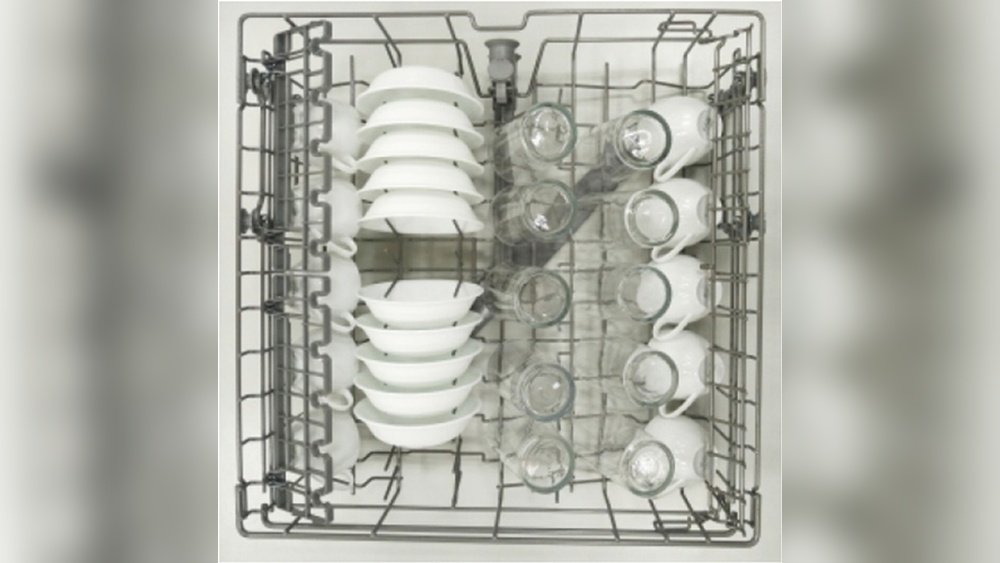
Loading your Samsung dishwasher correctly is not just about putting dirty dishes inside and pressing start. The way you organize each plate, cup, and utensil directly affects how clean they get, how long your dishwasher lasts, and even how much energy and water you use.
Many people, especially first-time users, make small mistakes that lead to poor results—like cloudy glasses, food residue left behind, or even broken dishes. If you want sparkling clean dishes every time and want your Samsung dishwasher to run efficiently, this guide will take you through every detail.
Whether you have a basic model or a high-end Samsung dishwasher with special features, you’ll learn the best methods, tips, and expert tricks that most beginners miss.
Understanding Your Samsung Dishwasher’s Design
Every Samsung dishwasher is designed for both convenience and efficiency. Still, models vary in layout and features, so understanding your appliance is the first step to loading it correctly.
Key Components
- Upper rack: Ideal for cups, glasses, small bowls, and lightweight plastics.
- Lower rack: Made for plates, pots, pans, and larger or heavier items.
- Silverware basket: Designed for forks, spoons, knives, and sometimes small lids.
- Cutlery tray (in some models): A third rack at the very top for flatware and small utensils.
- Spray arms: Located under each rack, these spin and spray water to clean everything.
- Detergent dispenser: Where you add your dishwasher detergent and rinse aid.
Familiarize yourself with your dishwasher’s user manual, as some Samsung models have adjustable racks, folding tines, or specialized zones for bottles and wine glasses. If you do not have the manual, you can usually find a digital version on the official Samsung website.
Why Proper Loading Matters
Correctly loading your Samsung dishwasher ensures:
- Maximum cleaning power for every item
- No blocked spray arms or detergent dispensers
- Reduced risk of damage to delicate items
- Lower energy and water use
- Faster drying and fewer water spots
If you don’t load your dishwasher properly, you may notice dishes come out dirty, or you might waste time and energy re-washing.
Preparing Dishes Before Loading
A common question is: “Should I pre-rinse my dishes?” The answer depends on what’s left on your plates and your dishwasher’s cleaning power.
Scraping Vs. Rinsing
- Scrape off large food particles: Use a fork or spatula to remove bones, seeds, and chunks of food.
- No need to pre-rinse: Modern Samsung dishwashers are powerful enough to clean most food residue. Rinsing can waste water and make detergents less effective.
Remove Problem Items
- Labels and stickers: Take off any paper or plastic labels, as they can clog the filter.
- Toothpicks and bones: These can block the spray arms or damage the pump.
- Non-dishwasher safe items: Wood, cast iron, gold-trimmed china, and certain plastics should not go into the dishwasher. Always check for the dishwasher-safe symbol.
Credit: www.youtube.com
Loading The Lower Rack
The lower rack is built for larger, heavier items. This area gets the strongest spray and is the best place for items that are hard to clean.
Plates And Platters
- Load plates facing the center, slightly angled downward.
- Space them evenly so water can reach all surfaces.
- Larger items like platters or serving trays should go at the sides or back, not in front of the detergent dispenser or spray arms.
Pots And Pans
- Place pots and pans upside down for water to reach inside.
- Avoid nesting (stacking) them, as this blocks water flow.
- For very dirty or burned-on items, use the “Pots & Pans” or “Heavy” cycle if your model has one.
Bowls
- Place bowls at an angle, open side down, to allow water to drain off.
- Mix bowl sizes so smaller ones don’t get trapped inside larger ones.
Oversized Items
- Lay big cutting boards or baking sheets along the sides, never flat on the rack floor, as this can block the spray arms.
Common Mistakes
- Overcrowding: Don’t cram too many items; this blocks water and detergent.
- Blocking spray arms: Check that nothing is sticking through the rack and hitting the spray arms.
Loading The Upper Rack
The upper rack is for smaller, lighter items and things that need a gentler wash.
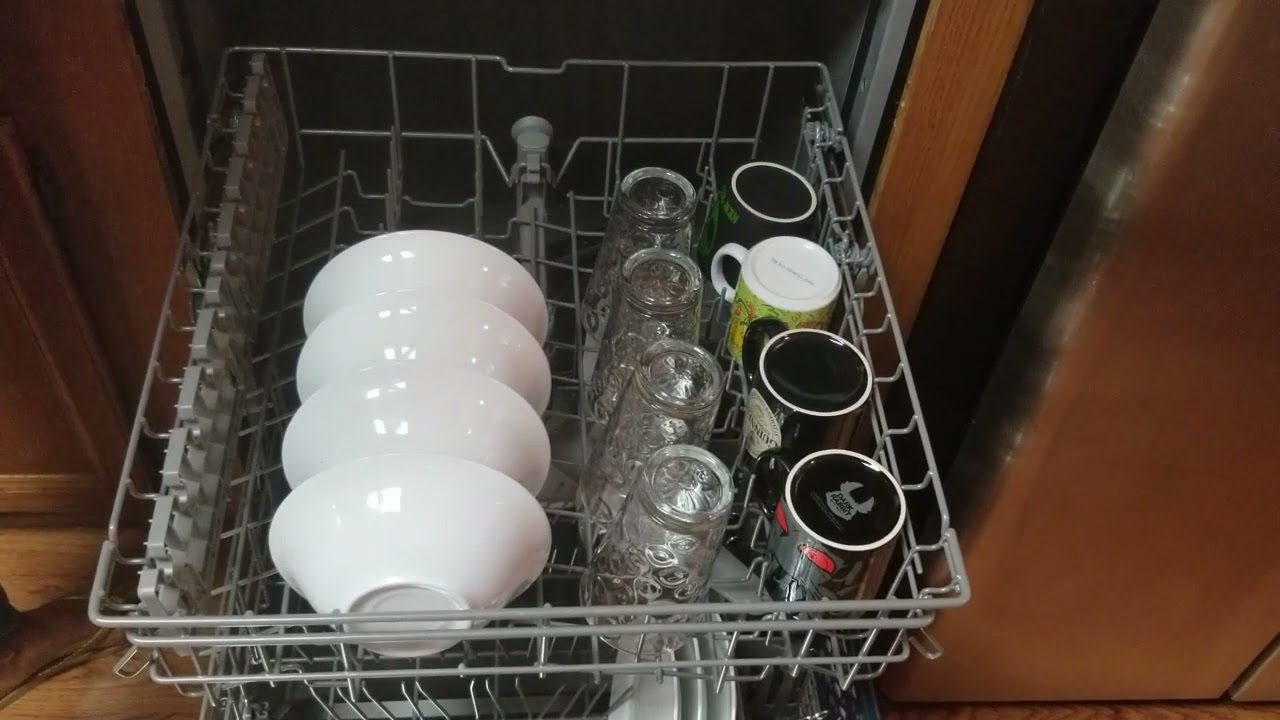
Cups, Glasses, And Mugs
- Place between tines, not over them, to avoid water spots.
- Angle cups and glasses downward, but not so much that water pools inside.
- Leave space between each item to prevent breakage and ensure all surfaces are sprayed.
Small Bowls And Plastic Containers
- Place lightweight plastics away from the heating element, usually at the front or sides.
- Only use dishwasher-safe plastics, as some may warp.
Stemware And Wine Glasses
- Use special holders or stemware clips if your Samsung model has them.
- Place glasses securely so they don’t tip during the wash.
Adjustable Rack Features
Some Samsung dishwashers offer racks that move up or down. If you need to wash tall glasses or big pots, lower or raise the rack as needed. Always adjust before loading dishes.
Using The Cutlery Tray And Silverware Basket
Samsung dishwashers may have a cutlery tray (top rack) or a silverware basket (lower rack). Using these correctly ensures your utensils are both clean and safe.
Silverware Basket
- Mix up forks, knives, and spoons so similar items don’t nest together.
- Alternate some handles up and some down (unless the manufacturer recommends all up or all down for safety).
- Sharp knives should go handle-up to avoid injury when unloading.
Cutlery Tray
- Lay utensils flat, separated, in their slots.
- Space out flatware for the best water coverage.
- Small lids or spatulas can go here if there’s room.
Items To Avoid
- Do not load large serving spoons or utensils that might block the spray arm.
- Avoid putting wooden or plastic-handled knives if they are not dishwasher safe.
Special Items And Their Placement
Some dishes and utensils need extra care when loading to avoid damage or cleaning problems.
Baby Bottles And Lids
- Use the dedicated bottle jets or holders if your dishwasher has them.
- Place bottles upside down, and separate lids to avoid trapping water.
Small Plastic Items
- Use a mesh bag or the cutlery tray to secure small lids, bottle caps, or silicone items. This prevents them from falling into the bottom of the dishwasher.
Delicate Items
- Crystal, china, or fine glassware should go on the upper rack, spaced well apart.
- Use the “Delicate” or “Glass” cycle if available.
Odd-shaped Utensils
- Place long spatulas, whisks, or ladles flat on the upper rack or in the cutlery tray.
- Avoid placing them so they block the detergent dispenser or spray arms.

Credit: www.designerappliances.com
How To Fit More Without Sacrificing Cleanliness
It can be tempting to pack your dishwasher to the maximum, but there’s a smart way to fit more without lowering cleaning performance.
Smart Packing Tips
- Stagger dish sizes: Alternate large and small plates for better water reach.
- Use fold-down tines: On some Samsung models, you can adjust tines for bigger pots or more plates.
- Stack only when designed: Some racks have stacking guides—follow them, but never let items touch.
- Use every slot: Fill all holders, but leave space between items for water to flow.
Common Packing Mistakes
- Overlapping dishes: This blocks water jets and leaves spots.
- Placing items on top of others: Water can’t reach hidden surfaces.
- Forgetting space for the detergent door: If dishes block the detergent dispenser, soap can’t reach your dishes.
Using Detergent And Rinse Aid Properly
Even with perfect loading, using the right detergent and rinse aid matters for sparkling clean dishes.
Types Of Detergents
- Powder: Good for tough stains but must be measured carefully.
- Gel: Dissolves easily, but may not clean heavy stains as well.
- Pods/Tablets: Convenient and pre-measured; just place them in the detergent dispenser.
Where And How Much To Add
- Add detergent to the main dispenser, and close the lid.
- For very dirty loads, use the pre-wash compartment if available.
- Never put detergent directly into the tub; it will wash away too early.
Rinse Aid
- Helps prevent water spots and speeds up drying.
- Fill the rinse aid compartment when the indicator light is on.
- Adjust the amount dispensed if you see spots or streaks.
Cycle Selection And Special Features
Your Samsung dishwasher offers multiple cycles and features. Choosing the right one improves cleaning and saves energy.
Main Wash Cycles
- Auto: Senses soil level and adjusts automatically.
- Normal: For everyday loads of mixed dishes.
- Heavy/Pots & Pans: For heavily soiled cookware.
- Delicate/Glass: For glassware and fragile items.
- Express/Quick: For lightly soiled dishes, finished in under an hour.
Extra Features
- Sanitize: Uses higher temperature for extra cleanliness.
- Half Load: For smaller loads, saves water and energy.
- Zone Booster: Directs extra cleaning power to a specific area.
- Delay Start: Runs the cycle later, often used to save on electricity costs.
When To Use Which Cycle
- Use Auto for most loads.
- Choose Heavy for pots, pans, or dried-on food.
- Select Express if you need dishes quickly, but avoid for dirty cookware.
Maintenance And Cleaning For The Best Results
Keeping your Samsung dishwasher in top condition makes every load more effective. Neglecting maintenance can lead to poor cleaning, bad odors, or even breakdowns.
Regular Maintenance Tasks
- Clean the filter: Remove and wash at least once a month, or more often if you use your dishwasher daily.
- Wipe the spray arms: Remove debris that could block water jets.
- Check for buildup: Hard water can leave white deposits; use a dishwasher cleaner or run a vinegar cycle monthly.
- Inspect door seals: Wipe with a damp cloth to prevent mold and ensure a tight seal.
Troubleshooting Common Problems
If you notice issues, check these before calling for service:
- Dishes are still dirty: Check for overloading, blocked spray arms, or low water temperature.
- Cloudy glasses: Use more rinse aid or a cycle for glassware.
- Dishwasher smells: Clean the filter and run a cleaning cycle.
Comparison: Samsung Dishwasher Features Vs. Other Brands
Understanding how Samsung dishwashers compare to other leading brands can help you appreciate the unique features and make the most of your appliance.
| Feature | Samsung | Bosch | LG |
|---|---|---|---|
| Adjustable racks | Yes (many models, easy adjust) | Yes (varies by model) | Yes |
| Zone cleaning | Zone Booster™ | IntensiveZone | QuadWash™ zones |
| Auto-sensing cycles | Yes | Yes | Yes |
| Noise level | 39-44 dB (quieter in newer models) | 38-44 dB | 42-48 dB |
| Third rack (cutlery tray) | Yes (select models) | Yes | Yes |
Samsung dishwashers stand out for their Zone Booster and easy rack adjustments, making them flexible for different dish sizes and cleaning needs. They also offer competitive noise levels and cleaning performance.
Real-world Examples: Common Loading Mistakes And Solutions
Many people think they are loading their dishwasher correctly, but small errors can cause big problems. Here are a few examples and how to fix them:
Example 1: Cloudy Glasses
You load all your glasses tightly together on the upper rack. After the cycle, you notice cloudy spots and some glasses still have lipstick marks.
Solution: Space out glasses so water can flow between them. Use more rinse aid and select the “Delicate” or “Glass” cycle for better results.
Example 2: Dirty Silverware
All your forks and spoons are placed in the basket with handles up. Some pieces come out with food stuck on them.
Solution: Mix up the placement—some handles up, some down. Don’t let similar utensils nest together. This allows water to reach every surface.
Example 3: Pots And Pans Still Dirty
You stack two pans inside each other to fit more in the lower rack. Food residue remains after washing.
Solution: Place each pan separately, upside down, and avoid nesting. Use the “Heavy” cycle if needed.
Example 4: Blocked Detergent Dispenser
A large plate blocks the detergent door, and your dishes come out greasy.
Solution: Make sure no item is placed directly in front of the detergent dispenser, so the door can open fully during the cycle.

Credit: stralingswijzer.nl
Samsung Dishwasher Loading Tips For Special Situations
There are times when you need to adjust your loading technique for certain scenarios:
Large Family Meals
- Run a “Rinse Only” cycle between courses if you have lots of dishes piling up.
- Load the dirtiest items on the lower rack and lighter items up top.
- Don’t overload—run two cycles if needed for best results.
Holiday Dishware
- Place delicate plates and glasses on the upper rack.
- Use the “Delicate” cycle and avoid high heat drying for fine china.
- Leave space between items to prevent chipping.
Quick Loads
- Use the “Express” cycle for lightly soiled dishes.
- Don’t overload; quick cycles use less water and time, so spacing is even more important.
Energy And Water Efficiency: Getting The Most From Your Samsung Dishwasher
Correct loading helps save resources, but a few more steps will boost efficiency:
- Only run full loads: Avoid half-full washes unless you use the “Half Load” setting.
- Use the “Eco” or “Energy Saver” cycle for lightly soiled dishes.
- Load dishes so water doesn’t pool, reducing drying time.
- Keep your filter and spray arms clean for top performance.
According to the U. S. Department of Energy, a modern dishwasher uses as little as 3 gallons of water per cycle, compared to up to 27 gallons for hand washing the same amount. Proper loading helps you get the most out of these savings.
Data Table: Water And Energy Use By Cycle
Here’s how different cycles affect resource use in a typical Samsung dishwasher (values are approximate):
| Cycle | Average Water Used (gallons) | Energy Used (kWh) | Cycle Time (minutes) |
|---|---|---|---|
| Normal | 3.5 | 1.0 | 120 |
| Heavy | 4.8 | 1.5 | 150 |
| Express | 2.4 | 0.8 | 60 |
| Eco | 2.9 | 0.7 | 180 |
Choosing the right cycle for your needs can help you save both water and electricity while still getting clean dishes.
Expert Tips Most Beginners Miss
Most people follow the basics, but there are a few expert techniques that can make a big difference:
- Face dirtiest surfaces toward spray arms: For example, put the soiled side of pots and pans facing the center where spray pressure is highest.
- Check for spinning spray arms: Before running a cycle, spin the spray arms by hand. If they hit anything, rearrange your load.
- Don’t overload the detergent: Using more detergent than needed can leave residue and film on your dishes.
- Leave some space between plastics and heating element: This prevents melting or warping.
- Open the door after the cycle ends: Letting steam escape helps dishes dry faster and reduces water spots.
- Use the right rack for each item: Even if it fits on another rack, putting items in their designed place gets the best results.
How To Load Samsung Dishwasher: Step-by-step Quick Guide
For a fast reference, here’s a step-by-step summary to make sure you don’t miss anything:
- Scrape food from dishes; don’t rinse unless absolutely necessary.
- Load the lower rack with plates, pots, pans, and serving dishes. Place all items facing the spray arms and avoid nesting.
- Place cups, glasses, and small bowls on the upper rack. Angle downward and separate each item.
- Arrange utensils in the basket or cutlery tray; mix types and alternate handles up and down.
- Secure small or lightweight items (like lids or bottle caps) in a mesh bag or cutlery tray.
- Check that spray arms spin freely and that the detergent dispenser is not blocked.
- Add the correct amount of detergent to the dispenser; fill rinse aid if needed.
- Select the right cycle for your load and use special features if needed.
- Close the door and start the cycle.
- After the cycle ends, open the door slightly to let steam out and improve drying.
Following these steps every time will help ensure sparkling results and a longer-lasting appliance.
Frequently Asked Questions
How Do I Know If I Am Overloading My Samsung Dishwasher?
If dishes are touching or stacked, or if the spray arms cannot spin, you are likely overloading. Overloading can cause poor cleaning and even damage the machine. Always leave space between dishes and check that moving parts are free.
Can I Wash Pots And Pans With Regular Dishes?
Yes, but place pots and pans on the lower rack, upside down, and avoid stacking them. Use the “Heavy” or “Pots & Pans” cycle for the best results, and do not overload the rack.
What Should I Do If My Dishwasher Leaves Spots On My Glasses?
Increase the amount of rinse aid and make sure you use the correct cycle for glassware. Also, ensure glasses are loaded spaced apart and not over the tines. Hard water can also cause spots; a dishwasher cleaner may help.
Is It Safe To Wash Plastic Containers In My Samsung Dishwasher?
Only use dishwasher-safe plastics, and place them on the upper rack away from the heating element. Lightweight plastics can fall, so secure them or use a mesh bag if needed.
How Often Should I Clean My Samsung Dishwasher’s Filter?
Clean the filter at least once a month, or more often if you use your dishwasher daily or notice a drop in cleaning performance. A clean filter helps keep your dishwasher running efficiently.
Loading your Samsung dishwasher the right way saves time, energy, and money—and keeps your dishes looking their best. By following these detailed guidelines and tips, you’ll get consistently great results and avoid the most common pitfalls that frustrate many users. For more in-depth information and troubleshooting, you can always consult the official Samsung Dishwasher Support page. With the right approach, your Samsung dishwasher can be a reliable partner in your kitchen for years to come.