
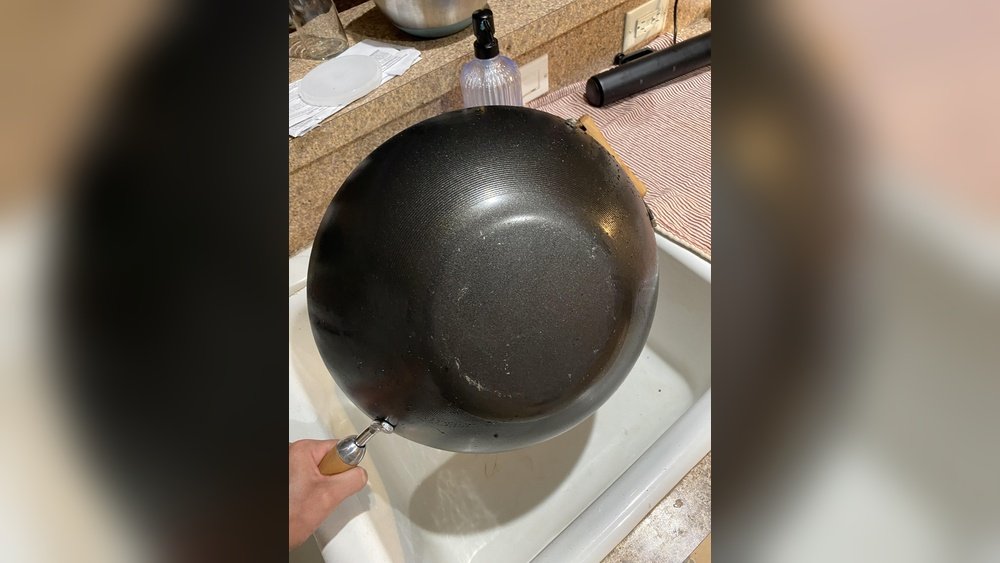
Spotting a non stick pan isn’t always simple at first glance. Many pans look shiny and smooth, but not all have the special coating that makes food slide off easily. If you’re cooking at home or shopping for new cookware, knowing if a pan is non stick can save you frustration, wasted food, and even money.
This guide explores every way to tell if a pan is non stick—whether you have the pan in your hands or you’re looking at a product listing online. You’ll also learn about different types of non stick coatings, care tips, myths, and the small details beginners often miss.
What Makes A Pan Non Stick?
A non stick pan is designed to make cooking and cleaning easier. The surface is coated with a material that prevents food from sticking, even with little or no oil. The most common non stick coating is PTFE, best known under the brand name Teflon. Other types include ceramic, anodized aluminum, and newer plant-based coatings.
Non stick pans became popular in the 1960s. Today, they are found in most kitchens around the world. Non stick cookware is especially useful for eggs, pancakes, fish, and other foods that often stick to traditional pans.
Why You Need To Identify A Non Stick Pan
Knowing if a pan is non stick is important for several reasons:
- Cooking performance: Non stick pans need less oil and make cooking delicate items easy.
- Health and safety: Overheating non stick coatings can be dangerous, so you must recognize them to avoid damage.
- Proper cleaning: Non stick pans must not be scrubbed with abrasive pads.
- Buying decisions: Sellers sometimes use confusing terms—knowing what’s really non stick protects your wallet.
Some people also avoid non stick pans for health or environmental reasons, so clear identification matters.
Visual Clues: How To Tell If A Pan Is Non Stick
Often, you can spot a non stick pan just by looking carefully. Here are the most reliable signs:
1. Surface Appearance
Non stick pans usually have a smooth, slightly shiny surface. The color is often dark gray or black, though ceramic non stick pans are sometimes white or light-colored. The coating may look almost oily, even when clean.
Stainless steel or cast iron pans, in contrast, are often dull, rough, or have visible metal grain. Be careful: some stainless pans are polished and shiny but don’t have the slippery coating.
2. Branding And Markings
Many non stick pans have clear labels or etched markings. Look for words like:
- Non Stick
- Teflon
- PTFE
- Ceramic
- Anodized
Sometimes, the brand stamps “PFOA free” or “No PTFE” on the bottom to show the coating is safe.
3. Color And Uniformity
The coating should look even. If you see spots, scratches, or different colors, the pan may be old or not non stick at all. Most non stick pans are one color across the surface.
4. Rim And Edge Details
Check the edges. Non stick coatings often stop just before the rim, leaving a thin line of exposed metal. This is done to prevent the coating from chipping where the pan meets the lid or your spatula.
The Water Drop Test
If you’re unsure after a visual inspection, try a simple water test:
- Clean and dry the pan.
- Put a few drops of water on the surface.
- Tilt the pan slowly.
On a true non stick surface, water beads up and rolls off easily, often forming small round balls. On regular pans, water tends to spread or flatten out.
This test is not perfect (especially with old pans), but it’s a quick way to check.
The Slide Test (with Food)
For pans you already own, a practical test is to cook something that usually sticks—like an egg.
- Heat the pan with a tiny bit of oil or butter.
- Crack an egg and let it cook a few seconds.
- Try to slide or flip the egg.
If the egg moves freely and flips without tearing, you’re likely using a non stick pan. On regular pans, eggs stick unless you use lots of fat or precise technique.
Types Of Non Stick Coatings
Not all non stick pans are the same. Here’s how to recognize the main types:
Ptfe (teflon)
- Color: Usually dark gray or black
- Feel: Slick and slippery
- Markings: Often says “Teflon” or “PTFE” on packaging or bottom
- Signs of wear: Scratches show light metal underneath
Ceramic
- Color: Often white, light gray, or sometimes blue/green
- Feel: Very smooth but less slippery than Teflon
- Markings: “Ceramic non stick” or “PTFE free”
- Signs of wear: Coating may stain or discolor with age
Anodized Aluminum
- Color: Dark gray, matte or slightly shiny
- Feel: Smooth but sometimes less slick
- Markings: “Anodized” or “Hard anodized non stick”
- Signs of wear: Coating is part of the metal, so chips are less common
Enameled Non Stick
- Color: Can be any color, often glossy
- Feel: Smooth, but not as slippery as Teflon
- Markings: “Enamel” or “Porcelain”
- Signs of wear: Chips expose a different layer underneath
Plant-based Or “green” Non Stick
- Color: Varies, often light or pastel
- Feel: Smooth, sometimes tacky
- Markings: “Eco,” “Green,” “Plant-based non stick”
- Signs of wear: Scratches or peeling if low quality
Each type has unique strengths. PTFE is most slippery, while ceramic is more eco-friendly. Anodized pans are durable, and enamel can look beautiful.
How Non Stick Pans Differ From Other Cookware
Sometimes, pans look non stick but aren’t. Here’s a quick comparison:
| Type | Surface Feel | Coating Color | Weight | Non Stick? |
|---|---|---|---|---|
| Non Stick (PTFE) | Very slippery | Dark gray/black | Light | Yes |
| Ceramic | Smooth | White/light | Light-medium | Yes |
| Stainless Steel | Slightly rough | Shiny silver | Medium | No |
| Cast Iron | Rough or seasoned | Black/brown | Heavy | No (unless seasoned well) |
| Anodized Aluminum | Smooth | Dark gray | Medium | Sometimes |
Common Misconceptions About Non Stick Pans
Many people believe any shiny pan is non stick, or that “seasoned” cast iron is the same. Here are some myths:
- Myth: All black pans are non stick. Some black pans are just painted or seasoned metal.
- Myth: Cast iron is non stick. Only well-seasoned cast iron acts non stick, and it’s not the same as a coated pan.
- Myth: Every “easy clean” pan is non stick. Some manufacturers use this term for pans with smooth metal, not a true non stick coating.
- Myth: Non stick pans last forever. All coatings wear down; non stick pans need replacing after heavy use.
How To Check Product Listings And Packaging
If you’re shopping online or in a store, look for these clues:
- Product description: Should mention non stick, PTFE, or ceramic.
- Manufacturer’s logo: Brands like Tefal, Calphalon, and GreenPan are known for non stick.
- Care instructions: If it says “use only nylon or wooden utensils,” it’s likely non stick.
- Warranty: Some brands offer a limited warranty on the coating.
- Customer reviews: Look for comments about non stick performance.
If the information is missing or unclear, ask the seller directly.
Testing An Unknown Pan At Home
If you inherit a pan or find one at a thrift store, you may not know its type. Here’s how to check safely:
- Visual inspection: Look for smooth, even coating and markings.
- Water drop test: See if water beads and slides.
- Slide test: Cook an egg or pancake with minimal oil.
- Utensil test: Gently run a wooden spatula across the surface. If it feels slick and makes a soft sound, it’s likely non stick.
Avoid using metal utensils or harsh scrubbing until you know for sure.
How To Spot A Worn-out Non Stick Pan
Even the best non stick pans lose their coating over time. Signs of wear include:
- Scratches: If you see metal showing through, the coating is damaged.
- Peeling or flaking: This is a sign the pan is no longer safe.
- Sticky spots: Food begins to stick in certain areas.
- Discoloration: The surface turns brown or white in places.
Cooking with a damaged non stick pan can release particles into your food. Replace the pan if you see these signs.
Caring For Non Stick Pans
Proper care extends the life of your non stick cookware. Here’s what matters most:
- Never use metal utensils: Metal can scratch the coating. Use silicone, wood, or plastic tools.
- Avoid high heat: Most non stick pans are safe up to 400–500°F (about 200–260°C). Higher temperatures can break down the coating.
- Hand wash only: Even if the pan says “dishwasher safe,” hand washing preserves the surface.
- Don’t use abrasive cleaners: Stick to soft sponges.
- Store carefully: Don’t stack heavy pans inside non stick ones.
Non stick pans are not meant for lifetime use. With good care, they can last 2–5 years.

Credit: food.ndtv.com
Differences Between Non Stick And Seasoned Cast Iron
People sometimes confuse seasoned cast iron with non stick pans. Both can cook eggs without sticking, but they’re not the same.
| Feature | Non Stick Pan | Seasoned Cast Iron |
|---|---|---|
| Surface | Chemical or ceramic coating | Natural oil seasoning |
| Stickiness | Very low | Low (if well-seasoned) |
| Durability | 2–5 years | Decades, even generations |
| Care | Gentle washing | Must be dried and oiled |
| Heat tolerance | 400–500°F | 700°F or more |
| Material | Aluminum or steel base | Solid cast iron |
Non stick pans are best for quick, low-fat cooking. Cast iron is better for searing and high-heat cooking.
How To Choose A Non Stick Pan
If you’re buying a new pan, consider:
- Coating type: PTFE is most slippery, ceramic is more eco-friendly, and hard anodized is most durable.
- Thickness and weight: Thicker pans heat evenly and last longer.
- Handle material: Look for riveted or stay-cool handles.
- Oven safety: Some non stick pans can go in the oven, but check the max temperature.
- Size and shape: Pick a pan that fits your stove and most-used recipes.
- Brand reputation: Choose brands with good reviews and clear warranty policies.
Avoid pans that don’t list the coating type or seem very cheap—they may use lower-quality materials.
Non-obvious Signs Beginners Miss
Here are two subtle clues even experienced cooks sometimes overlook:
- Non stick pans often make a softer, “muted” sound when you tap them with a wooden spoon, compared to metal pans which “ring” more.
- The smell test: New non stick pans sometimes have a faint “plastic” or “chemical” smell when first heated. This goes away after a few uses, but it’s a clue you’re using a coated pan.
Are All Non Stick Pans Safe?
Modern non stick pans are much safer than older versions, which sometimes used PFOA, a chemical phased out around 2013. If you buy new pans, look for “PFOA free” on the box.
Still, it’s best not to overheat non stick pans. High heat can break down the coating and release fumes. Always use medium or low heat for frying and never preheat an empty non stick pan.
For more on non stick safety, visit this EPA guide on PTFE and PFOA.
When Not To Use A Non Stick Pan
Some cooking jobs are better with other pans:
- Broiling or oven roasting: High heat can damage the coating.
- Making pan sauces: Stainless steel is best for browning.
- Using metal utensils: Only use them in cast iron or stainless pans.
- Searing steaks: Use cast iron for high temperatures.
Non stick is perfect for eggs, pancakes, fish, and delicate foods.
Environmental Impact Of Non Stick Pans
Non stick pans create less food waste and use less oil, but the coatings are not biodegradable. Old pans should be recycled as metal; never throw them in the regular trash.
Some brands now offer eco-friendly non stick pans with ceramic or plant-based coatings. These are a good choice if you want less impact on the environment.

Credit: cookdinehost.com
Authenticity: How To Avoid Fake Non Stick Pans
Unfortunately, some low-cost brands sell pans as “non stick” without real coatings. To avoid fakes:
- Buy from trusted retailers and brands.
- Check for certifications (e.g., Teflon, PFOA free).
- Read reviews for complaints about sticking or fast wear.
- Examine the surface closely for evenness.
Genuine non stick pans feel different from painted or simply “smooth” pans.
Frequently Asked Questions
How Can I Tell If My Pan Is Non Stick Without Cooking?
Look for a smooth, even coating that feels slippery to the touch. Try the water drop test—if water beads and rolls off easily, it’s likely non stick. Also, check the pan bottom or packaging for markings like “non stick,” “Teflon,” or “ceramic.”
Can A Non Stick Pan Lose Its Non Stick Ability?
Yes. With time, scratches, overheating, and harsh cleaning damage the coating. Food will start to stick, and the surface may peel or discolor. Most non stick pans last 2–5 years with gentle care.
Is A Ceramic Pan Always Non Stick?
Most modern ceramic pans are non stick, but not all. Some ceramic cookware is just glazed for appearance or easy cleaning. Check the box for “non stick” or “PTFE free” to be sure.
Is It Safe To Use A Scratched Non Stick Pan?
No. Scratched or peeling non stick pans can release coating particles into food. It’s best to replace them to avoid health risks.
What’s The Difference Between Non Stick And Seasoned Cast Iron?
A non stick pan has a chemical or ceramic coating that prevents sticking, while seasoned cast iron has a layer of baked-on oil. Cast iron requires special care but lasts longer; non stick pans are easier to use but wear out faster.
Knowing if a pan is non stick helps you cook better, safer, and with less mess. By checking the surface, markings, and performance, you can spot a non stick pan at a glance—or with a simple kitchen test. Whether you’re buying new cookware or sorting your kitchen tools, these tips will help you choose wisely and care for your pans so they serve you well for years.
Credit: www.youtube.com