
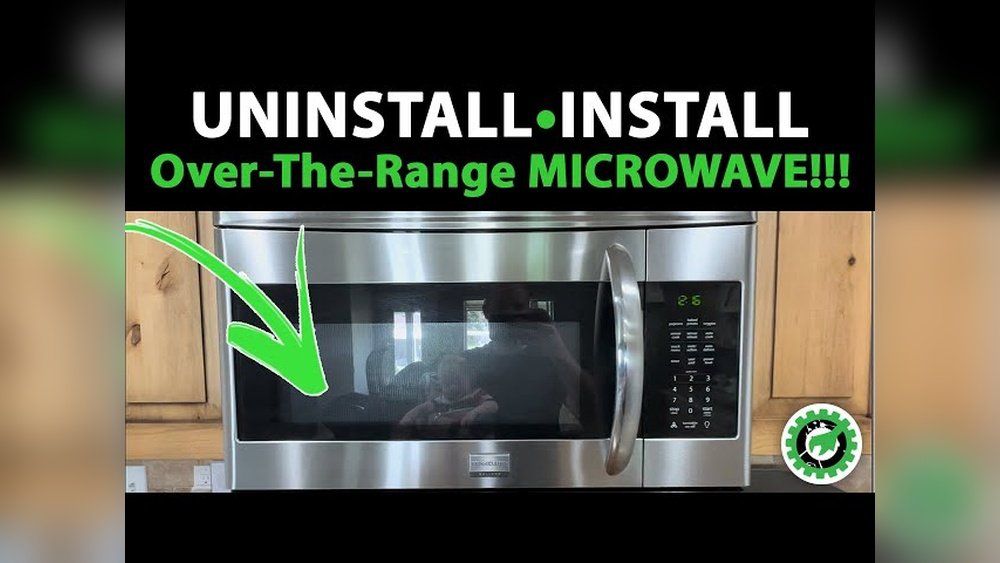
Getting a new Frigidaire microwave can make your kitchen life much easier. These microwaves are known for their reliability, sleek design, and helpful features. But after you bring one home, the next big step is installing it. For many people, installing a microwave might sound tricky, especially if you want to mount it over your range or save counter space. The good news is, with some planning and the right steps, you can install a Frigidaire microwave safely without calling a professional.
This article will walk you through each part of the process. You’ll learn how to prepare your kitchen, gather the right tools, handle the installation step-by-step, and finish with proper testing. Even if you’ve never installed a microwave before, you’ll find the instructions clear and manageable.
I’ll also share tips that most beginners miss, so you can avoid common mistakes and get the job done confidently.
Let’s get started and make sure your new Frigidaire microwave is set up for years of safe, convenient use.
Understanding Your Frigidaire Microwave
Before you start, it’s important to know which type of Frigidaire microwave you have. There are two main types:
- Over-the-range microwaves (OTR)
- Countertop microwaves
Most installations involve over-the-range models because they save space and often include a built-in vent. This guide will focus mainly on over-the-range installation, but I’ll also cover key points for countertop models where it matters.
Key Features To Know
Frigidaire microwaves come with features such as:
- Built-in ventilation: Removes cooking smoke and odors.
- Sensor cooking: Detects steam to adjust power and time.
- One-touch controls: Easy presets for common foods.
- Child lock: Prevents accidental use.
Knowing your model’s features helps during installation, especially when setting up the vent or electrical connections.
Gather The Right Information
Before you begin, write down:
- The model number (usually inside the door)
- The dimensions of the microwave
- The weight (important for mounting support)
- The type of venting (recirculating, external, or ductless)
You’ll find these in the manual or on the Frigidaire website. If you don’t have the manual, you can check Frigidaire’s official support page.
Tools And Materials Needed
Having all your tools ready saves time and reduces stress. Here’s what you’ll need for most installations:
- Drill and drill bits
- Phillips and flathead screwdrivers
- Tape measure
- Stud finder
- Level
- Pencil
- Masking tape
- Socket wrench set
- Ladder or sturdy step stool
- Safety glasses
- Gloves
- Duct tape (for venting, if needed)
- Mounting template (usually included)
- Wall mounting bracket (included with OTR models)
- Toggle bolts or lag screws (for securing bracket)
- Extra person for lifting (microwaves are heavy)
For countertop models, you only need a clear, stable surface and access to a power outlet.

Credit: registerappliance.com
Measuring And Preparing The Space
Proper preparation is a step many skip, but it’s vital for a smooth installation. Here’s how to get your kitchen ready:
Check Your Cabinets And Wall
Most over-the-range microwaves are installed between upper cabinets, above the stove. The most common size is 30 inches wide, but always measure.
- Measure the width of your space. The microwave should fit with at least 1/2 inch clearance on each side.
- Measure the height from the cooking surface to the cabinet bottom. Most codes require at least 30 inches for safety.
- Check the depth to ensure the microwave won’t stick out too far or be blocked by cabinet doors.
- Find wall studs using a stud finder. You’ll need strong support to hold the microwave’s weight.
Clear The Area
Remove any items from your stove, counter, and cabinets above. If possible, unplug your range for safety.
Plan The Power Source
Most Frigidaire microwaves use a standard 120V outlet. The outlet should be in the upper cabinet above the microwave. If you don’t have one, you’ll need an electrician to install it. Never use an extension cord for a permanent installation.
Decide On Venting
Over-the-range microwaves can vent in three ways:
- External venting: Air goes outside through a duct.
- Recirculating (ductless): Air passes through a filter and goes back into the kitchen.
- Vertical or horizontal venting: Check your kitchen’s duct layout.
Your microwave usually comes set up for recirculating. If you want external venting, you may need to adjust the fan and connect ductwork.
Unboxing And Inspecting The Microwave
Carefully open the box and check all parts. Look for:
- The microwave unit
- Mounting bracket
- Mounting template
- Hardware bag (screws, bolts, washers)
- Charcoal or grease filters
- User manual
Inspect the microwave for dents, cracks, or damage. If you find any problems, contact the seller before starting installation.
Using The Mounting Template
Frigidaire includes a paper or cardboard template to help you mark holes for the mounting bracket and top cabinet screws.
- Tape the template to the wall above your range, lining up the center with your stove.
- Mark the holes for the wall bracket and the top support bolts (these go through the cabinet above).
- Double-check your marks with a level.
Many beginners rush this step. Take your time—accurate marks mean your microwave will be level and secure.
Installing The Wall Mounting Bracket
The mounting bracket is the main support for your microwave. Here’s how to install it:
- Hold the bracket against the wall, matching your marks from the template.
- Drill pilot holes for the screws or toggle bolts. Make sure at least one screw goes into a wall stud for strength.
- Attach the bracket with the provided hardware. If you can’t hit a stud, use heavy-duty toggle bolts (included or bought separately).
- Check with a level to be sure the bracket is straight.
If your wall is tile or brick, use a masonry bit and anchors. Double-check the bracket is tight—it will carry most of the microwave’s weight.
Adjusting The Vent System
If your kitchen has an external duct, you’ll need to adjust the microwave’s vent system. This step is often missed by beginners.
- Remove the vent cover on top or back of the microwave (check the manual for your model).
- Rotate or move the blower fan to match your kitchen’s duct direction (vertical or horizontal).
- Secure the fan and replace the cover.
- Attach the duct adapter if needed.
Seal any gaps with aluminum tape—not regular duct tape—to prevent leaks.
Preparing The Upper Cabinet
The cabinet above the microwave needs two things:
- A hole for the power cord
- A hole for the vent (if using external venting)
- Use the template to mark the hole locations.
- Drill a hole (usually 1.5 inches for the cord, 3.5–4 inches for ducting). Use a hole saw for a clean cut.
- Sand rough edges to avoid cutting the cord or duct.
Be careful not to damage the cabinet. If you have lighting or other wires in the cabinet, move them aside.
Lifting And Mounting The Microwave
This is the trickiest part. Microwaves are heavy (often 50–70 pounds), so always get help.
- Lift the microwave with your partner. Tilt the back to hook onto the wall bracket.
- Align the top holes with the cabinet holes.
- Insert the top bolts through the cabinet into the microwave. Tighten securely with a socket wrench.
- Check alignment with a level before fully tightening.
Some models have extra screws or supports—always check your manual.
Mounting Tips
- Place a towel on the range to protect it in case you drop a tool.
- If your bracket doesn’t fit exactly, check if you need to trim or adjust the wall template.
- Don’t overtighten the bolts; you could damage the microwave shell.
Connecting The Vent And Power
With the microwave mounted, finish the connections:
Vent Connection
- Fit the ductwork to the microwave vent. Use aluminum tape to seal the joints.
- Install the vent cover or grille as directed.
- If recirculating, install the charcoal filter inside the microwave.
Power Connection
- Plug in the microwave to the outlet in the upper cabinet.
- Secure the cord so it doesn’t touch any sharp edges or hot parts.
Never use an extension cord for a permanent install. If the cord doesn’t reach, you’ll need to move the outlet or use a different model.

Credit: device.report
Testing The Microwave
Before using your new appliance, check everything:
- Close the microwave door and listen for a solid click.
- Plug in and power on. The display should light up.
- Run a short test: Place a cup of water inside and heat for one minute.
- Check for noise: The fan and turntable should operate smoothly.
- Inspect the vent: If using external venting, feel for airflow at the outside vent.
- Check for leaks: For vented models, use your hand to feel for escaping air at the duct joints.
If anything seems wrong—like sparking, odd smells, or no power—unplug immediately and review your steps.
Final Steps: Clean Up And Safety
Finish by:
- Wiping down the microwave inside and out.
- Replacing filters as needed.
- Securing any loose wires with zip ties.
- Putting items back in your cabinets.
Safety Reminders
- Keep the area above your stove clear—don’t store flammable items near the vent.
- Check the mounting bolts every few months to ensure they’re tight.
- Replace filters every 6–12 months, depending on use.
- Register your microwave with Frigidaire for warranty support.
Installing A Countertop Frigidaire Microwave
If you have a countertop model, installation is much simpler:
- Find a stable, flat surface near a grounded outlet.
- Check the clearance: Leave 3 inches at the sides and back, and 12 inches above for air flow.
- Remove all packing materials from inside and outside.
- Plug in the microwave.
- Run a test with a cup of water.
Do not block vents or stack items on top. Never run the microwave empty.
Common Beginner Mistakes And How To Avoid Them
1. Not Using A Stud
Wall anchors alone are not enough for most microwaves. Always try to secure at least one bracket screw to a stud.
2. Skipping The Template
Guessing hole locations leads to crooked microwaves and extra drilling. Use the template and double-check with a level.
3. Ignoring Vent Direction
If your vent is not set up correctly, you’ll get poor air flow and maybe even smoke or heat damage. Adjust the fan for the right duct direction before mounting.
4. Using The Wrong Screws
Only use hardware rated for the microwave’s weight. Substituting random screws or bolts is risky.
5. Overtightening Bolts
Too much force can crush the microwave’s shell or strip threads. Tighten firmly, but don’t use excessive force.
6. Not Checking Electrical Codes
If you’re unsure about wiring or need to install a new outlet, call a licensed electrician. Faulty wiring is dangerous.
Data Comparison: Over-the-range Vs. Countertop Installation
Here’s a quick comparison to help you see the main differences:
| Feature | Over-the-Range | Countertop |
|---|---|---|
| Installation Time | 1–2 hours | 5–10 minutes |
| Tools Required | Drill, level, bracket, screws | None |
| Weight Support | Wall studs, bracket | Countertop only |
| Venting Options | External or recirculating | Recirculating only |
| Common Size | 30″ wide | Varies |
Practical Tips For A Smooth Installation
- Read the manual first, even if you’ve installed microwaves before. Each model is a bit different.
- Take photos of your wall and cabinet before drilling—this helps if you need to show a pro or return the unit.
- Lay out all parts before starting so you don’t miss a screw or bracket.
- Ask a friend for help—even strong people struggle to lift and align a microwave alone.
- Don’t rush. Most problems come from hurrying through measurements or skipping the template.
Troubleshooting: What If Something Goes Wrong?
Microwave Doesn’t Turn On
- Check the outlet with another device.
- Make sure the cord is plugged in fully.
- Check your home’s breaker box.
Microwave Isn’t Level
- Loosen bolts and adjust carefully.
- Check the wall bracket for errors.
Poor Venting Or Excess Smoke
- Inspect ductwork for blockages or leaks.
- Check that the fan is oriented correctly.
Unusual Noise
- Remove all packing materials inside.
- Make sure the turntable is seated properly.
- Inspect for loose screws or bolts.
If you still have problems, contact Frigidaire support or a qualified installer.
Maintenance After Installation
Your microwave will last longer with regular care:
- Clean the filters every month (washable metal filters).
- Replace charcoal filters every 6–12 months.
- Wipe the interior after spills to prevent odors.
- Check the mounting every 6 months for loose bolts.
- Inspect the vent cover outside your home for blockages.
Real-world Example: Installing A Frigidaire Ffmv1846vs
Let’s look at a popular model, the Frigidaire FFMV1846VS (1.8 cu. ft. over-the-range).
- Check the box: Includes mounting bracket, template, hardware.
- Measure the space: Needs 30” width, 17” height, 16” depth.
- Set up venting: Adjustable for external or recirculating.
- Bracket install: Takes 10–15 minutes if wall is drywall and wood studs.
- Lift and mount: Two-person job, about 5 minutes with care.
- Power up and test: Should heat water in 1–2 minutes.
Most users say the hardest part is holding the microwave while aligning bolts. Taking breaks and checking each step helps.
Table: Checklist For Over-the-range Microwave Installation
Here’s a quick checklist to keep you organized:
| Step | Done? |
|---|---|
| Measured space and checked fit | |
| Located wall studs | |
| Marked holes using template | |
| Installed mounting bracket | |
| Adjusted vent system | |
| Drilled cabinet holes | |
| Lifted and mounted microwave | |
| Connected vent and power | |
| Tested operation | |
| Cleaned area and checked safety |
When To Call A Professional
Some situations are best handled by a pro:
- You need to run new electrical wiring.
- Your wall is concrete, brick, or tile.
- The microwave doesn’t fit and cabinets need modification.
- You’re unsure about venting or code requirements.
A certified installer can finish the job quickly and safely, often for $100–$200.
Frequently Asked Questions
How Long Does It Take To Install A Frigidaire Microwave?
For most over-the-range models, expect 1–2 hours if you have all tools and help. Countertop models take only a few minutes.
Can I Install An Over-the-range Microwave Alone?
It’s not recommended. These microwaves are heavy and awkward to hold. Always have at least one person help to avoid injury or dropping the unit.
Do I Need A Special Outlet For A Frigidaire Microwave?
You need a grounded 120V outlet, usually in the cabinet above. Do not use extension cords. If you need a new outlet, hire an electrician.
What If My Cabinets Are Too Short Or Too Close To The Stove?
Building codes require a minimum distance (usually 30 inches) between the stove and microwave. If your cabinets are too low, you may need to raise or modify them.
How Do I Switch From Recirculating To External Venting?
Remove the microwave’s vent cover, adjust the blower fan direction, and attach ductwork as shown in your manual. Seal all joints tightly with aluminum tape. If you’re unsure, check Family Handyman’s microwave installation guide for detailed diagrams.
Installing a Frigidaire microwave is a rewarding project. With the right tools and careful steps, you’ll have your new appliance working safely and looking great. Take your time, follow each instruction, and don’t hesitate to ask for help if you need it.
Your kitchen will soon be even more convenient and efficient.

Credit: www.youtube.com