
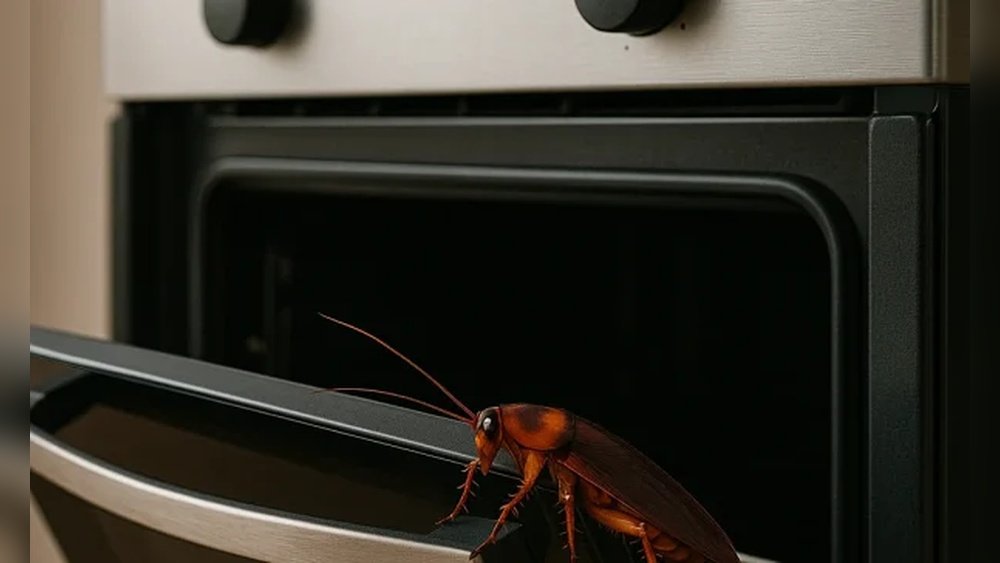
Cockroaches in your kitchen appliances are more than just a nuisance—they’re a serious health risk. When you find these pests hiding in your microwave, refrigerator, coffee maker, or toaster, it’s easy to feel frustrated and even embarrassed. Roaches can spread bacteria, trigger allergies, and ruin the comfort of your home.
But getting rid of them isn’t impossible. With the right steps, you can reclaim your appliances and keep your kitchen safe and clean.
Many people try the usual cleaning tricks but miss the hidden places where roaches love to live. Others use sprays or powders, only to find the problem returns. This guide will show you practical methods that actually work. You’ll learn how to target roaches inside your appliances, prevent them from coming back, and avoid common mistakes that waste time and money.
If you want a kitchen that’s both safe and welcoming, keep reading—you’re about to discover everything you need to know.
Why Roaches Love Kitchen Appliances
Roaches are experts at finding food, water, and shelter. Kitchen appliances are perfect hiding spots for several reasons:
- Warmth: Appliances like microwaves and refrigerators generate heat, which roaches need to survive.
- Darkness: Roaches prefer dark, hidden areas where they can lay eggs and avoid people.
- Food crumbs: Small bits of food often fall into cracks or under appliances, creating an endless buffet.
- Moisture: Dishwashers and refrigerators can leak or collect condensation, which attracts thirsty roaches.
Most people don’t realize how easy it is for roaches to enter appliances. They slip through tiny gaps, vents, or even power cords. Once inside, they multiply quickly. If you see one, there are probably more hidden out of sight.
Signs Of Roaches In Kitchen Appliances
It’s easy to miss the early signs of a roach problem. Here’s what you should watch for:
- Foul odor: Roaches give off a musty, oily smell, especially when they gather in groups.
- Droppings: Look for small, black specks that look like ground pepper inside or under appliances.
- Egg cases: Roach eggs appear as small, brown capsules, often hidden in corners.
- Shed skins: Roaches shed their skins as they grow. These thin, pale casings can collect near nests.
- Actual sightings: If you see a roach running from your microwave or toaster, there are likely more inside.
Catching these signs early makes removal much easier. If you notice any, act fast before the infestation spreads.
Dangers Of Roaches In Kitchen Appliances
Having roaches in your kitchen appliances isn’t just unpleasant—it’s dangerous. Here’s why:
- Disease: Roaches spread bacteria like Salmonella and E. coli. They crawl over food and surfaces, contaminating everything.
- Allergies: Roach droppings and skins can trigger asthma and allergies, especially in children.
- Food safety: Roaches chew through packaging and leave droppings behind, ruining your food.
- Appliance damage: Roaches can chew wires and short-circuit electronics, causing expensive repairs.
Ignoring the problem puts your health and your appliances at risk. That’s why it’s important to take action as soon as you notice any signs.
Preparing To Remove Roaches From Appliances
Before you start cleaning, it’s important to prepare your kitchen. This step is often skipped, but it makes the process much more effective.
- Unplug appliances: For safety, always disconnect appliances from power.
- Clear the area: Move small appliances (like toasters and coffee makers) away from walls. Pull out large ones (like fridges) if possible.
- Gather supplies: You’ll need gloves, a flashlight, cleaning cloths, a vacuum cleaner, and safe cleaning products.
- Plan for waste: Have trash bags ready to remove roach debris, eggs, and droppings.
Many people forget to unplug appliances, which is dangerous and makes deep cleaning harder. Taking these steps first saves time and protects your home.
Step-by-step Guide: Removing Roaches From Common Kitchen Appliances
Roaches hide in different places depending on the appliance. Here’s how to tackle each one safely and thoroughly.
How To Get Rid Of Roaches In A Microwave
Microwaves are attractive to roaches due to leftover food and warmth.
- Unplug the microwave: Always disconnect it from power first.
- Remove the glass tray and clean it separately: Wash with hot, soapy water.
- Vacuum inside: Use a vacuum with a crevice tool to remove roaches, eggs, and droppings.
- Wipe surfaces: Clean all interior and exterior surfaces with a mixture of equal parts vinegar and water.
- Check vents and underside: Roaches love to hide in vent holes and underneath. Clean these areas with a brush and vacuum.
- Let it air out: Leave the door open for several hours. Roaches hate light and will flee.
Non-obvious Tip
Microwave vent holes are often missed. Use a cotton swab dipped in vinegar to clean these. Roaches often lay eggs inside vents.
How To Get Rid Of Roaches In A Refrigerator
Refrigerators can be tricky because of their size and complex parts.
- Unplug and empty the fridge: Place food in a cooler.
- Remove shelves and drawers: Wash these with hot, soapy water.
- Vacuum behind and underneath: Roaches often hide near the compressor because it’s warm.
- Clean door seals and gaskets: Use a toothbrush and soapy water to scrub these.
- Check drip pan: Many fridges have a pan under the unit to catch condensation. This can collect crumbs and water—perfect for roaches. Empty and clean it.
- Wipe all surfaces: Use a disinfectant safe for food areas.
- Leave the fridge open for a while: Let it dry before plugging back in.
Non-obvious Tip
Few people check the fridge’s drip pan. This hidden spot often becomes a major roach nest if ignored.
How To Get Rid Of Roaches In A Coffee Maker
Coffee makers provide warmth, moisture, and food residue.
- Unplug the coffee maker: Remove all detachable parts.
- Clean water reservoir and basket: Wash with hot, soapy water.
- Run a vinegar cycle: Fill the reservoir with equal parts vinegar and water, and run a brew cycle to kill hidden roaches and eggs.
- Clean exterior and underside: Use a brush and vacuum for any crumbs or roach remains.
- Air dry: Let the coffee maker air out before reassembling.
Practical Insight
Roaches may hide in the base or cord area. Check these with a flashlight and clean as needed.
How To Get Rid Of Roaches In A Toaster
Toasters are common hiding spots due to crumbs and warmth.
- Unplug the toaster: Remove the crumb tray.
- Shake out crumbs: Over a trash bin, turn the toaster upside down and gently shake.
- Vacuum crevices: Use a small brush attachment.
- Clean exterior: Wipe with a disinfectant.
- Leave unplugged and open: Roaches dislike air and light.
Practical Insight
Toaster cords can collect grease and crumbs. Wipe cords and the plug carefully.
How To Get Rid Of Roaches In A Dishwasher
Dishwashers provide water and warmth, making them ideal for roaches.
- Unplug or turn off the power: Safety first.
- Remove racks and spray arms: Wash these with hot, soapy water.
- Check and clean filters: Roach eggs can hide here.
- Run a hot, empty cycle with vinegar: This kills bacteria and repels roaches.
- Clean the door seal: Use a toothbrush to scrub away eggs and debris.
Non-obvious Tip
Roaches sometimes nest in the insulation around the dishwasher. If you have a severe infestation, remove the kickplate and check behind it.
How To Get Rid Of Roaches In Ovens And Stoves
These appliances are warm and have many hidden crevices.
- Unplug the oven or switch off at the breaker: Gas ovens should have the gas supply turned off.
- Remove racks and trays: Wash with hot, soapy water.
- Clean under the stove: Pull out the oven to clean the floor and wall behind.
- Vacuum and wipe inside: Use a flashlight to spot droppings or eggs.
- Check control panels and knobs: Roaches often hide here.
Non-obvious Tip
For electric ovens, roaches sometimes live inside control panels. If you see droppings around buttons, consider having a professional open the panel.
Using Roach Baits And Traps In Appliances
Roach sprays are dangerous near food and electronics, but baits and traps can work safely.
Safe Use Of Roach Baits
- Gel baits: Place small amounts in cracks or under appliances, not inside food areas.
- Bait stations: Use sealed stations behind or beside appliances.
- Placement: Roaches eat the bait and bring poison back to the nest, killing others.
Non-obvious Mistake
Do not place baits where you clean regularly. Frequent cleaning will remove the bait before roaches can eat it.
Roach Traps
Sticky traps help monitor infestations. Place them near appliances, but out of the way of pets and children.
Cleaning And Disinfecting After Roach Removal
Roaches leave behind bacteria, droppings, and eggs. Cleaning is just as important as removal.
- Vacuum thoroughly: Use a HEPA filter if possible.
- Disinfect surfaces: Use a kitchen-safe disinfectant on all surfaces.
- Wash removable parts: Run trays, baskets, and shelves through the dishwasher or wash with hot water.
- Dispose of vacuum bags: Seal and throw away outside.
Extra Step For Sensitive Homes
If someone in your home has allergies or asthma, consider wiping surfaces with a diluted bleach solution (1 tablespoon bleach to 1 quart water). Always rinse with clean water afterward.
Preventing Roaches From Returning To Appliances
Killing roaches is only half the battle. Preventing their return is crucial for a lasting solution.
Eliminate Food Sources
- Clean crumbs and spills: Wipe up after every use.
- Store food in sealed containers: Roaches can chew through paper and cardboard.
- Empty trash regularly: Use a trash can with a tight lid.
Remove Water Sources
- Fix leaks: Even a small drip under the sink can attract roaches.
- Dry sinks and counters: Wipe away standing water each night.
- Empty drip trays: Check appliances like refrigerators and coffee makers.
Block Entry Points
- Seal cracks and gaps: Use caulk around walls, floors, and backs of appliances.
- Install door sweeps: Keep roaches from crawling in under doors.
- Check vents and pipes: Make sure all openings are sealed.
Maintain Appliances
- Clean regularly: Schedule deep cleaning at least once a month.
- Move appliances occasionally: Roaches love undisturbed areas.
- Replace damaged seals: Broken gaskets or seals can let roaches in.
Comparing Roach Removal Methods
To help you choose the right approach, here’s a comparison of common roach removal methods:
| Method | Effectiveness | Safety for Appliances | Cost | Recommended Use |
|---|---|---|---|---|
| Manual Cleaning | High (if thorough) | Safe | Low | All appliances |
| Gel Baits | High (over time) | Safe if placed correctly | Moderate | Under/behind appliances |
| Sprays | Medium | Not safe for electronics | Low | Non-food areas only |
| Professional Pest Control | Very High | Safe (with expert) | High | Severe infestations |
When To Call A Professional
Some infestations are too large or hidden for DIY methods. Here’s when to get help:
- You see roaches every day: Daytime sightings mean a large infestation.
- Appliances smell bad or stop working: Roaches can short-circuit electronics.
- Home remedies fail: If cleaning and baits don’t work after two weeks, call an expert.
Professional pest control can use safe, targeted treatments that reach deep into appliances without causing damage.

Credit: 911servicetoday.com
How To Choose A Professional Pest Control Company
Not all pest control services are the same. Here’s what to look for:
- Licensed and insured: Always check credentials.
- Experience with kitchen infestations: Ask about their methods for treating appliances.
- Eco-friendly options: Some companies use non-toxic treatments.
- Guarantee: Choose companies that offer follow-up visits or warranties.
It’s smart to get quotes from several companies and ask about their process. For more information, the US Environmental Protection Agency offers advice on choosing pest control services.
Common Mistakes To Avoid
Many people waste time and money because they don’t know these pitfalls:
- Using sprays inside appliances: Most sprays can damage electronics and contaminate food.
- Skipping deep cleaning: Roaches lay eggs in hidden places. Only cleaning surfaces won’t work.
- Ignoring entry points: If you don’t seal gaps, roaches will return.
- Stopping after one treatment: Roaches multiply fast. Continue cleaning and monitoring for several weeks.
- Forgetting about moisture: Even a little water can keep roaches alive.
Avoiding these mistakes can save you frustration and money.
How To Monitor For Roaches After Cleaning
Even after you’ve cleaned and treated your appliances, it’s smart to keep watch. Here’s how:
- Place sticky traps: Check traps weekly for new activity.
- Inspect appliances monthly: Use a flashlight to check for droppings or egg cases.
- Watch for odors: A sudden musty smell can mean roaches are back.
- Keep a log: Note where and when you see signs. This helps spot patterns.
Early detection prevents a small problem from becoming a big one.
Myths About Roaches In Appliances
Roach problems often lead to myths and bad advice. Let’s clear up a few common misunderstandings:
- “Clean homes don’t get roaches.” Even spotless kitchens can attract roaches if there’s warmth and water.
- “Roaches only live in dirty appliances.” Roaches seek shelter, not just food. Even unused appliances can be infested.
- “Store-bought sprays are enough.” Sprays kill visible roaches but rarely reach eggs or nests.
- “All roaches are the same.” Some species prefer appliances, others like drains or walls. Treatment may vary.
Knowing the facts helps you solve the problem for good.

Credit: www.angi.com
Sample Cleaning Schedule To Prevent Roaches
Keeping roaches out is easier with a routine. Here’s a sample schedule:
| Task | Frequency | Appliances Involved |
|---|---|---|
| Wipe down surfaces and cords | Daily | All |
| Empty crumb trays and clean vents | Weekly | Toaster, microwave, coffee maker |
| Check for leaks and moisture | Weekly | Refrigerator, dishwasher |
| Deep clean and vacuum behind appliances | Monthly | All |
| Inspect for droppings or eggs | Monthly | All |
Using a schedule makes prevention automatic and less stressful.
Frequently Asked Questions
How Do Roaches Get Inside Kitchen Appliances?
Roaches are small and flexible, able to squeeze through gaps around power cords, vents, and even tiny cracks in appliance casings. They are attracted by warmth, darkness, and food crumbs, so it only takes a small opening for them to enter and start nesting.
Can I Use Bug Sprays Inside Appliances?
No, you should never use bug sprays inside or directly on appliances. Most sprays are flammable, can damage electronics, and may contaminate food surfaces. Use gel baits or traps placed near (not inside) appliances instead.
How Long Does It Take To Get Rid Of Roaches In Kitchen Appliances?
If you act quickly and clean thoroughly, most light infestations can be controlled within two to three weeks. Severe infestations may take longer and might require professional help. Consistent cleaning and monitoring are essential to keep roaches away.
Are Roach Baits Safe To Use Around Food Appliances?
Gel baits and sealed bait stations are safe if placed correctly—under or behind appliances, not inside food preparation areas. Always follow the instructions and keep baits away from children and pets.
What Should I Do If Roaches Keep Coming Back?
If roaches return after deep cleaning, sealing gaps, and using baits, there may be a larger infestation in your walls or home. At this point, it’s best to call a licensed pest control professional. They can find hidden nests and use treatments that reach deep into your kitchen’s structure.
Getting rid of roaches in kitchen appliances takes patience and the right strategy. With careful cleaning, prevention, and a little vigilance, you can keep your kitchen safe and roach-free for the long term. Your appliances—and your peace of mind—are worth the effort.

Credit: www.youtube.com