
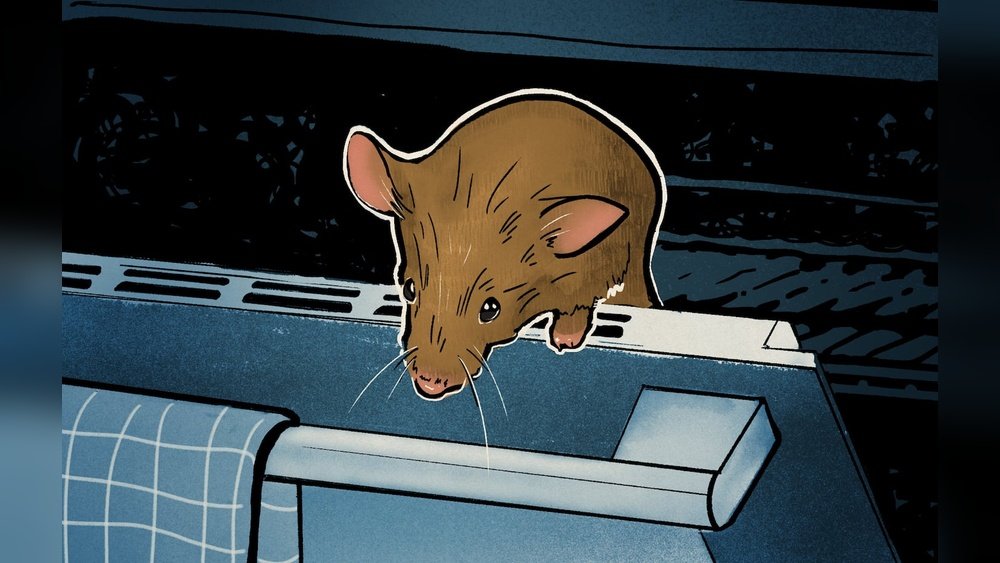
Getting rid of the rat pee smell from your oven is not something you ever expect to deal with. Yet, this problem is more common than you might think, especially if you live in an area where rodents can find their way indoors. That strong, ammonia-like odor is not just unpleasant—it’s also unhealthy. Rat urine carries bacteria, and the smell can make cooking feel impossible. Many people try quick fixes, but the odor often returns, leaving you frustrated and worried about safety.
This guide shows you every step needed to remove the rat urine smell from your oven for good. You’ll learn why the smell is so stubborn, what products and tools really work, and how to deep clean all oven parts safely. Along the way, you’ll discover mistakes beginners make and get expert tips for preventing rats from returning. With clear instructions and practical examples, even first-time cleaners can follow along and restore their oven to a fresh, usable state.
Why Rat Pee Smell Is So Hard To Remove
Rat urine contains urea, proteins, and strong chemicals that break down into ammonia. These compounds soak into oven surfaces, especially if they are left for more than a few hours. The heat from your oven can even bake the smell deeper into metal, seals, and insulation. Unlike regular food spills, rat urine is designed by nature to be persistent—rats use it to mark territory.
Standard kitchen cleaners often mask the smell for a day or two, but they do not break down the source. If you try to cook before fully removing the urine, the smell can get worse and the fumes may be unsafe to breathe.
That’s why a targeted, multi-step approach is needed.
Safety First: Preparing To Clean
Before you begin, protect your health. Rat urine can carry diseases such as leptospirosis and hantavirus. Cleaning without the right precautions can put you at risk.
Essentials for Safe Cleaning:
- Rubber gloves: Prevent direct contact with urine and chemicals.
- Face mask (N95 if possible): Blocks harmful dust and ammonia fumes.
- Old clothes: Urine can splash; wear something you can wash hot or throw away.
- Goggles: Protect eyes from splashes, especially if using strong cleaners.
- Ventilation: Open windows and doors. Set up a fan if needed.
Never use your oven to “burn off” the smell before cleaning. Heating dried rat urine releases dangerous particles. Always clean first.
Assessing The Damage
Before you start scrubbing, examine your oven carefully. The amount of cleaning depends on where and how much rat urine is present.
Areas to check:
- Oven cavity: Look for dried spots, stains, or crystals on the floor and walls.
- Oven racks and trays: Rats often climb on racks, leaving urine or droppings.
- Door seals and gasket: Urine can soak into the rubber seal, trapping odor.
- Under oven: If urine leaked down, the smell may linger underneath.
- Oven insulation: If urine reached the insulation (inside oven walls), it is much harder to remove.
For strong or long-lasting smells, you may need to disassemble the oven or call a professional. If you only see surface stains, thorough cleaning will usually solve the problem.
Materials And Products That Work
Many cleaning products claim to remove odors, but not all are safe or effective for ovens. Choose solutions that break down uric acid crystals and neutralize ammonia, not just cover up smells.
Effective cleaning products:
- Enzyme-based cleaners: These break down organic matter (urine proteins and uric acid) at the source.
- Hydrogen peroxide (3% solution): Kills bacteria and deodorizes.
- Baking soda: Absorbs odors and gently scrubs.
- White vinegar: Neutralizes ammonia and disinfects.
- Dish soap: Removes grease and light urine stains.
- Commercial oven cleaner: Only for metal surfaces, and rinse thoroughly.
What NOT to use:
- Bleach alone: It reacts with ammonia, creating toxic fumes.
- Abrasive pads: Can scratch oven surfaces or damage seals.
- Essential oils: Mask smell but do not remove urine.
Sample comparison of cleaning products:
| Product | Odor Removal | Safe for Ovens | Disinfects |
|---|---|---|---|
| Enzyme Cleaner | Excellent | Yes (rinse well) | Yes |
| Hydrogen Peroxide | Good | Yes | Yes |
| Baking Soda | Moderate | Yes | No |
| Bleach | Poor (dangerous) | No | Yes |
Step-by-step Cleaning: Removing Rat Pee Smell
1. Remove Oven Racks And Accessories
Take out all racks, trays, and anything removable. This gives you full access to clean every surface and prevents spreading urine around during the process.
- Soak racks and trays in a bathtub or large sink with hot water, dish soap, and a cup of white vinegar.
- Scrub after 30 minutes using a non-scratch sponge.
- Rinse well and let air dry outside if possible.
2. Dry Clean Loose Debris
With gloves on, use paper towels or a disposable cloth to pick up any dried urine crystals or droppings. Place them in a sealed plastic bag and throw away immediately. Never vacuum rat urine or droppings; this can send dangerous particles into the air.
3. Pre-treat Urine Stains
Spray any visible stains or spots with an enzyme-based cleaner. Let it sit for at least 15 minutes—longer for older stains. Enzyme cleaners need time to break down the source of the odor.
If you don’t have enzyme cleaner, you can mix a solution of:
- 1 part hydrogen peroxide (3%)
- 2 parts water
- A few drops of dish soap
Apply this with a spray bottle and let it sit for 10-20 minutes.
4. Deep Clean Interior Surfaces
Mix a paste of baking soda and water (about 1/4 cup soda to 2 tablespoons water). Spread the paste on oven walls, floor, and inside door, focusing on stained or smelly spots.
- Let the paste sit for 20-30 minutes.
- Scrub gently with a damp sponge or soft brush.
- Wipe off with a clean, wet cloth.
For tough smells, you can follow up by spraying white vinegar over the baking soda residue. It will fizz—this is normal. Let it bubble for a few minutes, then wipe clean.
5. Clean The Oven Door And Gasket
The gasket (rubber seal) holds odor and is often missed. Spray it with enzyme cleaner or hydrogen peroxide mix and let sit for 10 minutes. Wipe with a damp cloth.
- Check for cracks or deep stains. If the gasket is damaged or very smelly, you may need to replace it.
- Clean the glass with baking soda paste and rinse well.
6. Clean Under And Around The Oven
If you smell urine but can’t see stains inside the oven, check underneath and behind. Rats can leave urine where you do not notice.
- Move the oven if possible (with help).
- Mop the floor with hot water, vinegar, and a small amount of dish soap.
- Wipe the oven’s exterior, especially vents and door edges.
7. Address Oven Insulation (if Needed)
If you still smell urine after cleaning, the problem may be in the insulation inside your oven walls. This is hard to reach and often needs a professional.
- If you are comfortable, unplug the oven and remove the back panel (check your manual).
- If insulation is wet or stained, it must be replaced. This is not a DIY job for most people.
- In some cases, heating the oven after deep cleaning (see next step) will help evaporate light odors from insulation.
8. Final Rinse And Dry
After all surfaces are scrubbed and wiped, do a final rinse with a clean, damp cloth. Remove any cleaner residue, as it can smell when heated and may not be food-safe.
- Leave the oven door open to air out for several hours or overnight.
- Place a bowl of baking soda inside to absorb any remaining odor.
9. “burn Off” Cycle (after Cleaning Only)
Once you are sure all urine is gone, and the oven is dry, you can run a “burn off” cycle to finish.
- Preheat the oven to 400°F (204°C).
- Let it run empty for 30-60 minutes.
- Open windows and run fans to ventilate.
Do not skip proper cleaning and try to burn off urine directly. This step is only for final deodorizing.
Example Cleaning Timeline
| Step | Time Needed | Tools Used |
|---|---|---|
| Remove racks and soak | 30 min (soaking), 5 min (scrub) | Gloves, sink/bathtub |
| Enzyme pre-treat | 15-30 min | Spray bottle, cleaner |
| Baking soda scrub | 30 min (sit), 10 min (scrub) | Sponge, cloth |
| Final rinse and dry | 10 min (wipe), overnight (dry) | Cloth, bowl of baking soda |
| Burn off cycle | 30-60 min | None |
Mistakes To Avoid
Cleaning an oven after a rat urine problem is not like handling a normal kitchen mess. Many first-timers make mistakes that leave the smell behind or even make things worse.
Common mistakes:
- Using only air fresheners: These mask odors but do not remove the source.
- Skipping the gasket and hidden areas: Odor comes back if these are missed.
- Mixing bleach and ammonia: This creates toxic gas.
- Not wearing protection: Even dried urine can carry disease.
- Ignoring insulation: If the smell stays after cleaning, check the insulation.
- Rushing the drying process: Moisture can trap smells and encourage mold.
How To Know When The Smell Is Gone
After cleaning, you should notice a big improvement. But sometimes, a faint odor lingers. Use your senses and be patient.
Signs you succeeded:
- No urine smell after oven has cooled overnight.
- No odor when the oven is preheated.
- Racks, trays, and gasket smell neutral.
- No sticky or greasy residue inside.
If you still smell urine after two thorough cleanings, consider professional help. A trained technician can check for deep insulation problems or help replace parts.
Rat-proofing Your Oven And Kitchen
Removing the smell is only half the battle. Preventing rats from returning is essential. Rats can enter even the cleanest homes, but you can make it much harder for them to get into your oven again.
Steps to keep rats away:
- Seal entry points: Check behind and under the oven, around pipes and vents. Use steel wool and caulk for small holes.
- Store food properly: Keep all food in sealed containers, including pet food.
- Clean up crumbs: Sweep and mop floors, wipe counters, and clean under appliances regularly.
- Use traps if needed: Place snap traps or humane traps near suspected entry points (never in the oven).
- Clear clutter: Rats like hidden spaces. Keep the area around your oven clear.
Quick reference: Where rats most often enter kitchens:
| Entry Point | How to Seal | Risk Level |
|---|---|---|
| Wall vents | Steel mesh, caulk | High |
| Gaps around pipes | Steel wool, foam sealant | Medium |
| Under doors | Door sweeps | Medium |
| Open windows | Screens | Low |

Credit: www.reddit.com
When To Call A Professional
Sometimes, the smell will not go away with home cleaning—especially if urine has soaked into the oven insulation or electrical parts. If you notice any of these signs, get expert help:
- The smell returns even after deep cleaning and burn-off.
- You find wet insulation or cannot access inside panels.
- There is visible mold or damage to oven parts.
- You feel unsafe handling chemicals or disassembling your oven.
Oven repair technicians or appliance cleaning specialists can safely replace insulation and deep clean components. In some cases, it may be more cost-effective to replace an older oven. If you are renting, inform your landlord—they may be responsible for repairs.
Preventing Health Risks
Rat urine is not just a smelly nuisance; it can be dangerous. Even after you clean, always disinfect any surfaces that may have been touched, and wash your hands thoroughly.
Diseases linked to rat urine:
- Leptospirosis: Causes fever, muscle pain, and sometimes organ problems.
- Hantavirus: Can lead to serious lung disease.
- Salmonella: Can be spread by rats’ feet and urine.
If you experience unusual symptoms after cleaning, see a doctor and mention the exposure. For more on rodent-borne diseases, visit the Centers for Disease Control and Prevention.

Credit: www.youtube.com
Non-obvious Tips Most People Miss
- Check your oven’s vent system: Some ovens have vents that connect to external ducts or to the back of the appliance. Rats can leave urine in these spots, and the smell will persist until you clean there too.
- Replace, don’t just clean, badly damaged gaskets: Oven door gaskets are cheap and easy to install for most models. If the rubber is soaked with urine, cleaning will never fully work.
- Test with a neutral nose: After cleaning, ask someone who hasn’t been exposed to the smell to check. Your own sense of smell can get used to odors, making it hard to judge if the problem is gone.
Frequently Asked Questions
How Dangerous Is Rat Urine In My Oven?
Rat urine contains bacteria and viruses that can cause illness. Breathing in particles, especially when heated, is unsafe. Always wear protection when cleaning, and never use the oven until you are sure the smell and residue are gone.
Can I Use Bleach To Remove The Smell?
Do not use bleach alone on rat urine, as it reacts with ammonia and creates dangerous fumes. Use enzyme cleaners, hydrogen peroxide, or baking soda instead. If you do use bleach for final disinfection, rinse thoroughly and never mix with other cleaners.
What If The Smell Comes Back After Cleaning?
If the odor returns, check for hidden urine in insulation, vents, or gaskets. Clean these areas if possible. If the smell persists, call a professional to check or replace the insulation or affected parts.
Is It Safe To Cook In The Oven After Cleaning?
Yes, once all traces of urine and cleaner are removed, and you’ve run a burn-off cycle, it is safe to cook. Always rinse thoroughly and air out the oven to remove any chemical residue.
How Do I Keep Rats From Coming Back?
Seal all holes and entry points in your kitchen, keep food stored in sealed containers, clean up crumbs, and use traps if needed. Regularly inspect the area behind and under your oven for signs of rodent activity.
—
Dealing with a rat pee smell in your oven can feel overwhelming, but with the right steps, you can restore your kitchen safely. Remember: thorough cleaning, patience, and prevention are your best tools. Don’t rush, and never take shortcuts with your health or safety. If the odor proves stubborn, professional help is available. With proper care, your oven will soon be odor-free and ready for safe, delicious cooking again.

Credit: www.youtube.com