
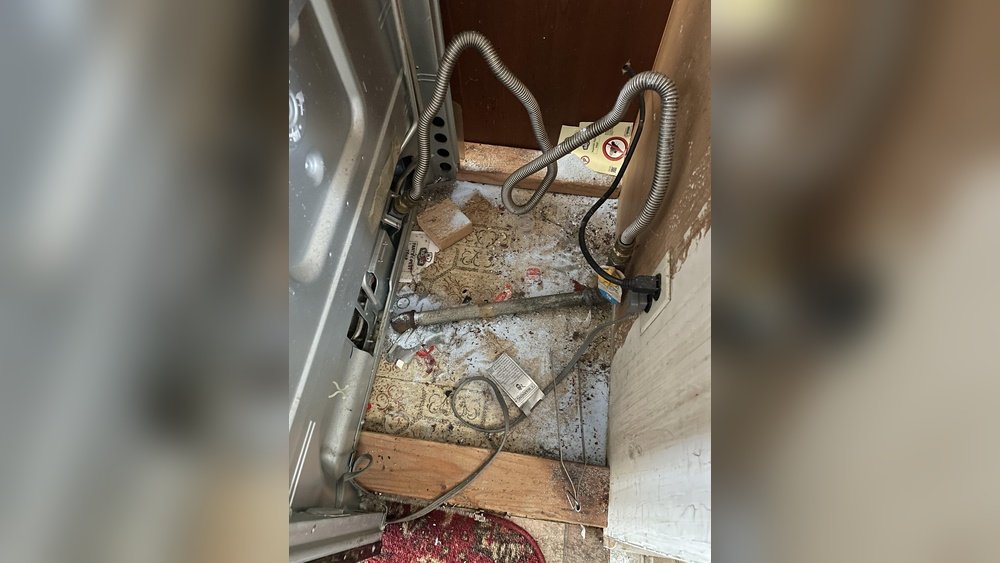
Mice in the kitchen can be both surprising and distressing, but when these small intruders make their way into your stove, the problem becomes even more complicated. The stove is often warm, dark, and full of tasty crumbs—perfect conditions for a mouse nest.
If you’re hearing scratching noises, noticing droppings, or smelling strange odors near your stove, you may have uninvited guests inside. Acting quickly is important, not just for your peace of mind, but for your health. Mice can chew wires, contaminate food, and even cause fires.
This article will guide you through every step of how to get mice out of your stove, prevent them from returning, and safely clean up after them. You’ll also learn what beginners often miss, including hidden entry points and the dangers of quick DIY fixes.
Why Mice Choose Stoves
Mice are always searching for warmth, food, and safety. Modern stoves, whether gas or electric, offer all three. The area under the burners, behind the control panel, and below the oven are common hiding spots. Grease, crumbs, and food spills attract mice.
The warmth from recently used stoves makes them ideal for nesting, especially in colder months. Even if you keep your kitchen clean, stoves are tricky to clean fully, so small bits of food often remain hidden. Understanding this helps you focus your efforts where they matter most.
Many people don’t realize how resourceful mice can be. For example, mice can climb up the back of the stove using wires or pipes as ladders. They may enter through holes made for gas or electrical lines, slipping through openings you might not even see.
If your kitchen has a gap between the stove and the wall or cabinets, this dark, narrow space becomes a highway for rodents.
Another hidden factor is that mice can sense heat and food smells from a distance. If you’ve cooked something with strong odors, like bacon or roasted meat, the scent can attract mice from other parts of the house. They follow these invisible trails straight to your stove, where they find both shelter and leftover grease or crumbs.
Also, the sound and vibration of a working stove do not always scare mice away. Some stoves, especially older ones with poor insulation, can provide both warmth and quiet places to hide while in use. That’s why it’s important to look beyond visible messes and understand the appeal your stove holds for these pests.
Signs Of Mice In Your Stove
Knowing the signs early can save you time and trouble. Look for these clues:
- Droppings: Small, dark, rice-shaped pellets, often found near or inside the stove.
- Noises: Scratching, squeaking, or scurrying sounds, especially at night.
- Odors: A strong, musky smell—mice urine and nesting material.
- Chewed Wires or Insulation: Dangerous for both safety and stove function.
- Gnaw Marks: On stove knobs, inside the oven, or around gaps.
- Nesting Material: Shredded paper, fabric, or insulation found in or behind the stove.
You may also notice food items moved or chewed, especially if you store snacks nearby. For instance, pasta, rice, or even pet food can attract mice if kept too close to the stove. Mice are known to chew through plastic packaging to reach food, so holes in bags or boxes near your stove can be a warning sign.
Don’t ignore these signs. Even a single mouse can multiply quickly—one female can have up to 60 babies per year. A few droppings or a faint odor may seem minor, but these are early warnings. Mice are good at hiding, and by the time you see one, there may already be several living in your kitchen.
Some beginners overlook greasy smears or streaks along the sides of the stove or wall. These are caused by the oils on mice fur and can be an indicator of established activity. Check the back panel or under the bottom drawer for these marks if you suspect mice.
Immediate Steps When You Discover Mice
Finding mice in your stove can be alarming. Here’s what to do first:
- Do Not Use the Stove: Using it could harm the mice, but also risk fire if wires are damaged or nests are present.
- Unplug the Appliance: If possible, disconnect the stove from power or shut off the gas supply.
- Keep Food Secure: Store all food in sealed containers and clean up crumbs or spills right away.
- Limit Access: Close doors to the kitchen and block gaps under doors to prevent mice from spreading.
Many people rush to set traps without making the area safe. Take a few minutes to remove these risks before starting your main cleanup.
It’s also wise to inform everyone in your household so they don’t accidentally use the stove. If you have children or pets, make sure they stay away from the area, especially during the cleanup and trapping process. Place a visible note on the stove as a reminder.
This extra step can prevent accidents and helps keep everyone safe.
Another common oversight is forgetting to shut off the gas line if you have a gas stove. Even a small mouse nest or chewed wire could cause a leak or fire hazard. Always err on the side of caution and check all connections before moving the stove.
How To Safely Remove Mice From Your Stove
Dealing with mice in your stove requires patience and care. Rushing the process can be dangerous. Follow these steps for the best results.
1. Pull The Stove Away From The Wall
Mice often enter stoves from behind. Carefully move your stove forward to reach the back. Most stoves are heavy, so ask for help if needed. Be cautious not to damage gas lines or power cords.
If your stove is built-in or very heavy, you may need to remove the bottom drawer or access panel instead. Always use a flashlight and check for signs of movement before reaching in. Mice can be startled and may try to escape when exposed.
2. Identify Entry Points
Look for holes, gaps, or cracks in the wall, floor, or around gas pipes and electrical cords. Mice can squeeze through spaces as small as a dime. Use a flashlight for better visibility.
Don’t just check the obvious places. Mice are skilled at finding hidden routes. Use a small mirror to see behind pipes and under cabinets. Look for insulation that has been chewed or pulled out—this often marks a hidden entry point.
Sometimes, entry points are not in the kitchen at all. Mice may travel through walls or floors from other rooms. If you live in an apartment or share walls with neighbors, ask if others have had similar problems.
3. Place Traps Strategically
Choose the right trap for your situation. Common options are:
- Snap Traps: Quick and effective, but must be placed safely to avoid pets and children.
- Electric Traps: Kill mice instantly, reusable, and easy to clean.
- Live Traps: Capture mice for release outside. Not always effective, as mice can return.
- Glue Traps: Not recommended due to cruelty and risk to pets.
Place traps along walls, behind the stove, and near entry points. Use peanut butter or chocolate as bait—mice love these. Try to set traps where mice travel, such as along the wall or in dark corners. Avoid placing traps in open areas, as mice prefer to move along edges.
If you have a stubborn infestation, try using two types of traps at once. For example, pair snap traps with live traps to increase your chances. Change bait every two days if you don’t catch anything—mice are cautious and may avoid traps with old smells.
Trap placement is a key step beginners often rush. Take your time to observe mouse activity—look for droppings, greasy marks, or chewed items to guide your placement.
| Trap Type | Effectiveness | Safety | Reusability |
|---|---|---|---|
| Snap Trap | High | Medium (keep from pets) | Yes |
| Electric Trap | High | High | Yes |
| Live Trap | Medium | High | Yes |
| Glue Trap | Low | Low | No |
4. Remove Nesting Materials
Wear gloves and a mask. Mice nests carry bacteria and viruses. Carefully collect any shredded material you find under, inside, or behind the stove. Place in a sealed bag for disposal.
Look for nests in less obvious spots, such as inside the oven insulation, under the bottom drawer, or behind the stove’s back panel. If you find nesting material that is still warm or has babies, act with extra care. If you’re not comfortable, call a pest professional.
Removing all nesting material is important. Even a small amount left behind can attract new mice. Use a flashlight to double-check every corner, especially in hidden spaces.
5. Clean Up Droppings And Urine
Do not sweep or vacuum mouse droppings directly, as this can send harmful particles into the air. Instead, spray droppings and urine areas with a disinfectant or a bleach solution (1 part bleach to 9 parts water). Let it sit for 5 minutes, then wipe with paper towels.
Dispose of used towels in a sealed bag.
Repeat cleaning in all areas where you found evidence of mice. If droppings are dried and stuck, soak them well before wiping. Wash your hands thoroughly after removing gloves. If you have allergies or breathing problems, ask someone else to help with this step.
6. Repair Entry Points
Once you are sure all mice are removed, seal all entry points. Use steel wool and caulk for small holes; mice cannot chew through steel wool. For larger gaps, use metal flashing or hardware cloth. Don’t forget to check under cabinets and around pipes.
An advanced tip: after sealing, rub a bit of peppermint oil or another strong scent around entry points. This can help discourage new mice while the sealant sets.
7. Reconnect And Test The Stove
Before plugging in or turning on the stove, inspect all wires and connections for damage. If you see any chewed wires, call a professional for repairs. Test the stove for proper function before cooking again.
If the stove smells strange when turned on, or if you notice smoke, sparks, or odd noises, turn it off immediately and seek help. Don’t risk using a damaged appliance.

Credit: www.terminix.com
Deep Cleaning After Mice
Mice can leave behind dangerous germs like salmonella and hantavirus. Deep cleaning is essential for your health.
Step-by-step Stove Cleaning
- Remove All Removable Parts: Take out burners, drip pans, oven racks, and knobs.
- Soak in Hot, Soapy Water: This removes grease and bacteria. Rinse and dry thoroughly.
- Clean Inside the Oven: Use a commercial oven cleaner or a paste of baking soda and water. Avoid harsh chemicals that can leave residue.
- Wipe Control Panels: Use disinfectant wipes, but never spray directly onto electronics.
- Clean Under and Behind: Mice often travel behind and under the stove. Mop the floor with disinfectant.
- Disinfect Surfaces: Finish by wiping all surfaces, including handles and knobs, with disinfectant.
Tip: Always wear gloves and a mask during cleanup.
If your oven has a self-cleaning feature, use it after removing all droppings and nests. The high heat can help kill germs, but you must still clean up physical debris first. For electric stoves, check under the drip pans for hidden messes.
For gas stoves, inspect the pilot light area and gas jets for blockages.
Don’t forget to clean nearby cabinets, walls, and the floor. Mice often leave urine trails as they travel. If the smell persists after cleaning, use an enzyme-based cleaner designed to break down organic odors. These products are more effective than regular soap and will help remove the scent trails that attract more mice.
How Mice Affect Your Appliance
Mice can damage insulation, chew wires, and block vents with nesting material. This can lead to:
- Fire hazards
- Broken burners or controls
- Foul smells from urine or droppings
- Reduced appliance life
If you notice strange behavior after cleaning, such as sparks or uneven heating, have a technician inspect the stove.
One detail often missed is that mouse urine can soak into insulation and be impossible to remove fully. If your stove or oven continues to smell bad despite cleaning, you may need to replace insulation or call a repair service.
In rare cases, replacing the appliance is the safest choice.
Preventing Mice From Returning
Keeping mice out is easier than dealing with an infestation. Here are effective steps:
1. Seal All Entry Points
Check for gaps around pipes, wires, and walls. Mice can fit through very small spaces, so be thorough. Use the right materials—steel wool, caulk, or metal mesh.
Check these areas every few months, especially after home repairs or weather changes, as gaps can reopen over time.
2. Store Food Properly
Use sealed containers for grains, pet food, snacks, and baking supplies. Don’t leave food out overnight.
If you have an open pantry, consider adding door sweeps or using airtight bins. Pay special attention to storing items like flour, sugar, and rice, as mice are attracted to these foods.
3. Keep The Kitchen Clean
Wipe counters, sweep floors, and clean up spills right away. Pay special attention to the area under and behind appliances.
Move appliances occasionally to clean underneath. Crumbs and grease can build up in hidden spots, attracting mice without you realizing.
4. Remove Clutter
Mice love hiding in stacks of paper, boxes, or bags. Keep kitchen and pantry areas neat.
Don’t forget areas like the space under the sink, where cleaning supplies or old bags may pile up.
5. Set Monitors
Leave a few traps (unset) in hidden places as a warning system. If you notice bait missing or signs of gnawing, act quickly.
Check these monitor traps weekly. Early warning helps you stop an infestation before it grows.
6. Use Natural Deterrents
Some smells drive mice away. Try placing cotton balls soaked in peppermint oil behind the stove and in cabinets. Mice dislike the scent and may stay away.
You can also use cloves, ammonia, or commercial rodent repellents, but always keep these out of reach of children and pets.
7. Trim Outdoor Access
Keep shrubs and branches trimmed back from the house. Seal gaps in foundations and around exterior doors.
Outdoor maintenance helps prevent mice from finding entry points at ground level or through windows.
| Prevention Step | Effectiveness | Cost |
|---|---|---|
| Seal Entry Points | Very High | Low |
| Store Food in Containers | High | Low |
| Natural Deterrents | Medium | Low |
| Trim Outdoor Access | Medium | Low |

Credit: lifehacker.com
When To Call A Professional
Sometimes, mice problems are too big for DIY solutions. Call a pest control professional if:
- You find large nests or multiple mice
- Mice keep returning after your efforts
- You see chewed wires or gas lines
- There is a strong, persistent odor
Professionals have tools and knowledge to deal with infestations safely and permanently. They can also offer advice on repairs and future prevention.
Many pros use baits, traps, and sealing techniques that are not available to the public. If you live in a multi-unit building, professionals can coordinate efforts with your neighbors to stop the problem at the source.
If you’re concerned about chemicals or have pets, let the pest control company know. Many offer pet-safe or eco-friendly options.
Common Mistakes To Avoid
Many people try to solve mice problems quickly, but some mistakes make things worse:
- Using Poison Inside the Stove: Mice may die in hard-to-reach places, causing odor and bacteria.
- Ignoring Entry Points: Trapping mice without blocking holes leads to endless cycles.
- Cleaning Without Protection: Direct contact with droppings or urine can cause illness.
- Relying Only on Ultrasonic Devices: These may help but are not a full solution.
- Failing to Clean Properly: Mice leave pheromones that attract others if not removed.
A careful, thorough approach is always better.
Some people also try homemade traps or repellents that don’t work well. For example, using mothballs or strong-smelling cleaners may only drive mice to another part of your kitchen instead of removing them.

Credit: www.youtube.com
Advanced Tips For Persistent Problems
If you keep having mice issues, consider these advanced strategies:
- Inspect Other Appliances: Mice may also enter dishwashers, refrigerators, or microwaves.
- Check for Leaks: Mice need water. Fix dripping pipes or standing water near the stove.
- Install Door Sweeps: Small gaps under doors are easy entryways.
- Use Motion-Activated Lights: Mice prefer dark, quiet places. Sudden light can scare them away.
- Monitor for Droppings Regularly: Quick action at the first sign keeps problems small.
Many homeowners miss these extra steps, allowing mice to return.
You can also try using a night-vision camera or baby monitor to spot mouse activity in hidden areas. This helps you find their favorite routes and hiding places for better trap placement.
If you have an older home, consider a professional inspection for hidden cracks in the foundation or walls.
Health Risks Of Mice In The Kitchen
It’s not just about nuisance—mice carry serious health risks. Their droppings, urine, and fur can spread diseases such as:
- Salmonella
- Hantavirus
- Leptospirosis
- Allergic reactions
Children, elderly people, and those with weak immune systems are at higher risk. Clean up thoroughly and act quickly at the first sign of mice.
Remember, even breathing in dust from dried droppings or nests can be dangerous. Always wear a mask, and keep affected areas closed off during cleanup. After handling mice or contaminated items, wash hands and exposed skin well.
If anyone in your home develops fever, stomach upset, or breathing problems after a mouse encounter, seek medical attention promptly.
Comparing Diy Vs. Professional Mouse Removal
Should you do it yourself or call in experts? Here’s a comparison to help you decide:
| Method | Cost | Speed | Effectiveness | Best For |
|---|---|---|---|---|
| DIY | Low | Medium | Good (small infestations) | 1-2 mice, single nest |
| Professional | Medium-High | Fast | Very High (all sizes) | Large infestations, repeat problems |
If you are unsure, many pest control companies offer free inspections.
One advanced tip: after professional treatment, ask for a written report. This helps you track repairs or actions taken and can be useful if mice return later.
What Beginners Often Miss
Even careful homeowners make mistakes when dealing with mice in stoves. Here are two insights most people overlook:
- Hidden Entry Points: Mice often enter through tiny cracks behind cabinets or in the floor. Inspect with a flashlight and a mirror.
- Leftover Scents: Even after cleaning, pheromones left by mice attract others. Use enzyme cleaners, not just regular soap, to remove these invisible trails.
Another detail: Mice are persistent. If your kitchen is attractive, they will keep trying new entry points. Continue to check for new holes every few weeks, especially after weather changes or home repairs.
Addressing these details can make the difference between a one-time problem and a recurring headache.
Frequently Asked Questions
How Do I Know If Mice Are Still Inside My Stove?
If you continue hearing noises, find fresh droppings, or smell urine, mice may still be present. You can place a small, unset trap with bait inside the stove overnight. If the bait is taken or moved, mice are still active.
Also, look for new gnaw marks or shredded material. Mice are active at night, so check in the early morning for new evidence.
Is It Safe To Use My Stove After Finding Mice?
Only use your stove after a full inspection and cleaning. Check for chewed wires or insulation, and remove all nests and droppings. If you are unsure, have an appliance technician inspect it before using it again.
If you smell burning or see smoke, turn off the stove and unplug it immediately.
What Is The Best Bait For Mouse Traps In The Kitchen?
Peanut butter is highly effective, as are pieces of chocolate or oatmeal. Avoid cheese—despite common belief, it is not the best bait. Use small amounts to avoid feeding the mice without trapping them.
Try different baits if mice avoid your traps. Sometimes, a mix of peanut butter and oats works well.
Can Mice In The Stove Make Me Sick?
Yes, mice carry bacteria and viruses that can contaminate your food and air. Diseases like salmonella and hantavirus are real risks. Always wear protection when cleaning up after mice.
Keep children and pets away during the cleanup process.
Where Can I Learn More About Safe Rodent Control?
For more detailed guidance, visit the Centers for Disease Control and Prevention (CDC) website. They offer expert resources on safe rodent control and cleanup.
Getting mice out of your stove takes time, patience, and attention to detail. By following these steps, you protect your home, your health, and your peace of mind. Stay alert for early signs, act quickly, and don’t hesitate to seek help if the problem is too big to handle alone.
A mouse-free kitchen is possible with the right approach.