
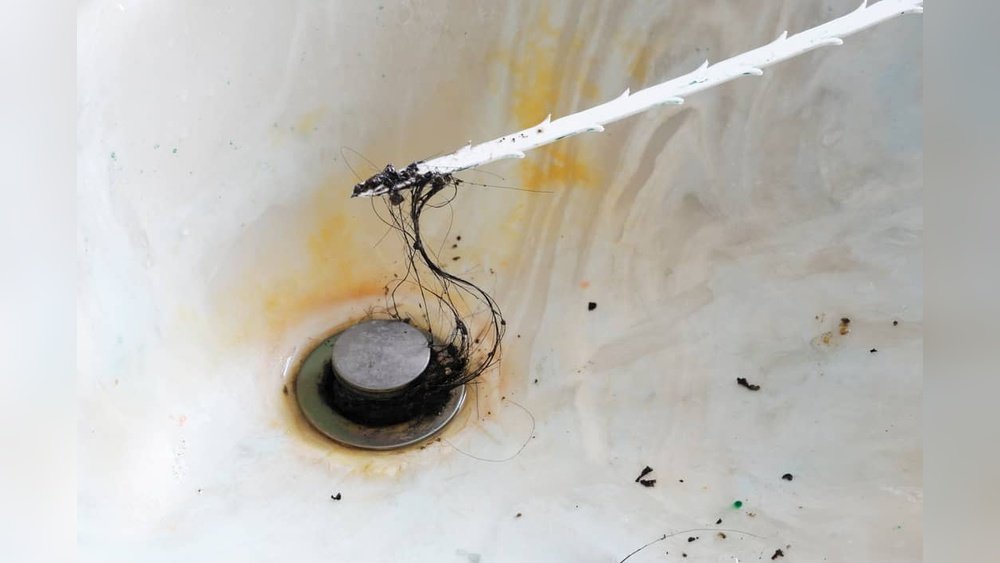
If you have ever noticed water draining slowly from your sink, or a bad smell coming from the bathroom, there’s a good chance hair is stuck in the drain. Hair clogs are one of the most common plumbing problems in homes. They make everyday tasks frustrating and can even damage pipes if left untreated. But the good news is that you do not always need a plumber. With a few simple tools, clear steps, and the right technique, you can remove hair from your sink drain and keep your bathroom running smoothly.
Many people try to fix the problem with harsh chemicals or guesswork. This can make things worse, harm your pipes, or even be dangerous for your health. In this guide, you will learn practical ways to get hair out of a sink drain—safely, easily, and effectively.
We’ll cover everything from basic hand removal to advanced cleaning, plus how to prevent future clogs. You’ll also find tables comparing tools and homemade solutions, so you can pick the method that works best for your situation. By the end, you’ll feel confident in dealing with hair clogs, and your sink will drain like new.
Why Hair Clogs Sink Drains
Hair clogs are a headache for almost every household. But why does hair block drains so easily? When you wash your hair, loose strands fall into the sink. Hair is thin but strong, and it does not dissolve in water. Over time, these strands wrap around the drain stopper or inside the pipe, catching soap, toothpaste, and dirt. This mix forms a sticky, tangled mess that blocks water flow.
Long hair, shaving, and even pet hair can all add to the problem. In homes with children or pets, the amount of hair can double. Once stuck, clogs quickly get worse as more debris collects. The result? Slow drains, standing water, bad smells, and sometimes even leaks.
The key is to remove hair early—before it causes bigger issues.
Signs Of Hair In Your Sink Drain
It’s not always easy to see what’s happening in your pipes. But there are clear signs that hair is blocking your drain:
- Slow draining: Water pools and drains more slowly than usual.
- Gurgling sounds: You hear bubbling as water tries to get past the clog.
- Bad smells: Trapped hair and soap can start to rot, causing odors.
- Standing water: Water sits in the sink for minutes, or won’t drain at all.
- Frequent clogs: The problem keeps coming back even after you clear the surface.
If you notice any of these, it’s time to take action before the blockage gets worse.
Essential Tools And Materials
Before you start, gather the right tools. Having the correct items makes the job easier and safer. Here are the most common tools and materials for removing hair from a sink drain:
- Rubber gloves: Protects your hands from dirt and bacteria.
- Plastic hair removal tool: These are long, flexible strips with barbs. They reach deep into drains to pull out hair.
- Wire hanger: A simple DIY option if you don’t have a special tool.
- Plunger: Creates suction to dislodge clogs.
- Drain snake (auger): For deeper or stubborn clogs.
- Bucket: Catches dirty water if you need to remove pipes.
- Old toothbrush or scrubbing brush: Cleans around the drain opening.
- Screwdriver or wrench: For removing the drain stopper if needed.
- Baking soda and vinegar: Safe, natural cleaning solution.
- Boiling water: Helps break down soap and grease.
Not all tools are required for every method. The table below compares the most popular hair removal tools for sink drains:
| Tool | Effectiveness | Cost | Skill Level | Reusable? |
|---|---|---|---|---|
| Plastic Hair Removal Tool | High | Low ($3–$7) | Easy | No (mostly single-use) |
| Wire Hanger | Medium | Free (DIY) | Moderate | Yes |
| Drain Snake | Very High | Medium ($10–$30) | Moderate | Yes |
| Plunger | Medium | Low ($5–$15) | Easy | Yes |
Step-by-step Methods To Remove Hair From A Sink Drain
There are several ways to get hair out of a sink drain. The right method depends on how bad the clog is, what tools you have, and how comfortable you are with simple repairs. Here are the most effective ways, from easiest to most advanced.
1. Remove Hair By Hand
If hair is visible near the drain, you can often pull it out by hand. This is the quickest way and often solves minor clogs.
How to do it:
- Put on rubber gloves for hygiene.
- Remove the drain stopper if you have one. Most pop-up stoppers can be lifted or twisted out.
- Use your fingers to grab and pull out the hair. An old toothbrush can help scrape away sticky debris.
- Rinse the drain with hot water.
Tip: If the stopper does not come out easily, check under the sink. Some stoppers are held by a small lever or clip that can be loosened by hand or with a wrench.
Beginner insight: Many people forget to clean both the stopper and the inside of the drain. Both can hold hair. If you only clean what you see, the problem may return quickly.
2. Use A Plastic Hair Removal Tool
Plastic drain tools are long, flexible strips with tiny hooks. They are made just for pulling hair out of drains. These tools are cheap, easy to use, and sold in most hardware stores.
How to use:
- Slide the tool down the drain as far as it will go.
- Twist and move it up and down to catch hair.
- Pull the tool out slowly. Hair and debris should come with it.
- Repeat a few times until it comes out clean.
- Rinse the drain with hot water.
Practical tip: If you do not have a hair removal tool, straighten a wire hanger, bend one end into a small hook, and use it the same way. Be careful not to scratch the pipe.
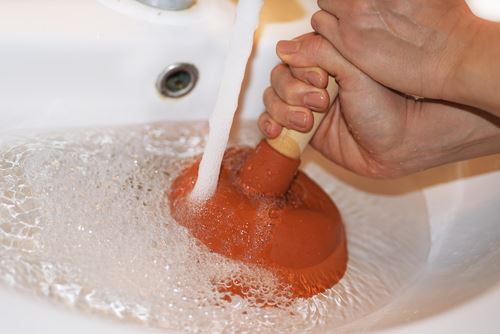
3. Try A Plunger
A plunger is not just for toilets. It can also help loosen hair clogs in sink drains. The suction force pulls hair and debris up, making it easier to remove.
Steps:
- Fill the sink with enough water to cover the drain.
- Place the plunger over the drain and press down to create a seal.
- Pump up and down quickly for 20–30 seconds.
- Remove the plunger and check if water drains.
- If not, try again or switch to another method.
Common mistake: Do not use a plunger if you have already poured chemicals into the drain. Splashes can be dangerous.
4. Use A Drain Snake (auger)
A drain snake is a flexible metal tool that goes deep into the pipes. It works well for tough clogs that are out of reach.
Instructions:
- Insert the snake into the drain and turn the handle.
- Push gently, feeling for resistance (the clog).
- Twist and push to break up or grab the hair.
- Pull the snake out slowly, cleaning off hair as you go.
- Run hot water to flush out loosened debris.
Beginner insight: Do not force the snake. If it gets stuck, slowly turn and pull it back. Forcing can damage the pipe.
5. Remove And Clean The Drain Trap (p-trap)
If you have tried the above and your sink is still blocked, the hair may be stuck in the P-trap (the curved pipe under the sink). Removing it takes more effort but is sometimes necessary.
How to clean the trap:
- Place a bucket under the trap to catch water.
- Use a wrench or your hands to unscrew the slip nuts at both ends of the trap.
- Remove the trap and shake out hair and debris.
- Clean inside with a brush or old toothbrush.
- Reattach the trap, making sure the seals are tight.
- Run water to check for leaks.
Safety note: Always check for leaks after putting the trap back. A loose seal can cause water damage.
6. Natural Drain Cleaning Solutions
If you prefer not to use commercial chemicals, baking soda and vinegar is a safe and effective option. This method helps dissolve soap and loosen hair, especially if the clog is not severe.
Steps:
- Pour 1/2 cup baking soda down the drain.
- Add 1/2 cup white vinegar.
- Cover the drain and let it fizz for 15–30 minutes.
- Flush with boiling water to clear the mixture and debris.
Practical tip: This method is safe for most pipes but not always powerful enough for very thick clogs.
7. Enzyme-based Drain Cleaners
Enzyme cleaners are a good choice if you want to avoid harsh chemicals. They use natural bacteria to break down hair and organic matter.
- Follow the instructions on the product label.
- Usually, pour the liquid into the drain and leave it overnight.
- Flush with hot water.
Note: Enzyme cleaners work slowly. They are best for mild clogs and regular maintenance.
8. Chemical Drain Cleaners (use Caution)
If nothing else works, chemical drain cleaners can dissolve hair. But they should be a last resort. These products are powerful, but can damage pipes, harm the environment, and be unsafe if used incorrectly.
If you use one:
- Read and follow all instructions carefully.
- Wear gloves and protect your eyes.
- Never mix chemicals or use in combination with plungers or other cleaners.
- Ventilate the area well.
- Rinse with lots of water afterward.
Important: Never use chemical cleaners if your pipes are old, damaged, or made of plastic. They can cause leaks and expensive repairs.
9. Wet/dry Vacuum
A wet/dry vacuum can sometimes suck out hair clogs. This method is less common but effective for stubborn blockages.
How to do it:
- Set the vacuum to liquid mode.
- Seal the hose over the drain opening.
- Turn on the vacuum to create strong suction.
- Check if hair or debris is pulled out.
Warning: Do not use a regular household vacuum. Water can damage it and cause electric shock.
10. Professional Help
If you have tried all home methods and your sink is still blocked, or water backs up into other drains, it’s time to call a licensed plumber. Some clogs are deep in the pipes or caused by bigger problems like tree roots or collapsed pipes.
Professional plumbers have special tools and cameras to find and remove tough clogs. It is safer and cheaper in the long run if you feel unsure or the problem keeps coming back.
Credit: www.smithsplumbingservice.com
Comparing Drain Cleaning Methods
To help you choose the best method for your situation, here’s a side-by-side look at common drain cleaning methods and when to use each:
| Method | Best For | Time Required | Risks |
|---|---|---|---|
| Hand Removal | Visible clogs, quick fixes | 5–10 min | Low (gloves advised) |
| Plastic Tool / Wire Hanger | Shallow hair clogs | 10–15 min | Low |
| Plunger | Soft clogs, not deep ones | 5–10 min | Can splash dirty water |
| Drain Snake | Deep or stubborn clogs | 15–30 min | Pipe scratches if misused |
| Baking Soda & Vinegar | Light, fresh clogs | 30–40 min | Rarely causes problems |
| Chemical Cleaners | Only as last resort | 15–30 min | Pipe, health, and eco risks |
| Remove P-Trap | Clogs stuck in trap | 20–40 min | Leaks if not reattached properly |
Preventing Hair Clogs In Sink Drains
Fixing a clog is good, but preventing one is even better. Here are proven ways to keep hair out of your sink drain:
- Use a drain screen: A small mesh strainer catches hair before it enters the pipe. Clean it every few days.
- Clean the stopper weekly: Wipe or brush off hair and debris before it builds up.
- Flush with hot water: Pour a kettle of boiling water down the drain once a week to dissolve soap and grease.
- Brush hair before washing: This removes loose hair so less falls into the sink.
- Limit use of heavy products: Thick creams, oils, and toothpaste can stick to hair and make clogs worse.
- Monthly baking soda flush: Pour 1/2 cup baking soda followed by hot water to keep pipes clear.
Extra insight: Many people forget about the bathroom sink if the main shower drain is clear. But hair from shaving, brushing, and styling can build up fast in small sink drains.
Why You Should Avoid Chemical Drain Cleaners When Possible
Chemical drain cleaners are easy to find, but they are not always the best solution. Here’s why:
- Pipe damage: Over time, harsh chemicals can eat away at plastic or metal pipes.
- Health risks: Fumes can irritate eyes and lungs. Splashes can cause burns.
- Environmental harm: These chemicals can pollute water supplies and harm wildlife.
- Temporary fix: Chemicals may dissolve part of the clog but leave hair behind, causing repeat problems.
Natural or mechanical methods are safer for your plumbing and health. Use chemicals only as a last option.
Common Mistakes To Avoid
Removing hair from a drain seems simple, but some common errors can make things worse:
- Forcing tools: Pushing too hard with a snake or hanger can break or damage pipes.
- Mixing cleaners: Never mix different drain cleaners. It can create toxic fumes.
- Ignoring regular cleaning: Waiting until the drain is blocked makes removal harder.
- Using hot water on plastic pipes: Pouring boiling water down plastic pipes can warp them.
- Not checking for leaks: After removing the P-trap, always test for leaks.
Beginner insight: Many people assume the problem is solved if water drains once. But leftover hair can block the drain again soon. Make sure the drain is fully clear before finishing.
When To Call A Plumber
Sometimes, the clog is too deep or too tough for home solutions. Call a professional if:
- The sink remains clogged after several methods.
- Water backs up into other sinks or tubs.
- You hear gurgling or see leaks under the sink.
- There is a strong, persistent odor.
- Pipes are old or fragile.
Professional plumbers have the tools and experience to solve these problems without causing damage. Trying too many home fixes can sometimes make things worse and cost more in repairs.
How Often Should You Clean Your Sink Drain?
A clean drain keeps your sink fresh and clog-free. Here’s a simple maintenance schedule:
- Weekly: Remove hair from stoppers and use a mesh strainer.
- Monthly: Flush with hot water or baking soda and vinegar.
- Every 6 months: Deep clean with a plastic tool or by removing the stopper.
For homes with long-haired people or pets, you may need to clean more often. Regular care saves time and money in the long run.
The Cost Of Ignoring Hair Clogs
Many people put off fixing a slow drain. But ignoring hair clogs can lead to bigger issues:
- Pipe damage: Pressure from clogs can crack or burst pipes.
- Water damage: Overflow can ruin cabinets, floors, and walls.
- Mold growth: Standing water can cause mold, which is hard and expensive to remove.
- Plumber bills: Emergency calls and repairs are much more costly than simple maintenance.
Statistic: According to the National Association of Home Builders, the average cost to fix a clogged drain by a plumber is $200–$350, but major pipe repairs can cost over $1,000.
Safe Disposal Of Removed Hair And Debris
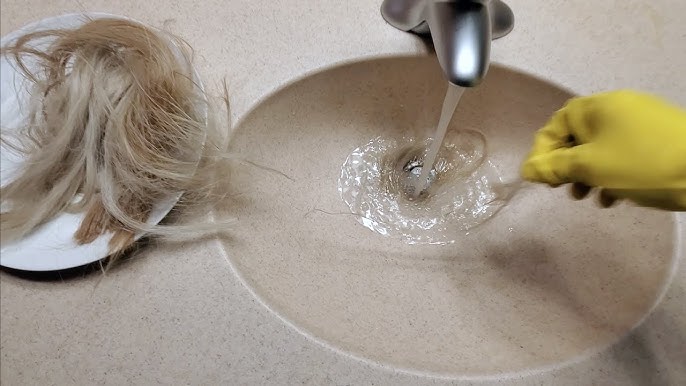
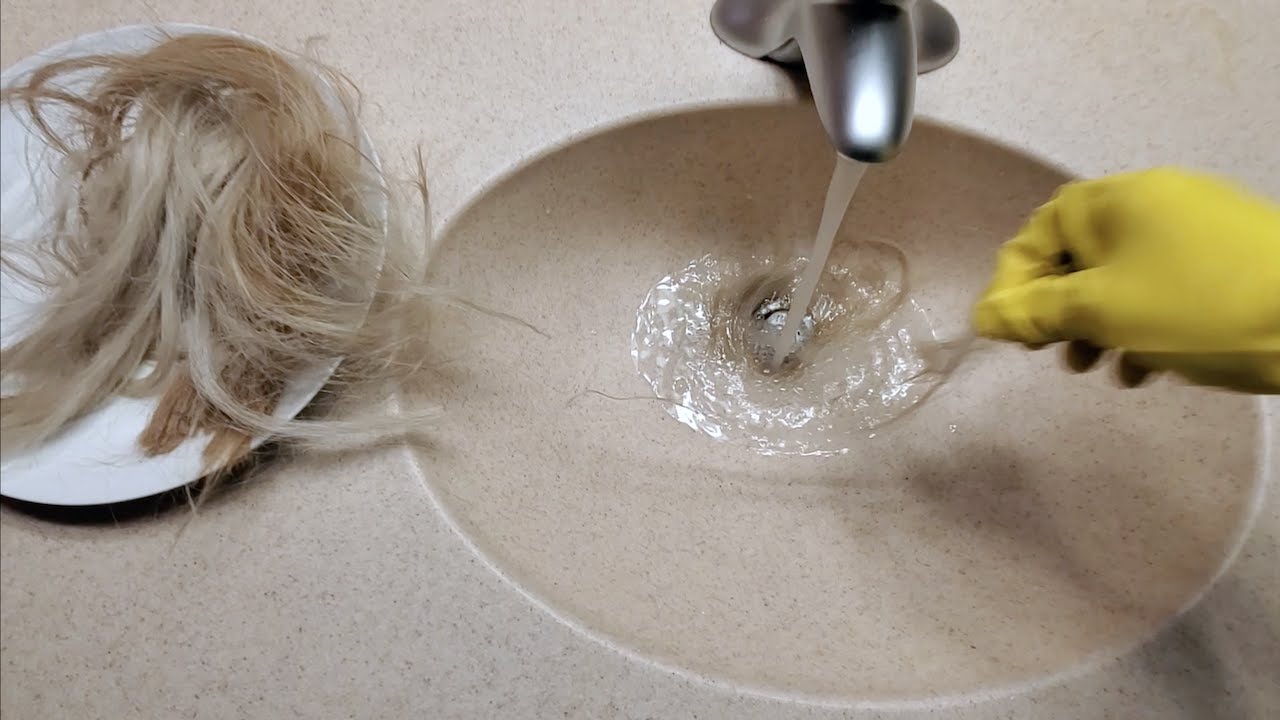
Once you have removed hair from your drain, do not flush it down the toilet or put it back in the sink. Instead:
- Place hair and debris in a sealed bag.
- Throw it in the trash.
- Clean your tools with hot, soapy water.
This keeps your pipes clear and prevents clogs elsewhere.
Credit: www.youtube.com
Diy Vs. Professional Drain Cleaning
Here’s a quick look at when to handle a clog yourself and when to call a pro:
| Situation | DIY | Professional |
|---|---|---|
| Visible hair clog | ✔️ | |
| Slow drain, mild clog | ✔️ | |
| Deep, stubborn clog | ✔️ | |
| Repeated blockages | ✔️ | |
| Water damage or leaks | ✔️ |
Extra Tips For Long-term Drain Health
- Avoid flushing wipes, cotton swabs, or dental floss down the sink. These do not dissolve and can join hair to form bigger clogs.
- Teach children and guests to use drain screens and avoid dropping objects in the sink.
- Check pipes regularly for signs of leaks, rust, or water stains.
Expert insight: Even small leaks can cause big problems over time. Fixing them early is always cheaper and easier.
Credit: www.youtube.com
Frequently Asked Questions
How Often Should I Clean My Sink Drain To Prevent Hair Clogs?
Clean your sink drain at least once a week if you have long hair or pets. Use a mesh strainer and remove hair from the stopper regularly. A monthly flush with hot water or baking soda and vinegar helps keep pipes clear.
Is It Safe To Use Chemical Drain Cleaners For Hair Clogs?
Chemical cleaners are effective but should only be used as a last resort. They can damage pipes, especially if used often, and pose health risks. Try natural or mechanical methods first. For more, see this EPA guide.
What Is The Best Homemade Solution For Removing Hair From A Drain?
Baking soda and vinegar is the safest and easiest homemade solution. Pour 1/2 cup baking soda, then 1/2 cup vinegar, let it fizz for 15–30 minutes, and flush with boiling water.
Can I Use A Plunger On A Bathroom Sink?
Yes, a plunger can help with hair clogs in a bathroom sink. Make sure to create a tight seal and use enough water for good suction. Avoid if you have recently used chemical cleaners.
When Should I Call A Plumber For A Clogged Sink?
Call a plumber if home methods fail, the clog keeps returning, you see leaks, or water backs up into other drains. Professionals have the right tools for tough jobs and can prevent further damage.
Getting hair out of your sink drain does not have to be hard or expensive. With the right tools, regular cleaning, and a little know-how, you can keep your bathroom working smoothly and avoid costly repairs. Remember, prevention is the best cure—so act early and stay ahead of the clogs.