
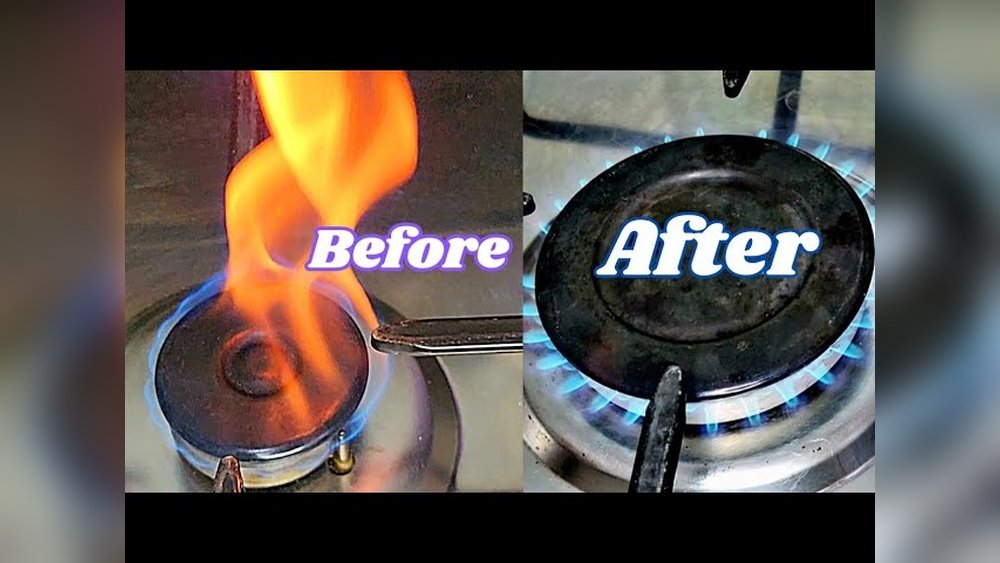
A gas oven is a trusted appliance in many kitchens. When it works well, it produces a steady blue flame. But what if you notice an orange flame instead? This color change is a sign that something is wrong. You may wonder if it’s just a small problem or if it’s dangerous. The truth is, an orange flame in a gas oven means incomplete burning of gas. It can lead to poor cooking results, soot, or even unsafe carbon monoxide in your kitchen.
If you want to use your oven safely and get the best cooking results, you should fix the orange flame problem as soon as possible. This guide will show you, step by step, how to understand why the flame turns orange and how to fix it.
You’ll learn how to check your oven, what tools you need, and when to call a professional. Many people miss simple solutions that can save them time and money. With the right approach, you can solve this issue yourself and keep your kitchen safe.
Why Gas Oven Flames Should Be Blue
A blue flame is the sign of a healthy gas oven. This color means the gas is burning completely, with enough oxygen mixing with the fuel. When burning is complete, you get maximum heat, clean cooking, and very little pollution. The blue flame usually has a light blue core and may have a small yellow tip, which is normal. But if most of the flame is orange, it points to a problem.
A blue flame also means your oven is using gas efficiently. You’re not wasting money, and you’re not making your kitchen dirty with soot or dangerous gases. That’s why it’s important to check your oven flame often.
What Causes Orange Flame In Gas Ovens
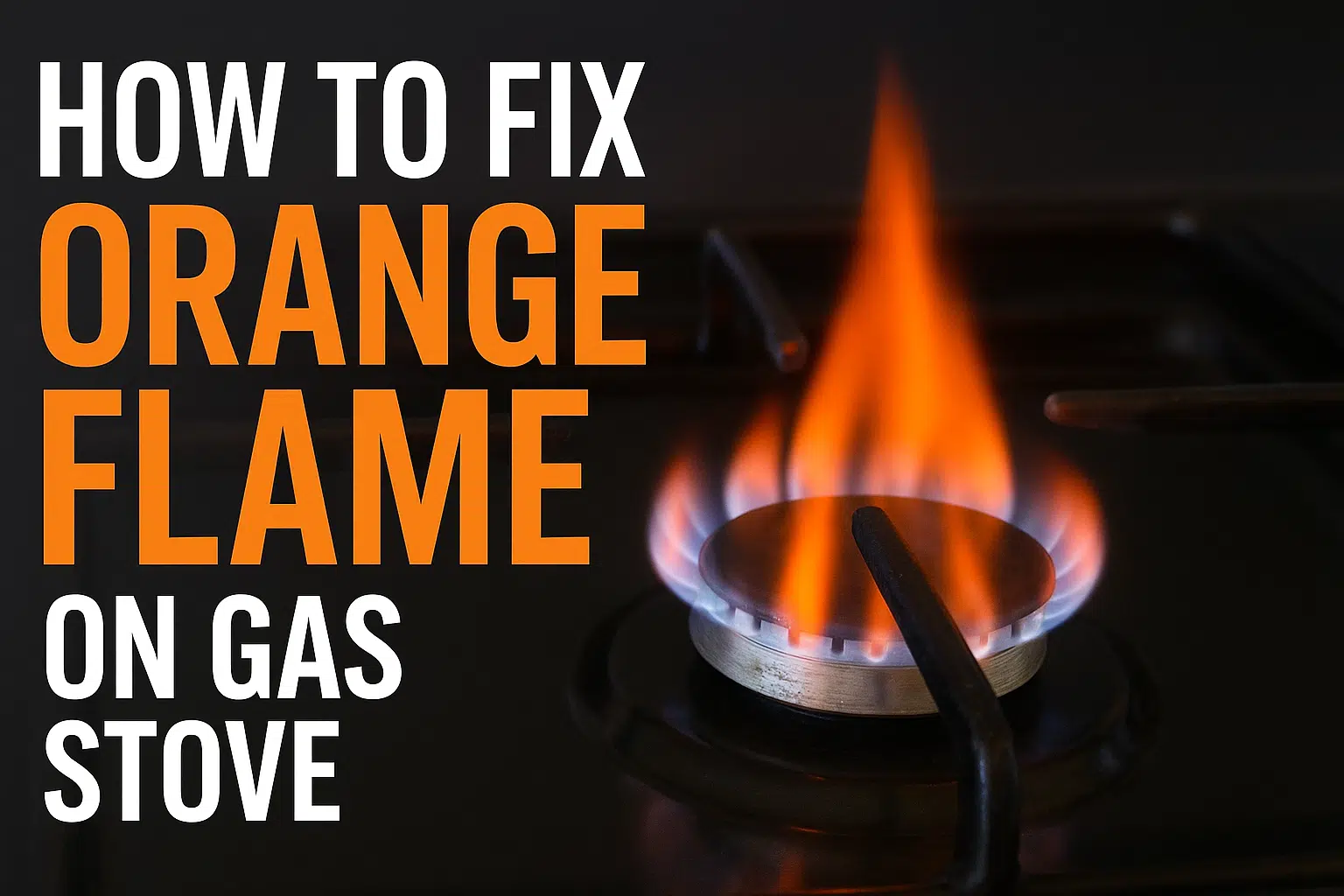
Seeing an orange flame can be worrying. It’s not just a color change—it’s a sign of incomplete combustion. Here are the most common reasons for orange flames in gas ovens:
- Dirty burners or clogged holes: Grease, food particles, or dust can block burner holes. This stops enough oxygen from mixing with the gas.
- Improper air-to-gas ratio: If too little air mixes with the gas, the flame turns orange. This can be caused by problems with the air shutter or adjustment screw.
- High humidity or contaminants in the air: Sometimes, using a humidifier or burning candles nearby can change the flame color.
- Wrong type of gas or pressure: Using the wrong gas (propane instead of natural gas, or vice versa) or incorrect pressure can cause orange flames.
- Faulty gas regulator or supply line: If the regulator isn’t working, the gas pressure may be too low or unstable.
- Burner misalignment: If the burner is not sitting correctly, gas and air do not mix well.
- Rust or metal debris: Rust or tiny bits of metal in old ovens can block the burner.
- New oven break-in: In rare cases, new ovens may show orange flames for a few hours as manufacturing oils burn off.
Most people only check for dirt, but many issues are less obvious. Sometimes, a simple adjustment can fix the problem, while in other cases, you need to replace a part.
Is An Orange Flame Dangerous?
An orange flame is more than just a cosmetic issue. Here’s why you should take it seriously:
- Carbon monoxide risk: Incomplete burning can produce carbon monoxide. This gas is colorless and odorless, but it can be deadly.
- Soot and smoke: Orange flames can create black soot that stains your cookware and kitchen walls.
- Poor cooking results: Inconsistent heat means uneven cooking or undercooked food.
- Wasted fuel: You spend more money because the oven isn’t working efficiently.
If you smell gas, feel dizzy, or see a lot of soot, stop using the oven and ventilate the area. It’s better to be safe and call a professional if you suspect a gas leak.
Tools And Materials Needed
Before you start, gather these items:
- Screwdriver (Phillips and flathead)
- Wire brush or old toothbrush
- Needle or pin (for cleaning burner holes)
- Vacuum cleaner (with brush attachment)
- Soft cloth
- Mild detergent
- Flashlight
- Work gloves
- User manual (for your oven model)
Having these tools ready makes the process smoother. Never force parts or use harsh chemicals, as this can damage the oven.
Step-by-step: How To Fix Orange Flame On Gas Oven
Fixing an orange flame is usually possible with a few careful steps. Follow this process for the best results.
1. Turn Off And Cool Down
Safety comes first. Turn off the oven and let it cool. Unplug the oven if possible or switch off the gas supply. Wear gloves to protect your hands.
2. Remove And Inspect Burner
Open the oven door and locate the burner. Usually, it’s a metal tube at the bottom. Use a screwdriver to remove any covers or screws. Gently lift the burner out.
Check the burner for:
- Dirt or grease buildup
- Rust spots
- Blocked holes
Shine a flashlight through the burner holes. If you see anything blocking the holes, it needs cleaning.
3. Clean The Burner Thoroughly
Use a wire brush or toothbrush to clean the burner’s surface. For stubborn buildup, use a little mild detergent and warm water. Dry the burner completely before reinstalling.
For blocked holes:
- Push a needle or pin through each hole to clear out debris.
- Be gentle—you don’t want to widen the holes.
Vacuum the area around the burner to remove loose dirt or crumbs.
4. Check And Adjust Air Shutter
The air shutter controls how much air mixes with the gas. It’s usually found near where the burner connects to the gas supply tube.
To adjust:
- Loosen the shutter screw slightly.
- Slide the shutter open or closed to increase or decrease air flow.
- Reattach the burner and turn on the oven to check the flame.
A proper adjustment gives a steady blue flame. If it’s still orange, try moving the shutter slightly more. Always let the oven cool before making more changes.
5. Inspect And Clean Oven Interior
Sometimes, dirt inside the oven can affect the flame. Wipe down the oven walls, floor, and racks with a soft cloth and mild detergent. Avoid using harsh chemicals that can release fumes.
6. Check Gas Supply And Regulator
If cleaning doesn’t help, check the gas supply:
- Make sure the gas valve is fully open.
- Listen for hissing sounds (a sign of leaks—call a professional if you hear this).
- Check if other gas appliances in your home work well. If not, your main supply or regulator may be faulty.
You can compare normal and abnormal gas pressure readings in this chart:
| Gas Type | Normal Pressure (inches of water) | Problem Pressure (may cause orange flame) |
|---|---|---|
| Natural Gas | 7-10 | <6 or >12 |
| Propane | 10-12 | <9 or >14 |
If you suspect a pressure problem, contact your gas supplier or a certified technician.
7. Realign Or Replace The Burner
If the burner is bent or misaligned, carefully reposition it so it sits flat and connects well to the gas tube. If the burner is badly rusted or cracked, it’s safer to replace it. Check your oven’s user manual for compatible parts.
8. Test For Air Quality Issues
High humidity or airborne chemicals can sometimes cause orange flames. Try these steps:
- Turn off humidifiers or air purifiers near the oven.
- Avoid burning scented candles while cooking.
- Open a window for better ventilation.
If the flame returns to blue, the issue is with indoor air, not the oven.
9. Confirm Gas Type And Conversion
Check your oven’s rating plate to confirm if it’s set up for natural gas or propane. Using the wrong type can cause orange flames. If you’ve recently moved or changed gas suppliers, double-check this.
If you need to convert the oven, use a proper conversion kit and follow the manufacturer’s instructions.
10. Reassemble And Test
After cleaning, adjusting, and checking all parts, reassemble the oven. Turn on the oven and watch the flame for 2–3 minutes. A healthy flame should be blue with a tiny yellow tip. If it’s still orange, repeat the steps or seek expert help.
Common Mistakes When Fixing Orange Flame
Many users make simple mistakes that can make the problem worse or even dangerous:
- Skipping the air shutter adjustment: Just cleaning is not always enough.
- Using sharp tools: This can damage burner holes.
- Ignoring air quality: Scented candles or cleaners can affect the flame.
- Not checking gas type: Using the wrong gas is a frequent but overlooked cause.
- Forgetting to ventilate: Always work in a well-ventilated area.
Avoid these mistakes for a safer repair process.
When To Call A Professional
Some problems are too risky or complex for DIY repair. Call a qualified technician if:
- The flame remains orange after cleaning and adjusting.
- You smell gas or hear a hissing sound.
- There are signs of a gas leak (headache, dizziness, nausea).
- The oven is very old or damaged.
- You’re unsure about the gas type or conversion.
A professional has the right tools and can check for hidden issues. Never take risks with gas appliances.
How To Prevent Orange Flame In The Future
Prevention is easier than repair. Here’s what you should do regularly:
- Clean the burner every 2–3 months: More often if you bake a lot.
- Wipe up spills right away: Don’t let food or grease build up.
- Check the air shutter yearly: Make small adjustments as needed.
- Have a yearly inspection: Ask a technician to check your oven and gas supply.
- Use the right gas: Never switch types without a conversion kit.
- Ventilate your kitchen: Open windows or use a range hood.
- Watch for changes: If the flame color changes, address it quickly.
Here’s a simple maintenance schedule:
| Task | How Often |
|---|---|
| Clean burner and oven interior | Every 2–3 months |
| Check air shutter and burner alignment | Yearly |
| Professional inspection | Yearly |
| Check for gas leaks | When flame color changes |

Credit: www.youtube.com
What If The Orange Flame Returns?
Sometimes the orange flame comes back even after cleaning. Here’s what to do next:
- Repeat the cleaning and adjustment steps.
- Double-check air quality and humidity in the room.
- Inspect for hidden rust or dirt in hard-to-see places.
- Make sure the oven is not overloaded with cookware, which can block air flow.
If the problem keeps returning, it could be a sign of an aging oven or a deeper issue with your home’s gas supply. It’s best to have a technician inspect the system.
Real-life Example: Orange Flame Diagnosis
Consider this scenario: Maria noticed her oven’s flame turned orange after she deep-cleaned her kitchen. She checked the burner, but it was clean. After some thought, she realized she had just started using a new air freshener near the oven.
She turned off the air freshener and opened the window. The next time she used the oven, the flame was blue again. Maria learned that even air products can change how gas burns.
Another example: Alex moved to a new house and connected his old oven. The flame was orange. He soon found out the new house used propane, but his oven was set for natural gas. After getting a conversion kit, the flame turned blue.
These stories show that sometimes, the cause is not what you expect.

Credit: www.reddit.com
Cost Comparison: Diy Fix Vs. Professional Repair
Fixing an orange flame can be cheap or expensive, depending on the cause. Here’s a comparison:
| Solution | Estimated Cost | Time Required |
|---|---|---|
| DIY cleaning and adjustment | $0–$20 | 1–2 hours |
| Replacement burner | $30–$70 | 1–2 hours |
| Professional technician visit | $80–$200 | 1–2 hours (plus scheduling) |
For simple cleaning or adjustment, most people can fix the problem themselves. If parts are broken or you’re not confident, a professional is worth the cost.
Extra Tips For Safe Gas Oven Use
- Always keep a carbon monoxide detector in your kitchen.
- Never block oven vents with foil or cookware.
- Read your oven’s manual for special instructions.
- If you move to a new home, check the gas type before using the oven.
- If you are ever in doubt, turn off the oven and call for help.
Credit: www.repairmyappliance.ca
Frequently Asked Questions
Why Does My Gas Oven Have An Orange Flame Only Sometimes?
This usually means the issue is related to air quality or humidity. Burning candles, using air fresheners, or high humidity can make the flame orange temporarily. Try improving ventilation and avoid using these products near the oven.
Is It Safe To Cook With An Orange Flame?
It’s best to avoid cooking with an orange flame. Incomplete combustion can produce dangerous gases and soot, which are bad for your health and can ruin your food. Fix the problem before using the oven again.
How Often Should I Clean The Oven Burner?
You should clean the burner every 2–3 months or whenever you see food or grease buildup. If you use the oven often, clean it more frequently. Regular cleaning helps prevent orange flames.
Can The Wrong Gas Type Cause Orange Flame?
Yes. Using propane instead of natural gas, or vice versa, without the right conversion kit can cause orange flames and unsafe operation. Always check your oven’s settings and local gas supply.
When Should I Call A Technician?
Call a professional if the flame remains orange after cleaning and adjustment, if you smell gas, or if you’re not comfortable working with gas appliances. Safety should always come first.
For more details on gas safety and oven maintenance, you can check this helpful guide from the U.S. Consumer Product Safety Commission.
A gas oven is a wonderful tool for home cooking, but only when it works safely and efficiently. By understanding the causes of an orange flame and following careful steps to fix it, you can enjoy better cooking and peace of mind.
Regular maintenance, attention to air quality, and knowing when to get expert help will keep your oven in top shape for years to come.