
Gas ovens are common in many homes because they heat food quickly and are energy efficient. But a gas oven can be dangerous if it develops a leak. A gas leak is not just about losing money from wasted gas—it can put your family at risk of fire, explosion, or carbon monoxide poisoning.
Many people do not know the signs of a gas leak, or what to do if they suspect one. Learning how to tell if your gas oven is leaking is essential for safety and peace of mind.
This guide explains everything you need to know about spotting a gas leak in your oven. You’ll discover the warning signs, what to do if you suspect a leak, common causes, and how to prevent problems in the future. Even if you have never checked your oven for leaks before, you’ll find practical steps and clear advice to protect your home.
Why Gas Oven Leaks Are Dangerous
A gas leak is not just an inconvenience—it can be life-threatening. When natural gas or propane escapes from your oven, it mixes with air in your kitchen. If there is a spark, even from a small static shock or electrical switch, it can cause a fire or explosion. Breathing in gas can also cause health problems. Small leaks can lead to headaches, dizziness, and nausea. Larger leaks can cause unconsciousness or even death.
Natural gas does not have a smell on its own. Gas companies add a chemical called mercaptan, which smells like rotten eggs, to help people detect leaks. But not everyone can recognize this smell, especially if they have a cold or poor sense of smell. In some cases, the odor may not be strong enough to notice right away.
Common Signs Of A Gas Leak In Your Oven
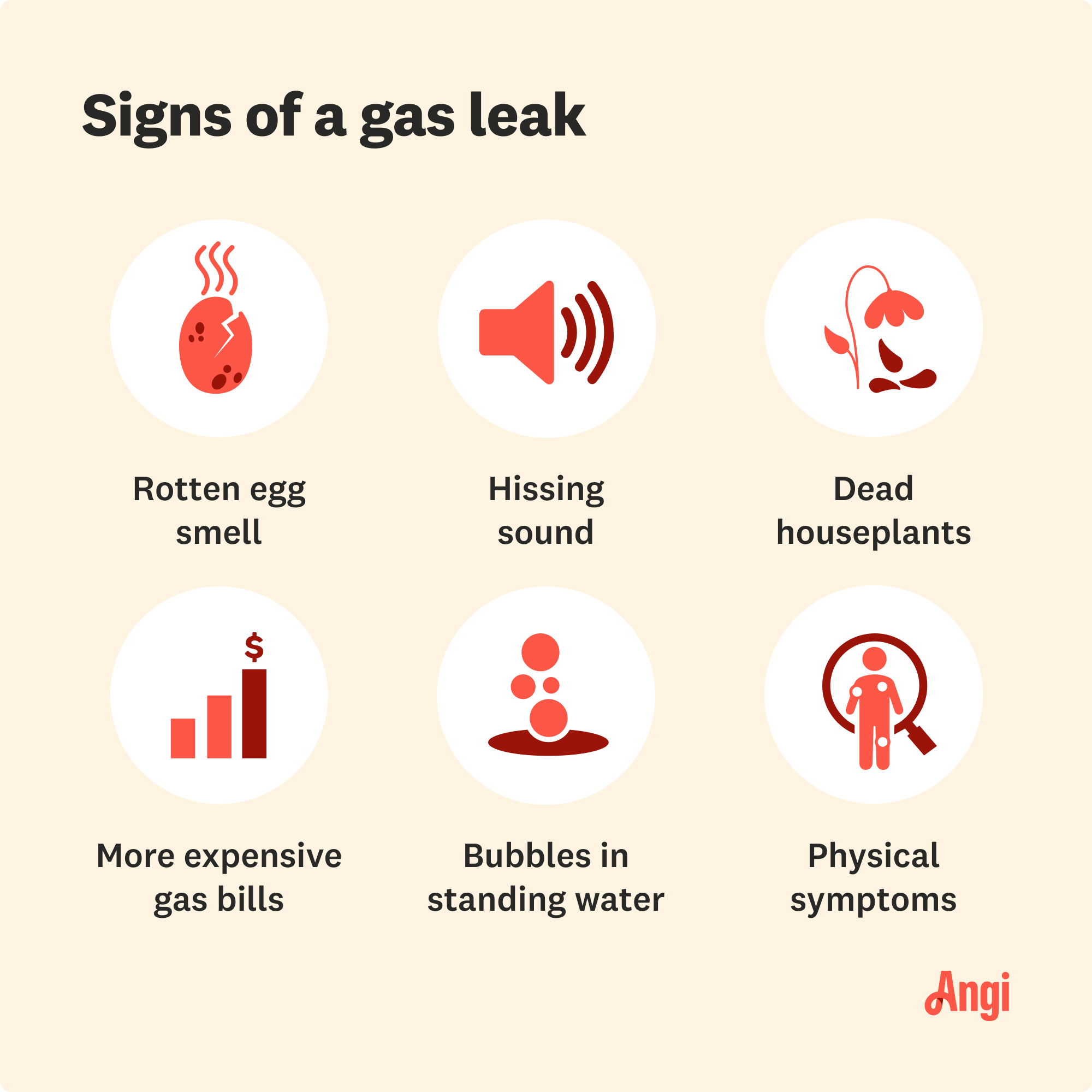
Recognizing a gas leak early can save lives. Here are the most reliable signs that your gas oven may be leaking.
1. Unusual Smell
The most obvious sign is the smell of rotten eggs. If you notice this odor near your oven, even when it’s off, you should take it seriously. The smell may be faint or come and go, especially if the leak is small.
2. Hissing Or Whistling Sounds
A leaking gas line or connection may make a hissing or whistling noise. This means gas is escaping under pressure. Listen closely around the oven, especially near the gas connection at the back.
3. Oven Flame Is Yellow Or Orange
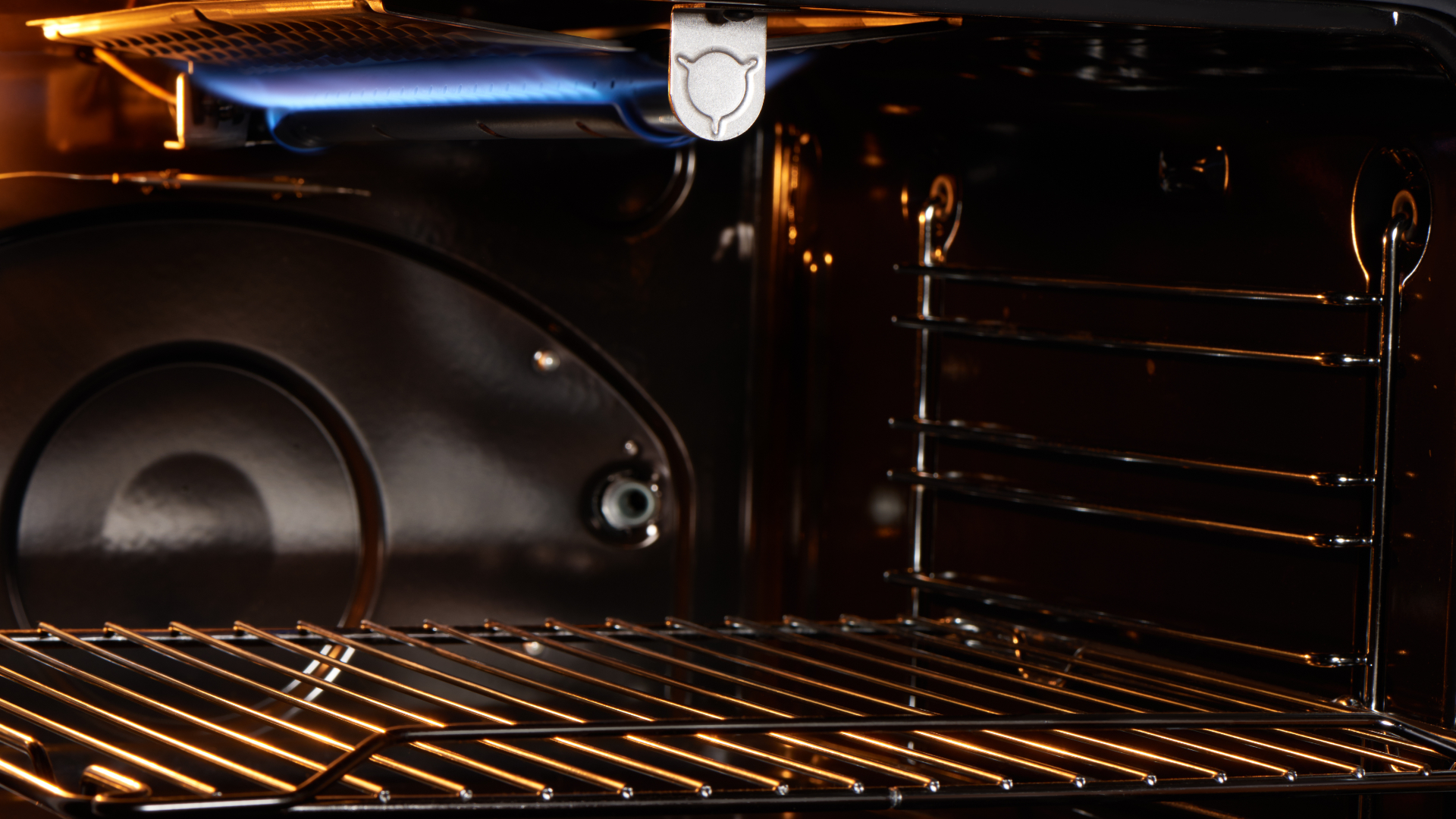
A healthy gas flame is blue. If you see a yellow or orange flame inside your oven or under a burner, this may mean the gas is not burning completely. This can be a sign of a leak or a blockage.
4. Pilot Light Frequently Goes Out
If the pilot light in your oven keeps going out, gas may be escaping before it ignites. This is not normal and needs to be checked.
5. Dead Or Dying Houseplants
Natural gas can kill plants. If houseplants near your oven start to wilt or die without explanation, this could be a sign of a slow gas leak.
6. Physical Symptoms
If you or your family experience headaches, dizziness, nausea, or tiredness when in the kitchen, but feel better when you leave the house, a gas leak may be the cause.
7. Gas Bill Suddenly Goes Up
A sudden, unexplained increase in your gas bill may mean gas is leaking somewhere in your home, possibly from your oven.
Credit: www.angi.com
How To Check For A Gas Leak In Your Oven
If you suspect a leak, stay calm and follow these steps. Never use matches, lighters, or turn on electrical switches near a suspected leak.
Step 1: Smell Test
Stand close to your oven and sniff the air. Remember, the gas smell is like rotten eggs. If you notice this odor, assume there is a leak.
Step 2: Listen For Sounds
Turn off all noise (TV, music, fans) and listen carefully around the oven. A hissing or whistling sound points to a leak.
Step 3: Visual Inspection
Look at the oven’s burners and pilot light. Check the color of the flame. Open the oven door and look for signs of soot or scorch marks, which can mean poor burning.
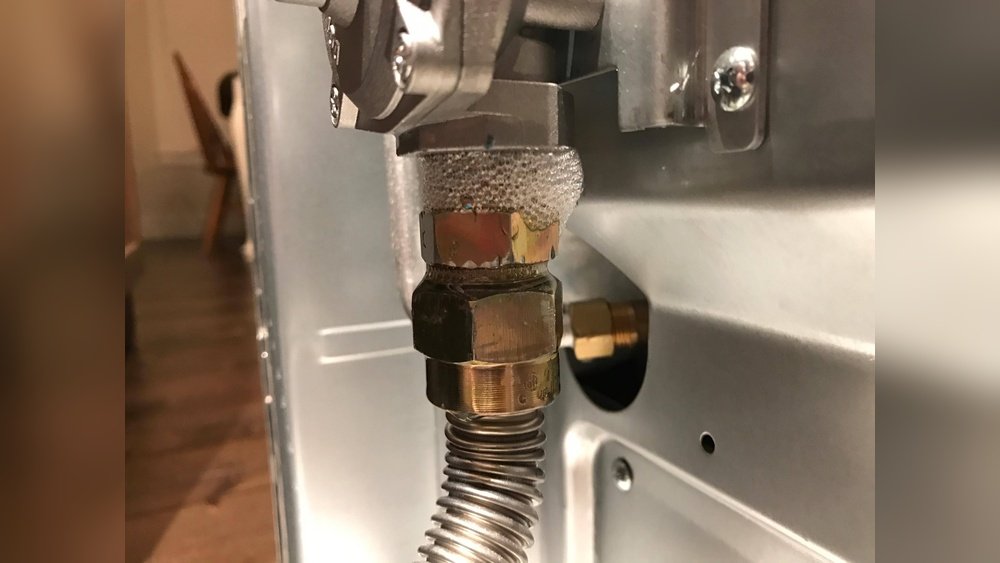
Step 4: Soap And Water Test
You can check for leaks at pipe connections using a simple soap and water test:
- Mix a few drops of dish soap with water in a spray bottle or bowl.
- Spray or brush the solution on all visible gas connections behind and under the oven.
- Turn the gas on (do not light the oven).
- Watch for bubbles—these mean gas is escaping.
Step 5: Use A Gas Leak Detector
You can buy a gas leak detector at hardware stores. These devices beep or light up when they sense gas. Wave the detector slowly around the oven’s gas line and connections.
Step 6: Check The Gas Meter
If you have turned off all gas appliances in your home and the gas meter is still moving, there may be a leak somewhere.
Step 7: Seek Professional Help
If you are not sure, or if you find any signs of a leak, call a licensed gas technician. Never try to fix a gas leak yourself.
What To Do If You Suspect A Gas Leak
A gas leak is an emergency. Here’s what you should do immediately if you think your oven is leaking gas.
- Do not turn on or off any electrical switches.
- Do not use matches, lighters, or any flame.
- Open windows and doors to let fresh air in.
- Turn off the oven and the gas supply if possible.
- Get everyone out of the house.
- Call your gas company or emergency services from outside your home.
- Wait for professionals to say it is safe before going back inside.
Common Causes Of Gas Leaks In Ovens
Understanding why gas leaks happen can help you avoid them.
1. Worn Out Gas Lines
Gas lines behind the oven can wear out over time, especially the flexible hose. Cracks or splits let gas escape.
2. Loose Connections
Gas fittings can loosen if the oven is moved for cleaning or repairs.
3. Faulty Valves
The valve that controls gas flow to the oven can fail and leak.
4. Damaged Burners Or Pipes
Burners or pipes inside the oven can rust, crack, or break, leading to leaks.
5. Improper Installation
If the oven was not installed by a qualified professional, connections may not be tight or sealed correctly.
6. Poor Maintenance
Skipping regular maintenance lets small problems grow into dangerous leaks.
7. Accidental Damage
Bumping or moving the oven can damage gas lines or fittings.
How To Prevent Gas Oven Leaks
Prevention is always better than repair. Here’s how you can reduce the risk of a gas leak in your oven.
- Schedule annual maintenance. Have your oven and gas lines checked by a qualified technician once a year.
- Check connections after moving the oven. Even a small shift can loosen a gas fitting.
- Replace old hoses. If your oven uses a flexible hose, replace it every 5–10 years, or sooner if you see cracks.
- Install a gas detector. This device will warn you if there is a leak, even when you are asleep.
- Keep the area around the oven clear. Do not let cleaning or storage items press against gas lines.
- Watch for warning signs. Do not ignore strange smells, sounds, or symptoms.
- Only let qualified professionals install or repair your oven. DIY fixes are risky.
Comparing Gas Leaks In Ovens Vs. Other Appliances
Some people wonder if ovens are more likely to leak than other gas appliances. Here is a simple comparison:
| Appliance | Common Leak Points | Risk Level | Warning Signs |
|---|---|---|---|
| Oven | Flexible hose, connections, burners | Medium | Smell, sound, flame color |
| Stove | Burner valves, hose, pilot light | Medium | Smell, pilot light goes out |
| Water Heater | Gas line, pilot assembly | High | No hot water, smell |
| Furnace | Main line, heat exchanger | High | Smell, CO detector alarm |
| Dryer | Valve, burner area | Low | Smell, poor drying |
As you can see, ovens are not the most dangerous, but they are not risk-free. All gas appliances need regular checks.
Why You Should Not Ignore Small Gas Leaks
Some people notice a faint smell and ignore it, thinking it is not serious. This is a mistake. Even a small leak can build up gas in your kitchen over time. Here are a few reasons you should take every leak seriously:
- Fire risk: Gas can ignite with a small spark.
- Health risks: Breathing in gas can cause headaches, dizziness, or worse.
- Carbon monoxide: Incomplete burning can release carbon monoxide, which is deadly and odorless.
- Cost: Even a slow leak wastes money.
If you smell gas, always investigate and act quickly.
How Gas Companies Add Odor To Help Detect Leaks
Natural gas is actually odorless. Gas companies add mercaptan, a chemical with a strong rotten egg smell, so people can detect leaks. This is important because most people would not notice a leak otherwise.
But some people may not be able to smell mercaptan well, especially if they are older, have sinus problems, or smoke. That’s why it is smart to use a gas detector as a backup safety tool.
What To Expect From A Professional Gas Leak Inspection
If you call a professional to check for a leak, here is what usually happens:
- The technician will ask you about any smells, sounds, or problems you have noticed.
- They will use special tools, like a gas sniffer or electronic detector, to test around all connections and pipes.
- If a leak is found, they will shut off the gas, repair or replace the damaged part, and retest the system.
- They may test other gas appliances to make sure your whole home is safe.
- You will get a report of what was found and what was fixed.
Never be embarrassed to call for help. Gas leaks are common, and professionals are trained to handle them safely.
How To Tell If The Smell Is Actually Gas
Not every bad smell in your kitchen is a gas leak. Sometimes, a sewer smell or spoiled food can smell similar. Here are ways to tell the difference:
- Gas smell is strongest near the oven or gas lines.
- It gets worse when the oven is on.
- The smell does not go away with cleaning or taking out the trash.
If you are not sure, treat it like a gas leak and call for help. It is better to be safe.
The Role Of Carbon Monoxide In Gas Oven Leaks
When a gas oven leaks or burns poorly, it can produce carbon monoxide (CO). This gas is colorless, odorless, and deadly. You cannot smell or see it. Symptoms of CO poisoning include:
- Headache
- Dizziness
- Weakness
- Nausea
- Confusion
If you feel these symptoms at home, especially when the oven is on, get out and call for help.
It is wise to install a carbon monoxide detector in your kitchen and near bedrooms.
Importance Of Regular Maintenance For Gas Ovens
Many gas leaks are caused by problems that can be found early with regular maintenance. Every year, have a trained technician:
- Check all gas connections and hoses.
- Clean burners and pilot lights.
- Test the oven for leaks.
- Replace worn or cracked parts.
- Check for proper flame color and burning.
This can prevent most leaks and give you peace of mind.
What To Do If Gas Leak Is Outside The Oven
Sometimes, you may smell gas but the oven is not the source. Gas leaks can happen anywhere along the pipeline, including outside your house. Signs include:
- Smell of gas outside near the meter or pipe.
- Dying grass or plants over a buried gas line.
- Hissing sound from the ground.
If you think the leak is outside, call your gas company immediately and stay away from the area.
Credit: authorizedco.com
When To Replace Your Gas Oven
Sometimes, old ovens develop leaks that are hard to fix. Here are signs it may be time for a new oven:
- The oven is more than 15 years old.
- Repairs cost more than half the price of a new oven.
- The oven has rust, cracks, or lots of worn parts.
- You have had more than one leak in the past year.
New ovens are safer, more efficient, and have better leak protection.
How To Choose A Safe Gas Oven
If you decide to buy a new oven, here are key safety features to look for:
| Feature | Why It Matters |
|---|---|
| Flame Failure Device | Shuts off gas if the flame goes out |
| Automatic Ignition | Reduces risk of unburned gas |
| Sealed Burners | Prevents leaks from spills |
| Gas Leak Detector | Alerts you to leaks automatically |
| Certified Installation | Ensures safe setup by professionals |
Buying a safe oven and having it installed professionally are the best ways to prevent leaks.
Non-obvious Insights About Gas Oven Leaks
Most people know to watch for smells, but a few important details are often missed:
- Leaks are sometimes silent and odorless. If your sense of smell is weak, use a gas detector for better safety.
- Old flexible hoses are a hidden danger. Many homes have gas hoses that are 20+ years old. These can crack inside, even if the outside looks fine. Ask a technician to check and replace them if needed.
Real-world Example: A Close Call
Consider Maria, who lived in an older house. She noticed her gas bill was higher than usual, but did not smell anything strange. A friend suggested she buy a gas leak detector. When she used it near the oven, the alarm went off. A technician found a cracked hose behind the oven. Maria avoided a dangerous situation because she checked, even without a smell.

Credit: www.reddit.com
Final Safety Tips
- Teach everyone in your family what gas smells like and what to do if they notice it.
- Keep the emergency number for your gas company somewhere easy to find.
- Do not block vents or airways near your oven, as this can make leaks more dangerous.
- Test your gas detector every 6 months.
- Never try to repair or install gas lines yourself.
Frequently Asked Questions
How Can I Tell If My Oven Is Leaking Gas If I Can’t Smell Anything?
If you cannot smell gas, use a gas leak detector device. Watch for other warning signs like a yellow flame, soot, or pilot light problems. If you have headaches or dizziness near the oven, leave the area and call a professional.
Is It Safe To Use My Oven If I Suspect A Small Gas Leak?
No, never use your oven if you think there is a leak, no matter how small. Turn off the gas supply, open windows, and call your gas company or a technician right away.
Can A Gas Oven Leak Carbon Monoxide?
Yes, gas ovens can produce carbon monoxide if gas is not burning completely. Always install a carbon monoxide detector in your kitchen and keep your oven well-maintained.
How Often Should I Have My Gas Oven Checked For Leaks?
Have your oven and gas lines checked once a year by a qualified technician. Also check after moving the oven or if you notice any warning signs.
Who Should I Call If I Suspect A Gas Leak In My Home?
If you suspect a leak, leave your home and call your gas company or emergency services from outside. Do not use your phone inside the house. For more safety advice, visit the Consumer Product Safety Commission.
Staying alert and acting quickly are the best ways to keep your family safe from gas leaks. With the right knowledge and habits, you can enjoy the benefits of a gas oven with confidence.