
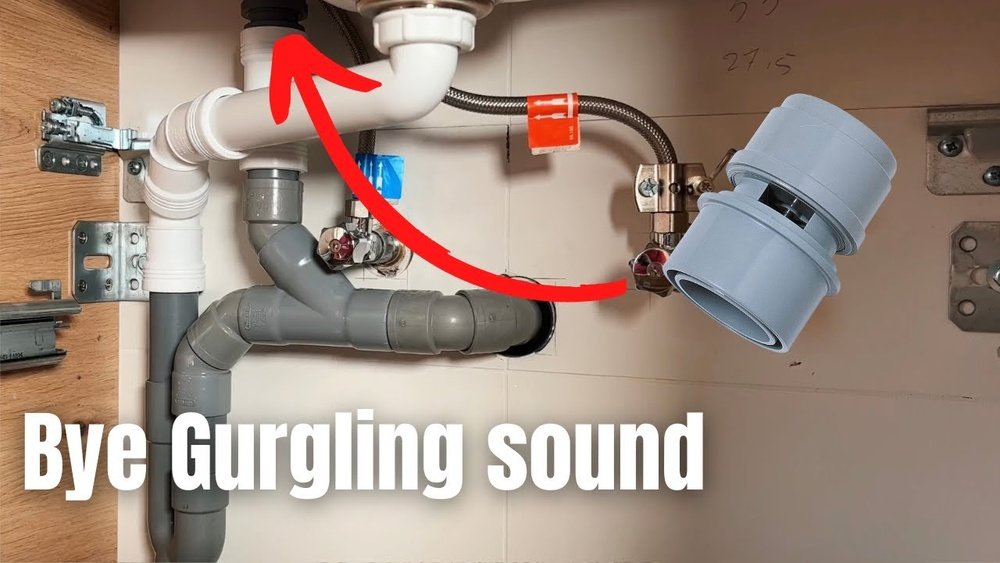
A gurgling kitchen sink can be unsettling. You wash dishes, run water, and suddenly—strange noises rise from the drain. It’s not just annoying; it’s a sign that something is wrong with your plumbing. Many people ignore these sounds, hoping the problem will disappear.
But, left untreated, a gurgling sink can lead to slow drains, bad smells, or even water damage. Fixing this issue doesn’t always require a plumber. With some knowledge and the right approach, you can often solve it yourself and save money.
This article gives you a complete, step-by-step guide to understanding, diagnosing, and fixing a gurgling kitchen sink. Whether you’re a new homeowner or just want to handle basic repairs, you’ll find clear explanations and practical solutions here. Let’s dive in and silence that gurgle for good.
Why Does A Kitchen Sink Gurgle?
A gurgling sound in your kitchen sink happens when air moves through water in your pipes. Normally, water and waste flow smoothly down the drain while air escapes through vent pipes. When something blocks this process, air gets trapped and makes those bubbling or gurgling noises.
Common Causes
- Partial clogs: Food debris, grease, or soap scum can build up inside the drain, slowing the flow.
- Blocked vent pipes: Vents release air from the plumbing system. If they’re blocked by leaves, nests, or debris, air can’t escape.
- Improper plumbing installation: Poorly sloped pipes or missing vents can disrupt airflow.
- Full septic tank: If your house uses a septic system, a full tank can cause drainage problems.
- Garbage disposal issues: Malfunctioning units can trap food or jam the drain.
What The Gurgle Means
A gurgle usually signals a problem somewhere in the system. It might be a minor clog close to the drain or a bigger issue deep in the plumbing or vent pipes. Ignoring it can lead to:
- Slow drainage
- Bad smells
- Possible leaks
- Backed-up water
How To Diagnose The Problem
Before you start fixing, you need to find the cause. Here’s how to diagnose what’s wrong.
Step 1: Listen Carefully
Does the gurgling happen only when you use the kitchen sink? Or does it occur when you flush the toilet, run the washing machine, or use other sinks? This helps locate the blockage.
- Only the kitchen sink: The problem is likely in that drain or trap.
- Other drains too: The main vent or sewer line may be blocked.
Step 2: Check For Slow Drainage
Fill the sink with water, then let it drain. If water drains slowly or backs up, you probably have a clog.
Step 3: Look For Smells
Bad odors from the drain suggest trapped food or sewage. This points to a clog or blocked vent.
Step 4: Inspect The Garbage Disposal
Run the disposal with water. If the gurgling gets louder or the disposal vibrates, the problem may be inside it.
Step 5: Observe Other Fixtures
If the bathroom sink or shower also gurgles, your main vent stack or main line is likely blocked.

Credit: www.youtube.com
Tools And Materials You’ll Need
Fixing a gurgling sink doesn’t require fancy tools. Here’s what you’ll likely use:
- Plunger: For clearing simple clogs.
- Plumber’s snake (auger): For deeper blockages.
- Baking soda and vinegar: For eco-friendly cleaning.
- Bucket and towels: To catch spills.
- Wrench or pliers: For disconnecting pipes.
- Flashlight: To see under the sink.
- Step ladder: For inspecting roof vents.
- Garden hose: To flush out vents or pipes.
It’s a good idea to wear gloves and old clothes. Plumbing work can get messy.
Step-by-step Solutions For A Gurgling Kitchen Sink
Let’s look at how you can fix the problem, from the easiest to the most involved solutions.
1. Boiling Water Flush
This simple method works if grease or soap is causing a minor blockage.
- Boil a large pot of water.
- Slowly pour half down the drain.
- Wait five minutes, then pour the rest.
Boiling water melts and pushes away soft blockages. Be careful not to pour boiling water into a porcelain sink—it can crack.
2. Plunge The Sink
A plunger isn’t just for toilets. It’s great for sinks too.
- Remove the sink stopper.
- Fill the sink with enough water to cover the plunger’s cup.
- Place the plunger over the drain and push up and down, keeping a tight seal.
- Repeat several times.
If you have a double sink, block the other drain with a wet cloth to maintain pressure.
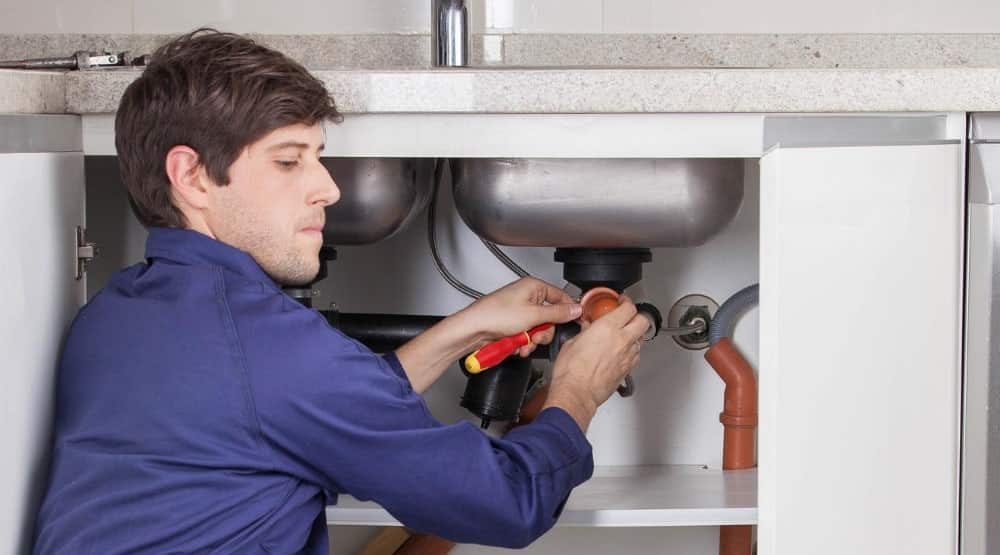
3. Clean The P-trap
The P-trap is the curved pipe under your sink. It often collects gunk and debris.
- Place a bucket under the trap to catch water.
- Use a wrench or pliers to loosen the slip nuts.
- Remove the trap and empty its contents.
- Rinse the trap in hot water and scrub if needed.
- Reinstall the trap tightly.
A clean P-trap allows water and air to move freely, stopping gurgling.
4. Use Baking Soda And Vinegar
This eco-friendly mix breaks down minor clogs.
- Pour 1/2 cup of baking soda down the drain.
- Follow with 1 cup of white vinegar.
- Let the mixture fizz for 10-15 minutes.
- Flush with hot water.
This method is safe for pipes and helps remove smells, too.
5. Plumber’s Snake (drain Auger)
For tough clogs, you’ll need a plumber’s snake.
- Remove the P-trap.
- Insert the snake into the pipe leading into the wall.
- Crank and push gently until you feel resistance.
- Rotate to break up the clog, then pull the snake out.
- Reattach the P-trap and run water to check.
A drain auger can reach deeper blockages that plungers can’t touch.
6. Check And Clear The Vent Pipe
If you hear gurgling in multiple fixtures, a blocked vent is likely. The vent pipe usually exits through your roof.
- Use a ladder to reach the vent stack.
- Shine a flashlight down the pipe.
- If you see debris, use a garden hose to flush it out.
- For stubborn blockages, carefully use a plumber’s snake.
Be careful on the roof. If you’re not comfortable, call a professional. Birds, leaves, and nests often block vents.
7. Inspect And Clean The Garbage Disposal
A jammed or dirty disposal can cause gurgling.
- Turn off power to the disposal.
- Use tongs or pliers to remove visible debris.
- Pour a mix of ice cubes and rock salt into the disposal, then run it with cold water. This helps clean the blades.
- Reset the disposal if it overheated.
Never put your hand inside the disposal.
8. Address Septic System Issues
If you use a septic tank and notice gurgling in multiple drains, your tank might be full.
- Check your records. Septic tanks need pumping every 3-5 years.
- Hire a professional to inspect and pump the tank.
A full tank can cause backups and even damage your system.
9. Fix Improper Plumbing
If all else fails, the plumbing might not be installed correctly. Look for:
- Missing or poorly placed vents
- Incorrect pipe slopes
- Old or corroded pipes
You may need a licensed plumber to fix these problems.
Credit: mytrustedexpert.com
Key Differences: Drain Clogs Vs. Vent Issues
Understanding whether your gurgle is from a clog or a vent problem is important. Here’s a quick comparison:
| Symptom | Drain Clog | Vent Blockage |
|---|---|---|
| Occurs in one sink | Common | Rare |
| Occurs in multiple fixtures | Rare | Common |
| Slow draining | Yes | Sometimes |
| Bad smell | Yes | Yes |
| Worsens with heavy water use | No | Yes |
If your problem matches “vent blockage,” focus on clearing your vent pipes.
How To Prevent Future Gurgling
Once you’ve fixed your sink, you’ll want to keep it quiet. Here’s how:
- Don’t pour grease down the drain. It solidifies and causes blockages.
- Use sink strainers. These catch food scraps before they enter pipes.
- Flush with hot water weekly. This helps clear soap and grease build-up.
- Avoid chemical drain cleaners. They can damage pipes over time.
- Pump your septic tank regularly. If you have one, don’t skip this.
- Clean your garbage disposal. Use ice and salt monthly.
- Check vent pipes yearly. Clear leaves and debris from the roof vent.
Most gurgling sinks are easy to prevent with simple habits.
Real-life Example: Fixing A Gurgling Sink
Sam noticed his kitchen sink started to gurgle after dinner. Water drained slowly, and a bad smell appeared. Here’s how he solved it:
- First, Sam tried plunging, but the gurgle stayed.
- He removed the P-trap and found a thick buildup of grease and food. Cleaning it removed most of the gunk.
- To be sure, he used a plumber’s snake to clear the pipe in the wall.
- After reattaching the P-trap, the gurgle was gone and water flowed quickly.
Sam’s case shows that even tough gurgles can be fixed with basic tools and patience.
When To Call A Professional Plumber
Sometimes, DIY methods aren’t enough. Call a plumber if:
- Multiple drains gurgle or back up at once
- You can’t clear the clog with a snake or plunger
- You see water leaking from pipes
- The vent pipe is hard to reach or clear
- There’s a strong sewage smell in your home
Plumbers have specialized tools and can diagnose deeper issues. Don’t wait too long—serious blockages can damage your home.
Comparing Diy Vs. Professional Plumbing
Is it better to fix the problem yourself or call in the experts? Here’s a comparison:
| Factor | DIY | Professional |
|---|---|---|
| Cost | Low (usually just tools) | Higher (service fee + parts) |
| Time | 1-2 hours for simple jobs | Faster for complex problems |
| Skill required | Basic to moderate | Expert |
| Risk of damage | Higher if done wrong | Low |
| Guarantee | No | Often includes warranty |
DIY works for small clogs and simple fixes. For major blockages or vent problems, hiring a pro saves time and worry.
Common Mistakes To Avoid
Fixing a gurgling sink isn’t hard, but people often make mistakes. Watch out for these:
- Using chemical cleaners too often: They can harm pipes and the environment.
- Forgetting to block the second drain (on double sinks) while plunging.
- Not tightening the P-trap fully: This can lead to leaks.
- Ignoring the vent pipe: Many focus only on the drain, missing the real cause.
- Putting hands in the garbage disposal: Always use tools and turn off power.
- Skipping regular maintenance: Prevention saves money and stress.
Many beginners overlook the vent system entirely. Also, some assume slow draining is normal—it isn’t. Fix these mistakes to keep your sink running smoothly.

Credit: mitchclemmonsplumbing.com
How Plumbing Vents Work (and Why They Matter)
Many people don’t realize the role of plumbing vents. These vertical pipes let air escape from your drains, balancing pressure so water flows easily. If a vent is blocked, water creates a vacuum, slowing drainage and causing gurgles.
Think of it like pouring liquid from a soda bottle. If you tip it upside down, it “glugs” and pours unevenly. If you poke a hole in the bottom, air flows in and liquid pours out smoothly. Vents are the “air holes” for your plumbing.
In the US, building codes require proper venting for all fixtures. If your house is old, vents may be undersized or missing. This is a common source of gurgling in older homes.
Signs The Problem Is Fixed
After Your Repairs, How Do You Know You’ve Succeeded?
- No more gurgling sounds when draining water
- Water drains quickly and smoothly
- No bad odors from the drain
- The garbage disposal works without noise or vibration
If you still hear gurgling, recheck your work. Sometimes, more than one blockage is present.
Costs To Expect
Here’s what you might spend on fixing a gurgling kitchen sink:
| Item/Service | Average Cost |
|---|---|
| Plunger | $10-$20 |
| Plumber’s snake | $25-$50 |
| Vinegar and baking soda | $5 |
| Plumber visit | $100-$300 |
| Septic tank pumping | $250-$500 |
DIY methods are much cheaper. Investing in basic tools can save you hundreds over time.
Helpful Resources
If you want to learn more about plumbing systems and troubleshooting, the Wikipedia Plumbing Vent System page gives more detail on how venting works.
Frequently Asked Questions
Why Does My Kitchen Sink Gurgle When The Dishwasher Drains?
A gurgling sound during dishwasher use usually means a partial clog or blocked vent. The extra water from the dishwasher increases pressure in the drain. Check for blockages in the sink trap and make sure the vent pipe is clear.
Can A Gurgling Sink Lead To Bigger Plumbing Problems?
Yes. Gurgling often means a blockage is forming. Left untreated, you could face slow drainage, backups, or even water damage. Fix the issue early to avoid expensive repairs.
Is It Safe To Use Chemical Drain Cleaners For Gurgling Sinks?
Chemical cleaners can clear minor clogs but may damage pipes with repeated use. They’re also harmful to the environment. Try plunging, baking soda and vinegar, or a plumber’s snake first.
Why Does My Sink Gurgle After Heavy Rain?
Heavy rain can block roof vents with leaves or debris, especially if your roof lacks a cap on the vent pipe. Water in the main sewer line can also slow drainage. Inspect and clear vent pipes after storms.
How Often Should I Clean My Kitchen Drain To Prevent Gurgling?
Clean your drain monthly with hot water, and use baking soda and vinegar every few months. Check and clean your P-trap and garbage disposal at least twice a year to keep everything flowing smoothly.
A gurgling kitchen sink is usually a warning sign, not a disaster. With the right steps and a little patience, you can restore peace to your kitchen—and protect your home from bigger plumbing headaches.