
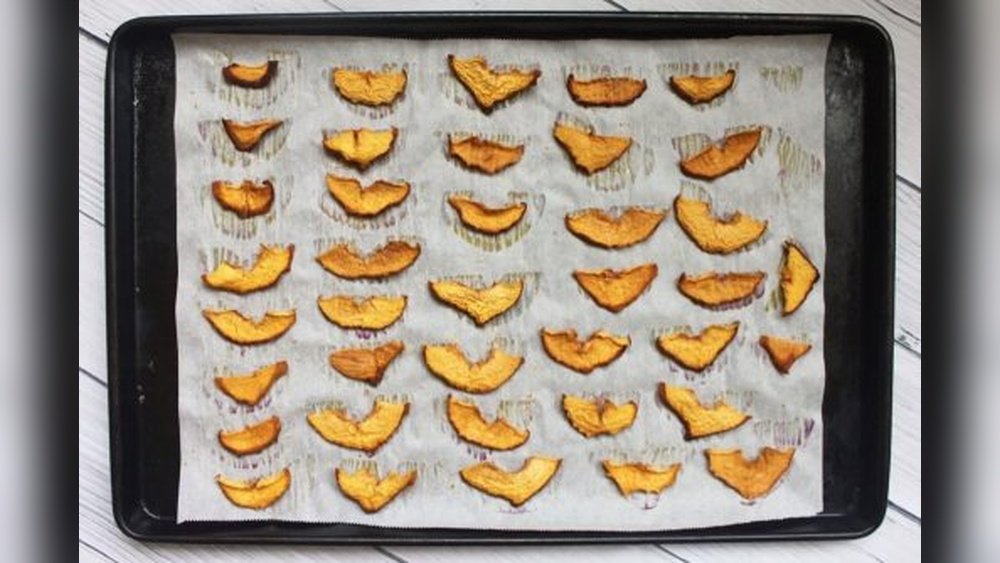
Dehydrating peaches in the oven is a rewarding way to enjoy the flavors of summer all year. Whether you have a bumper crop from your backyard tree or found a great deal at the market, learning this method lets you create healthy snacks, vibrant additions to recipes, and even thoughtful homemade gifts.
Many people think dehydrating is only for those with special machines, but your regular kitchen oven works surprisingly well. This guide will walk you through every step, from choosing the right peaches to storing your dried fruit safely. Along the way, you’ll discover tips that even experienced home cooks sometimes overlook.
By the end, you’ll feel confident creating your own oven-dried peaches—no fancy equipment required.
Why Dehydrate Peaches?
Peaches are packed with vitamins like vitamin C and vitamin A, plus fiber and antioxidants. Dehydrating helps preserve these nutrients while extending the fruit’s shelf life. Unlike canning or freezing, dried peaches need no special storage equipment and are lightweight for snacks or travel. They’re free from added sugars and preservatives found in many store-bought dried fruits.
Another benefit: dehydrated peaches concentrate their natural sweetness, making them a delicious, healthy treat. They’re perfect for trail mix, baked goods, cereals, or just eating by the handful. Knowing how to dry peaches at home gives you control over the ingredients and final taste.
Choosing The Best Peaches
The quality of your dried peaches starts with the fruit you select. Here’s how to make the best choice:
- Ripeness: Choose fully ripe but firm peaches. Overripe peaches can become mushy during preparation and may not dry evenly.
- Variety: Freestone varieties (the pit comes out easily) are much easier to work with than clingstone types. Examples include Elberta, Redhaven, and O’Henry.
- Appearance: Look for peaches with vibrant color, smooth skin, and no brown spots or bruises.
- Size: Similar-sized peaches will dry at the same rate, making your results more consistent.
Buying in bulk at a local farm stand or market during peak season can save money and provide the best flavor.
Preparing Peaches For Dehydrating
Good preparation leads to better drying and tastier snacks. Don’t rush these steps:
Washing And Inspecting
Rinse peaches under cool running water to remove dirt and pesticides. Gently rub the skin with your fingers or a soft brush. Remove any damaged areas with a knife.
Peeling (optional)
Peeling is a personal choice. The skin can add texture and fiber, but some people find it tough after drying. For a smoother result, peel the peaches:
- Bring a pot of water to a gentle boil.
- Cut a small “X” on the bottom of each peach.
- Dip peaches in boiling water for 30-60 seconds.
- Transfer to ice water for a few seconds.
- Slip off the skin with your fingers.
Slicing
Uniform slices ensure even drying. Slice peaches into 1/4 to 1/2 inch thick pieces. Thinner slices dry faster and have a chewier texture, while thicker ones stay more tender. Remove the pit from each peach.
Preventing Browning
Peaches can brown when exposed to air—a natural process called oxidation. To keep your dried peaches bright:
- Dip slices in a mixture of 1 cup lemon juice to 4 cups water for 5 minutes.
- Drain and pat dry with a paper towel.
Alternatively, use a solution of ascorbic acid (vitamin C powder) as recommended on the package.
Equipment Needed
You don’t need expensive tools, but having the right setup makes the process easier:
- Baking sheets: Standard rimmed sheets work best to catch juices.
- Oven-safe racks: Wire cooling racks fit inside baking sheets, allowing air to circulate around each slice.
- Parchment paper: Keeps fruit from sticking to pans or racks.
- Sharp knife or mandoline: For consistent slices.
- Silicone spatula: Helpful for lifting sticky fruit.
If you plan to dry fruit often, consider buying nonstick oven dehydrating mats, but they aren’t essential for occasional batches.
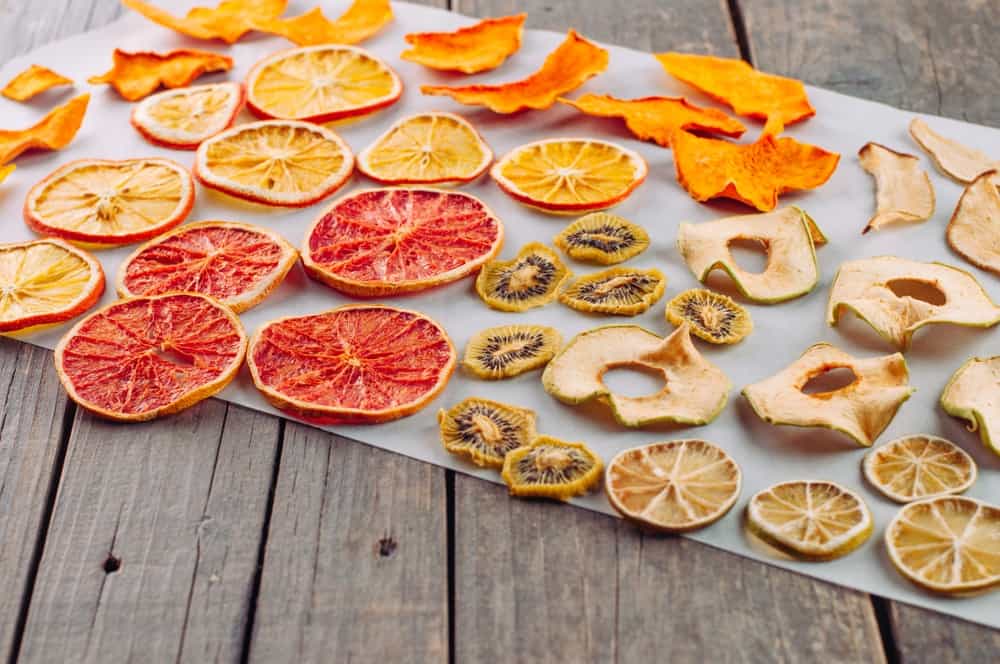
Credit: www.ruralsprout.com
Step-by-step: How To Dehydrate Peaches In The Oven
Drying peaches in the oven takes patience, but the steps are simple. Here’s a clear process for great results:
1. Preheat Your Oven
Set your oven to its lowest temperature setting. Most ovens go as low as 170°F (77°C), but some only reach 200°F (93°C). If your oven only goes higher, prop the door open slightly with a wooden spoon to let heat escape and lower the temperature.
2. Arrange Slices On Racks
Place prepared peach slices in a single layer on a wire rack set over a baking sheet. If you don’t have racks, line your baking sheets with parchment paper and lay the slices directly on top. Leave space between pieces for air flow.
3. Dry The Peaches
Put the trays in the oven. Drying time varies by slice thickness, oven temperature, and humidity. It usually takes 6 to 12 hours.
- Check every 2 hours.
- Flip slices halfway through for even drying.
- Rotate trays in the oven if using more than one.
4. Test For Doneness
Dried peaches are ready when they feel leathery but still flexible. They shouldn’t be sticky or wet. Tear a slice in half—it should not release juice but can feel slightly tacky.
If you want extra-crispy chips, let them dry a bit longer, but most people prefer a chewy texture.
5. Cool And Condition
Let dried peaches cool completely on racks. This prevents condensation in storage.
For the best shelf life, condition the dried fruit:
- Place cooled peaches in a large glass jar or container.
- Seal and shake once a day for 7 days.
- If condensation appears, return slices to the oven for another hour, cool, and repeat conditioning.
This step evens out moisture and helps avoid mold.
How Oven Dehydrating Compares To Other Methods
Oven drying is popular because it uses tools you already have. But how does it compare to other methods?
| Method | Pros | Cons |
|---|---|---|
| Oven | Accessible, no extra equipment, large batches | Uses more energy, slower, occasional uneven drying |
| Electric Dehydrator | Consistent temperature, efficient, easy to use | Requires purchase, storage space |
| Sun Drying | Free energy, traditional, gentle drying | Needs hot, dry climate, risk of pests/contamination |
| Air Fryer | Quick, small batches, easy cleanup | Limited capacity, not ideal for large amounts |
An oven is reliable for home cooks who want to try dehydrating before investing in a special appliance.
Troubleshooting And Common Mistakes
Dehydrating peaches in the oven isn’t complicated, but a few mistakes can spoil your results. Here’s how to avoid them:
Slices Stick To Pan Or Rack
This happens if you skip parchment paper or don’t use a rack. Always line pans or use racks to prevent sticking.
Uneven Drying
If some pieces are chewy and others are crispy, check for:
- Uneven slice thickness
- Overcrowding trays
- Not rotating trays during drying
Try to cut all slices the same thickness and spread them out.
Burned Or Overly Crispy Pieces
This can happen if your oven runs hot or slices are too thin. Use an oven thermometer to check your temperature. If your oven can’t go lower than 200°F (93°C), crack the door and check more often.
Mold After Storage
Moisture left in the fruit will cause mold. Always test for dryness and condition your fruit before long-term storage.
Peaches Are Too Hard
Overdrying can make peaches brittle. They should still bend slightly. If they’re too hard, try soaking them in water for a few minutes before eating.
How To Store Dehydrated Peaches
Proper storage keeps your dried peaches tasty and safe. Here’s what works best:
Containers
Use airtight glass jars, vacuum-sealed bags, or food-safe plastic containers. Glass is ideal because it’s non-reactive and lets you see the fruit.
Location
Keep containers in a cool, dark place—like a pantry or cupboard. Sunlight and warmth can degrade flavor and nutrients.
Shelf Life
Well-dried and stored peaches last 6 to 12 months. Check them monthly for signs of moisture or mold.
For longer storage, keep dried peaches in the freezer.
Creative Ways To Use Oven-dried Peaches
Dehydrated peaches aren’t just for snacking. Here are some creative ideas:
- Trail Mix: Mix with nuts, seeds, and a few chocolate chips.
- Breakfast: Add to oatmeal, yogurt, or granola for a sweet, chewy boost.
- Baking: Chop and mix into muffins, scones, or quick breads.
- Rehydrated Fruit: Soak slices in hot water for 10 minutes to use in pies or cobblers.
- Homemade Tea: Add slices to black or green tea for a fruity flavor.
- Gift Jars: Layer dried peaches with other fruits and nuts for a homemade present.
- Salads: Slice thinly and toss on green salads with goat cheese and nuts.
- Smoothies: Rehydrate and blend for a rich, peachy smoothie.
Nutritional Value Of Dehydrated Peaches
Drying concentrates both nutrients and calories. Here’s how dried peaches compare to fresh:
| Per 100g | Fresh Peach | Dried Peach |
|---|---|---|
| Calories | 39 | 239 |
| Fiber (g) | 1.5 | 8.2 |
| Vitamin C (mg) | 6.6 | 2.0 |
| Vitamin A (IU) | 326 | 1,000 |
| Sugar (g) | 8.4 | 53 |
Dried peaches are a more concentrated source of energy and fiber but have lower vitamin C, which is sensitive to heat. They still provide important antioxidants and minerals.
Safety Tips
Food safety is important when dehydrating at home. Here are some essential guidelines:
- Clean Hands and Tools: Always wash your hands, cutting boards, and knives before starting.
- Dry Thoroughly: Moisture in fruit leads to mold. Always check for dryness before storage.
- Store Promptly: Once cooled and conditioned, store dried peaches right away.
- Inspect Regularly: If you see mold, off smells, or odd colors, discard the fruit.
- Label Jars: Write the date on each container so you know how old your batch is.
Two Common Insights People Miss
While many guides cover the basics, here are two key insights beginners often overlook:
The Importance Of Air Flow
Even with a low oven temperature, good air circulation is critical. That’s why racks are better than baking directly on pans. If you must use a pan, turn the slices more often and don’t crowd them. Leave the oven door slightly open if needed.
Conditioning Prevents Spoilage
Many first-timers skip the conditioning step. Even if your peaches look dry, they may have uneven moisture inside. Shaking them daily in a jar redistributes that moisture, preventing mold and increasing shelf life.
:max_bytes(150000):strip_icc()/how-to-dehydrate-peaches-4775072-hero-01-c6b398c51a7c4337808460e1256c82c6.jpg)
Credit: www.thespruceeats.com
Advanced Tips For Perfect Oven-dried Peaches
If you want to take your dried peaches to the next level, try these advanced strategies:
- Add spices: Sprinkle peach slices with cinnamon, ginger, or cardamom before drying.
- Sweeten naturally: For extra-sweet slices, dip in honey water (mix 1 part honey with 2 parts warm water) for 5 minutes before drying.
- Uniform slices: Use a mandoline slicer for perfectly even pieces.
- Rotate trays: Ovens have hot spots. Rotate trays and swap racks top to bottom for even drying.
- Batch size: Don’t overload your oven. More than two trays at a time can block air and slow drying.
Cost Comparison: Homemade Vs Store-bought
Are homemade dried peaches worth the effort and cost? Here’s a look:
| Source | Approx. Cost per Pound (USD) | Ingredients |
|---|---|---|
| Homemade | $2.00 – $3.00 (in season) | Peaches, lemon juice (optional) |
| Store-Bought | $6.00 – $12.00 | Peaches, often sugar, preservatives |
Homemade peach slices are cheaper, especially when peaches are in season, and you control the ingredients—no added sugar or sulfites.

Credit: frugalfamilyhome.com
When To Dehydrate Peaches
Timing makes a big difference in quality and cost:
- Peak season: Late June through August in most of the US. Prices are lowest, and fruit is freshest.
- After harvest: If you grow peaches, dry them as soon as possible after picking.
- Before fruit spoils: Dehydrate peaches that are ripe and about to go soft—just avoid any with mold or large bruises.
Environmental Impact
Drying your own peaches is environmentally friendly for several reasons:
- Reduces food waste: Saves surplus fruit from being thrown out.
- No packaging waste: Avoids plastic bags and containers from store-bought dried fruit.
- Lower transport costs: Uses local fruit, which requires less shipping and energy.
If you use your oven efficiently (full trays, drying several batches back-to-back), the extra energy cost is minimal compared to the benefits.
What To Do With Leftover Peach Peels And Pits
Don’t throw away the scraps! Here are some ideas:
- Peach syrup: Simmer peels and pits with water and sugar to make a fragrant syrup for drinks or pancakes.
- Infused water: Boil peels for a lightly peach-flavored drink.
- Compost: Add peels and pits to your compost bin for garden fertilizer.
Never eat the pits—they contain amygdalin, which is not safe for eating.
How To Rehydrate Dried Peaches
Sometimes you want juicy peaches for baking or cooking. Rehydrating is easy:
- Place dried slices in a bowl.
- Cover with hot water.
- Soak for 10–20 minutes until soft.
- Drain and use as needed.
For extra flavor, soak in juice or add a cinnamon stick to the soaking water.
Kids And Dehydrated Peaches
Dried peaches are a great snack for children—sweet, chewy, and full of nutrients. They’re less sticky and messy than fresh fruit and easy to pack in lunchboxes. Just remember, dried fruit is calorie-dense, so serve in small amounts to avoid too much sugar.
Are Dehydrated Peaches Good For Special Diets?
Oven-dried peaches are suitable for many diets:
- Vegan and vegetarian: 100% fruit, no animal products.
- Gluten-free: Naturally gluten-free.
- Paleo and Whole30: As long as you don’t add sugar.
- Low-sodium: No added salt.
People with diabetes should enjoy dried fruit in small servings, as it has concentrated sugars.
Where To Learn More
For detailed information on drying fruits and other safe food preservation methods, visit the National Center for Home Food Preservation. Their guides are research-based and updated regularly.
Frequently Asked Questions
How Long Do Dehydrated Peaches Last?
Dried peaches last 6 to 12 months when stored in airtight containers in a cool, dark place. Always check for mold or off smells before eating.
Can You Dehydrate Peaches Without Peeling Them?
Yes, you can dry peaches with the skin on. The texture is chewier and a little tougher, but you keep more fiber and save time.
What’s The Best Oven Temperature For Drying Peaches?
The best temperature is 135–170°F (57–77°C). If your oven doesn’t go that low, use the lowest setting and prop the door open slightly to let heat escape.
How Do You Know When Dried Peaches Are Done?
They should feel leathery and flexible, not sticky or wet. Tear a slice in half; no juice should leak out.
Is It Safe To Dehydrate Peaches In A Gas Oven?
Yes, but make sure your oven is well-ventilated. Keep the door slightly open for air flow, and check slices often to prevent burning.
Dehydrating peaches in the oven is more than just a way to save food—it’s an easy, creative kitchen project that connects you with the flavors of summer any time of year. With a little patience and the right steps, you’ll have a healthy snack that’s all your own.
Enjoy sharing your homemade dried peaches with family and friends, or keep them as a sweet reminder of the season’s bounty.