
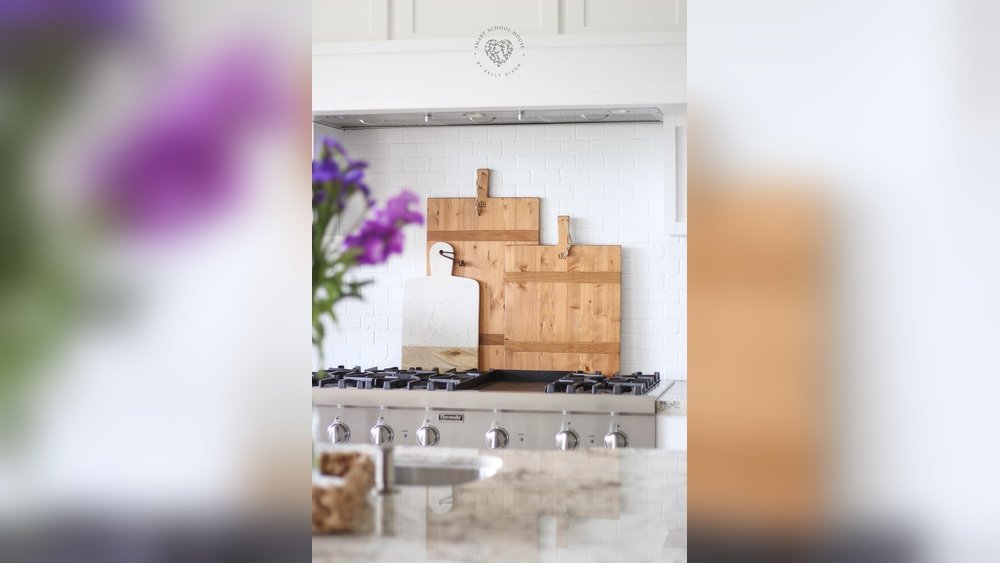
Decorating with cutting boards is a simple way to add warmth, charm, and personality to your kitchen and dining spaces. These humble kitchen tools, often made of wood, marble, or bamboo, are not just for slicing bread or chopping vegetables. With a little creativity, cutting boards can become beautiful and practical decor elements that transform your home. Whether your style is modern, rustic, farmhouse, or eclectic, there are countless ways to display and use cutting boards that go far beyond their original purpose.
Many people overlook the visual impact that cutting boards can have. They offer natural textures, interesting shapes, and a sense of history—especially if you use vintage or reclaimed pieces. Decorating with cutting boards is also affordable and flexible. You can switch things up with the seasons, layer boards for depth, or even turn them into art. This article will guide you through everything you need to know: from choosing the right boards and arranging them, to creative DIY projects and maintenance tips. Along the way, you’ll discover fresh ideas and practical advice that you won’t find in generic guides.
Why Cutting Boards Make Great Decor
Cutting boards are more than just kitchen tools. They are functional, versatile, and offer a unique mix of style and substance. Here’s why they are perfect for home decor:
- Natural beauty: Many cutting boards are made of wood, which adds warmth and organic texture to any room.
- Variety: Boards come in different shapes, sizes, and materials, so you can find ones that fit your taste.
- History and character: Vintage cutting boards often have knife marks and patina, telling a story and adding authenticity.
- Practicality: You can use them for food prep, serving, or simply as decorative accents.
Many designers use cutting boards to soften modern kitchens or add life to all-white rooms. Even a small display can change the feel of a space. For renters or anyone who wants a quick update, cutting boards are an easy way to refresh your home without making permanent changes.
Types Of Cutting Boards To Use For Decor
Before you start decorating, it’s helpful to know the types of cutting boards available. Each kind has its own look, feel, and advantages.
| Type | Main Features | Best For |
|---|---|---|
| Wood | Warm, rich grain patterns; comes in maple, walnut, acacia | Rustic, farmhouse, or classic kitchens |
| Bamboo | Eco-friendly, light color, fine grain | Modern, minimalist, or eco-conscious spaces |
| Marble | Sleek, cool surface, often white or gray with veining | Elegant, contemporary, or luxury kitchens |
| Plastic | Bright colors, lightweight, practical | Functional, playful, or kids’ areas |
| Vintage/Reclaimed | Unique shapes, patina, often handmade | Eclectic, boho, or authentic vintage style |
When choosing boards for decor, consider the overall vibe of your home. For example, a mix of wood and marble can add interest to a neutral kitchen, while bold-colored boards might suit a creative cooking space.

Credit: mylifeonkayderosscreek.com
How To Arrange Cutting Boards For Maximum Impact
The way you arrange your cutting boards can completely change the look of your kitchen. Here are some smart strategies:
1. Leaning Against The Backsplash
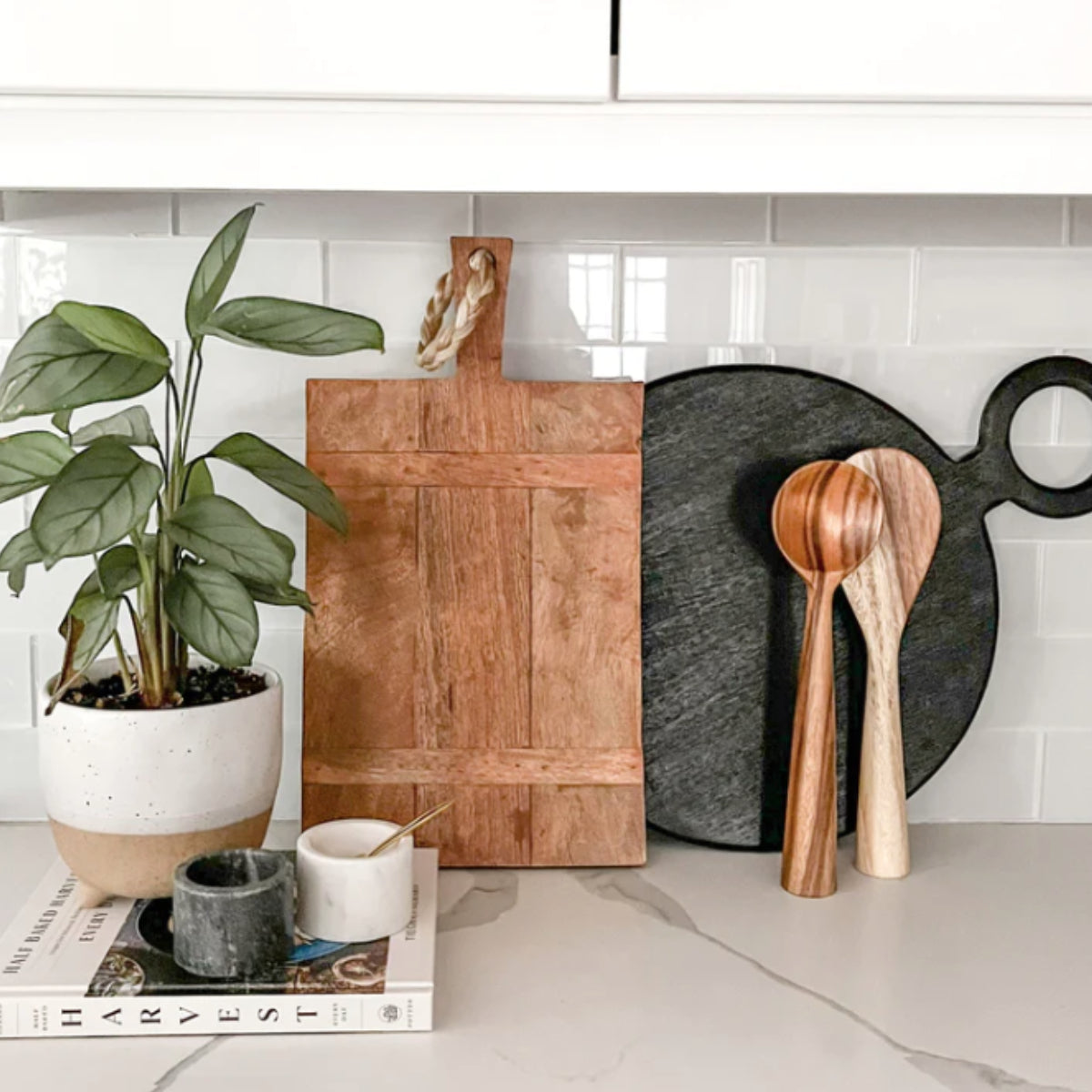
One of the easiest methods is to simply lean boards upright against your kitchen backsplash. Choose a few boards of different sizes and materials. Place the largest one in the back and overlap smaller ones in front. This creates a casual, layered look that’s both stylish and functional. You can quickly grab a board when you need it, and the arrangement adds warmth to cold tile or stone.
2. Hanging On Walls
Hanging cutting boards on the wall turns them into instant art. Use hooks, pegs, or even nails to display your boards vertically or in a creative pattern. Try mixing round, rectangular, and paddle-shaped boards for an interesting gallery wall. This works well above a counter, kitchen island, or even in a hallway leading to the kitchen.
3. Creating A Board “ledge” Display
Install a simple floating shelf or ledge and line up your favorite boards. This method lets you showcase boards at different heights, and you can add cookbooks, small plants, or jars of utensils for extra charm. A ledge is especially useful for renters who don’t want to make too many holes in the wall.
4. Layering In Open Shelving
Open shelves are a popular kitchen trend, and cutting boards fit right in. Tuck a few boards behind stacks of plates or bowls to add depth and texture. If you have boards with unique handles or shapes, let them peek out for a touch of character.
5. Standing In A Basket Or Crock
If you have a collection of smaller boards, stand them upright in a large crock, basket, or even a deep bowl. This keeps them organized and easy to reach, while adding a relaxed, farmhouse feel. Try this on your counter, kitchen island, or even on a dining buffet.
6. Mixing Boards With Other Decor Items
Don’t be afraid to combine cutting boards with other decor elements. For example, pair boards with vases, artwork, or small kitchen appliances. This approach creates a lived-in look that feels personal, not staged.
Creative Ways To Use Cutting Boards Beyond The Kitchen
Cutting boards aren’t just for kitchens. Their versatility makes them great additions in other parts of your home.
Serving Trays
A large, flat cutting board can easily double as a serving tray for parties. Arrange cheese, fruit, crackers, or desserts on a beautiful board for an instant, stylish spread. Handles or a paddle shape make carrying easier.
Coffee Table Centerpiece
Place a round or rectangular board in the middle of your coffee table. Add candles, small plants, or decorative objects for a cozy, pulled-together look. Boards help group items and protect your table from spills.
Bathroom Display
Use a small wood or marble board to organize bathroom essentials like soap, jars, or rolled towels. This adds a spa-like touch and keeps things tidy.
Desk Organizer
A slim cutting board can serve as a base for organizing pens, notepads, and tech accessories on your work desk. It brings a natural element to a functional space.
Entryway Catchall
Put a board on a console table near your front door. Use it as a catchall for keys, mail, and sunglasses. This keeps clutter in check and adds style to an often-overlooked area.
Styling Cutting Boards For Different Decor Themes
Cutting boards are chameleons—they fit many styles. Here’s how to match boards to your decor theme.
Rustic And Farmhouse
Go for boards with visible grain, knots, and even knife marks. Look for reclaimed wood or boards with a handmade feel. Mix in antiques like old scales, mason jars, or enamelware for an authentic farmhouse look.
Modern And Minimalist
Choose boards with clean lines, simple shapes, and smooth finishes. Marble and bamboo boards work well here. Keep displays uncluttered—just one or two boards leaning against a white backsplash can make a bold statement.
Boho And Eclectic
Don’t be afraid to mix materials, shapes, and colors. Layer wood, marble, and even resin boards. Add textiles, colorful ceramics, or potted plants for a relaxed, creative vibe.
Classic And Traditional
Stick with timeless wood boards in traditional shapes. Arrange them with copper pots, blue-and-white china, or classic cookbooks. This creates a cozy, welcoming space that never goes out of style.
Industrial
Look for boards with metal handles or industrial details. Pair with exposed brick, metal shelves, or concrete countertops. The natural wood softens hard, urban edges.
Diy Cutting Board Decor Projects
If you want something truly unique, try a DIY project using cutting boards. These ideas are simple, affordable, and add a personal touch to your home.
1. Chalkboard Menu Board
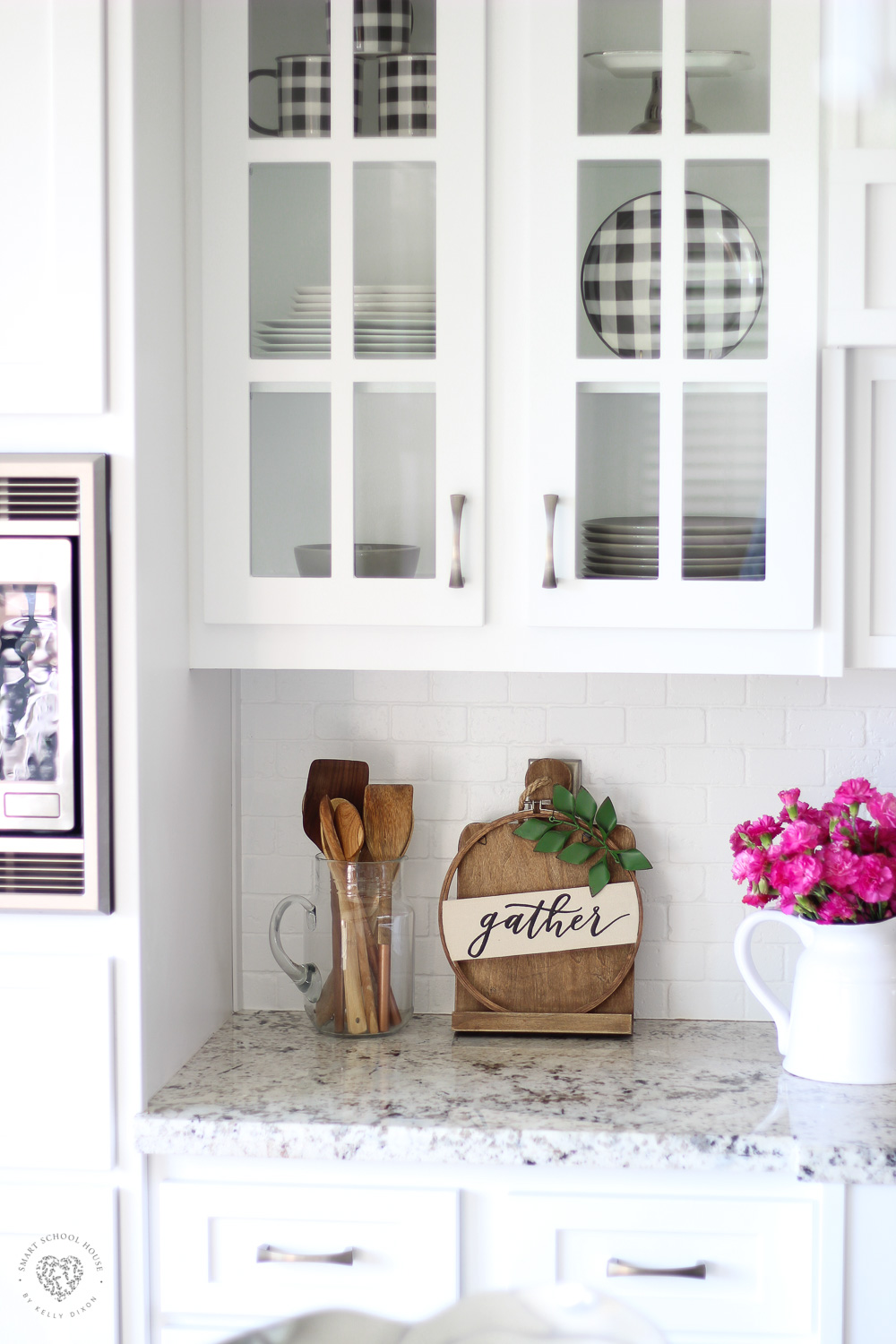
Transform an old cutting board into a chalkboard by painting one side with chalkboard paint. Use it to write your weekly menu, grocery lists, or welcome messages. Hang it with twine or prop it against the backsplash.
2. Decorative Wall Hooks
Attach hooks or knobs to a sturdy board and mount it on your wall. This makes a stylish spot for hanging aprons, towels, or utensils. Choose vintage hooks for a retro look or modern hardware for a clean finish.
3. Hanging Planter
Drill holes in a wooden board and thread through rope to create a hanging planter. Attach small pots for herbs or succulents. Hang near a sunny window for a fresh, green accent.
4. Painted Art Board
Use acrylic paint or wood stain to add patterns, quotes, or designs to an old board. Try stripes, polka dots, or even floral motifs. Seal with food-safe oil if you want to use the board for serving.
5. Photo Display Board
Glue small clips or wire to a board and use it to display photos, recipe cards, or kids’ artwork. This is an easy way to personalize your kitchen or workspace.
Credit: www.smartschoolhouse.com
Caring For Decorative Cutting Boards
Decorative cutting boards need regular care to stay beautiful, especially if you use them for food. Here are some essential tips:
- Clean boards by hand with mild soap and warm water. Never put wooden boards in the dishwasher, as heat and water can cause warping or cracking.
- Dry boards immediately after washing. Standing water can damage wood over time.
- Oil wooden boards regularly with food-safe mineral oil or beeswax. This keeps the wood hydrated and prevents splitting.
- Remove stains and odors by rubbing the board with coarse salt and half a lemon. Rinse and dry well.
- Store boards upright or on their side to allow air to circulate and prevent moisture buildup.
A well-cared-for board can last for years and even become a family heirloom. If you use boards for both food and decor, keep decorative boards separate from boards used for raw meat or fish for safety.
Common Mistakes To Avoid When Decorating With Cutting Boards
Decorating with cutting boards seems easy, but there are a few mistakes people often make:
- Overcrowding the space: Too many boards can look cluttered and messy. Choose a few favorites and rotate them out for a fresh look.
- Ignoring board size: Mixing only similar-sized boards can create a flat, boring display. Combine different sizes and shapes for more interest.
- Neglecting maintenance: Decorative boards still need cleaning and oiling, especially in humid kitchens.
- Using damaged boards: Avoid boards with deep cracks or mold. These can be unsafe for food and unsightly as decor.
- Missing the theme: Make sure your boards fit your overall style. For example, a marble board might look out of place in a rustic kitchen.
Remember, less is often more. Focus on quality, not quantity, and let each board shine.
Where To Find Unique Cutting Boards
Finding the right cutting boards is part of the fun. Here are some trusted sources:
- Local kitchen stores: Many independent shops carry artisan boards made from local wood.
- Antique markets: Vintage and reclaimed boards often have unique shapes and patina.
- Online retailers: Websites like Etsy, Food52, and Williams Sonoma offer a wide range of handcrafted and designer boards.
- Farmers’ markets: Some woodworkers sell handmade boards that you won’t find anywhere else.
When shopping, look for solid construction, smooth edges, and food-safe finishes. If you choose a board just for decor, you can be more flexible with material and finish.
Seasonal And Holiday Decorating Ideas
Cutting boards are easy to update with the seasons or holidays. Here’s how to keep your decor fresh year-round:
Fall
Add mini pumpkins, dried leaves, or cinnamon sticks to your board display. Use boards as serving trays for apple cider or pies.
Winter
Arrange pinecones, greenery, or candles on marble boards. Create a hot chocolate bar using a large board for mugs and toppings.
Spring
Decorate with fresh flowers, pastel linens, or Easter eggs. Serve spring salads or fruit on light-colored boards.
Summer
Use boards for outdoor picnics—cheese, bread, and fruit look beautiful on natural wood. Add seashells or bright napkins for a beachy feel.
Changing a few details each season keeps your home feeling lively and welcoming.
Credit: pepperandvetiver.com
How To Mix Cutting Boards With Other Kitchen Decor
Cutting boards work best when they blend naturally with your other kitchen items. Here’s how to create a harmonious look:
- Group by material: Pair wood boards with wooden utensils, or marble boards with stoneware.
- Match colors: Choose boards that complement your cabinets, countertops, or walls.
- Balance old and new: Mix vintage boards with modern dishes for a collected-over-time feel.
- Layer with textiles: Add a linen towel or woven placemat under your board for extra texture.
One non-obvious tip: If you have colorful or patterned backsplashes, choose simple, solid boards. If your kitchen is neutral, pick boards with bold grain or color for contrast.
How To Choose Cutting Boards For Small Spaces
If you have a small kitchen or limited counter space, you can still decorate with cutting boards. Here are some space-saving ideas:
- Choose thin, lightweight boards that can hang on hooks or store upright.
- Pick multi-functional boards—for example, a board that doubles as a serving tray or cheese platter.
- Use vertical space: Hang boards on a peg rail or inside cabinet doors.
- Display just one or two boards for a clean, uncluttered look.
A common beginner mistake is buying too many large boards for a small space. Start with one statement board and add more only if you have room.
Comparison: Wood Vs. Marble Vs. Bamboo Boards For Decor
Here’s a quick comparison to help you choose the best board for your space:
| Feature | Wood | Marble | Bamboo |
|---|---|---|---|
| Look | Warm, classic | Elegant, modern | Light, natural |
| Care | Needs oiling | Wipe clean, avoid dropping | Hand wash, less oiling |
| Weight | Medium | Heavy | Light |
| Price | $$–$$$ | $$$ | $–$$ |
| Best For | Rustic, traditional | Modern, elegant | Eco-friendly, minimalist |
Wood boards are the most classic and versatile, but they need more maintenance. Marble boards are striking but heavy and can chip if dropped. Bamboo is eco-friendly and affordable, but may not have as much visual interest as hardwood.
Using Cutting Boards As Gifts And Souvenirs
Cutting boards also make thoughtful gifts and souvenirs. Personalized boards with engravings, initials, or special dates are popular for weddings, housewarmings, or anniversaries. Many artisans offer custom engraving, so you can add a meaningful message or family recipe.
A board picked up during travel can remind you of a special place and add a story to your kitchen. Just make sure any decorative finishes are food-safe if you plan to use the board for serving.
The Environmental Impact Of Cutting Boards
If sustainability matters to you, cutting boards are a smart choice—especially those made from bamboo or reclaimed wood. Bamboo grows quickly and is renewable, while reclaimed boards reuse existing materials. Avoid boards made from endangered woods or those with harsh chemical finishes.
When shopping, look for boards certified by the Forest Stewardship Council (FSC) or local artisans who use sustainable practices. For more details about sustainable wood choices, check the Forest Stewardship Council.
Two Non-obvious Insights For Beginners
- Use the “Rule of Thirds” for Arranging Boards: Designers often use the rule of thirds to create visually pleasing displays. Imagine your counter or wall divided into three parts. Place boards at the intersections, not in the center, for a more balanced look. This trick makes your arrangement look intentional, not random.
- Try Boards in Unexpected Places: Most people only use cutting boards in the kitchen, but boards can add style to a bedroom (as a tray for jewelry), a bathroom (to organize toiletries), or even a patio (for serving drinks). Moving boards around your home can give old pieces new life and keep your decor feeling fresh.
Frequently Asked Questions
How Do I Clean And Maintain Decorative Cutting Boards?
Clean decorative boards by hand with warm water and mild soap. Dry immediately. For wooden boards, oil them every few weeks with food-safe mineral oil to prevent drying and cracking. Avoid putting them in the dishwasher or soaking in water, as this can cause damage.
Can I Use The Same Board For Both Decor And Food?
Yes, but be careful. If you use a board for both, keep it clean and avoid using it for raw meat or strong-smelling foods. Decorative finishes, paints, or stains should always be food-safe if you plan to use the board for serving.
What Is The Best Way To Hang Cutting Boards On The Wall?
Use sturdy hooks, pegs, or racks designed for kitchen use. Make sure the wall can support the weight, especially for heavy wood or marble boards. Some boards come with built-in holes or handles for easy hanging. Command hooks are a good option for renters.
Is It Safe To Buy Vintage Or Reclaimed Cutting Boards?
Vintage or reclaimed boards are usually safe if they are in good condition. Avoid boards with deep cracks, mold, or old finishes that might not be food-safe. Clean thoroughly, and if you want to use them for serving, sand and oil them before use.
How Many Cutting Boards Should I Display At Once?
There’s no strict rule, but most designers recommend 2–5 boards for a balanced look. Too many boards can look cluttered. Start with your favorites and rotate them with the seasons or as your style changes.
Decorating with cutting boards is a creative, flexible, and practical way to add warmth and personality to your home. With these tips, you can make the most of every board—whether it’s brand new, vintage, or a family heirloom. Experiment, have fun, and let your boards tell your story.