
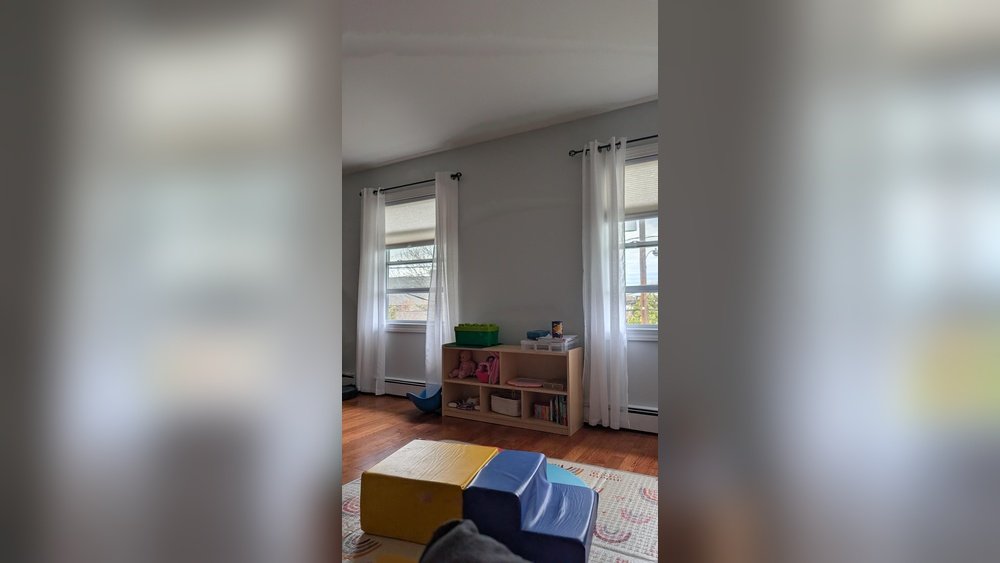
Decorating around baseboard heaters is a challenge many homeowners face. These heaters keep your room warm but can look bulky or out of place. If you put furniture too close, it blocks heat flow and may even be a fire risk.
Still, with the right approach, you can blend baseboard heaters into your room design, making them almost invisible or even stylish. This guide shows you practical, safe, and creative ways to decorate around baseboard heaters for every space and style.
Understanding Baseboard Heaters
Before you start decorating, it’s important to know how baseboard heaters work. These heaters use hot water (hydronic) or electricity to produce heat. The heater pulls in cool air from the bottom, warms it, and releases hot air from the top. When you block this airflow, your heater doesn’t work well. It uses more energy and can become unsafe. Always allow a few inches of space above and in front of the heater.
There are two main types:
- Electric baseboard heaters: These are common in homes without central heating. They are usually 6-8 inches tall and sit close to the wall.
- Hydronic (hot water) baseboard heaters: These use hot water to heat the metal fins inside. They’re often a bit larger but work the same way.
Knowing your heater type helps you plan for both safety and style.
Safety First: What You Must Avoid
Decorating safely around baseboard heaters is key. Some materials can catch fire, and certain arrangements make heaters work less efficiently. Here are important rules to follow:
- Never place fabric or paper materials on or above the heater. This includes curtains, drapes, and blankets.
- Keep furniture at least 6-12 inches away from the front and top of the heater. This gives enough space for air to move.
- Don’t block the heater with large objects like couches, beds, or storage boxes.
- Avoid wall-mounted shelves directly above the heater. Shelves can block rising heat and damage your items.
- Don’t paint over the heater’s vents or fins. Paint can reduce performance and may cause a smell when heated.
If you’re not sure about safe distances, check the heater’s manual or consult a local HVAC professional.

Credit: ghurairproperties.com
Smart Furniture Arrangement
Arranging furniture around baseboard heaters can be tricky, but it’s possible with some planning. The goal is to let heat flow freely while making your space comfortable. Here are practical tips for every room:
- Keep main furniture pieces away from heaters. Place beds, sofas, and chairs at least one foot from the heater.
- Use low-profile furniture. Low bookshelves or benches that sit below window sills but above the heater can work if they don’t block airflow.
- Choose open-leg designs. Tables and chairs with open legs allow heat to move through more easily than solid bases.
- Angle furniture. If space is tight, angle chairs or small tables so heat can flow diagonally into the room.
- Multi-use pieces. Consider floating desks or wall-mounted tables near, but not over, the heater.
Example Living Room Layout
Suppose your living room has a baseboard heater under the main window. Place the sofa on the opposite wall, chairs to the side, and a coffee table in the center. Leave at least a 12-inch gap between the heater and any side tables.
Space Planning Table
Here’s a quick guide for safe distances:
| Item | Minimum Distance from Heater | Reason |
|---|---|---|
| Sofa/Bed | 12 inches | Prevents blocking heat |
| Table/Chair | 6 inches | Allows airflow |
| Bookshelf | 12 inches | Safety and efficiency |
| Rug/Carpet | 2 inches (edge) | Fire prevention |
Wall Treatments And Color Choices
The walls around your baseboard heaters set the stage for your decor. You can use color and texture to make heaters blend in or stand out as a design feature.
Blend It In
Painting the wall and heater the same color helps the heater disappear. Most heaters are metal, so use a high-heat paint made for appliances. Choose a neutral color like white, gray, or beige for a seamless look.
Make It Pop
If you want a bold effect, paint the wall a contrasting color. For example, if your heater is white, try a deep blue or charcoal wall. This draws attention away from the heater, making the rest of the room the focus.
Add Texture
Wainscoting, beadboard, or wallpaper above the heater can add style. Just make sure trim or paneling doesn’t touch the heater or block vents.
Example Wall Color Combinations
| Wall Color | Heater Color | Effect |
|---|---|---|
| Soft White | White | Blends in |
| Light Gray | Matte Silver | Modern, subtle |
| Deep Navy | White | High contrast |
| Pale Blue | White or Gray | Fresh, coastal |
.jpg)
Credit: www.dreamgreendiy.com
Clever Cover Solutions
Many homeowners don’t like the look of their baseboard heaters. The right cover can improve safety and style. Here are options to consider:
1. Ready-made Covers
You can buy metal or plastic covers made for baseboard heaters. These snap onto the existing heater and have slots for airflow. Look for models that match your wall color or decor style.
2. Custom Wood Covers
A custom wood cover with a metal grille looks stylish. Make sure the top and front are open or have wide slats. Use heat-resistant paint or finish. Never use solid wood panels that block airflow.
3. Diy Painted Covers
Some people paint their old metal covers with high-heat spray paint for a fresh look. This is a budget-friendly way to match your room’s color.
4. Decorative Metal Screens
Decorative metal screens come in many patterns. They slide over the heater and allow air to move. Choose powder-coated finishes for durability.
5. Minimalist Options
If you like a modern look, use a simple flat metal panel with small holes. This is easy to clean and doesn’t attract dust.
Comparison Of Cover Types
| Cover Type | Cost | Style Options | Heat Efficiency |
|---|---|---|---|
| Ready-made metal | $$ | Basic to modern | High |
| Custom wood/metal | $$$ | Fully customizable | Medium (if slatted) |
| Decorative screen | $$ | Many designs | High |
| DIY painted | $ | Limited by paint color | High |
Non-obvious tip: If you choose a cover, clean the heater inside first. Dust can build up and cause smells or reduce heat output.
Window Treatments And Curtains
Many baseboard heaters sit under windows. This makes choosing curtains tricky. The wrong length or material can be a fire hazard. Here’s how to dress your windows safely and stylishly:
1. Use Short Curtains
Hang curtains that stop at least 4 inches above the heater. Café curtains or short Roman shades work well.
2. Consider Blinds Or Shades
Vertical blinds, roller shades, and honeycomb shades are safe because they don’t hang near the heater.
3. Mount Curtains High And Wide
Install the curtain rod well above the window and extend it past the sides. This keeps fabric away from the heater when open.
4. Use Fire-resistant Fabrics
If you want long drapes, choose materials labeled fire-resistant. These are safer but should still not touch the heater.
5. Avoid Heavy Drapes
Heavy, thick drapes can block heat from moving into the room. Light fabrics are better for energy efficiency.
Example: Safe Curtain Setup
In a bedroom with a baseboard heater under the window, use a sheer roller shade for privacy. If you add curtains, keep them no longer than the window sill.

Credit: www.angi.com
Using Rugs And Flooring Wisely
Flooring choices make a big difference in rooms with baseboard heaters. The wrong rug can block heat or even pose a risk. Here’s how to choose wisely:
1. Use Low-pile Rugs
Low-pile rugs (thin, flat) don’t block airflow. Place the edge of the rug at least 2 inches from the heater.
2. Choose Natural Materials
Wool and cotton rugs are safer than synthetic ones. They handle heat better and are less likely to melt or catch fire.
3. Avoid Thick Carpets
Thick carpets can trap heat and block airflow. If you want carpet, keep it away from the heater.
4. Use Rug Pads
A thin, non-slip pad keeps your rug in place but doesn’t block air. Make sure the pad is heat-resistant.
5. Floating Floors
If you’re installing new floors, leave a small gap (about 1/2 inch) along the wall for the heater.
Non-obvious insight: Some people tuck rugs under the heater to “hide” it. This is unsafe and blocks heat. Always keep rugs clear of the heater.
Adding Decor Accents
You can still add style around baseboard heaters without blocking them. Here are creative ideas:
1. Tall Art And Mirrors
Hang tall art or mirrors above and to the sides of the heater. This draws the eye upward and away from the heater.
2. Wall-mounted Shelves
Install floating shelves at least 12 inches above the heater. Use these for books, plants, or small decor.
3. Vertical Storage
Tall bookcases or wall ladders next to, but not over, the heater add storage without blocking heat.
4. Plants
Place plants on stands beside the heater. Avoid setting plants directly on top, as the heat can dry them out.
5. Lighting
Floor lamps with slim bases can go near but not in front of the heater. Sconces on the wall above provide light and style.
Seasonal Decorating Tips
Decorating around baseboard heaters changes with the seasons. Here’s how to keep your home cozy and safe all year:
Fall And Winter
- Use warm colors for throws and pillows, but keep them away from the heater.
- Add battery-powered candles or lanterns on nearby shelves for ambiance.
- Switch to thicker curtains, but keep them short.
Spring And Summer
- Swap in lighter curtain fabrics and brighter colors.
- Add fresh greenery in pots beside the heater.
- Use light cotton rugs for a breezy look.
Tip: When the heater is off in summer, you can move decor a bit closer, but move it back before the heating season.
Kid-friendly And Pet-friendly Decorating
If you have children or pets, safety is even more important. Here’s how to decorate with peace of mind:
1. Use Protective Covers
Choose heater covers with rounded edges and no sharp metal. Some covers are made for homes with kids and pets.
2. Block Access With Furniture
Place a low bookshelf or play table a safe distance in front of the heater to discourage touching, but don’t block airflow.
3. Skip Floor Cushions
Avoid placing beanbags or pet beds near the heater. These can catch fire or melt.
4. Choose Safe Materials
For rugs and curtains, pick fire-resistant options. Secure cords from blinds out of reach.
5. Teach Safety
Show kids and pets that the heater is not for playing or lying against. Use safety gates if needed for small children.
Mistakes To Avoid
Even experienced decorators make mistakes with baseboard heaters. Here are common errors and how to avoid them:
- Placing furniture too close: This blocks heat and can damage your furniture.
- Using long, heavy drapes: These can block airflow and are a fire risk.
- Not cleaning the heater: Dust and debris lower efficiency and can cause smells or smoke.
- Painting vents shut: This makes the heater less effective.
- Ignoring manufacturer guidelines: Always check your heater’s instructions for safe decorating distances.
Inspiring Real-life Examples
Seeing what others have done can spark your own ideas. Here are real-world examples:
- In a small city apartment, a couple painted their baseboard heater and wall the same color, then added a floating shelf above for plants and books.
- A family with kids installed a custom metal cover with rounded edges. They used a low storage bench 12 inches in front for toy storage, keeping airflow clear.
- In a vintage home, the owner used decorative metal screens to cover the heater and added short café curtains above for a cozy cottage look.
- A pet owner placed tall cat trees beside the heater, with a washable cotton rug in the open area, making a safe and stylish play space.
If you want more visual inspiration, websites like Houzz and Pinterest have thousands of photos showing creative solutions.
Professional Help And Upgrades
If your baseboard heaters are old or look bad, it may be time to upgrade. Modern covers are more stylish and efficient. An HVAC professional can help with:
- Replacing rusty or dented covers
- Upgrading to low-profile models
- Installing thermostatic controls for better comfort
- Cleaning or servicing old heaters for better performance
Some upgrades pay off in lower energy bills. For more on baseboard heating technology, visit the Wikipedia page on baseboard heaters.
Frequently Asked Questions
How Close Can I Put Furniture To A Baseboard Heater?
Keep large items like sofas and beds at least 12 inches (about 1 foot) away from the front of the heater. Small items like chairs or side tables can be 6 inches away, but avoid blocking airflow.
Can I Use Curtains With A Baseboard Heater Under The Window?
Yes, but keep curtains at least 4 inches above the top of the heater. Avoid long, heavy drapes. Use short curtains, blinds, or shades for safety.
Is It Safe To Put A Rug In Front Of A Baseboard Heater?
You can use a low-pile, natural fiber rug, but the edge should be at least 2 inches from the heater. Avoid thick or synthetic rugs, which can block heat or melt.
Are There Special Covers For Baseboard Heaters?
Yes. You can buy ready-made metal or decorative covers designed for baseboard heaters. Make sure any cover allows air to flow freely and is made from heat-safe materials.
What’s The Best Way To Hide Baseboard Heaters?
Paint the heater and wall the same color, use a stylish cover, or add decor like floating shelves above (but not blocking) the heater. Always follow safety and airflow guidelines.
Decorating around baseboard heaters doesn’t have to limit your style. With some planning and smart choices, you can create a space that is safe, efficient, and beautiful—even with heaters in view. Remember: the right color, cover, and furniture layout can turn a problem spot into a highlight of your home.