
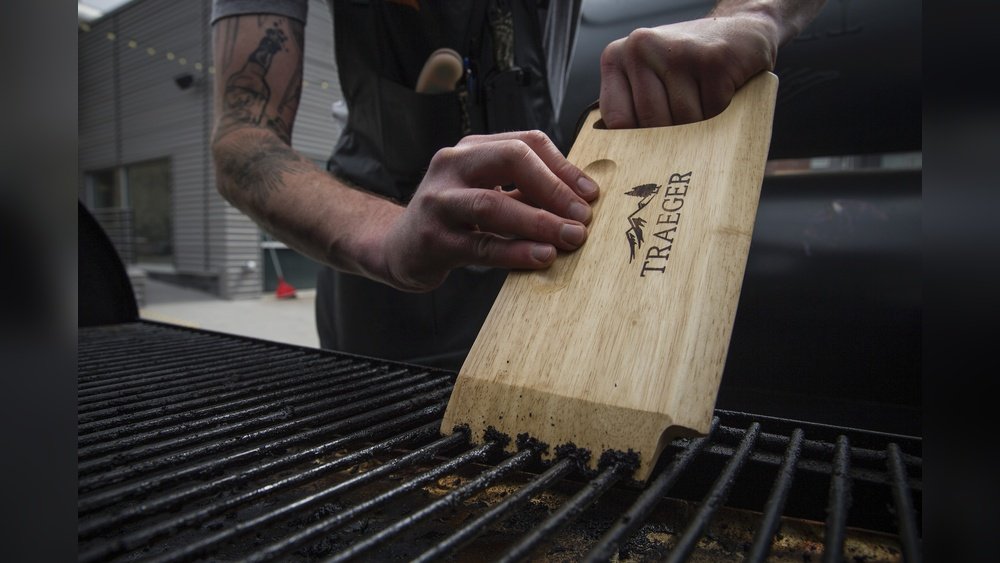
Grilling on a Traeger can turn any meal into a special event. The aroma, the smoky flavor, and the even heat make it a favorite for backyard chefs. But after the feast, many people push aside the less glamorous part—cleaning the grates.
Over time, leftover food and grease build up, causing smoke, flare-ups, and even strange tastes in your next meal. If you want your Traeger to last for years and every meal to taste great, knowing how to clean Traeger grates properly is a must.
This guide will walk you through every step, from basic tools to expert techniques. You’ll also see what products to use (and avoid), how often to clean, and what mistakes can damage your grill. Whether you’re new to pellet grills or a seasoned pitmaster, these tips will keep your grates in top shape and your food tasting its best.
Why Clean Traeger Grates Matters
A clean grill isn’t just about looks. Traeger grates are the heart of your grill’s cooking surface. When they’re dirty, three things can happen: food sticks, old grease causes smoke, and bacteria may grow. Most people notice their food tastes a bit off or gets unwanted grill marks from last week’s meal. But the real risk is that built-up grease can catch fire. In fact, grease fires are one of the main reasons grills are damaged or destroyed each year.
A clean grate also gives you better sear marks, more even cooking, and helps your Traeger use pellets more efficiently. Think of it as basic maintenance—like changing your car’s oil. It protects your investment and gives you the best results every time you cook.
Understanding Your Traeger Grates
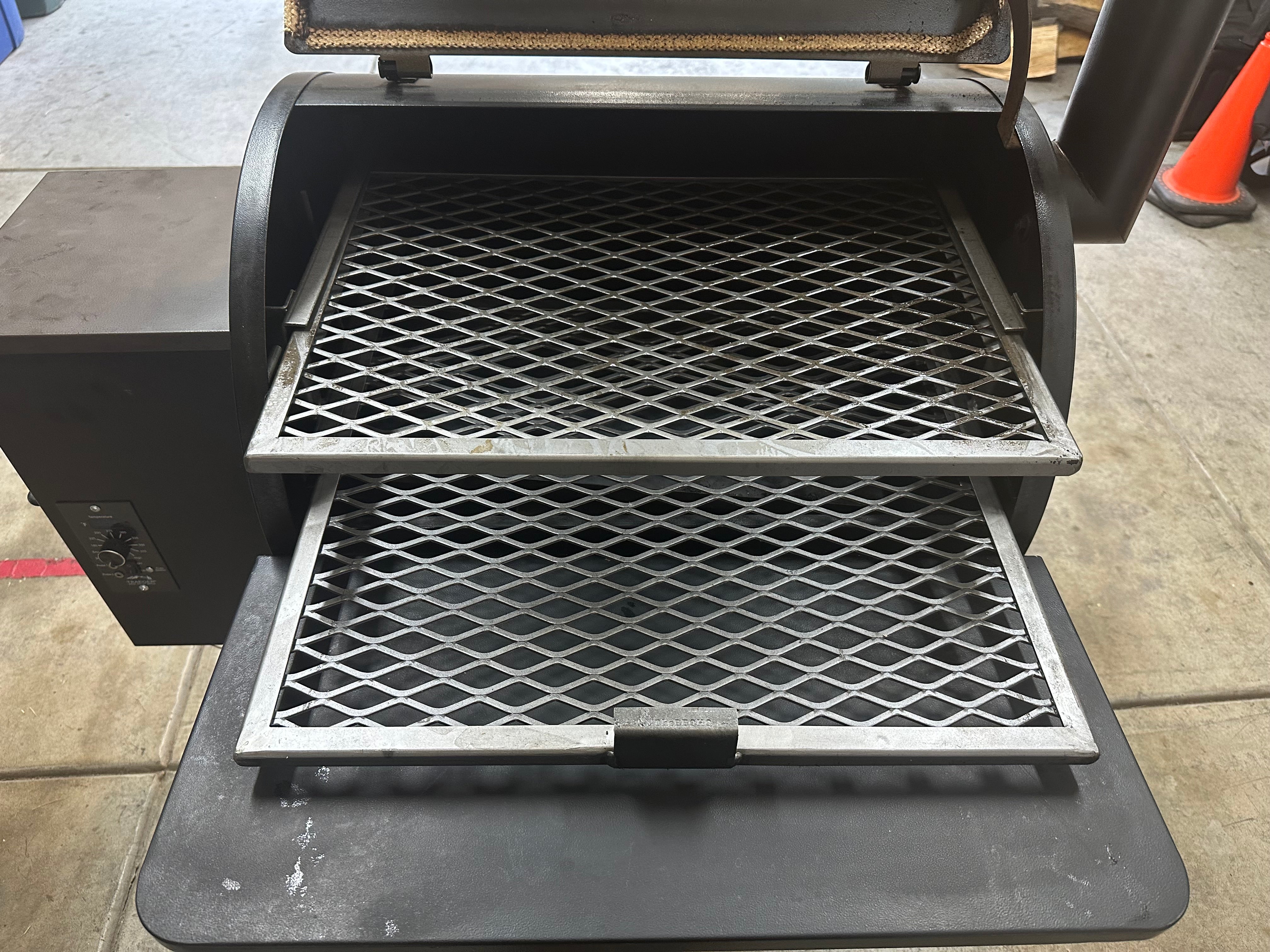
Traeger grates come in different materials, mainly porcelain-coated steel and stainless steel. Each needs special care. Porcelain grates are smooth and resist rust, but they can chip if you use the wrong tool. Stainless steel is tough and long-lasting, but harsh chemicals can discolor it.
Knowing your type matters because the wrong cleaning method can shorten the life of your grates or even void your warranty. If you’re not sure, check your grill’s manual or look for clues: porcelain is usually black and shiny, while stainless steel is silver and metallic.
Credit: thebbqhq.com
Tools And Supplies You Need
For the best clean, you need the right equipment. Here’s what works best:
- Stiff-bristled brush (nylon for porcelain, stainless steel for steel grates)
- Grill scraper (plastic or wooden for porcelain; metal for stainless)
- Mild dish soap
- Bucket of warm water
- Sponge or soft cloth
- Paper towels or clean rags
- Vegetable oil spray or high-heat cooking oil
- Gloves (optional, for greasy jobs)
- Vacuum cleaner or shop vac (for deep cleans)
Avoid using wire brushes with loose bristles or harsh oven cleaners. These can break off and stick to food or damage the porcelain.
How Often Should You Clean Traeger Grates?
There’s a big difference between a quick clean and a deep clean. Regular maintenance keeps your grill safe and tasting great.
- After every cook: Give the grates a quick brush while still warm. This stops food from sticking and makes deep cleans easier.
- Every 3-5 uses: Do a more thorough clean with soap and water.
- Once a season or every 2-3 months: Take out the grates for a deep clean, scrub off carbon, and check for rust.
If you grill often or cook fatty foods, you may need to clean more often. If you only grill occasionally, don’t let food sit for months—residue gets harder to remove over time.
Step-by-step: Basic Cleaning After Each Use
A quick clean after grilling is the most important habit. Here’s how to do it right:
- Let the grill cool slightly but not completely. Warm grates are easier to clean, but avoid burns.
- Brush off food particles with a stiff-bristled brush. Go with the grain of the grates, not across.
- Wipe with a damp cloth to pick up any loose debris.
- Oil the grates lightly with a paper towel dipped in vegetable oil. This stops rust and keeps food from sticking next time.
Tip: For porcelain grates, always use a nylon brush and avoid scraping hard, or you’ll chip the surface.
Deep Cleaning: The Right Way
Even with regular brushing, grease and carbon build up. A deep clean every few months brings your grates back to new.
Prepping For Deep Clean
- Remove grates and let them cool completely.
- Lay them on a flat surface, like a workbench or outdoor table.
- Place old towels or cardboard underneath to catch drips.
Washing The Grates
- Mix warm water and mild dish soap in a bucket.
- Soak a sponge or cloth and scrub the grates. For tough spots, let them soak for 10-15 minutes.
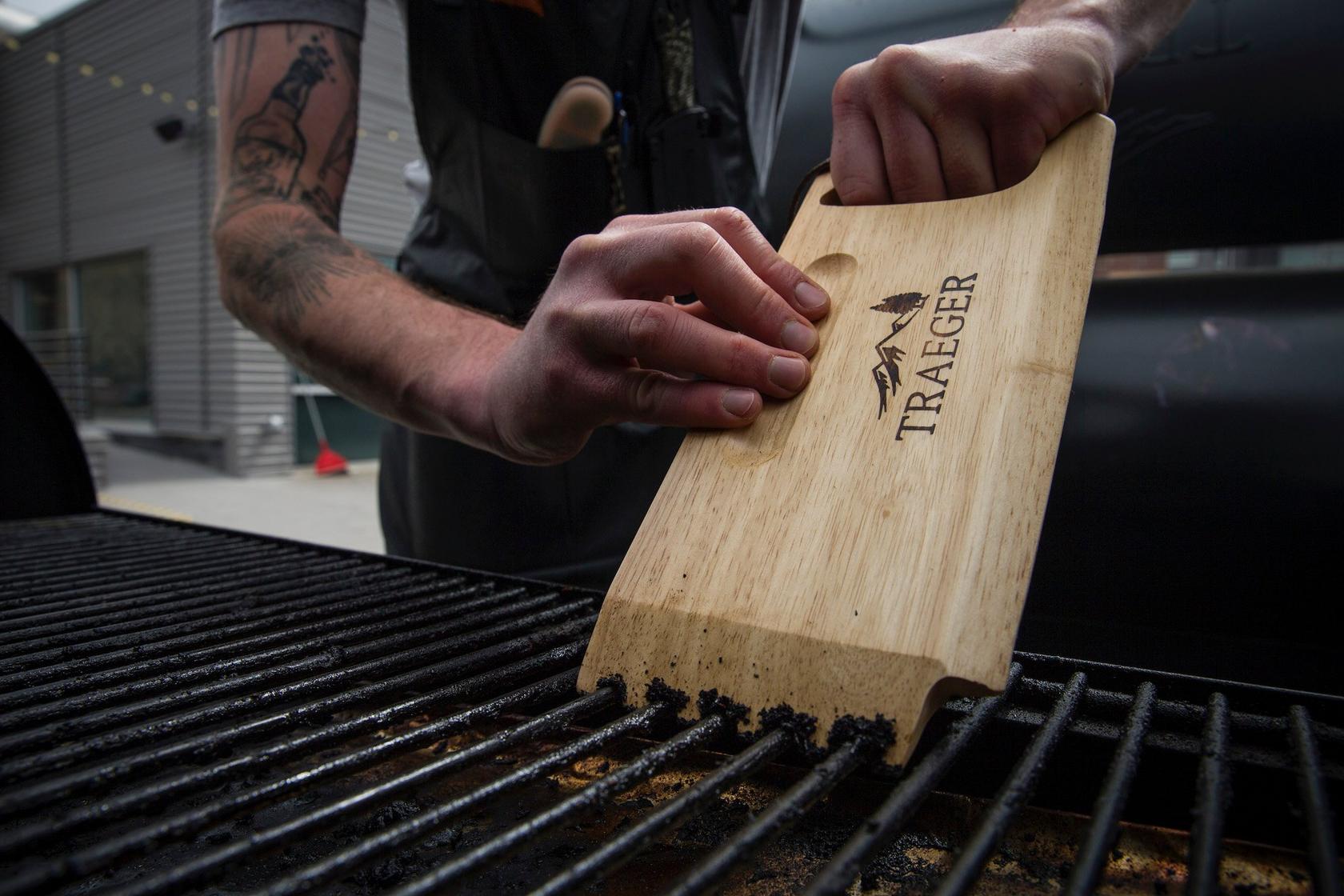
- Use a scraper to gently remove stuck-on gunk. For porcelain, use only plastic or wooden tools.
- Rinse with clean water to remove all soap.
- Dry thoroughly with a towel to avoid rust.
Dealing With Heavy Build-up
Sometimes, grates get a thick layer of carbon or sticky residue. Here’s how to handle it:
- Mix baking soda and water to make a paste. Spread it on the tough spots and let sit for 20 minutes.
- Scrub with a brush or scraper.
- For stainless steel, you can use a gentle stainless steel cleaner (never bleach or strong chemicals).
- Rinse and dry as usual.
Seasoning The Grates
After cleaning, always apply a thin coat of oil. This protects the metal and keeps food from sticking. Use a high-smoke-point oil like canola or grapeseed. Spray or wipe it on, heat the grill for 10 minutes, then let cool.
Cleaning Tips For Specific Grate Types
Not all grates are the same. Here’s what you need to know:
Porcelain-coated Grates
- Always use a nylon brush (never metal).
- Don’t use harsh cleaners or steel wool.
- If the porcelain chips, food can stick and the metal underneath may rust.
Stainless Steel Grates
- Use a stainless steel brush or scraper.
- You can scrub harder, but avoid harsh chemicals.
- If you see discoloration, use a stainless steel cleaner.
Cast Iron Grates (some Older Models)
- Must be oiled after every clean to prevent rust.
- Don’t soak in water for long periods.
- Avoid dishwasher or strong detergents.
Mistakes To Avoid
Some cleaning habits can damage your Traeger grates:
- Using wire brushes with loose bristles. These can break off and end up in your food.
- Soaking grates overnight. This can cause rust, especially on cast iron or chipped porcelain.
- Using oven cleaner or bleach. These leave toxic residues and damage coatings.
- Scraping too hard. You’ll chip porcelain or scratch stainless steel.
- Not drying completely. Moisture leads to rust, especially if you store your grill outside.
Non-obvious insight: Many people think more soap means a cleaner grill, but too much soap leaves residue and changes food taste. Always rinse well.
Using Grill Cleaning Products: What Works, What Doesn’t
There are dozens of grill cleaners on the market. Here’s what matters:
- Grill sprays: Only use those labeled safe for food surfaces. Spray on, let sit, then rinse well.
- Degreasers: Good for heavy grease, but always check for compatibility with your grate type.
- DIY solutions: Vinegar and baking soda work well for most messes and are food-safe.
Avoid products with bleach, ammonia, or strong acids. These can ruin your grates and may void your warranty. If you want to check a product, visit the Traeger Official Site for approved cleaners.
How To Remove Rust From Traeger Grates
Rust happens, especially if you live in a humid area or forget to oil your grates. Here’s how to fix it:
- Scrub the rusted spots with a wire brush (stainless steel only; never on porcelain).
- Mix vinegar and baking soda into a paste and apply to rust. Let sit for 30 minutes.
- Scrub again and wipe clean.
- Rinse and dry thoroughly.
- Season with oil and heat the grill to bake it in.
If rust keeps coming back, check for chips in the coating and store your grill under a cover.
Sanitizing Grates: Is It Necessary?
Most people think heat kills everything. While it’s true that preheating your grill will burn off some bacteria, it’s not a substitute for cleaning. Grease and old food can protect bacteria from heat.
For full sanitizing:
- Scrub and wash with soap and water.
- Rinse well.
- Heat the grill to 500°F for 15 minutes before cooking.
- Oil the grates before adding food.
Never use bleach or disinfectants—these aren’t safe for cooking surfaces.
Cleaning Beyond The Grates
Great grill flavor also comes from keeping the rest of your Traeger clean:
- Drip tray: Scrape and wipe every few cooks.
- Firepot: Vacuum ash out every 2-3 weeks.
- Grease bucket: Empty and clean before it overflows.
This keeps your grill running safely and prevents bad smells.
Comparing Cleaning Methods
Here’s a simple look at different cleaning methods, their time, and effectiveness:
| Method | Time Needed | Effectiveness | Best For |
|---|---|---|---|
| Brushing after use | 2-5 min | Good | Light messes |
| Soapy water & sponge | 10-20 min | Very good | Regular cleaning |
| Baking soda paste | 20-40 min | Excellent | Heavy build-up |
| Commercial cleaner | 15-30 min | Varies | Greasy grates |
What If Food Still Sticks After Cleaning?
If you’ve cleaned your grates but food still sticks, the problem is usually lack of oil or cold grates. Here’s how to fix it:
- Always preheat your grill for at least 10-15 minutes before cooking.
- Oil the grates lightly before adding food.
- Don’t move food too early. Let it develop a sear before flipping.
Non-obvious insight: Some foods, like fish or marinated meats, stick more. Use a grill mat or foil for these, especially after a deep clean when grates are extra smooth.
Credit: www.youtube.com
Comparing Grate Materials For Cleaning
Wondering which type is easiest to clean? Here’s a quick comparison:
| Grate Material | Ease of Cleaning | Durability | Care Needed |
|---|---|---|---|
| Porcelain-coated | Easy | Good (if not chipped) | Nylon brush only |
| Stainless steel | Moderate | Excellent | Can scrub harder |
| Cast iron | Hard | Very high (if oiled) | Oil after each clean |
Storage And Maintenance Tips
Keeping your Traeger in top shape means more than just cleaning the grates. Here’s what helps:
- Cover your grill when not in use to keep out rain and dust.
- Store grates indoors during winter or long breaks. This prevents rust.
- Inspect for chips or cracks in the coating. Replace grates if needed.
- Check for loose parts or screws when cleaning—tighten as needed.
Using Grill Liners And Mats
Many people use grill liners or grill mats to make cleaning easier. These catch drips and can be removed and washed. They’re great for messy foods or when you want to avoid heavy cleaning. Just be sure to use mats rated for high heat and made for pellet grills, as some can melt or catch fire.
Environmental Impact: Cleaning And Waste
Grill cleaning can use a lot of water and chemicals. Here’s how to minimize your impact:
- Use biodegradable soaps and natural cleaners like vinegar.
- Wipe grates over grass, not down the drain.
- Recycle old brushes and tools.
- Dispose of grease and ash in proper waste bins, not in the yard.
A cleaner grill is better for your health—and the planet.
Credit: www.traeger.com
Troubleshooting Common Problems
Some issues come up often with Traeger grates. Here’s how to solve them:
- Black flakes on food: This is usually burned grease or carbon. Do a deep clean.
- Rust spots: Scrub, oil, and check for chips in the coating.
- Grates won’t get clean: Try soaking in baking soda and vinegar, or use a stronger brush (if safe for your grate type).
- Food tastes weird: Clean grates, drip tray, and check your pellets—old grease can flavor smoke.
Safety Reminders
Cleaning grates is usually safe, but don’t forget:
- Let grates cool before handling.
- Wear gloves for greasy or rusty jobs.
- Never use flammable cleaners.
- Keep small children and pets away from cleaning tools and chemicals.
When To Replace Traeger Grates
Grates last for years if cared for. But sometimes, replacement is the best option:
- Deep rust or flaking metal
- Porcelain coating is badly chipped
- Grates are warped or broken
- Food sticks even after proper cleaning and oiling
New grates restore performance and safety. Always buy the right size and type for your model.
Cost And Time: What To Expect
Grate cleaning doesn’t have to take all day. Most quick cleans are 5 minutes; deep cleans about 30-40 minutes. Expect to spend $10-20 per year on brushes and cleaning supplies. Replacement grates range from $30-$80, depending on size and type.
Upgrading Your Cleaning Routine
If you want to make cleaning even easier, consider:
- Grill cleaning sprays for quick degreasing
- Steam cleaners (great for stainless steel, safe on porcelain if used carefully)
- Grill stones for tough build-up (only on uncoated grates)
- Dedicated grill cleaning tools with replaceable heads
Remember, the best tool is the one you’ll actually use. A simple brush and cloth are enough for most people.
Frequently Asked Questions
How Often Should I Deep Clean My Traeger Grates?
Deep clean your grates every 2-3 months, or more often if you grill a lot or cook greasy foods. Quick brushing after each use is the most important habit.
What’s The Safest Way To Remove Rust From Grates?
Use a wire brush (on stainless steel only) and a baking soda paste. Never use harsh chemicals or metal tools on porcelain-coated grates. Always oil the grates after removing rust.
Can I Put Traeger Grates In The Dishwasher?
No, it’s not recommended. The dishwasher’s harsh detergents and high heat can damage porcelain coatings and lead to rust on other types.
What Kind Of Oil Should I Use To Season My Grates?
Use a high-smoke-point oil like canola, grapeseed, or sunflower oil. Avoid butter or olive oil, as these can burn and leave sticky residue.
Is It Ok To Use Aluminum Foil To Cover The Grates?
Yes, for some foods or to make cleanup easier, but don’t cover the entire cooking surface for long periods. This can block airflow and affect performance. Always use grill-safe foil.
A clean Traeger means better grilling, less smoke, and tastier food. With the right tools and habits, cleaning grates is quick and easy. Start today, and your grill (and your taste buds) will thank you.