
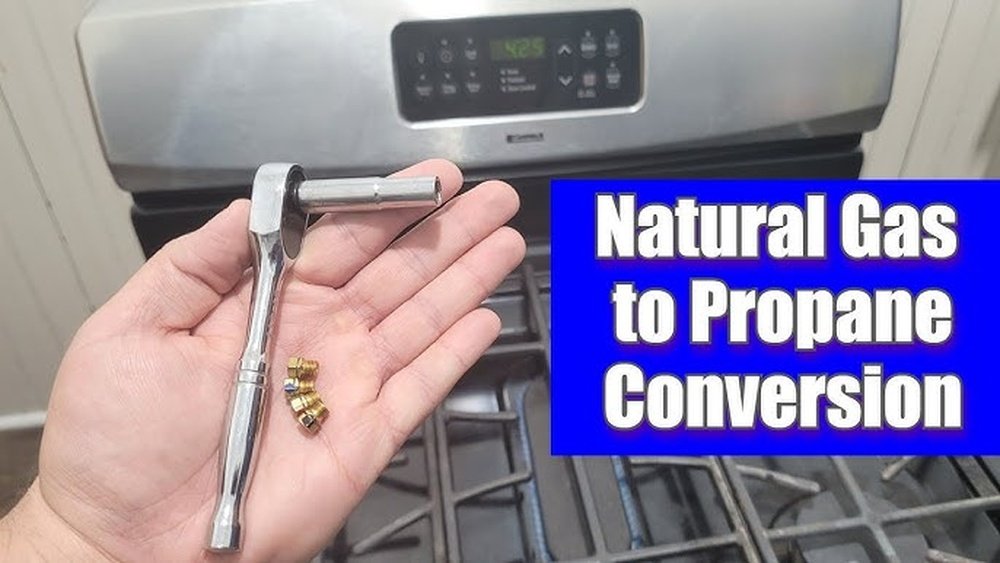
Converting a natural gas stove to propane is a topic that often creates confusion for homeowners and DIY enthusiasts. Many people wonder if the process is easy, safe, or even legal to do themselves. If you’re considering this conversion, it’s important to understand what’s involved, what risks you may face, and what steps are necessary for success.
This guide explores everything you need to know, from technical differences to step-by-step instructions, so you can make an informed decision and carry out the conversion with full confidence.
Why Convert A Natural Gas Stove To Propane?
People choose to convert their stoves from natural gas to propane for several reasons. In rural areas, natural gas pipelines may not be available, making propane the more practical choice. Propane is also a popular option for cabins, mobile homes, and off-grid locations. Some users prefer propane because it burns hotter than natural gas, which can make cooking faster and more efficient. Finally, during emergencies or natural disasters, propane is easier to store and transport, offering more flexibility for cooking and heating.
However, it’s not just about switching fuels. The conversion process involves specific safety requirements and technical adjustments. Understanding these is the first step to a successful conversion.
Key Differences Between Natural Gas And Propane
Before starting a conversion, you need to know how natural gas and propane differ. These differences affect how stoves work and why conversion is necessary.
| Aspect | Natural Gas | Propane |
|---|---|---|
| Energy Content (BTU per cubic foot) | 1,030 | 2,516 |
| Delivery Method | Piped to home | Stored in tanks |
| Pressure | Low (3.5″ WC typical) | Higher (10″ WC typical) |
| Orifice Size | Larger | Smaller |
| Carbon Output | Lower | Higher |
Energy content is the most important difference. Propane has more than double the energy of natural gas per cubic foot. This means propane burns hotter, so the stove’s burner orifices and pressure regulators must be adjusted to avoid overheating or producing dangerous flames.
Another key point is orifice size. Natural gas stoves use larger orifices because the fuel is less energy-dense. Propane needs much smaller orifices to control the flow and ensure safe operation. Failing to change these parts can lead to excessive flames, soot, or even gas leaks.
Is It Safe And Legal To Convert A Stove Yourself?
Many people ask if it’s safe or legal to convert a natural gas stove to propane on their own. The answer depends on your location, your skills, and the manufacturer’s policies.
- Manufacturer approval: Some stove brands allow conversion and provide kits. Others warn that conversion voids the warranty or is not allowed at all.
- Local codes: Many cities or states require a licensed professional to perform gas conversions. Not following these rules can risk your safety, insurance, or even lead to fines.
- Risks: Incorrect conversion can cause gas leaks, carbon monoxide poisoning, fires, or explosions.
For these reasons, always check your stove’s manual and local codes. If in doubt, consult a licensed technician. Even if you have experience with home repairs, working with gas is more dangerous than most DIY jobs.
Common Mistakes To Avoid
- Using the wrong orifice size: This is the most frequent error and can create unsafe flames.
- Not adjusting the pressure regulator: Propane requires higher pressure. If you skip this, your stove won’t work correctly.
- Ignoring leaks: Any gas smell after conversion means you must stop and fix the issue immediately.
- Forgetting permits: Some areas need inspection after any gas work.
Tools And Materials Needed For Conversion
If you’re planning to convert your stove, you’ll need specific tools and materials. These ensure you perform each step safely and correctly.
Essential Tools
- Adjustable wrench: For removing and tightening gas fittings
- Screwdriver set: Usually Phillips and flat-head
- Nut driver or socket set: For burner orifice removal
- Pipe thread sealant: Specifically for gas connections
- Manometer: To check gas pressure (optional but recommended)
- Soapy water solution: For leak detection
Required Materials
- Propane conversion kit: Includes orifices, regulator, and sometimes instructions specific to your stove model
- Teflon tape: Rated for gas connections (yellow)
- Propane gas supply line: Approved for your region and application
- Stove user manual: Crucial for model-specific instructions
Not all conversion kits are universal. Always buy the kit intended for your stove model and fuel type. Using mismatched parts can be dangerous and may damage the stove.
Steps To Convert A Natural Gas Stove To Propane
The conversion process is detailed and must be followed step by step. Below is a comprehensive guide, but always refer to your manufacturer’s manual for specific instructions.
1. Shut Off The Gas And Disconnect The Stove
- Turn off the main gas supply to the stove.
- Unplug the stove from the electrical outlet.
- Move the stove away from the wall for better access.
- If your stove is hardwired, turn off the circuit breaker for safety.
2. Remove The Burner Grates, Caps, And Tops
- Lift off the grates and caps from the burners.
- Unscrew burner heads as needed to expose the orifices.
- Keep all screws and small parts in a safe place.
3. Replace The Burner Orifices
- Locate the orifices (small brass nozzles under the burners).
- Use a socket or nut driver to remove the natural gas orifices.
- Install the propane orifices from your kit, tightening them snugly but not over-tightening.
- Label the old orifices and keep them in case you switch back in the future.
4. Adjust Or Replace The Pressure Regulator
- Find the pressure regulator at the back or bottom of the stove.
- Some regulators have a convertible cap: Remove, flip, and reinstall it to switch from natural gas to propane.
- If the kit includes a new regulator, replace the old one.
- Always use pipe thread sealant or yellow Teflon tape on threaded connections.
5. Adjust The Air Shutters
- Propane requires different air-to-gas ratios.
- Locate the air shutters (small plates near the burners).
- Adjust them according to the manual or until the flame burns blue and steady.
6. Connect The Propane Supply Line
- Attach a propane-approved flexible supply line to the stove inlet.
- Connect the other end to your propane tank or home propane line.
- Use the proper fittings and sealant to prevent leaks.
7. Test For Leaks
- Mix soapy water (dish soap and water).
- Turn on the propane supply.
- Brush or spray the solution on all connections.
- Look for bubbles—any bubbles mean a leak. Tighten fittings and retest until no bubbles appear.
8. Test The Stove Performance
- Plug the stove back in.
- Light each burner and check the flame. A proper propane flame should be blue and steady.
- If the flame is yellow, too high, or too low, re-check orifice sizes, air shutters, and pressure regulator.
- Test the oven and all features.
9. Reassemble The Stove
- Replace all burner caps, grates, and covers.
- Push the stove back into position, ensuring the supply line is not pinched or kinked.
10. Final Inspection And Documentation
- If required, call your gas company or local inspector for a final safety check.
- Note the conversion in your appliance’s records for future reference.
Important Safety Tips
- Never use natural gas orifices with propane—this is a common cause of dangerous over-firing.
- Always ventilate the room during and after conversion.
- Do not smoke or use open flames near the work area.
- If you smell gas at any stage, stop immediately and fix the leak.
- Have a fire extinguisher nearby just in case.

Credit: www.amazon.com
When Should You Hire A Professional?
Even with the best instructions, converting a gas stove is not for everyone. Here are times when you should call a professional:
- If you lack experience with gas appliances or plumbing
- If your local laws require a licensed installer
- If your stove is under warranty and DIY work would void it
- If you cannot get the correct conversion kit
- If you feel unsure at any step
A professional will have the tools and knowledge to ensure a safe, code-compliant installation. They can also issue the necessary paperwork for insurance or future property sales.
Costs Involved In Conversion
Understanding the full cost of converting a natural gas stove to propane helps you plan and decide whether it’s worth it.
| Item | Estimated Cost (USD) |
|---|---|
| Propane conversion kit | $30 – $120 |
| Labor (professional installer) | $80 – $250 |
| Propane supply line/hose | $15 – $50 |
| Inspection/permit (if required) | $30 – $100 |
DIY conversion can cost as little as $50 if you already own tools and buy only the kit. Professional installation and inspection can bring total costs to $200–$500 or more, depending on your area.

Credit: www.amazon.com
How To Choose The Right Conversion Kit
Choosing the right propane conversion kit is critical. Not all kits fit all stoves, and using the wrong parts can be dangerous.
Consider These Factors
- Stove model compatibility: Check your stove’s label for the model and serial number. Buy only kits designed for your exact model.
- Kit contents: A good kit includes orifices for all burners, a regulator (if needed), and instructions.
- Brand reputation: Use kits from the stove manufacturer or trusted brands. Avoid generic kits unless they are specifically recommended for your appliance.
- Return policy: In case parts do not fit, make sure you can return the kit.
Where To Find Kits
- Appliance stores: Many sell OEM (original equipment manufacturer) kits.
- Online retailers: Search by your stove’s make and model.
- Manufacturer’s website: Often the safest place for accurate parts.
Common Kit Mistakes
- Buying a kit for the wrong model year
- Missing orifices (some kits do not include oven or broiler nozzles)
- Failing to get a new regulator if your stove requires one
What To Expect After Conversion
Once your stove runs on propane, you may notice some differences in performance and maintenance.
Flame Characteristics
- Propane flames are usually more intense and slightly shorter than natural gas flames.
- The flame should be blue. If it is yellow or orange, adjust the air shutter or check for debris.
Cooking Speed
- Food may cook faster, especially on high settings, due to propane’s higher energy content.
- You may need to adjust cooking times or heat settings until you’re familiar with the new performance.
Maintenance
- Propane can produce more soot if the burners are not adjusted correctly.
- Regularly clean burner ports and check for debris.
- Inspect supply lines and connections annually for leaks or wear.
Fuel Storage
- Propane is stored in tanks, which must be refilled or exchanged.
- Monitor your tank level to avoid running out of fuel during cooking.
Pros And Cons Of Converting To Propane
It’s important to weigh the advantages and drawbacks before converting your stove.
| Pros | Cons |
|---|---|
| Works off-grid and in rural areas | Requires tank refills |
| Higher heat output | Conversion may void warranty |
| More control in emergencies | Initial conversion cost |
| Easy storage and transport of fuel | Propane can cost more per BTU |
| Flexible for mobile homes/RVs | Possible local code restrictions |
Non-obvious Insights For A Successful Conversion
Many beginners overlook key points that can save time, money, and frustration:
- Check the oven and broiler orifices: Many stoves have separate nozzles for these features. Skipping them can result in poor baking performance or safety hazards.
- Label all removed parts: If you ever move to a location with natural gas or sell the stove, you’ll need the original parts to switch back. Use small bags and labels for easy storage.
- Read the fine print in your homeowner’s insurance: Some policies require professional installation or documentation for gas appliances. Failing to comply could impact coverage in case of an accident.
- Record the conversion date and kit used: This helps with future troubleshooting, resale, or warranty claims.
- Test all stove functions, not just burners: Ovens, broilers, and even pilot lights may need adjustment or different orifices.

Credit: www.youtube.com
Environmental And Efficiency Considerations
Propane is often marketed as a cleaner-burning fuel. While it does produce fewer particulates than some other fuels, it is still a fossil fuel and emits carbon dioxide when burned. However, many people find propane more efficient for off-grid use, and it is often used in locations where natural gas is not available.
If you’re interested in more about the environmental impacts, the US EPA offers resources on fuel comparisons and emissions.
Frequently Asked Questions
What Happens If I Use A Natural Gas Stove With Propane Without Converting It?
If you use propane in a stove designed for natural gas without conversion, the flames will be much larger and hotter than intended. This can cause fires, carbon monoxide, or damage to the appliance. Always perform a proper conversion before using propane.
Can I Switch Back To Natural Gas In The Future?
Yes, you can usually switch back by reinstalling the original natural gas orifices and resetting the regulator. Keep all original parts and instructions in a safe place.
How Do I Know If My Stove Is Convertible?
Check your user manual or the manufacturer’s website. If your stove has a label or a sticker that says “convertible,” you can usually convert it with the right kit. If unsure, contact the manufacturer with your model number.
How Often Should I Inspect The Propane Connections?
Inspect all propane connections at least once a year and every time you disconnect or move the stove. Use a soapy water solution to check for leaks after any maintenance.
Is It Legal To Perform The Conversion Myself?
The answer depends on your local building codes. Some places allow homeowners to perform this work, while others require a licensed professional. Always check with your local authorities before starting.
Switching from natural gas to propane can be a great way to increase flexibility and ensure reliable cooking power, especially in rural or off-grid locations. When done carefully and according to all safety guidelines, the conversion provides years of safe, efficient operation.
However, never take shortcuts with gas appliances—if in doubt, call a professional for advice or installation.