

Keeping your Samsung glass stove top clean does more than make your kitchen look nice. It helps the appliance last longer, cook more evenly, and work safely. Many people worry about scratching the glass or damaging the surface with the wrong cleaners. Some try popular hacks found online and end up making things worse. Others give up, thinking that glass stove tops are just too hard to keep spotless. The truth is, with the right method and a few smart tips, you can keep your Samsung glass stove top looking almost new for years.
In this article, you’ll learn everything you need to know about cleaning a Samsung glass stove top. We’ll cover what tools and cleaners you need, step-by-step cleaning for daily messes and burnt-on spills, how to prevent scratches, and answers to questions most beginners have.
If you want to avoid common mistakes and get clear, confident advice, keep reading. By the end, you’ll know exactly how to care for your stove top—without stress or confusion.
Why Cleanliness Matters For Your Samsung Glass Stove Top
A clean glass stove top is not just about appearance. Food spills, grease, and burnt spots can hurt your stove in several ways:
- Efficiency drops: Burnt food or grease absorbs heat, making cooking uneven.
- Permanent stains: Some spills, if not cleaned quickly, can leave marks that never go away.
- Scratches and damage: Using the wrong tools or letting debris sit can scratch the glass.
- Safety risks: Heavy buildup can even cause smoke or small fires.
Samsung glass stove tops are designed to be strong, but they are not scratch-proof. Regular cleaning keeps both your kitchen and your appliance in top shape.
Understanding Your Samsung Glass Stove Top
Before you start cleaning, it helps to know what you’re working with. Samsung glass stove tops use a type of ceramic glass. This material is tough but can be scratched or stained if you use the wrong methods.
Key Features
- Smooth surface: Easy to wipe, but shows dirt quickly.
- No raised burners: Spills spread out more, so messes are more visible.
- Touch controls (on some models): These areas need gentle cleaning to avoid damage.
Common Problems
- Burnt-on spills: Sugar, syrup, and sauces can bake onto the surface.
- Scratches: Caused by rough tools or dragging pots and pans.
- Cloudy spots: From minerals in water or using harsh cleaners.
Understanding these issues helps you avoid mistakes and choose the right cleaning method.
What You Need: Tools And Cleaning Products
Having the right supplies makes cleaning faster and safer. Here’s what works best for Samsung glass stove tops:
Essential Tools
- Microfiber cloths: Soft and gentle on glass, great for wiping and buffing.
- Razor scraper or cooktop scraper: Useful for stuck-on messes. Always use at a low angle.
- Sponge (non-abrasive): For everyday cleaning.
- Paper towels: Good for quick cleanups but not for scrubbing.
- Plastic spatula: For light scraping if you don’t have a razor tool.
Cleaning Products
- Specialized glass stove top cleaner: Brands like Cerama Bryte or Weiman are safe and effective.
- White vinegar: Removes greasy residue and mineral spots.
- Baking soda: Useful for gentle scrubbing and lifting stains.
- Warm water: Always useful for rinsing and softening messes.
- Dish soap (mild): Good for light everyday cleaning.
Avoid: Steel wool, abrasive powders, ammonia, bleach, or any harsh chemicals. These can damage the glass or leave streaks.
Product Comparison
Here’s a quick look at what works and what to avoid:
| Product/Tool | Safe for Glass Stove Top? | Best Use | Potential Risk |
|---|---|---|---|
| Microfiber Cloth | Yes | Daily Cleaning, Polishing | None |
| Razor Scraper | Yes (with care) | Burnt-on Messes | Scratches if used incorrectly |
| Steel Wool | No | Never use | Deep scratches |
| Glass Stove Top Cleaner | Yes | Stain Removal, Shine | None if used properly |
| Bleach/Ammonia | No | Never use | Surface damage |
Non-obvious insight: Always check the label on cleaners—even “multi-surface” sprays can harm glass stove tops if they contain abrasives.
Step-by-step: Daily Cleaning Routine
Cleaning your Samsung glass stove top every day prevents most problems. Here’s a simple process that takes just a few minutes.
- Let the stove cool: Never clean while hot. Wait until it’s cool to the touch.
- Wipe loose crumbs: Use a dry microfiber cloth or paper towel.
- Prepare cleaning solution: Mix a few drops of dish soap with warm water.
- Wipe surface: Dip a non-abrasive sponge in the soapy water, wring it out, and wipe the glass.
- Rinse: Use a clean, damp cloth to remove any soap.
- Dry and polish: Buff the surface with a dry microfiber cloth to prevent streaks.
Pro tip: Wipe up spills as soon as the stove cools. The longer you wait, the harder they are to remove.
Removing Tough, Burnt-on Stains
Even careful cooks get burnt-on messes sometimes. Here’s how to deal with them without harming your stove top.
What You’ll Need
- Razor scraper or cooktop scraper
- Baking soda
- White vinegar
- Microfiber cloths
Cleaning Process
- Wait for cool: Always start when the stove is completely cool.
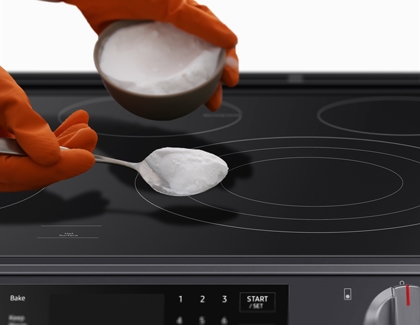
- Sprinkle baking soda: Cover the burnt area with a generous layer.
- Soak with vinegar: Spray or drizzle white vinegar over the baking soda. It will fizz and help loosen grime.
- Cover with a damp towel: Place a warm, damp towel over the area. Let it sit for 15–20 minutes.
- Scrape gently: Use the razor scraper at a 45-degree angle to lift off the mess. Do not dig or scratch.
- Wipe clean: Remove any residue with a microfiber cloth.
- Buff: Polish with a dry cloth for shine.
Example: Stuck Sugar
Sugar spills are common and can burn onto the glass quickly. The combination of baking soda and vinegar helps soften these spots. If some residue remains, repeat the process. Never use force—slow, gentle scraping is safer.
Non-obvious insight: Burnt sugar can bond with glass and cause permanent pitting if not removed quickly. Always check the stove top after cooking sweets.
Deep Cleaning: Weekly Or As Needed
Deep cleaning keeps your Samsung glass stove top looking its best. It’s useful for stubborn stains, greasy buildup, or when the surface starts looking dull.
Steps For Deep Cleaning
- Remove loose debris: Wipe with a dry cloth.
- Apply stove top cleaner: Squeeze a small amount of specialized cleaner onto the glass.
- Spread evenly: Use a soft sponge or microfiber cloth to spread it around.
- Let it sit: Allow the cleaner to work for a few minutes (read product instructions).
- Scrub gently: Use a circular motion, focusing on stained areas.
- Rinse: Wipe with a damp cloth until all cleaner is gone.
- Dry: Buff with a clean, dry microfiber cloth.
Tip: For a streak-free shine, wipe in one direction rather than in circles for the final pass.
Credit: www.reddit.com
Preventing Scratches And Damage
Samsung glass stove tops are sturdy but not indestructible. Here’s how to avoid common mistakes that lead to scratches or damage:
What To Avoid
- Dragging pots and pans: Always lift cookware—never slide it across the glass.
- Using the wrong tools: No steel wool, abrasive pads, or scouring powders.
- Cooking with dirty pots: Even tiny grains of salt or sugar under a pan can scratch the glass.
- Letting spills sit: Acidic foods (tomato sauce, vinegar, lemon) can etch the surface if left too long.
Safe Habits
- Use flat-bottomed pans: These make better contact and reduce scratching risk.
- Clean underneath cookware: Wipe the bottoms of pots and pans before placing them on the stove.
- Place a silicone mat: When not cooking, a mat can protect the surface from accidental drops.
Comparison: Safe Vs. Unsafe Cleaning Habits
| Habit | Safe for Stove Top? | Why/Why Not? |
|---|---|---|
| Using Microfiber Cloth | Yes | Gentle, does not scratch |
| Sliding Heavy Pots | No | Can create deep scratches |
| Cleaning When Hot | No | Risk of burns, streaks, and cracks |
| Buffing with Dry Cloth | Yes | Removes streaks, adds shine |
Key reminder: Scratches cannot be removed from glass stove tops. Prevent them before they happen.
Cleaning Around Touch Controls
Many Samsung models use touch-sensitive controls instead of physical knobs. These areas need gentle care:
- Use only a damp microfiber cloth: No excess water.
- Avoid sprays: Do not spray cleaner directly on the controls. Spray onto the cloth first.
- No abrasive pads: Even a small scratch can make the panel less responsive.
If residue builds up, use a little diluted dish soap, then wipe with a clean, damp cloth, followed by a dry one.

Credit: www.youtube.com
Dealing With Cloudy Or White Spots
Sometimes, you’ll see white, chalky spots or cloudy haze on your glass stove top. This often comes from minerals in water or leftover cleaner.
How To Remove Cloudy Spots
- Make a vinegar solution: Mix equal parts white vinegar and water.
- Apply with a microfiber cloth: Rub gently over the spots.
- Buff dry: Use a clean cloth to remove any haze.
If the haze remains, try a specialized glass stove top polish. Avoid using more product than needed—sometimes less is more.
Extra tip: Hard water can leave spots. If your area has hard water, dry the stove top immediately after cleaning.
Addressing Grease Buildup
Cooking oily foods can leave a greasy film that is hard to see but easy to feel. Over time, this can dull the shine of your Samsung glass stove top.
How To Remove Grease
- Spray with white vinegar: Vinegar cuts through grease without harming glass.
- Wipe with a microfiber cloth: Use small circular motions.
- Rinse: Remove vinegar residue with a damp cloth.
- Buff dry: Finish with a clean, dry cloth for shine.
For heavy grease, use a few drops of dish soap mixed with warm water first, then follow with vinegar.
Non-obvious insight: Even clear grease can slowly bake onto the stove top, making future cleaning much harder.
Handling Stubborn Marks And Discoloration
Sometimes, you notice marks that just don’t come off—dark rings, brown stains, or discoloration. These can come from:
- Pots with dirty or rough bottoms
- Spills left to bake during cooking
- Using the wrong cleaners
What To Do
- Try a cooktop cleaner: Apply, let sit, and scrub gently with a soft cloth.
- Use a razor scraper: For marks that won’t budge, gentle scraping (with care) can help.
- Repeat if needed: Some stains need several attempts.
- If all else fails: Some marks may be permanent if the glass is damaged.
Real-world example: Dark rings from aluminum pots often need several rounds of cleaner and gentle buffing.
How Often Should You Clean?
How often you clean depends on how much you cook and what you cook.
- Daily: Wipe up spills and crumbs after each use.
- Weekly: Deep clean with a specialized cleaner.
- Immediately: Clean up sugar, syrups, or acidic spills as soon as the stove cools.
Pro tip: Waiting until stains build up makes cleaning much harder and risks permanent damage.
Common Mistakes To Avoid
Even experienced cooks make these errors. Avoiding them will keep your Samsung glass stove top in great condition:
- Cleaning while hot: This can cause burns, streaks, or even crack the glass.
- Using abrasive tools: Scratches are almost impossible to fix.
- Letting spills sit: Some food acids can permanently etch the glass.
- Too much water: Excess liquid can seep into controls and cause problems.
- Wrong cleaners: Ammonia, bleach, and harsh chemicals can dull the surface.
Extra insight: Many people use a magic eraser. While it feels soft, it’s actually abrasive and can dull the glass over time.
What To Do If You Scratch The Glass
Unfortunately, scratches on glass stove tops are usually permanent. Most cannot be buffed out or removed. Here are your options:
- Light scratches: Clean the area well and keep it dry. Sometimes, a glass polish can reduce the appearance, but it won’t fully remove scratches.
- Deep scratches: These are permanent. Prevent further damage by using only soft cloths and lifting pots.
- Warranty: Scratches are not covered by Samsung’s warranty. Prevention is key.
Honest guidance: If your stove top is deeply scratched, focus on keeping it clean to prevent stains from settling in the grooves.
When To Call For Professional Help
Most cleaning can be done at home. But call a professional if:
- Cracks or chips: If you see a real crack, stop using the stove and call for repair.
- Stains that won’t come out: If you’ve tried all safe methods and the stain remains, a technician might offer other solutions.
- Control panel not working: If cleaning causes the touch controls to stop working, get expert help.
Important: Never try to remove the stove top glass yourself. This voids the warranty and risks injury.
Environmental And Health-friendly Cleaning
You can keep your Samsung glass stove top clean without harsh chemicals. Vinegar and baking soda are safe for you and the environment. Plus, they cost less and are easy to find.
- Vinegar: Cuts grease and removes water spots.
- Baking soda: Lifts stains without scratching.
- Microfiber cloths: Reusable, reduce waste.
Extra tip: Avoid using disposable wipes—they can leave a film and create extra waste.
Seasonal Deep Care
Every few months, take extra time to check and care for your stove:
- Check for buildup: Look around burners and edges for hidden grime.
- Polish: Use a glass stove top polish for extra shine.
- Inspect for scratches: Catching them early helps you prevent more.
Seasonal cleaning extends the life of your stove and keeps your kitchen safer.
Comparing Samsung Glass Stove Tops With Other Brands
Samsung is known for quality, but how does it compare to other major brands? Here’s a quick comparison:
| Brand | Glass Quality | Ease of Cleaning | Scratch Resistance |
|---|---|---|---|
| Samsung | High | Very Good | Good |
| LG | High | Good | Good |
| GE | Medium | Fair | Fair |
| Whirlpool | High | Very Good | Good |
Samsung’s glass stove tops are among the easiest to clean and maintain, but all brands need gentle care to avoid scratches and stains.
Credit: www.samsung.com
Real-life Examples: Keeping Your Stove Top Clean
Let’s look at two common scenarios:
Scenario 1: Daily Cook, Light Spills
Maria cooks every day, often making pasta, soups, and stir-fries. She wipes her Samsung glass stove top each night with a damp microfiber cloth and a bit of dish soap. Once a week, she uses a glass stove top cleaner.
Her stove always shines, and she’s never had to deal with permanent stains.
Scenario 2: Burnt-on Mess From Boiling Over
John was making caramel and it boiled over. He waited for the stove to cool, then sprinkled baking soda on the sticky mess. He covered it with vinegar and a warm, damp towel. After 20 minutes, he scraped gently with a razor tool.
The mess lifted, and his stove looked new again.
Lesson: Quick action and the right method make cleanup easy—even for tough messes.
Frequently Asked Questions
How Often Should I Clean My Samsung Glass Stove Top?
You should wipe up spills and crumbs daily, and do a deeper clean once a week. Clean sugar or acidic spills as soon as the stove cools. Frequent light cleaning prevents tough stains and damage.
Can I Use Regular Glass Cleaner On My Samsung Stove Top?
Most regular glass cleaners contain ammonia or other chemicals that can harm the glass over time. Use only cleaners made for glass stove tops, or stick with vinegar and water for most messes.
What’s The Safest Way To Remove Burnt-on Food?
Let the stove cool, sprinkle baking soda, add vinegar, cover with a warm towel, and let sit. Gently scrape with a razor tool at a low angle. Never use force or abrasive pads.
Will Scratches On My Stove Top Get Worse Over Time?
Yes. Scratches can collect dirt, grease, and stains, making them more visible. They cannot be fully removed, so always prevent them with gentle cleaning and by lifting—not sliding—pans.
Where Can I Find More Cleaning Tips For Glass Stove Tops?
You can visit the official Samsung Home Appliances support page or check resources like Samsung’s official guide for more detailed instructions and videos.
Taking good care of your Samsung glass stove top isn’t difficult if you know what to do. With regular cleaning, the right tools, and smart habits, you’ll enjoy a sparkling kitchen and a stove that works perfectly for years. Remember, prevention is always easier than repair—so start today and keep your stove top looking its best.