
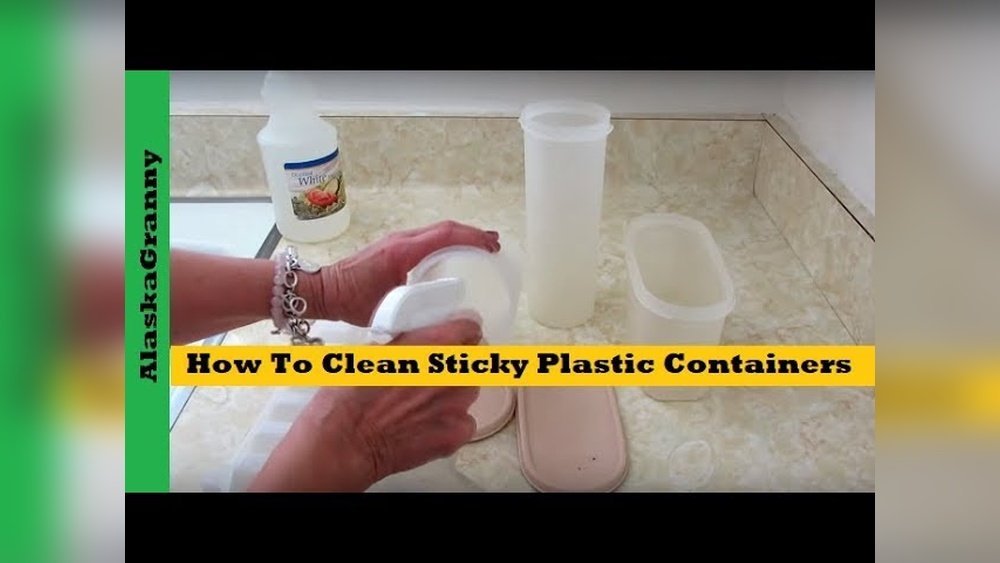
If you open your kitchen cabinet and find old Tupperware that feels sticky, you’re not alone. Many people hold on to these containers because they’re strong and last for years. But over time, they often develop a strange, tacky feeling on the surface.
Even after washing with soap and water, the stickiness can remain, making you wonder if the Tupperware is still safe to use.
So, what causes this problem, and how can you bring your old Tupperware back to life? This guide will show you exactly how to clean sticky Tupperware, why it happens, and how to keep your containers fresh for years to come.
You’ll learn simple methods, practical tips, and the best products to use, all explained in clear language. Whether you want to save family favorites or just avoid waste, you’ll find everything you need here.
Why Does Old Tupperware Get Sticky?
Before you start cleaning, it helps to know why old Tupperware turns sticky. Plastic containers, especially those made before the 2000s, often become tacky due to several reasons:
- Plastic Breakdown: Over time, the chemicals that keep plastic flexible can break down. This leaves a sticky film on the surface.
- Oil and Grease Buildup: Even small amounts of oil from food can bond to the plastic, especially if washed with cool water. These build up over many uses.
- Detergent Residue: Using too much soap, or not rinsing well, can leave a film that feels sticky.
- Exposure to Heat: Microwaving or dishwashing at high temperatures can cause older plastics to release additives, which feel tacky.
- Contact with Strong Spices or Sauces: Tomato sauce, curry, or oily dressings can stain and make Tupperware feel greasy.
Understanding the source of the problem helps you choose the right cleaning method. Some stickiness is just surface oil, while some is deeper damage to the plastic.
Safety First: Is Sticky Tupperware Safe To Use?
Many people worry if sticky Tupperware is still safe. The answer depends on the cause. If the stickiness is from oil or soap residue, it’s usually safe once cleaned well. However, if the plastic is breaking down (common with very old containers), it might release chemicals not meant for food contact.
If you see deep cracks, white spots, or if the plastic is very soft, it’s better to recycle it.
For most cases, a good deep clean makes Tupperware safe and pleasant to use again. If you’re unsure, check for the recycling code (usually on the bottom) and avoid using very old or damaged containers for hot or acidic foods.
The Most Effective Ways To Clean Sticky Tupperware
There’s no single solution for all sticky Tupperware. Some need just a good wash, while others need special treatment. Here are proven methods, starting with the easiest:
1. Warm Soapy Water And Elbow Grease
Sometimes, the classic method is enough. Use hot water, a few drops of dish soap, and a non-scratch sponge. Scrub all surfaces, including lids and corners. Rinse well and dry completely. This works for mild stickiness from recent use.
2. Baking Soda Paste
Baking soda is a gentle but effective cleaner for stubborn residue.
How to use:
- Mix 2 tablespoons of baking soda with just enough water to make a thick paste.
- Spread the paste on the sticky areas.
- Let it sit for 15–30 minutes.
- Scrub gently with a damp sponge or cloth.
- Rinse well and air dry.
Baking soda removes oils and neutralizes odors. Repeat if needed.
3. Vinegar Soak
White vinegar cuts through grease and helps break down sticky films.
How to use:
- Fill the Tupperware with equal parts warm water and white vinegar.
- Let it soak for at least 1 hour (overnight is better for heavy stickiness).
- Wash with dish soap, rinse, and dry.
Vinegar also helps remove food stains and kills odors.
4. Lemon Juice Scrub
Lemon juice is a natural degreaser and deodorizer.
Steps:
- Cut a lemon in half.
- Rub the cut side over the sticky areas.
- Let it sit for 10–15 minutes.
- Wash with warm, soapy water, rinse, and dry.
For extra power, sprinkle baking soda on the lemon before scrubbing.
5. Rubbing Alcohol Or Vodka
Alcohol breaks down oily residues quickly.
Instructions:
- Dampen a cloth or paper towel with rubbing alcohol or plain vodka.
- Wipe the sticky surfaces.
- Rinse with water and wash with soap before using for food.
Don’t use this method on containers with printed designs, as alcohol can fade the graphics.
6. Dishwasher Deep Clean
If your Tupperware is dishwasher safe (check the bottom for the symbol), a hot cycle can help.
- Place Tupperware on the top rack.
- Use a normal or heavy-duty wash cycle.
- Let items dry completely before storing.
Dishwashers may not remove all sticky film from older plastics, but it’s a good first step.
7. Commercial Plastic Cleaners
Some products are made for cleaning plastic and can help with stubborn stickiness. Look for plastic restorer or plastic cleaner at hardware stores. Always follow instructions, and rinse thoroughly before using the Tupperware for food.
8. Magic Eraser Or Melamine Sponge
These sponges are known for removing tough stains and sticky residues.
Directions:
- Wet the sponge.
- Gently rub the sticky area.
- Rinse well.
Test on a small area first to make sure the sponge doesn’t scratch the plastic.
9. Baking Soda And Vinegar Combo
For very stubborn stickiness, combine the power of baking soda and vinegar.
- Sprinkle baking soda on the sticky area.
- Spray or pour white vinegar over it. It will fizz.
- Let it bubble for 10–15 minutes.
- Scrub and rinse well.
This method is safe and works on most types of food and oil residue.
10. Sunlight Treatment
Sunlight naturally helps break down stains and odors.
- Wash the Tupperware well.
- Place in direct sunlight for 2–6 hours, open side up.
- Wash again before using.
This method is especially good for removing yellowing and lingering smells but can also help with stickiness caused by oils.
Step-by-step Guide: Deep Cleaning Old Sticky Tupperware
Let’s put it all together with a full process for cleaning even the stickiest Tupperware:
- Remove Food and Wash: Scrape out all food. Wash with hot, soapy water and rinse.
- Inspect for Damage: Check for cracks, cloudiness, or softness. If the container is damaged, consider recycling it.
- Choose Your Cleaning Method: For light stickiness, start with baking soda. For heavy, try vinegar or the baking soda and vinegar combo.
- Soak or Scrub: Apply your chosen cleaner. Let it sit (soak or paste) as needed.
- Scrub Gently: Use a soft sponge or cloth. Avoid steel wool or anything that can scratch.
- Rinse Thoroughly: Plastic holds onto odors and residues, so rinse with plenty of water.
- Air Dry: Leave Tupperware open to air dry completely. Moisture can cause smells and stickiness to return.
- Check for Stickiness: Run your finger on the surface. If it’s still sticky, repeat with a different method.
- Store Properly: Make sure Tupperware is 100% dry before stacking or closing with a lid.

Credit: www.sustainablejungle.com
How Different Cleaning Methods Compare
To help you choose, here’s a quick comparison of the main methods:
| Method | Best For | Time Needed | Effectiveness | Safe for Food Use |
|---|---|---|---|---|
| Baking Soda Paste | Light to medium stickiness, odors | 30 min | High | Yes |
| Vinegar Soak | Grease, stains | 1+ hour | High | Yes |
| Lemon Juice | Mild stickiness, smells | 15 min | Medium | Yes |
| Rubbing Alcohol | Heavy oil, non-food stains | 5 min | High | Rinse before use |
| Dishwasher | General cleaning | 1-2 hours | Medium | Yes |
Common Mistakes When Cleaning Old Tupperware
Many people try to clean sticky Tupperware and get frustrated when it doesn’t work. Here are mistakes to avoid:
- Using Abrasive Scrubbers: Steel wool or hard brushes scratch plastic, making future stains and stickiness worse.
- Skipping the Soak: Sticky films often need time to loosen. Don’t rush—let solutions sit.
- Not Rinsing Enough: Soap, vinegar, or baking soda left on can make stickiness worse or add a taste/smell.
- Using Bleach: While bleach kills germs, it can damage plastic and leave dangerous residues.
- Drying with a Cloth: Tupperware dries best in the air. Towels can leave lint or trap moisture.
How To Prevent Tupperware From Becoming Sticky
Prevention is easier than cleaning! Here’s how to keep Tupperware in good shape:
- Wash Soon After Use: Don’t let oils or sauces sit for days.
- Use Hot Water and Good Soap: This helps break down grease.
- Dry Completely Before Storing: Moisture leads to smells and stickiness.
- Avoid Storing Oily or Highly Spiced Foods: If possible, use glass or ceramic for these foods.
- Don’t Microwave Old Tupperware: High heat speeds up plastic breakdown.
- Store with Lid Off: This prevents trapped moisture and smells.
- Deep Clean Occasionally: Use baking soda or vinegar every few months, even if you don’t see stickiness.
How Old Is Too Old? When To Replace Tupperware
Tupperware can last decades, but very old containers may be past their best. Here’s how to know when to say goodbye:
- Cracks or Chips: These can harbor bacteria.
- Cloudy or White Spots: This means plastic is breaking down.
- Warped Lids or Misshapen Containers: May not seal properly, leading to spills and spoilage.
- Persistent Odors or Stains: If cleaning doesn’t help, it’s time for a new one.
- No Recycling Code or Microwave Symbol: Very old containers may not be food safe.
Most modern Tupperware is made from safer plastics, but older types may contain chemicals no longer used today. When in doubt, it’s better to be safe.
The Science Behind Plastic Stickiness
Sticky Tupperware isn’t just about food residue. Here’s what happens at a chemical level:
- Plasticizers: These keep plastic flexible. Over time, they rise to the surface and feel sticky.
- Oils and Fats: They bond with the plastic and become hard to remove.
- Porosity: Old plastic develops tiny pores, which trap grease and detergents.
This is why cleaning sometimes feels impossible—the stickiness is “inside” the plastic, not just on the surface. Some containers will never be fully smooth again, but proper cleaning makes them usable and safe.
Eco-friendly Solutions For Cleaning Tupperware
You don’t need harsh chemicals. Many eco-friendly products and methods are safe, effective, and easy on the planet:
- Baking Soda and Vinegar: Both are non-toxic and break down naturally.
- Lemon Juice: Biodegradable and safe for food use.
- Castile Soap: A gentle, plant-based soap that cleans well.
- Sunlight: Uses no resources, just natural UV.
Try to avoid single-use cleaning wipes, strong solvents, or products with artificial scents.
How To Remove Sticky Labels And Tape Residue
Sometimes stickiness comes from old labels or tape. Here’s how to remove them:
- Soak in Warm Soapy Water: This loosens most adhesives.
- Apply Cooking Oil: Rub with a cloth to dissolve sticky glue.
- Use Rubbing Alcohol: For stubborn spots, wipe with alcohol, then wash and rinse.
- Baking Soda Paste: Scrub gently to lift off sticky residue.
- Plastic Scraper: Gently lift labels without scratching.
Always wash thoroughly after removing adhesives to avoid smells or tastes.
How Tupperware Compares To Other Containers
How does Tupperware stack up against glass or stainless steel for cleaning?
| Container Type | Stickiness Problem | Cleaning Difficulty | Durability |
|---|---|---|---|
| Plastic (Tupperware) | Common with age, oils | Medium to high | High, but degrades over decades |
| Glass | Rare, easy to clean | Low | Very high, can break |
| Stainless Steel | Rare, only with heavy oil | Low | Very high |
Glass and steel are less likely to become sticky, but Tupperware is lighter and less likely to break.

Credit: www.youtube.com
How Often Should You Deep Clean Tupperware?
For containers used every day, deep clean every 2–3 months or if you notice stickiness or stains. For less-used items, once or twice a year is enough. If you use Tupperware for strong-smelling foods (curries, onions), clean more often.
When To Call It Quits: Signs Tupperware Should Be Recycled
Not all sticky Tupperware can be saved. Recycle your container if:
- Stickiness returns quickly after cleaning.
- There’s a strong plastic smell.
- The surface feels rough or pitted.
- The container is older than 20–25 years.
Most city recycling programs accept clean plastic containers. Check the recycling code on the bottom for guidance.
Real-life Example: Restoring A 1980s Tupperware Container
Maria inherited a set of Tupperware from her mother. It was stained, sticky, and looked ready for the trash. But she wanted to save it for family memories.
She tried:
- Soaking in vinegar overnight: Most grease came off.
- Scrubbing with baking soda paste: The stickiness lessened.
- Rinsing and air drying: Some stickiness remained.
After two rounds, most containers felt smooth and clean. The oldest ones still had a slight tacky spot, so she used those for dry foods only. Maria’s tip: “Be patient and try different methods. Old Tupperware can surprise you!”
Products That Help With Sticky Tupperware
If you want extra help, consider:
- Plastic-safe degreasers: Look for products labeled safe for food storage.
- Melamine sponges: Magic Eraser or similar.
- Microfiber cloths: For gentle scrubbing.
- Food-safe plastic restorer: For antique or valuable containers.
Always rinse well before using for food.
How To Store Clean Tupperware To Prevent Future Stickiness
Proper storage helps keep containers fresh:
- Stack with lids off or loose.
- Store in a cool, dry place.
- Place a small packet of baking soda inside (unopened) to absorb odors.
- Avoid stacking too tightly; air needs to circulate.
Quick Reference: Cleaning Methods By Problem
If you’re in a hurry, here’s a simple guide:
| Problem | Best Solution |
|---|---|
| Sticky from oil | Baking soda or vinegar soak |
| Sticky from labels/tape | Rubbing alcohol, oil rub |
| Mild general stickiness | Lemon juice scrub |
| Strong, old stickiness | Baking soda & vinegar combo |
| Odors and stains | Sunlight, baking soda |
Non-obvious Insights Most People Miss
- Plastic Holds Residue Even After Washing: Unlike glass or metal, plastic can “trap” oils and detergents in microscopic pores. That’s why stickiness sometimes returns, even if you just washed it.
- Mixing Cleaning Methods Can Work Better: Don’t be afraid to try baking soda first, then vinegar, or even a lemon scrub after. Old stickiness often needs a combination of approaches.
- Air Drying Is Essential: Toweling off Tupperware can leave behind oils or cloth residue, making containers sticky again. Always air dry fully before storing.
When To Let Go And Buy New Tupperware
While cleaning helps, no container lasts forever. If your Tupperware is decades old, discolored, warped, or always sticky, it’s time to replace it. Modern containers are safer, easier to clean, and better for food storage. Don’t risk your health for nostalgia.
Additional Resources
For more detailed cleaning science and food safety guidelines, visit the CDC Food Safety page.
Frequently Asked Questions
Why Does Tupperware Get Sticky Even After I Wash It?
Old Tupperware can become sticky because oils, grease, or even soap residue get trapped in the plastic’s tiny pores. Sometimes, the plastic itself breaks down and releases a tacky film. Regular soap and water may not remove this, so special cleaning methods are needed.
Is Sticky Tupperware Dangerous To Use?
Usually, sticky Tupperware is safe if the stickiness is from food oils or soap. However, if the container is very old, cracked, or smells like plastic, chemicals may be leaching out. In these cases, it’s best not to use the container for food.
Can I Use Bleach To Clean Sticky Tupperware?
It’s not recommended. Bleach can damage plastic and leave behind unsafe residue. Safer alternatives include baking soda, vinegar, or lemon juice. Always rinse containers well after cleaning.
Will The Dishwasher Remove Stickiness From Old Tupperware?
A dishwasher can help, especially on the top rack with a hot cycle. However, for heavy stickiness, you’ll often need to use baking soda, vinegar, or a combination for best results. Always check that your Tupperware is dishwasher-safe before running it through.
How Can I Prevent My Tupperware From Getting Sticky Again?
Wash containers soon after use, dry them thoroughly, and avoid storing strong-smelling or oily foods for long periods. Deep clean with baking soda or vinegar every few months, and store with lids off to prevent moisture buildup.
Restoring old Tupperware to its best isn’t always easy, but with the right methods, most sticky containers can be saved and reused safely. With a little care, your favorite Tupperware can last for years to come.
Credit: www.kltv.com