
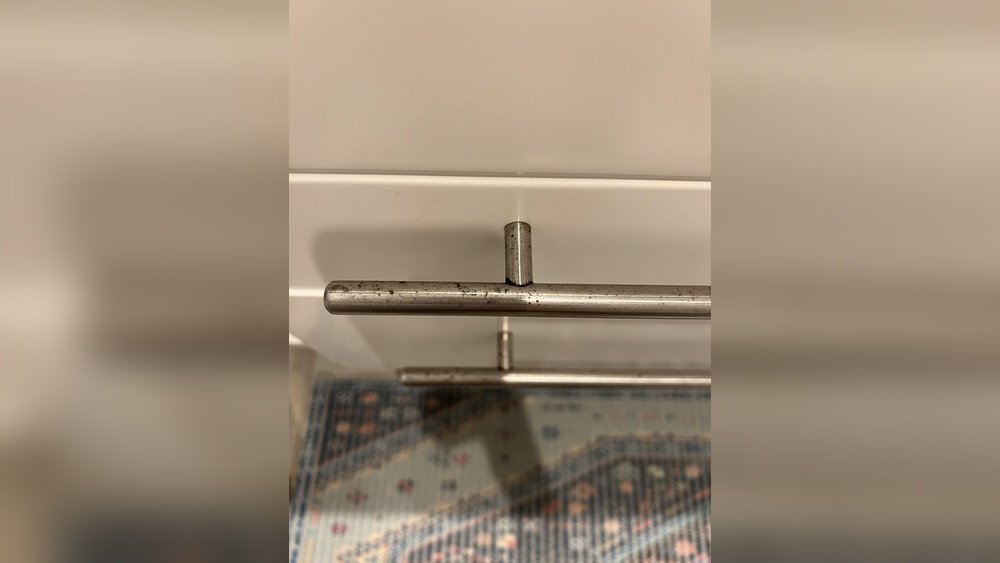
Keeping your kitchen looking fresh can be a challenge, especially when it comes to those small details like metal handles on kitchen cabinets. Many people focus on cleaning countertops and appliances, but often forget the handles. These handles collect grease, fingerprints, and dust every day. If left unchecked, they can look dull, sticky, or even start to corrode.
Many homeowners believe that cleaning metal handles is simple—just a quick wipe with a damp cloth. But, using the wrong technique or cleaner can actually damage the finish or leave streaks behind. Some people even end up scratching their handles or causing them to loosen. The right approach depends on the type of metal, the kind of stains, and how often you maintain them.
In this guide, you’ll learn how to clean metal handles on kitchen cabinets, no matter the material or condition. You’ll discover methods for routine cleaning, deep cleaning, and even restoring old handles. Plus, you’ll see how to avoid common mistakes, what products to use or avoid, and smart tips to keep your handles looking new for years.
Let’s dive in and make your kitchen shine from every angle.
Why Clean Metal Handles On Kitchen Cabinets?
Kitchen cabinet handles are touched hundreds of times each week. Every touch leaves behind small amounts of oil, food particles, and sweat. Over time, this build-up can:
- Make handles sticky or slippery
- Cause unpleasant odors
- Create a dull or tarnished appearance
- Harbor bacteria or germs
A 2021 study by the NSF International found that kitchen handles are among the most germ-covered surfaces in the home, even more than some bathroom fixtures. Regular cleaning is not only about looks, but also about hygiene and long-term durability.
Types Of Metal Handles And Their Cleaning Needs
Understanding what kind of metal you have is the first step. Different metals need different care. Using the wrong cleaner can scratch, stain, or even corrode the metal.
Here’s a quick overview:
| Metal Type | Common Finish | Cleaning Sensitivity | Special Notes |
|---|---|---|---|
| Stainless Steel | Brushed, Polished | Low | Resistant to rust, but fingerprints show easily |
| Brass | Polished, Antique | Medium | Can tarnish; avoid acidic cleaners |
| Chrome | Shiny, Mirror | Medium | Prone to water spots |
| Nickel | Brushed, Satin | Medium | Can discolor with harsh chemicals |
| Bronze | Oil-rubbed, Aged | High | Surface can wear; avoid abrasives |
| Aluminum | Matte, Polished | Medium | Scratches easily; can oxidize |
| Zinc Alloy | Plated, Painted | High | Thin coatings; gentle cleaning needed |
If you’re not sure what type you have, check your cabinet’s product details or ask at a hardware store. Most modern kitchens use either stainless steel or brushed nickel, but older kitchens may feature real brass or bronze.

Credit: www.shutterstock.com
How Often Should You Clean Metal Handles?
For most homes, a quick clean once a week keeps handles looking and feeling fresh. However, if you cook daily, have kids, or notice handles getting sticky, increase to every 2–3 days. Deep cleaning should be done every 1–2 months, or whenever you notice:
- Stubborn grease or grime
- Tarnish or discoloration
- Odor
Neglecting regular cleaning allows stains to set, making them harder to remove later. Frequent gentle cleaning is easier and helps handles last longer.
What You’ll Need: Supplies And Products
You don’t need fancy tools to clean metal handles. In fact, some common household items work better than strong chemicals.
Basic Cleaning Supplies
- Soft microfiber cloths (at least two)
- Mild dish soap (unscented is best)
- Warm water
- Spray bottle (optional)
- Old toothbrush or soft bristle brush
- Cotton swabs (for crevices)
- Dry towel
For Deep Cleaning Or Stubborn Stains
- White vinegar
- Baking soda
- Lemon juice
- Rubbing alcohol
- Non-abrasive metal polish (suitable for your metal type)
- Gloves (to protect your hands)
- Wood-safe tape (if you want to protect cabinet wood)
What To Avoid
- Steel wool or abrasive pads
- Bleach or ammonia-based cleaners (unless label says it’s safe for your metal)
- Acidic cleaners on brass, bronze, or nickel
- Excess water (can damage wood)
Many beginners use kitchen scrubbers or rough sponges. These can scratch the surface, especially on polished or coated metals. Always start with the gentlest method.
Step-by-step: Routine Cleaning For Metal Handles
Keeping up with routine cleaning helps you avoid tough stains and keeps handles shiny. Here’s a simple process for weekly or biweekly cleaning.
1. Prepare Your Cleaning Solution
Mix a few drops of mild dish soap with warm water in a small bowl or spray bottle. You only need a little soap—too much can leave residue.
2. Wipe Down The Handles
Dip your microfiber cloth into the soapy water, wring out excess, and gently wipe each handle. For vertical handles, wipe from top to bottom. For horizontal, wipe side to side. This removes most surface grease and fingerprints.
3. Scrub Edges And Crevices
Use a soft toothbrush or cotton swab dipped in the solution to gently scrub around screws, edges, or decorative grooves. Don’t press too hard. These areas collect hidden grime.
4. Rinse With Clean Water
Wipe each handle with a separate damp cloth (just water, no soap) to remove any soap residue.
5. Dry Thoroughly
Use a dry towel or fresh microfiber cloth to dry handles completely. This step is important to prevent water spots or streaks, especially on chrome or stainless steel.
6. Buff For Extra Shine
For polished finishes, use a dry, clean cloth to buff the handle after drying. Move in small circles for a bright, fingerprint-free look.
Pro Tip: Always clean handles before wiping the surrounding cabinet wood. This prevents dirty water from dripping onto clean wood surfaces.
Deep Cleaning: Removing Tough Grease, Grime, Or Tarnish
If routine cleaning isn’t enough, it’s time for a deeper clean. This is especially common in kitchens with heavy cooking, or when handles haven’t been cleaned in months.
1. Remove The Handles (optional But Effective)
If possible, unscrew the handles from the cabinet doors. This lets you clean all sides and prevents water from dripping onto the wood. Place screws in a bowl so you don’t lose them.
2. Make A Deep Cleaning Paste
For most metals, a mix of baking soda and water works well. Add a few drops of water to a tablespoon of baking soda to form a thick paste.
- For stubborn grease: Add a few drops of white vinegar (unless your handle is brass or bronze).
- For tarnish (on brass, bronze): Use lemon juice mixed with baking soda, but test on a small area first.
3. Apply Paste And Let Sit
Spread the paste over the handle, focusing on stained or dirty areas. Let sit for 5–10 minutes. This loosens deep grime and stains.
4. Scrub Gently
Use a soft toothbrush to scrub the paste into grooves and crevices. Don’t use much force—let the paste do the work.
5. Rinse And Dry
Wipe off the paste with a damp cloth, rinse again with clean water, and dry thoroughly.
6. Polish If Needed
If your handles look dull, use a non-abrasive metal polish appropriate for your metal type. Apply following the product directions, then buff with a clean cloth.
7. Reattach Handles
If you removed the handles, screw them back onto the cabinets once fully dry.
Non-obvious Insight: Removing handles for deep cleaning also lets you check for loose screws or wear, helping you keep your cabinets safe and sturdy.

Credit: www.youtube.com
Cleaning Different Metals: Special Considerations
Each metal has its quirks. Here’s how to handle them:
Stainless Steel
- Wipe with the grain, not against it.
- Use vinegar-water for fingerprints (mix equal parts).
- Avoid chlorine cleaners—they can cause rust spots.
Brass
- Test any cleaner on a hidden spot first.
- Avoid vinegar or acids unless you know the handle is solid brass (not plated).
- For antique brass, sometimes a gentle wipe is enough; polishing can remove the aged look.
Chrome
- Water spots are common; buff with a dry cloth after cleaning.
- For cloudy spots, a dab of vinegar on a cloth helps.
Bronze
- Use only mild soap and water.
- Never use abrasives or acidic products.
- Oil-rubbed bronze sometimes has a wax coating—don’t scrub hard.
Nickel
- Don’t use ammonia or bleach.
- Dry immediately to prevent water stains.
- For tough spots, use rubbing alcohol sparingly.
Aluminum
- Rinse well; leftover soap can discolor aluminum.
- For oxidation, use a paste of baking soda and water.
Zinc Alloy
- Most are plated—clean gently.
- Avoid leaving water on the surface.
Non-obvious Insight: Many metal handles are not solid metal but plated or coated. Aggressive scrubbing or harsh chemicals can quickly wear off this thin layer, exposing dull or rusty metal beneath.
What About Painted Or Coated Handles?
Some metal handles have a painted, lacquered, or powder-coated finish. For these:
- Stick to mild soap and water only.
- Never use baking soda, vinegar, or any abrasive.
- Avoid soaking the handle or letting water seep under the coating.
If the coating is chipped or peeling, consider replacing the handle. Trying to “fix” the paint with cleaning can make it look worse.
Eco-friendly Cleaning Options
For those who prefer green cleaning, you can still achieve spotless handles:
- Mix equal parts white vinegar and water in a spray bottle for general cleaning (avoid on brass, bronze, or zinc).
- Use baking soda for gentle scrubbing.
- Try a lemon wedge dipped in salt for stubborn spots on stainless steel or chrome (not for plated or delicate metals).
Eco-friendly options are usually safe for your family and the environment, but always test on a small area first.
Preventing Damage And Keeping Handles Looking New
Cleaning is only half the battle. Keeping handles in top shape means preventing damage, too.
Tips For Longevity
- Wipe up spills quickly. Don’t let sauces, oils, or acidic foods sit on handles.
- Dry immediately. Water can cause mineral spots and, over time, corrosion.
- Avoid rough towels. Only use soft microfiber or cotton.
- Tighten screws regularly. Loose handles invite extra wear and tear.
- Keep harsh chemicals away. Many kitchen cleaners are too strong for handles.
Safe Disinfecting
For those concerned about germs, especially after illness, use 70% isopropyl alcohol on a cloth. Wipe the handle, then dry with a clean towel. Alcohol disinfects without harming most metals if used sparingly.
When To Replace Handles
No cleaning method can fix deep scratches, pitting, or broken plating. If handles look worn out or are hard to clean, it might be time to upgrade. Modern replacements can refresh your kitchen’s look for a small cost.

Credit: www.decoranddecor.com
Common Mistakes To Avoid
Even experienced homeowners make errors when cleaning metal handles. Here are some pitfalls:
- Using too much water: Excess moisture seeps into cabinet wood, causing swelling or discoloration.
- Scrubbing with abrasive pads: This scratches and dulls most finishes, especially chrome and nickel.
- Skipping drying: Water spots and streaks form quickly if not dried.
- Mixing incompatible cleaners: For example, using vinegar on brass-plated handles can strip the coating.
- Ignoring the screws: Dirty or rusty screws can stain or loosen handles.
Pro Tip: If you’re not sure what cleaner to use, start with plain warm water and a soft cloth. It’s better to clean gently than risk damage.
Comparing Store-bought Vs. Diy Cleaning Solutions
You might wonder if store-bought products are better than homemade solutions. Here’s a side-by-side look:
| Solution | Effectiveness | Safety | Cost | Best For |
|---|---|---|---|---|
| Store-Bought Metal Cleaners | High (for tough stains) | Medium (check label) | $5–$15 | Deep stains, tarnish |
| DIY (Soap & Water) | Good (for routine) | High | Less than $1 | Everyday cleaning |
| Baking Soda/Vinegar | Good (some metals) | Medium (avoid on some metals) | Less than $2 | Grease, light tarnish |
Key Insight: Store-bought products can save time for stubborn stains, but always read the label to make sure they’re safe for your metal. For most, simple soap and water works best.
How To Clean Metal Handles Without Removing Them
Not everyone wants to unscrew their handles. Here’s how to clean in place without risking water damage to cabinets:
- Dampen a microfiber cloth with soapy water; wring out well.
- Wipe the handle, being careful not to drip water onto the wood.
- Use a toothbrush for grooves, holding a dry towel under the handle to catch drips.
- Wipe with a clean, damp cloth to remove soap.
- Dry immediately, including any area where water might have touched the wood.
Pro Tip: Place a small piece of painter’s tape on the wood around the handle before deep cleaning to protect the finish.
How To Restore Old Or Tarnished Metal Handles
If you moved into an older house or found handles with years of tarnish, restoration can bring them back to life.
1. Remove And Soak Handles
Take handles off cabinets. Soak in a solution of warm water and mild dish soap for 20–30 minutes. This loosens years of grime.
2. Scrub With Baking Soda Paste
Apply a thick paste of baking soda and water. For brass or bronze, mix with lemon juice. Scrub gently with a toothbrush, focusing on pitted or tarnished spots.
3. Polish (optional)
Use a metal polish suited for your handle’s metal. Buff with a soft cloth until shiny.
4. Rinse And Dry
Rinse handles thoroughly and dry completely before reattaching.
Non-obvious Insight: Some old handles have a clear lacquer coating that will yellow or peel over time. If cleaning doesn’t restore shine, consider removing the lacquer with acetone (test first) and re-coating, or simply replacing the handle.
Smart Maintenance: Keeping Handles Clean Longer
Once your handles are clean, a few habits will keep them that way:
- Wipe handles after cooking sessions that involve oil or sauces.
- Keep a microfiber cloth in the kitchen for quick touch-ups.
- Encourage family members to wash hands before cooking.
- For busy homes, spray handles with a light mist of vinegar-water (unless not suitable) and wipe once a day.
Real-life Example: A Family’s Cleaning Routine
The Garcia family cooks daily and has three kids. They noticed sticky handles and fingerprints everywhere. They switched to a weekly routine:
- Monday: Quick wipe with soapy water after dinner.
- Friday: Deep clean with baking soda paste, including scrubbing around screws.
- Every night: Quick dry cloth wipe-down before bed.
After three weeks, their handles were noticeably shinier, and the sticky feeling was gone. They also found that kids were less likely to touch the cabinets with dirty hands when the handles looked clean.
When To Call A Professional
If you have expensive or antique cabinet hardware, or if you see greenish corrosion (“verdigris”) on brass or bronze, it might be best to consult a restoration specialist. Professionals have products and tools to clean without damaging valuable finishes.
Resources For Further Reading
For more details about metal cleaning and safe kitchen hygiene, check out the NSF International guide on kitchen germs.
Frequently Asked Questions
How Do I Know What Type Of Metal My Handles Are?
Most kitchen handles have a manufacturer’s mark or product code on the back. If not, look at the color and weight: stainless steel is silver and heavy, brass is gold-toned, bronze is darker, and chrome is very shiny. If you’re unsure, ask at a hardware store or bring a handle for identification.
Can I Use Vinegar On All Metal Handles?
No. Vinegar is safe for stainless steel and chrome but can damage brass, bronze, and zinc alloy finishes. Always test on a small, hidden area first and avoid vinegar on painted or coated handles.
What Should I Do If My Handles Are Sticky Even After Cleaning?
Sticky residue often means there’s still grease left. Try a deeper clean with baking soda paste or a small amount of rubbing alcohol (test first). If stickiness remains, the coating may be damaged, and replacement could be the best option.
Is It Safe To Use Disinfecting Wipes On Metal Handles?
Most disinfecting wipes are safe for stainless steel and chrome but can damage brass, bronze, and painted finishes over time. Always dry handles after using wipes to prevent streaks or water spots.
How Do I Keep Handles From Loosening Over Time?
Check screws every few months and tighten with a screwdriver if needed. If screws keep loosening, try a drop of thread-locking glue (available at hardware stores) on the screw before tightening.
A sparkling kitchen isn’t just about the big surfaces—it’s the small details that make the whole room feel clean and inviting. With the right care, your metal handles will look great and last for years, adding a touch of shine to every meal you prepare.